When most of us think about design, we imagine colours, furniture or perhaps a striking architectural feature. But the true success of a space is measured not just by its visual impact, but by how it makes people feel the moment they step inside.
This was the theme of a recent design talk titled “Designing with Emotion” organised by Cosentino Malaysia as part of its Voices of Design series. The session brought together interior designer Matthew Lim, creative director Tay Ei Ling, architectural designer Pamela Tan and multidisciplinary artist Red Hong Yi to discuss how emotion, storytelling and materials shape the spaces we live and work in.
For Lim of Matthew Lim Associates, every project begins with a simple but powerful question: how should this space feel?
Rather than starting with furniture layouts or colour palettes, he first considers moods such as calm, curiosity or intimacy. These emotions then guide practical decisions like lighting, materials and spatial layout.
This approach may sound abstract, but it has tangible results. Walk into a hotel lobby that feels welcoming rather than intimidating, or a cafe that encourages you to linger, and you are experiencing emotional design at work.
Tay, co-founder and creative director of Youngblood, approaches design through storytelling. For her, every project needs a narrative – a reason to exist. The story becomes a framework that shapes everything from form to function.
“It’s not just about creating something beautiful,” she says. “It’s about designing for people and ensuring that a space connects them to the moment and to one another.”
In today’s social media-driven culture, it’s easy to assume that dramatic visuals and expensive finishes are what make a space memorable. But the panellists believe that this is one of the biggest misconceptions about emotional design.
Lim says some of the most powerful spaces are actually the simplest.
“Natural light, balanced proportions and the way rooms flow into one another often have a deeper emotional impact than bold decorative gestures.”
This emphasis on fundamentals also helps create spaces that age gracefully. Trends in interior design can change quickly – from industrial chic to minimalist Scandinavian – but principles such as good lighting, honest materials and thoughtful spatial planning remain relevant for decades, he adds.
For homeowners and developers alike, this offers a useful reminder: chasing trends might result in a space that looks dated within a few years, while designing around comfort and human experience is more likely to stand the test of time.
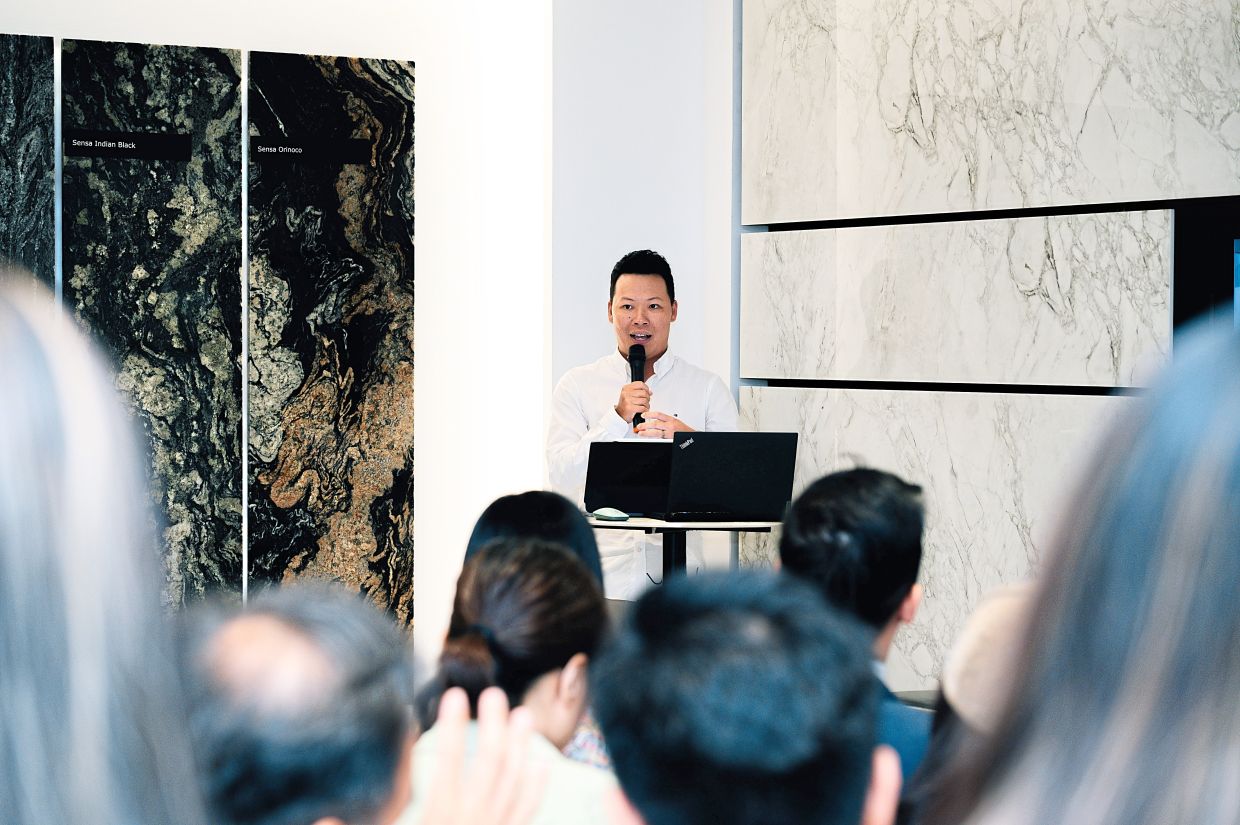
Design rarely happens under perfect conditions. Budgets, building regulations and physical limitations often shape what is possible. Yet instead of seeing these as obstacles, many designers view them as catalysts for creativity.
Lim explains that restrictions can actually lead to more refined and purposeful decisions.
“A structural limitation, for instance, might inspire a layered spatial journey or an unexpected layout that becomes the defining feature of a project.”
This mindset resonates beyond the design industry.
In everyday life, constraints often force people to think more resourcefully, and the same principle applies when creating meaningful spaces.
She reveals that this helped her rediscover momentum and reminded her that consistency, even in small steps, leads to significant breakthroughs.
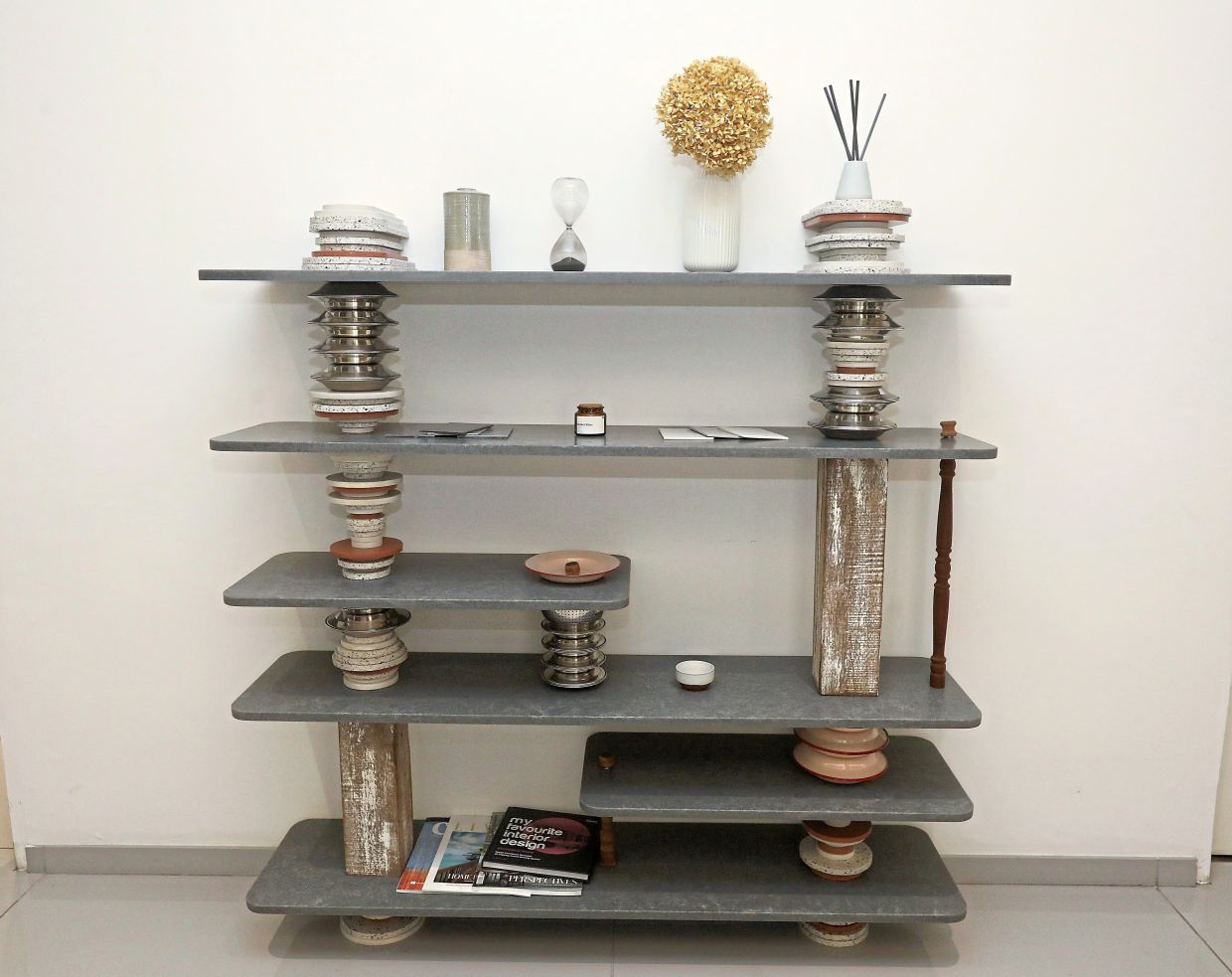
One of the most interesting shifts in contemporary design is the growing overlap between art and functional objects. From sculptural bookshelves to immersive installations, creative works are increasingly becoming part of daily living rather than something reserved for galleries.
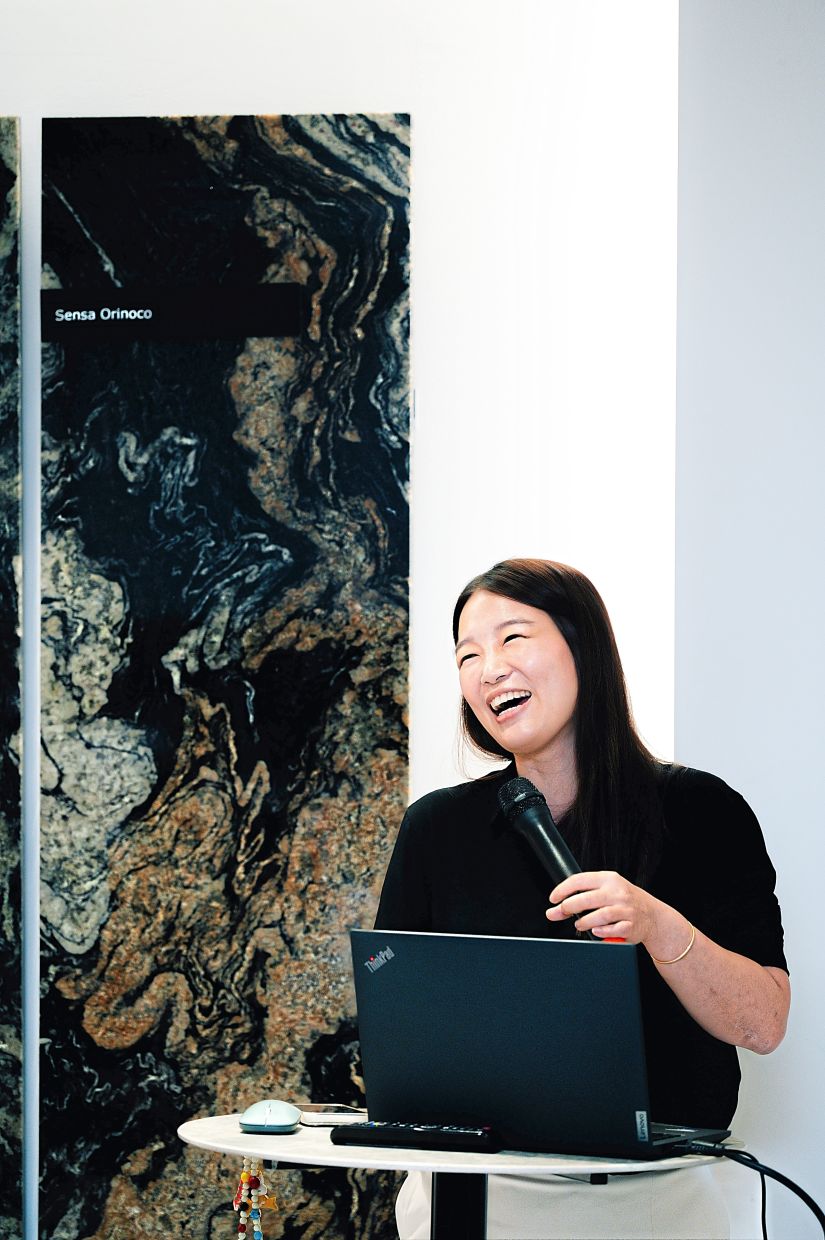
Hong, known for her experimental use of materials, believes that people today are seeking objects that carry personal meaning and individuality.
“When art becomes functional, such as my Totems bookshelf that is also a sculpture, people get to live with the artwork rather than simply observe it.”
Tan similarly advocates for closer collaboration between artists and architects. By involving artists early in a project, she says, artwork can become part of the spatial narrative rather than an afterthought.
“This allows spaces to tell richer, more layered stories that engage visitors emotionally as well as visually.”
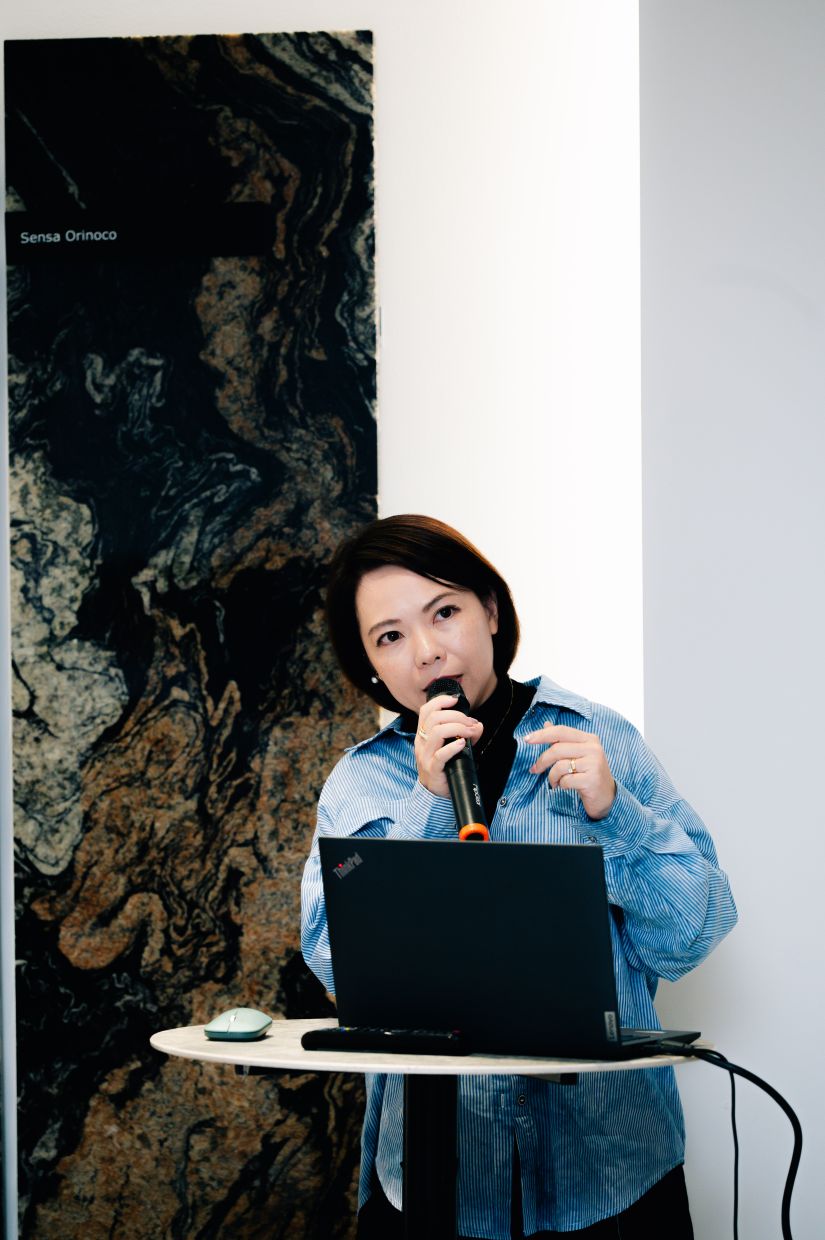
Tay emphasises that the ultimate goal is always to design for people rather than for personal expression or stylistic trends. A space becomes beautiful, she says, when its form quietly supports the life happening within it.
This people-first philosophy is especially important in public spaces, where design has the potential to influence large communities. Tay points out that areas such as public housing often receive less attention compared to commercial developments, even though they play a critical role in residents’ wellbeing and quality of life.
“Thoughtful material choices, access to light and communal areas can all contribute to a more uplifting environment.”
Of course, transforming an emotional concept into a physical space requires more than inspiration alone. Designers must work closely with engineers, fabricators and contractors to ensure that creative ideas remain structurally sound and within budget.
Lim describes this process as a balancing act between protecting the core intention of a design and adapting to technical realities.
“Strong collaboration and open communication are essential to ensure the original vision doesn’t get diluted as a project moves from sketch to construction.”
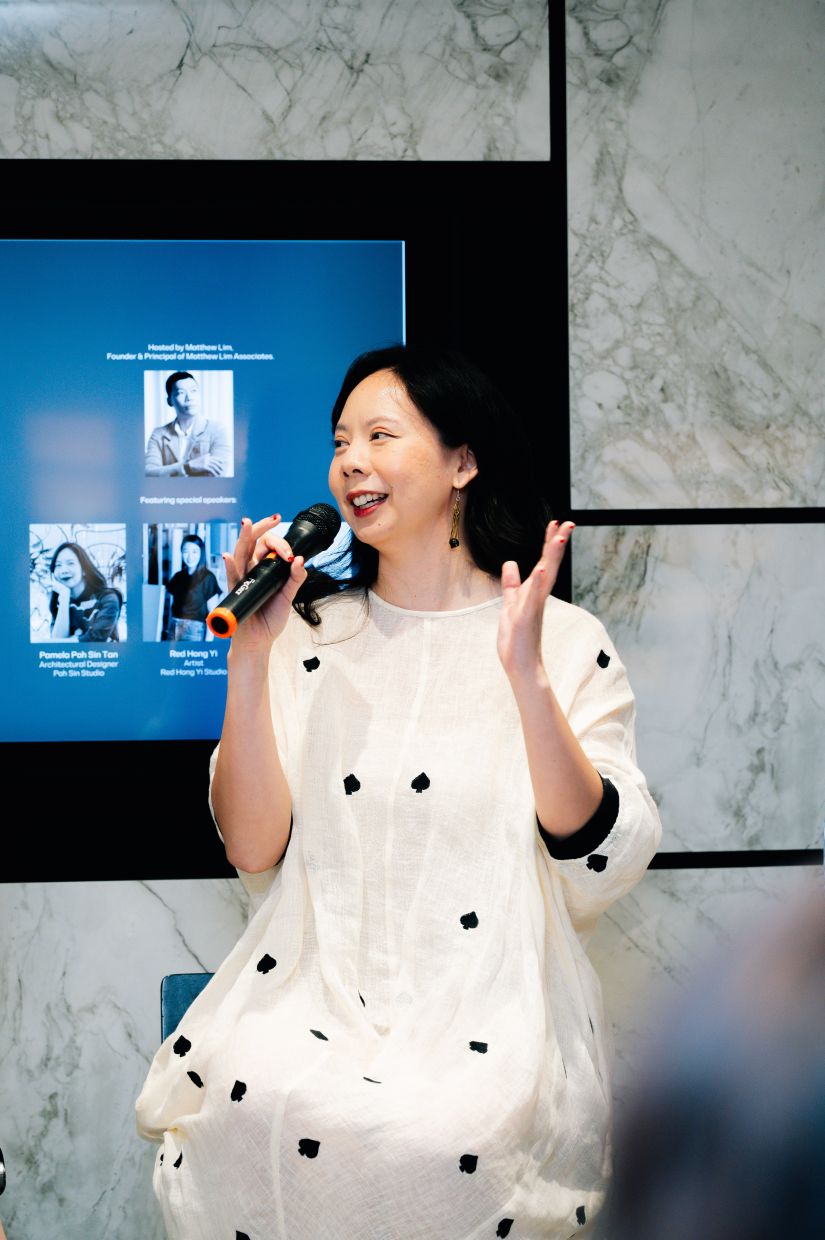
“When everyone involved shares the same vision, it becomes easier to translate imaginative concepts into spaces that are both functional and emotionally resonant.”
As urban living becomes denser and people spend more time indoors – whether at home, in offices or in commercial spaces – the emotional quality of our environments is taking on greater importance.
Spaces that feel cold, chaotic or poorly lit can contribute to stress and fatigue, while those designed with comfort, clarity and sensory richness in mind can enhance mood and productivity.
In this sense, emotional design is not a luxury, but a factor that directly affects daily wellbeing, highlights Lim.
“For Malaysian homeowners, business owners and developers, the takeaway is simple: good design is not just about making a space look impressive. It is about creating environments that support how people live, work and connect with one another.
“When designers begin with empathy and emotion, the resulting spaces tend to feel more authentic, timeless and ultimately, more human,” concludes Lim.
Designing with emotion
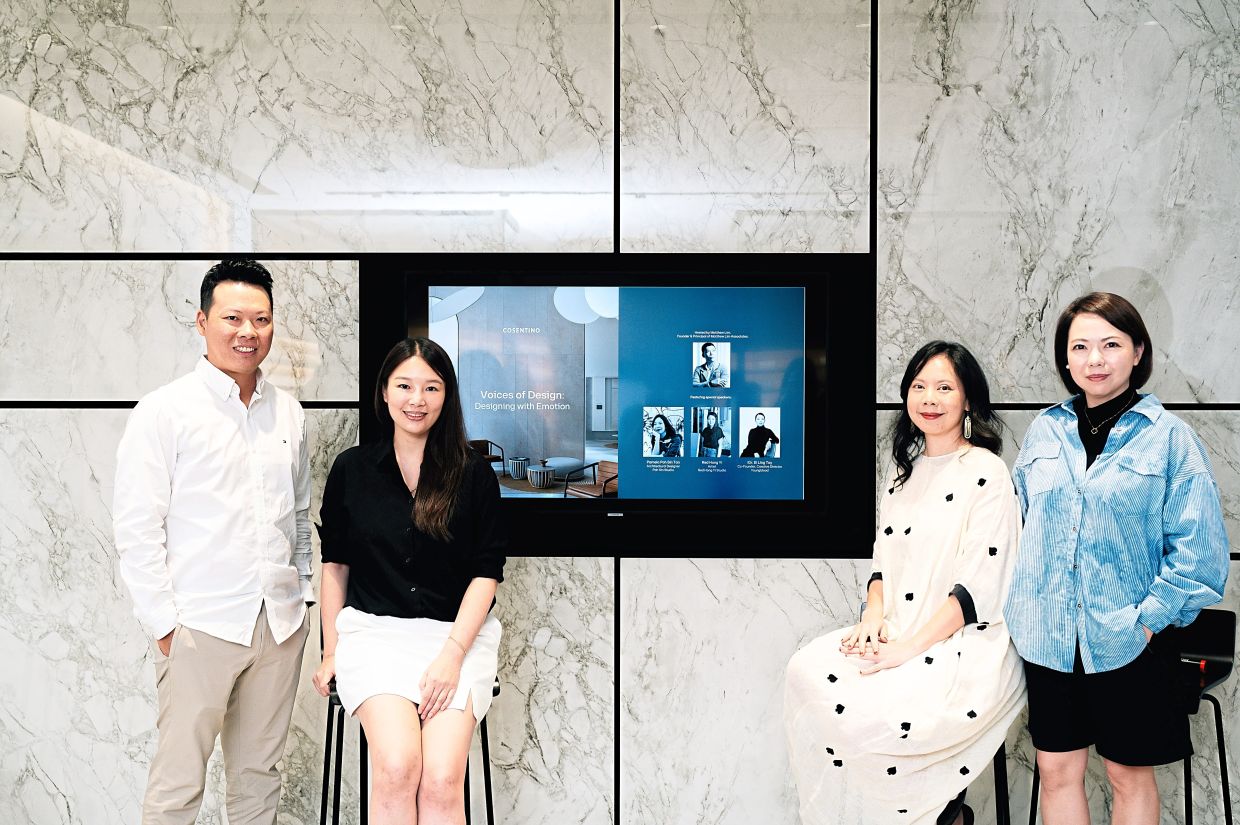
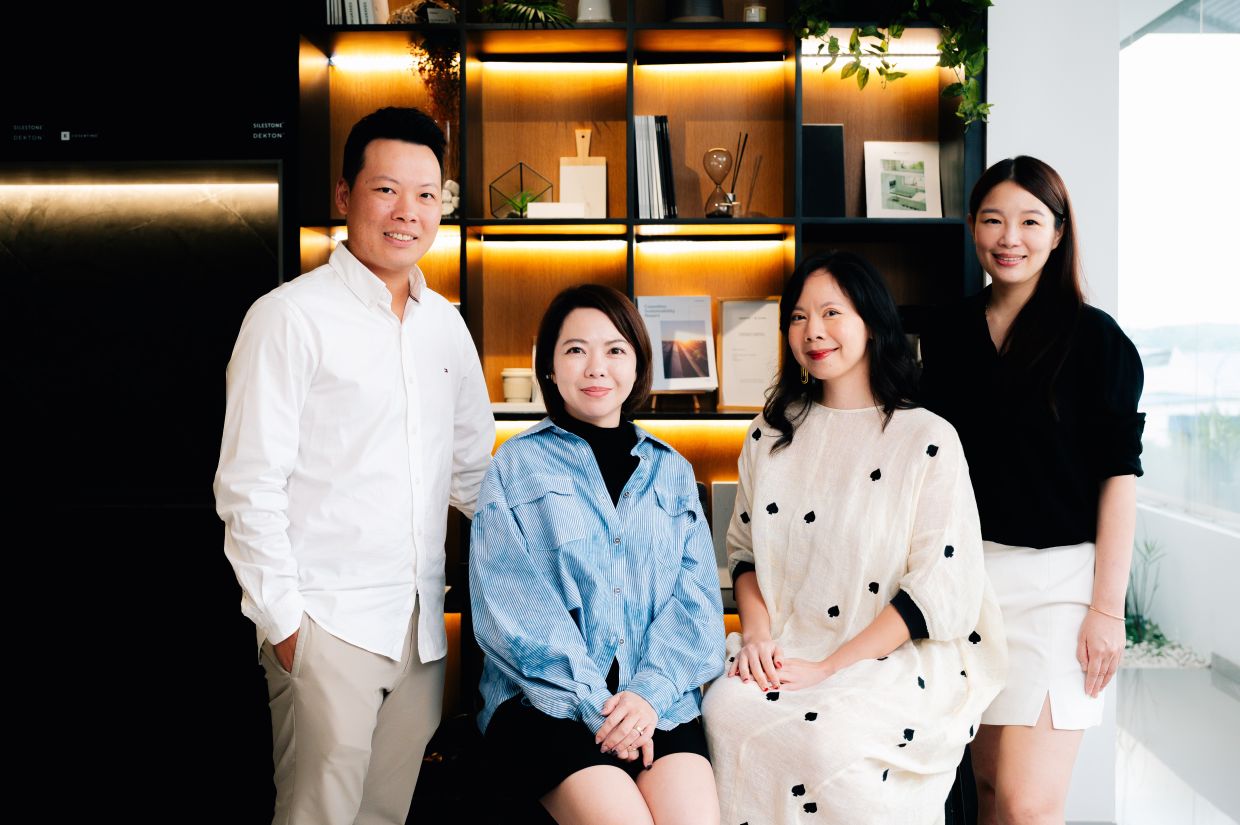
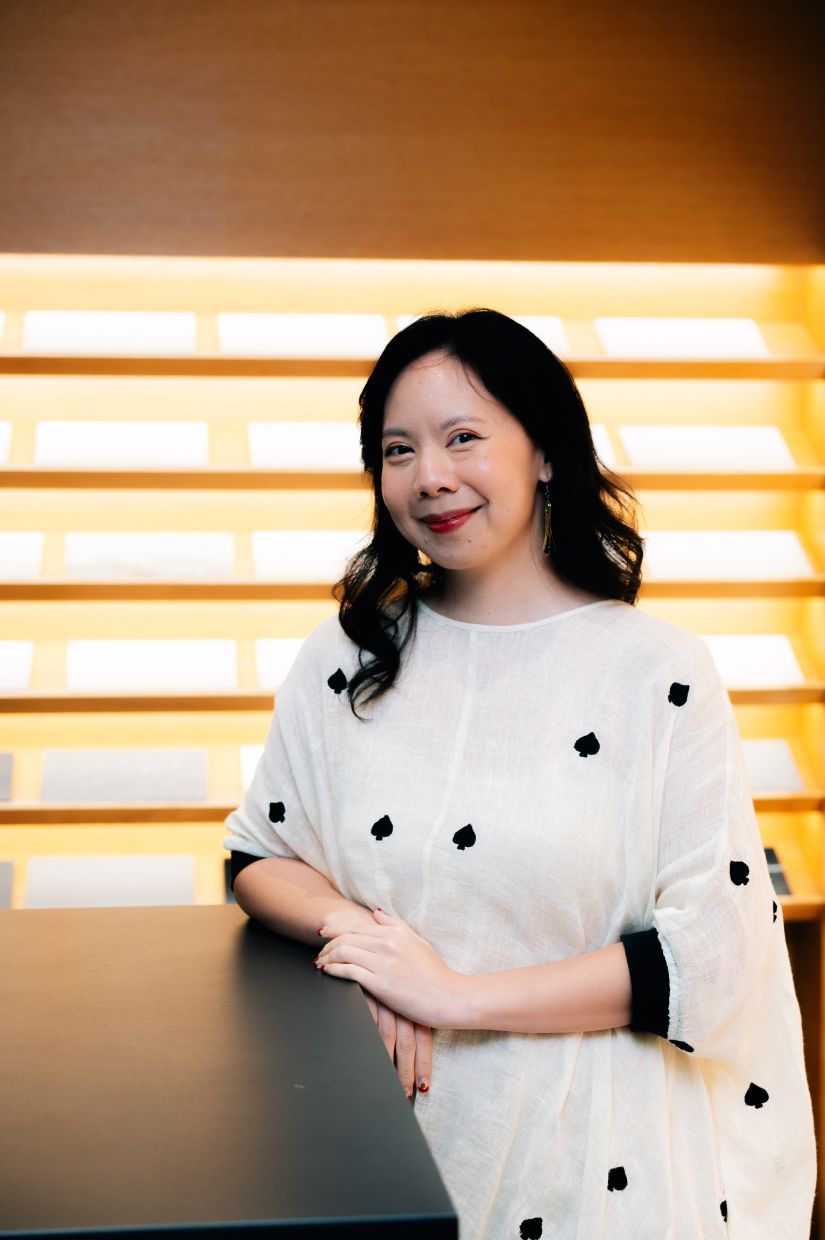
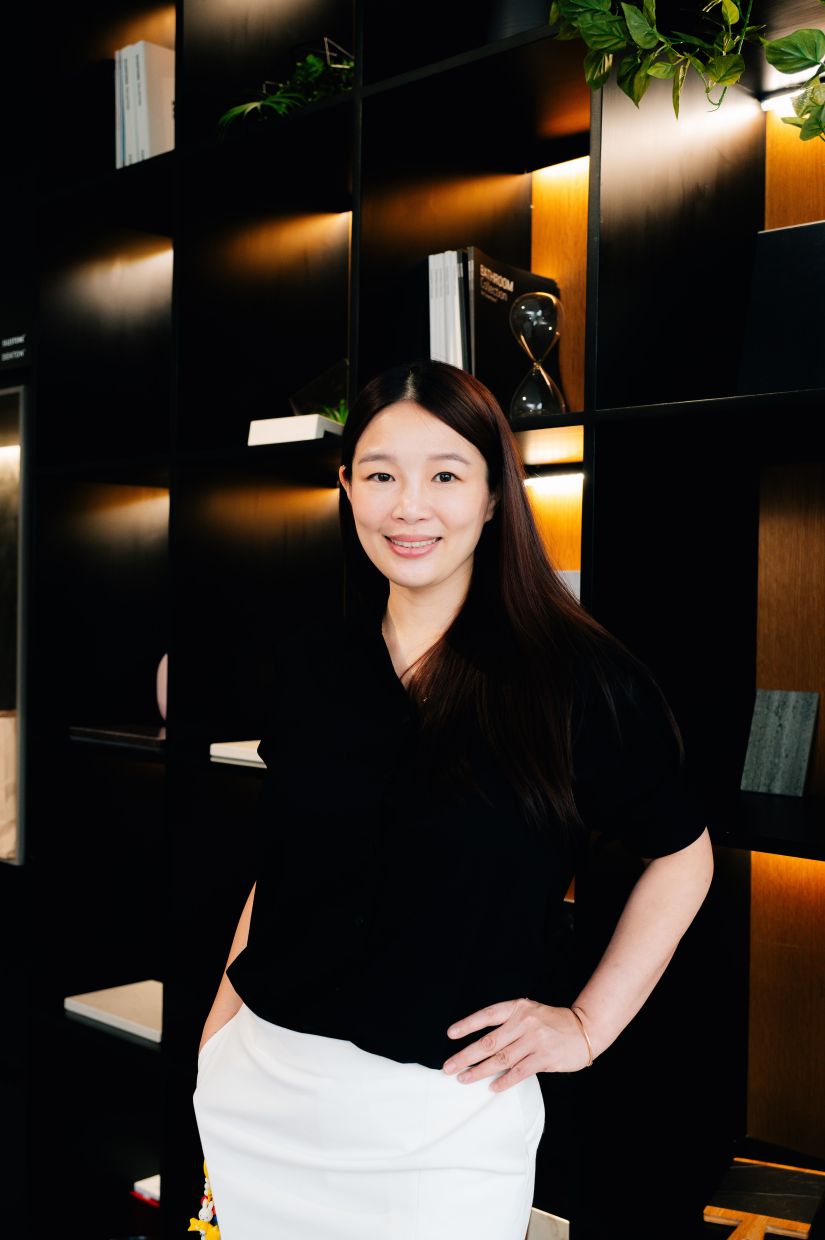
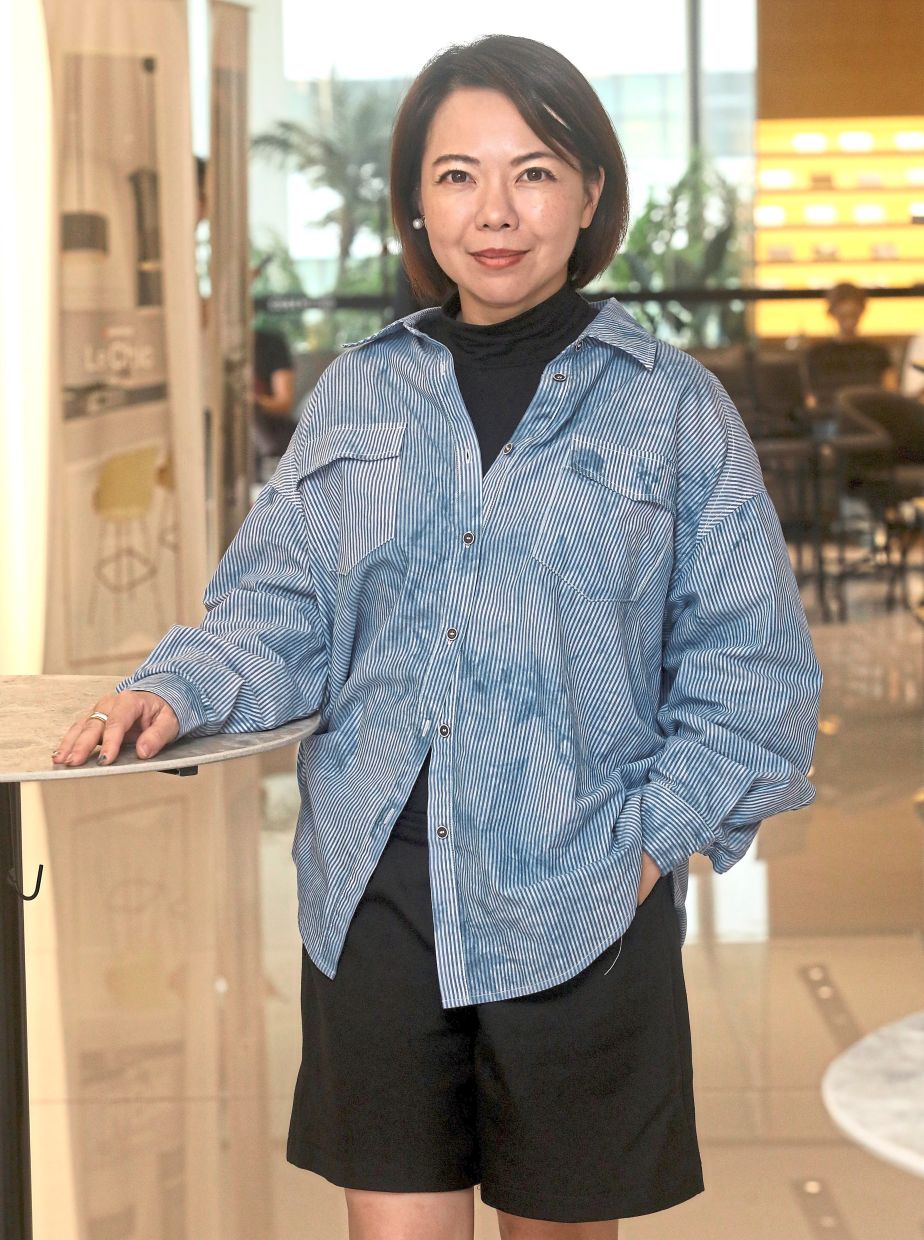
(From left) Lim, Hong, Tan and Tay, the panellists at the event. Photo: Cosentino Malaysia
Panellists at Designing with Emotion event (from left) Lim, Tay, Tan and Hong. Photo: Cosentino Malaysia
One of the most interesting shifts in contemporary design is the growing overlap between art and functional objects such as this Totems bookshelf by Hong using materials from Cosentino. Photo: The Star/Azlina Abdullah
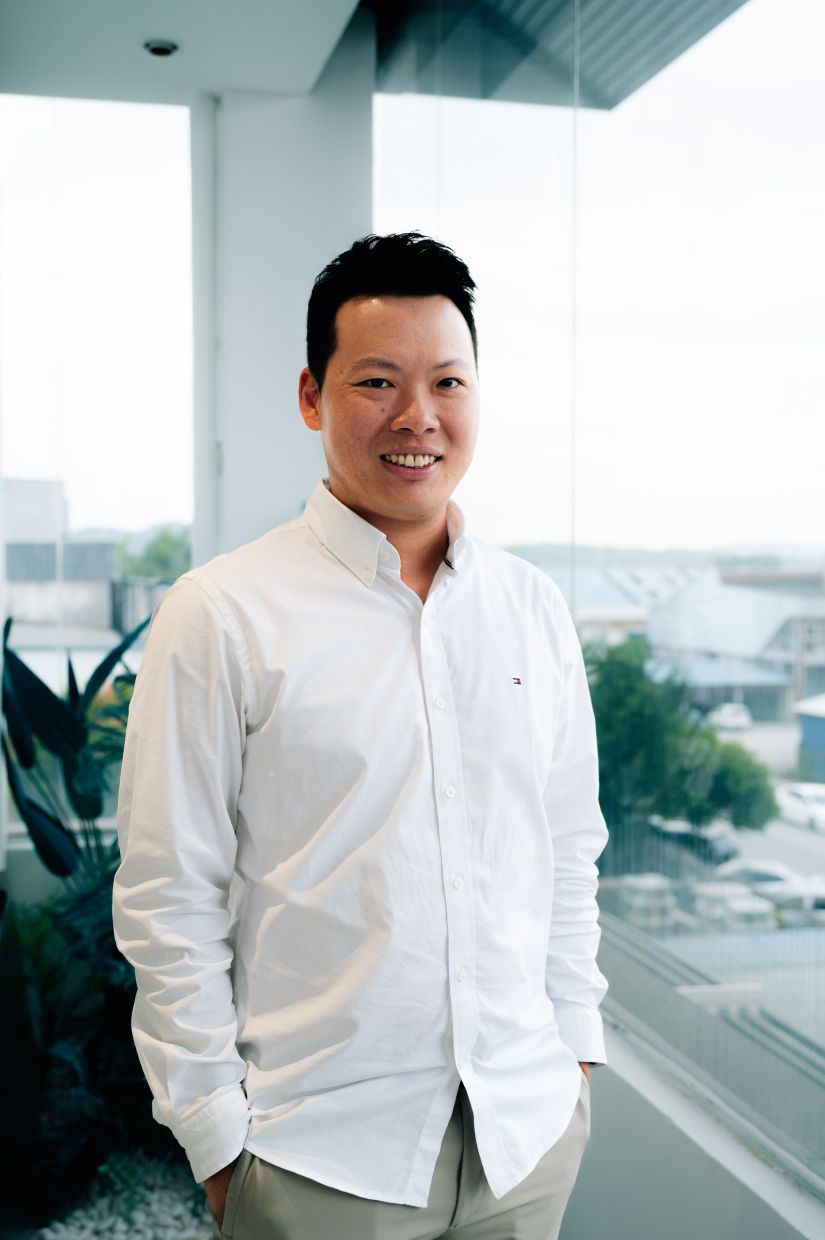
Lim believes that constraints can sometimes lead to more refined and purposeful decisions. Photo: Cosentino Malaysia
For Lim, every project begins with a simple but powerful question: how should this space feel? Photo: Cosentino Malaysia
Tan advocates for closer collaboration between artists and architects. Photo: Cosentino Malaysia
When everyone involved understands not just technical requirements, but also the meaning behind the design, it's easier to translate imaginative concepts into spaces that are both functional and emotionally resonant, says Tan. Photo: Cosentino Malaysia
When art becomes functional, such as my Totems bookshelf that is also a sculpture, people get to live with the artwork rather than simply observe it, says Hong. Photo: Cosentino Malaysia
Hong, known for her experimental use of materials, believes that people today are seeking objects that carry personal meaning and individuality. Photo: Cosentino Malaysia
It’s not just about creating something beautiful. It’s about designing for people and ensuring that a space connects them to the moment and to one another, says Tay. Photo: Cosentino Malaysia
Tay believes the ultimate goal is always to design for people rather than for personal expression or stylistic trends. Photo: The Star/Azlina Abdullah