In many cities today, urban development often follows a predictable formula: ageing districts are cleared, new towers rise, and the local character that once defined the neighbourhood quietly disappears.
Yet in a corner of Tokyo, a different model is taking shape – one that draws from the past while experimenting with the future.
The "Made in South Tokyo" exhibition, recently held in Kuala Lumpur as part of KLAF 2026: Future Culture, offers a glimpse into this alternative approach to urban regeneration.
Showcasing designers, engineers and artists working within Tokyo's Kamata-Omori district, the exhibition reveals how craft, architecture and community collaboration can revitalise neighbourhoods without erasing their identity.
Located on the southern edge of Tokyo near Haneda Airport, the Kamata-Omori area has long been known for its dense network of machikoba – small family-run workshops specialising in skills such as metalworking and precision fabrication.
These modest factories form one of the city's largest clusters of small-scale manufacturing, where generations of knowledge continue to shape everyday production.
At the same time, the area faces pressures confronting much of Japan today: an ageing population, changing industrial structures and a rising number of vacant buildings.
Nationwide, the vacancy rate of homes has climbed to about 13.8% (as at 2024), leaving millions of properties unused. Rather than seeing these spaces as signs of decline, however, a group of architects, designers and planners in South Tokyo have begun treating them as opportunities.
At the heart of this transformation is Koca, a creative hub and incubation space established in 2019 beneath an elevated railway line in Kamata. The project is operated by @Kamata, a design-led urban development company that focuses on reconnecting the neighbourhood’s dispersed resources – spaces, people and skills – into a cohesive creative environment.
"We’re trying to bring new value to Tokyo," explained Yutaro Muraji, co-founder and CEO of Koca@Kamata and curator of the exhibition. "This isn’t about big developments by major developers for modernisation, but more like natural, organic development."
The initiative began with modest interventions: renovating 50-year-old buildings into offices, transforming empty ground-floor apartments into neighbourhood shops, and converting unused units into co-working spaces. Even vacant warehouses were temporarily repurposed as galleries.
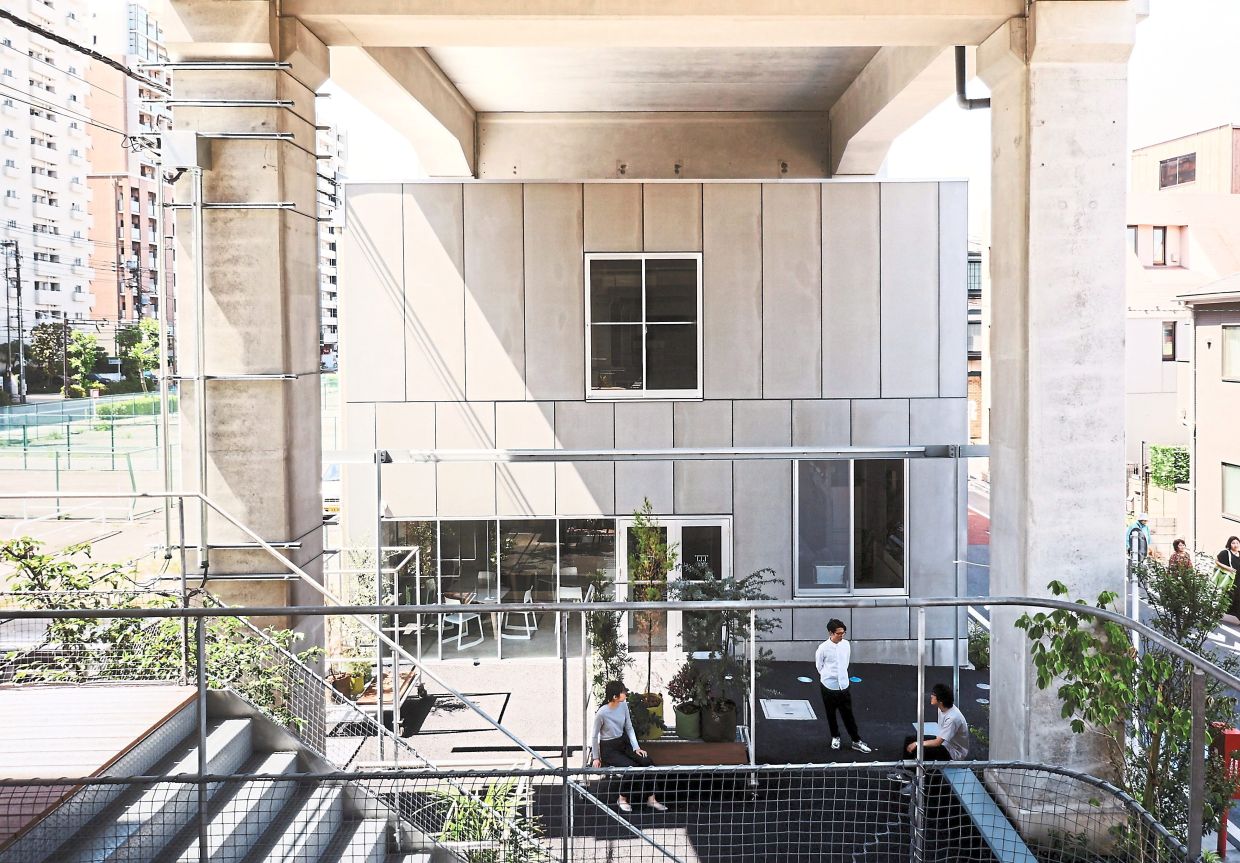
One particularly unusual space – an empty strip beneath a railway line – eventually became Koca itself, a creative workspace where designers, engineers and small manufacturers now work side-by-side.
Today, the hub hosts workshops, collaborative programmes and events, including activities for children to learn how to reuse materials. More importantly, it acts as a bridge between two communities that rarely intersect: contemporary designers and traditional factory owners.
"Creators and designers visit the small factories, and the factory owners learn from them too," Muraji said. "It’s not just about making new products; it’s about stimulating discourse, new ideas and mutual growth."
The exhibition in Kuala Lumpur highlights four projects developed through FFF Tokyo, an incubation programme launched in 2025 that supports creators working across design, architecture and fabrication.
Unlike conventional design programmes that focus primarily on market-ready products, FFF encourages experimentation. Participants are supported not only in prototyping ideas but also in developing sustainable production models that can eventually scale beyond one-off artworks.
Across the diverse works presented – from lighting installations to structural systems – three shared attitudes emerge: a deep exploration of materials, a commitment to experimentation, and a focus on redesigning the very process of making.
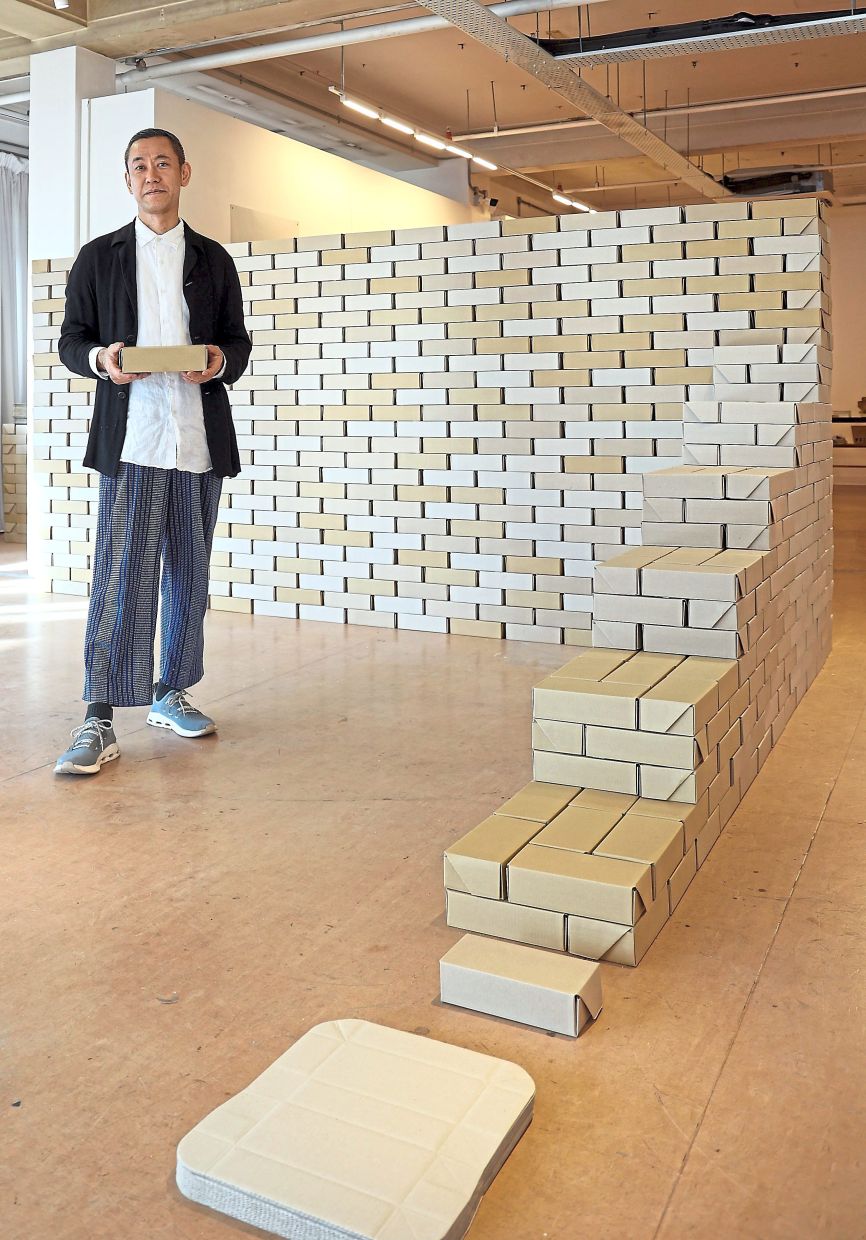
One of the most thought-provoking projects comes from interdesign artist Makoto Orisaki, who describes himself as a "cardboard sociologist". His work centres on an unconventional cardboard box that can be folded from a single sheet without cuts.
At first glance, it appears to be a simple packaging innovation. Yet Orisaki attaches a deeper philosophy to the design.
"I wanted to make a product without cuts or divisions," he explained during the exhibition. "Because the cuts reflect conflicts in society."
By eliminating those cuts, the box becomes a metaphor for unity – an object where all parts remain connected in one continuous sheet. It also challenges how designers think about everyday materials that are often overlooked.
Other designers explore similarly unconventional approaches to materials.
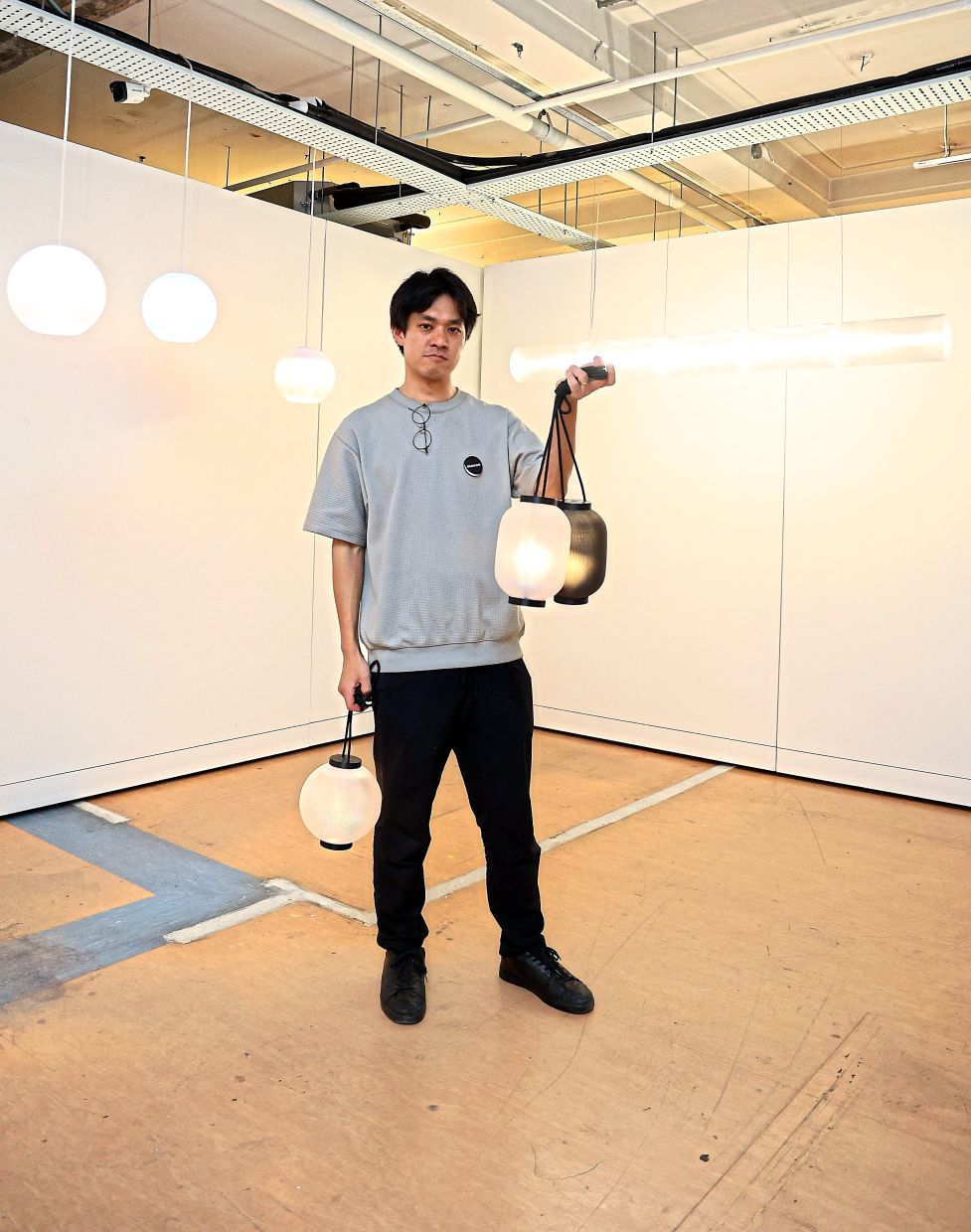
Lighting designer Yuta Murayama of Monon combines architectural lighting expertise with 3D printing technology to produce fixtures that respond to human movement and the surrounding environment. Rather than focusing solely on brightness or form, the designs consider how light shapes the experience of a space.
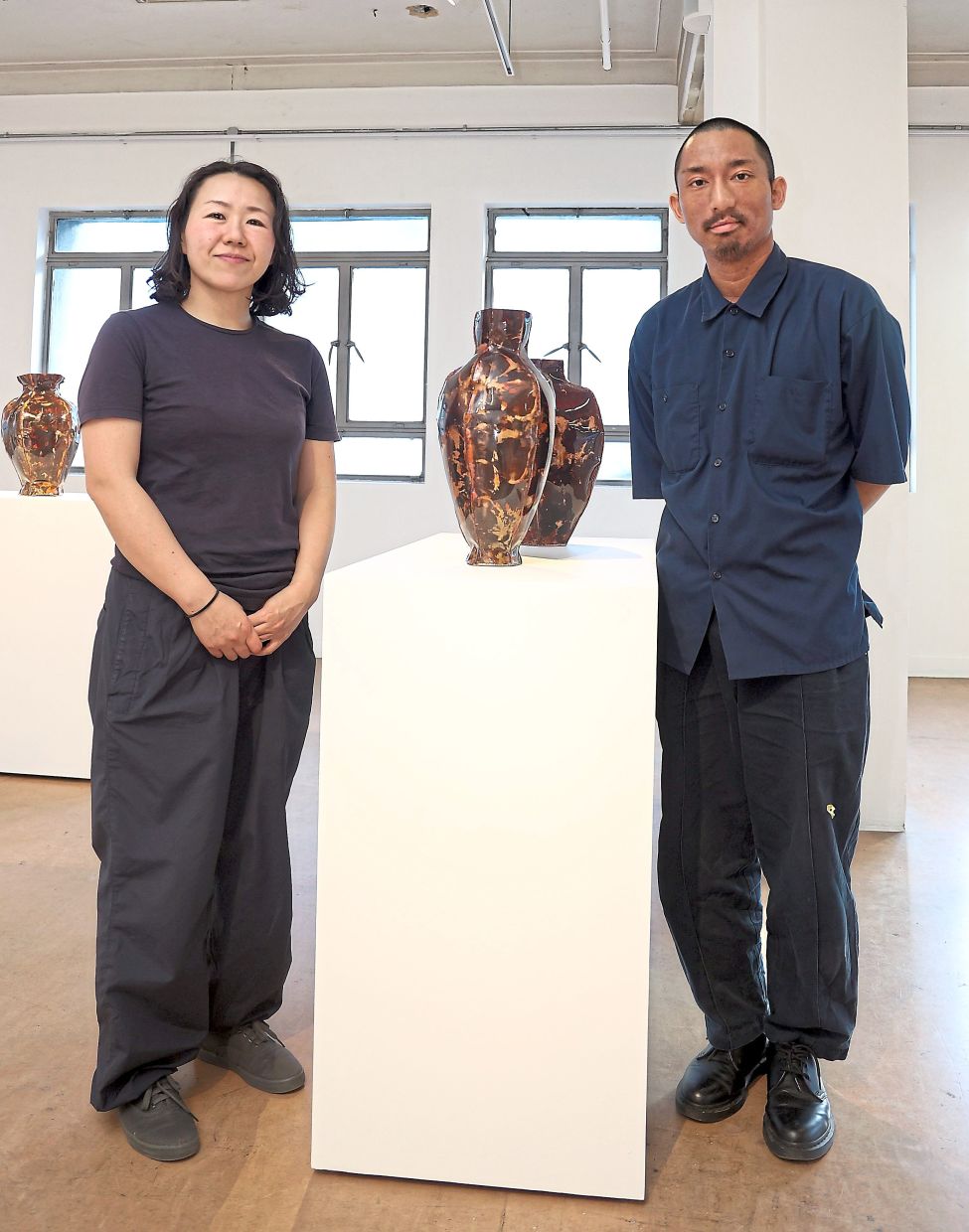
Meanwhile, Yachiyo Kawana and Yoichiro Hatanaka of Yochiya design studio experiment with copper to create organic vessels that blur the boundary between product and artwork. Heated to high temperatures and shaped partly by water pressure, each piece emerges through a collaboration between human craft and natural forces, ensuring no two objects are identical.
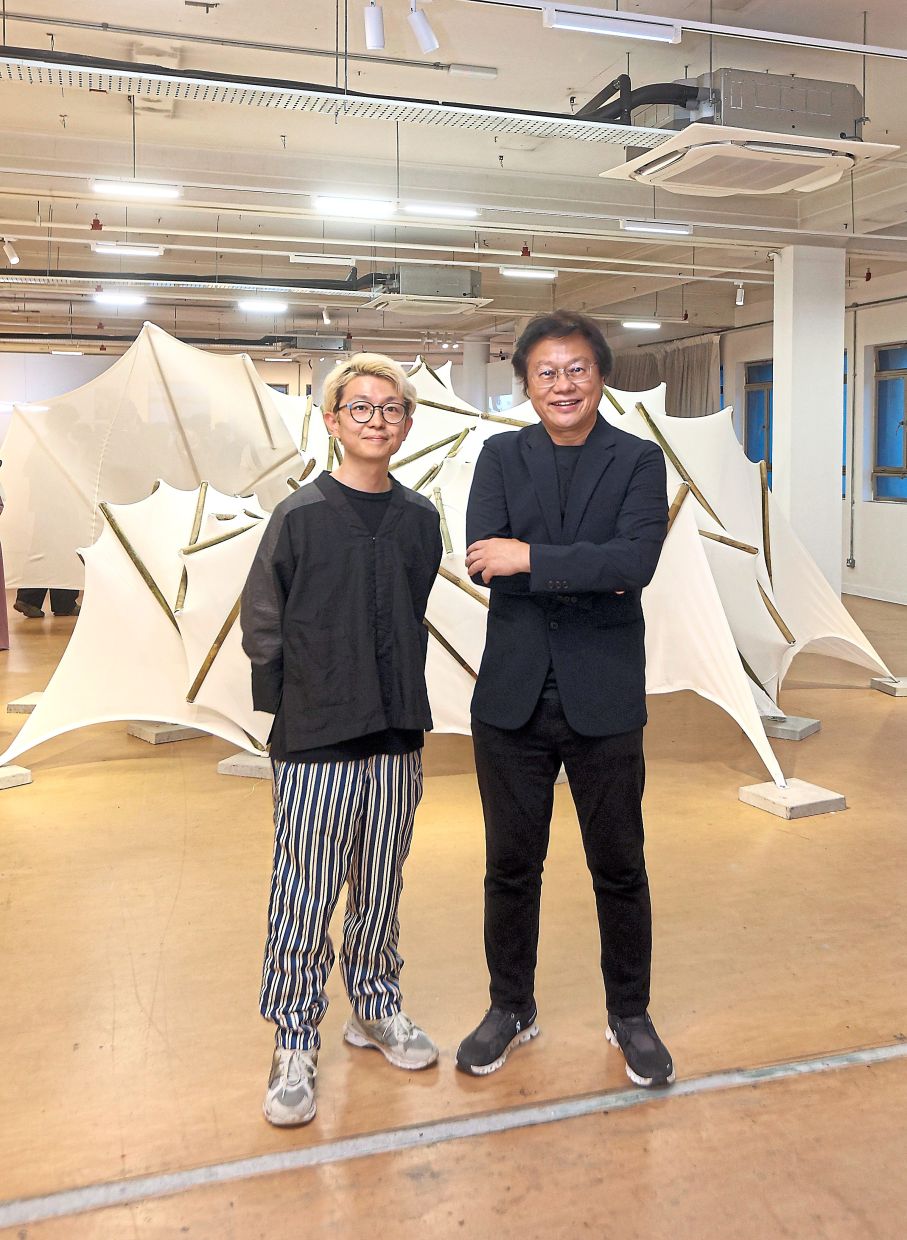
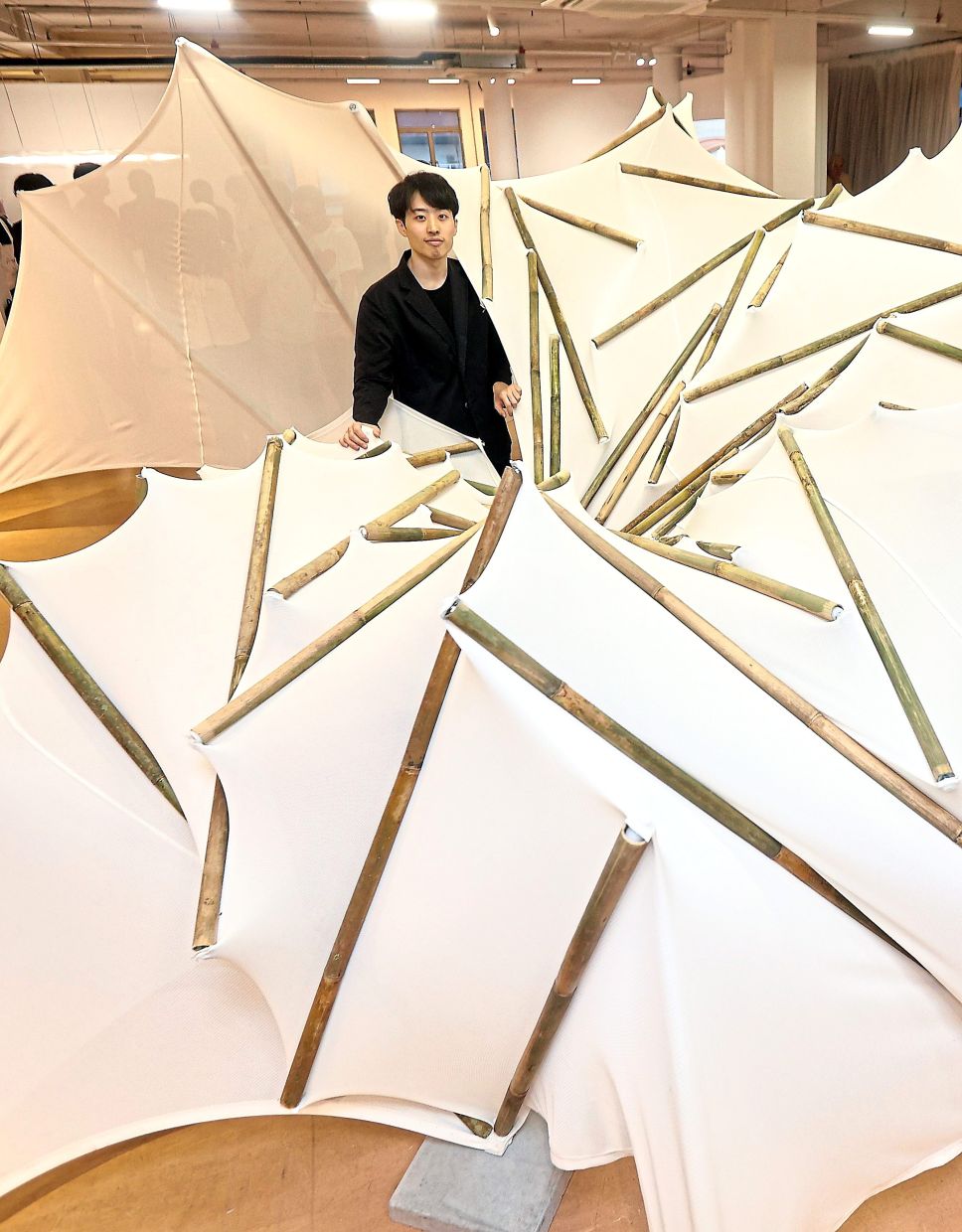
Structural engineer Yuta Shimoda takes inspiration from origami geometry to develop lightweight architectural structures. For the Kuala Lumpur exhibition, he created a pavilion using a membrane tensegrity system – similar in principle to folded paper structures – but constructed with bamboo sourced from Malaysian forests.
"I'm happy to combine Japanese structural design with Malaysian materiality," Shimoda said, highlighting the potential for cross-cultural collaboration in architecture and design.
For the Malaysian audience, the exhibition offers more than a showcase of experimental design; it invites reflection on how cities nurture creativity.
Architect Dr Tan Loke Mun, founder of UR-MU (Urban Museum) in Kuala Lumpur – which hosted the event – believes an exhibition like this can influence the trajectory of architecture and urban development.
"Art and architecture can change a city and also a nation," he said during the event launch.
Japan's architectural influence on Malaysia is already well established. The late Kisho Kurokawa, a leading figure of the Metabolist movement, famously designed Kuala Lumpur International Airport with the concept of an "airport in the forest" – a vision that blended high-tech infrastructure with nature, noted Tan.
Today, a younger generation of Japanese creators is continuing that tradition of experimentation, but with a renewed emphasis on collaboration, sustainability and community, he added.
As Japanese Ambassador to Malaysia Shikata Noriyuki – who officiated the event – noted, the Kamata initiative demonstrates "a new model of the city", one where residences, small enterprises and factories coexist while supporting creative production.
And perhaps a powerful lesson from South Tokyo is this: meaningful urban change does not always begin with sweeping masterplans or billion-dollar investments.
Sometimes, it starts with something far smaller – a vacant building repurposed into a shared workspace, or even a humble cardboard box reimagined through design, concluded Noriyuki.
Lessons from a creative locality
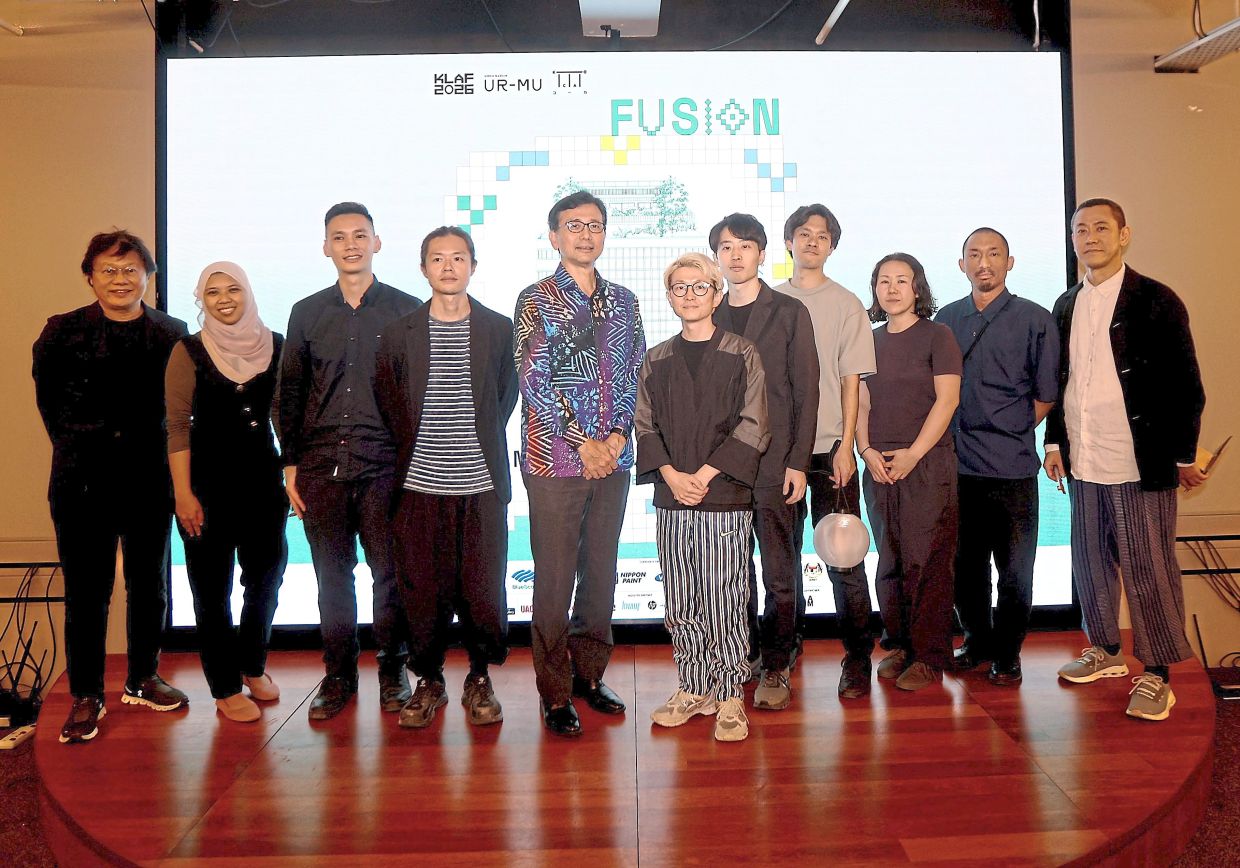
(from left) Dr Tan Loke Mun, convenor architect Farah Yusof, KLAF2026 chief curator Rien Tan, Lim Gim Huang, Shikata Noriyuki, Yutaro Muraji, Yuta Shimida, Yuta Murayama, Yachiyo Kawana, Yoichiro Hatanaka and Makoto Orisaki.
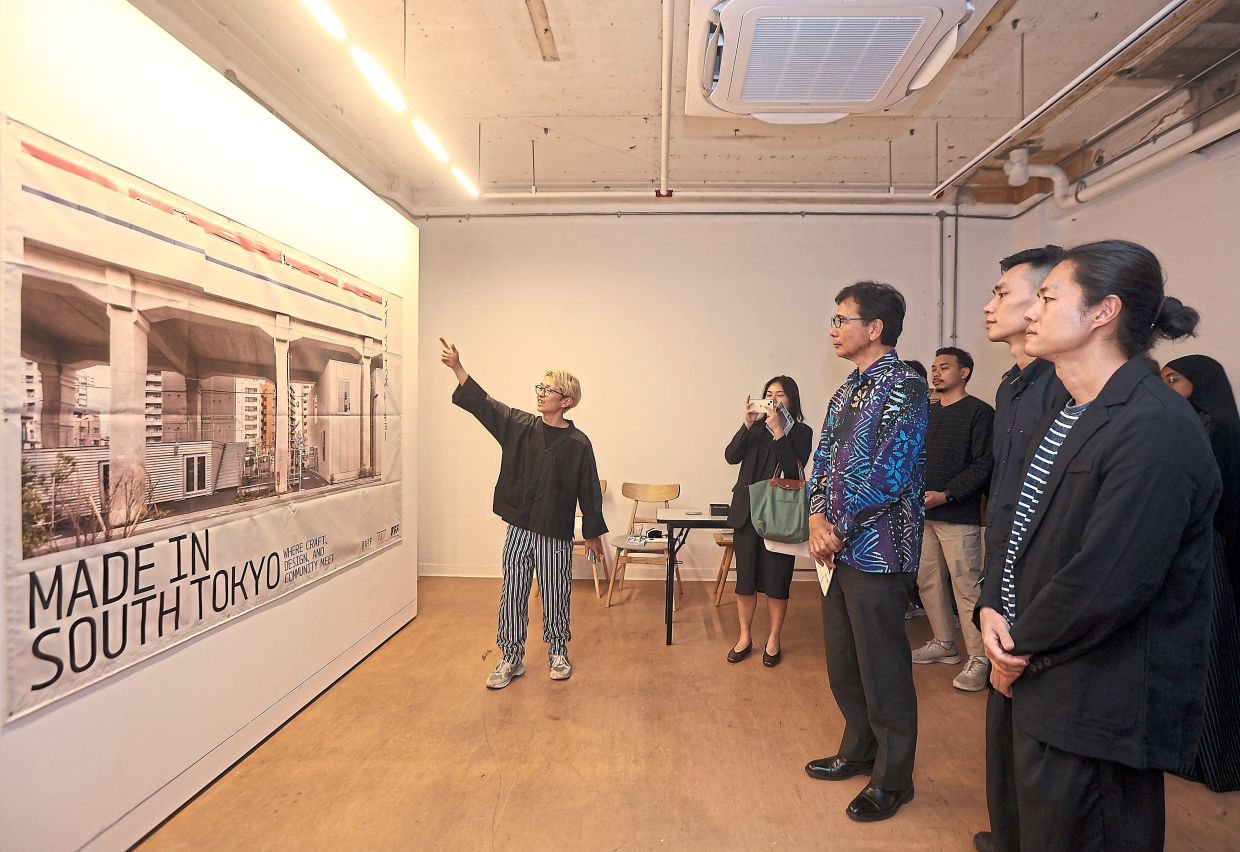
Muraji (left) giving guests, including (from right) Lim, Tan and Noriyuki, a tour of the exhibition.
A photo at the exhibition showing Koca@Kamata, a creative hub and incubation space established in 2019 beneath an elevated railway line in South Tokyo.
(from left) Muraji and Tan in front of the pavilion created by structural engineer Shimoda using a membrane tensegrity system but constructed with bamboo sourced from Malaysian forests.
Kawana (left) and Hatanaka of Yochiya design studio experiment with copper to create organic vessels that blur the boundary between product and artwork.
Interdesign artist Orisaki developed an unconventional cardboard box that can be folded from a single sheet without any cuts, as a metaphor for unity.
For the Kuala Lumpur exhibition, structural engineer Shimoda created a pavilion using a membrane tensegrity system and bamboo sourced from Malaysian forests.
Lighting designer Murayama combines architectural lighting expertise with 3D printing technology.