Architecture stepped out of studios and into public life at the recent Kuala Lumpur Architecture Festival (KLAF) 2026 launch held at RexKL, setting the tone for a year-long celebration of design, culture and community.
Organised by the Malaysian Institute of Architects (PAM), KLAF 2026 – themed "Future Culture" – positions architecture as not just a professional discipline but a shared cultural language shaped by memory, identity and everyday experience.
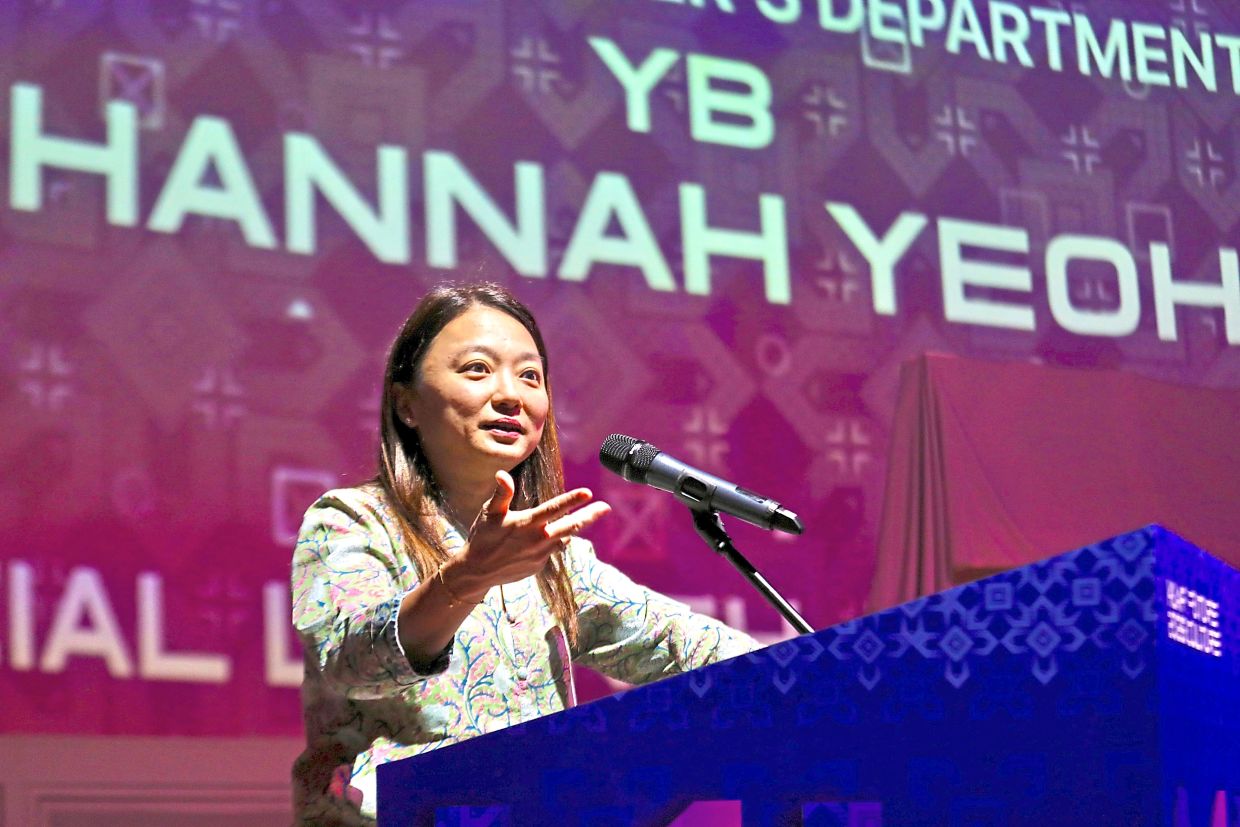
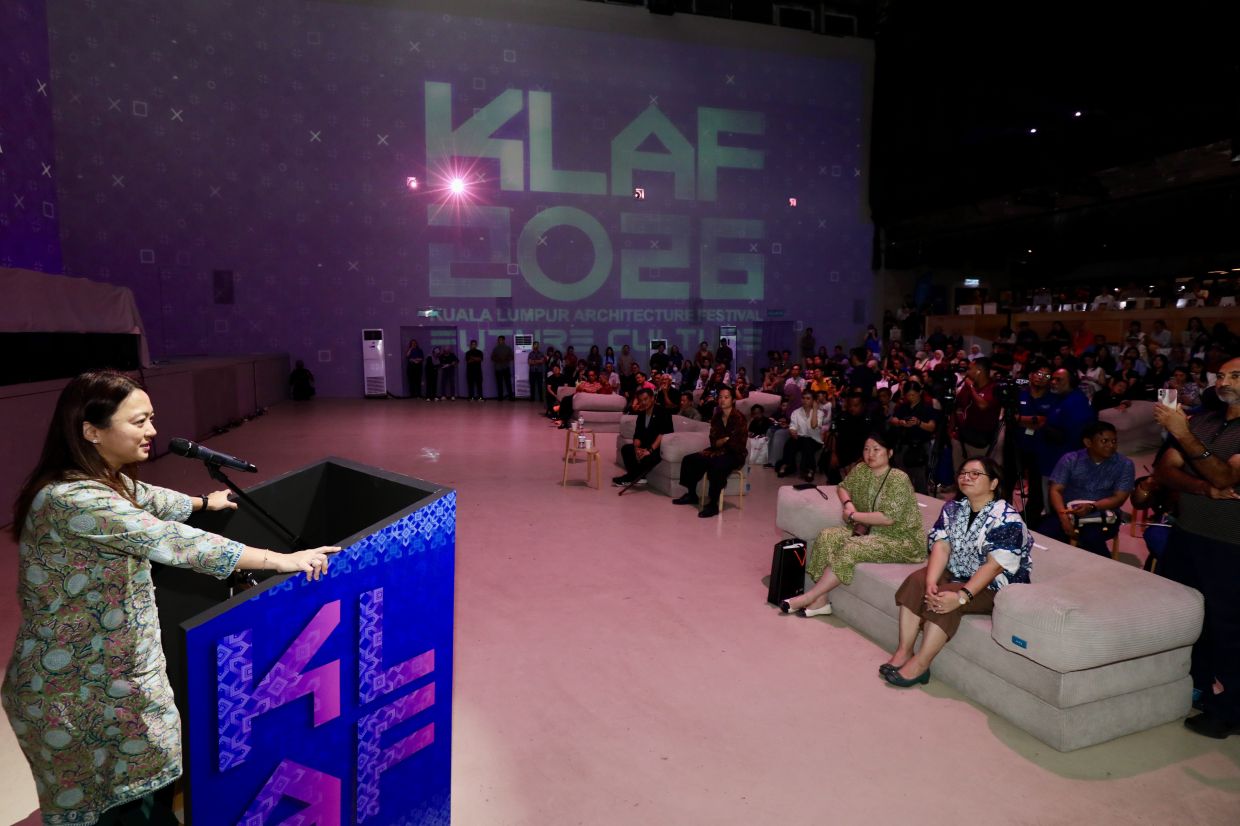
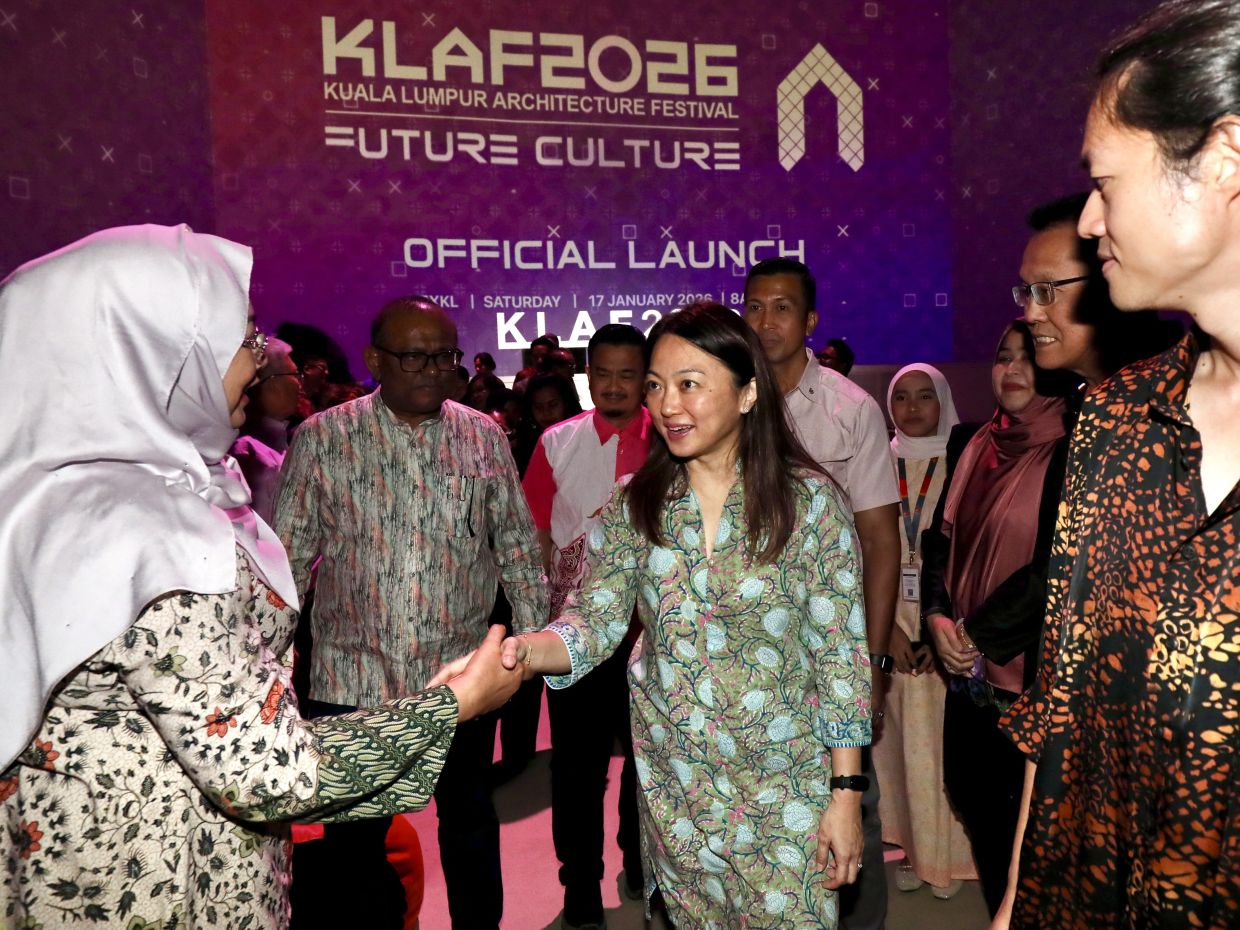
Officiated by Minister in the Prime Minister's Department (Federal Territories) Hannah Yeoh, the launch marks her first public appearance in her new portfolio, and the festival’s relevance to Kuala Lumpur as a living city.
In her address, Yeoh emphasises that architecture plays a crucial role beyond aesthetics or function.
"It is important that buildings and spaces reflect society, heritage and everyday life," she says. "KLAF 2026 brings architecture into public view, reminding us that design is not just about buildings, it's about community, culture and a sense of belonging."
That principle is at the heart of "Future Culture". Instead of moving away from the past, KLAF 2026 frames the future as an extension of collective memory – where heritage, technology, sustainability and social values intersect.
"In architecture, future culture refers to how cities evolve by carrying memory forward – balancing heritage with innovation, technology with humanity, and progress with cultural identity," says PAM president Adrianta Aziz.
"It asks how spaces can remain meaningful in a rapidly changing world through design that is inclusive, sustainable and rooted in lived experience."
Adrianta says KLAF 2026 is an intentional effort to "festivalise architecture", making it visible, accessible and relevant to everyday Malaysians.
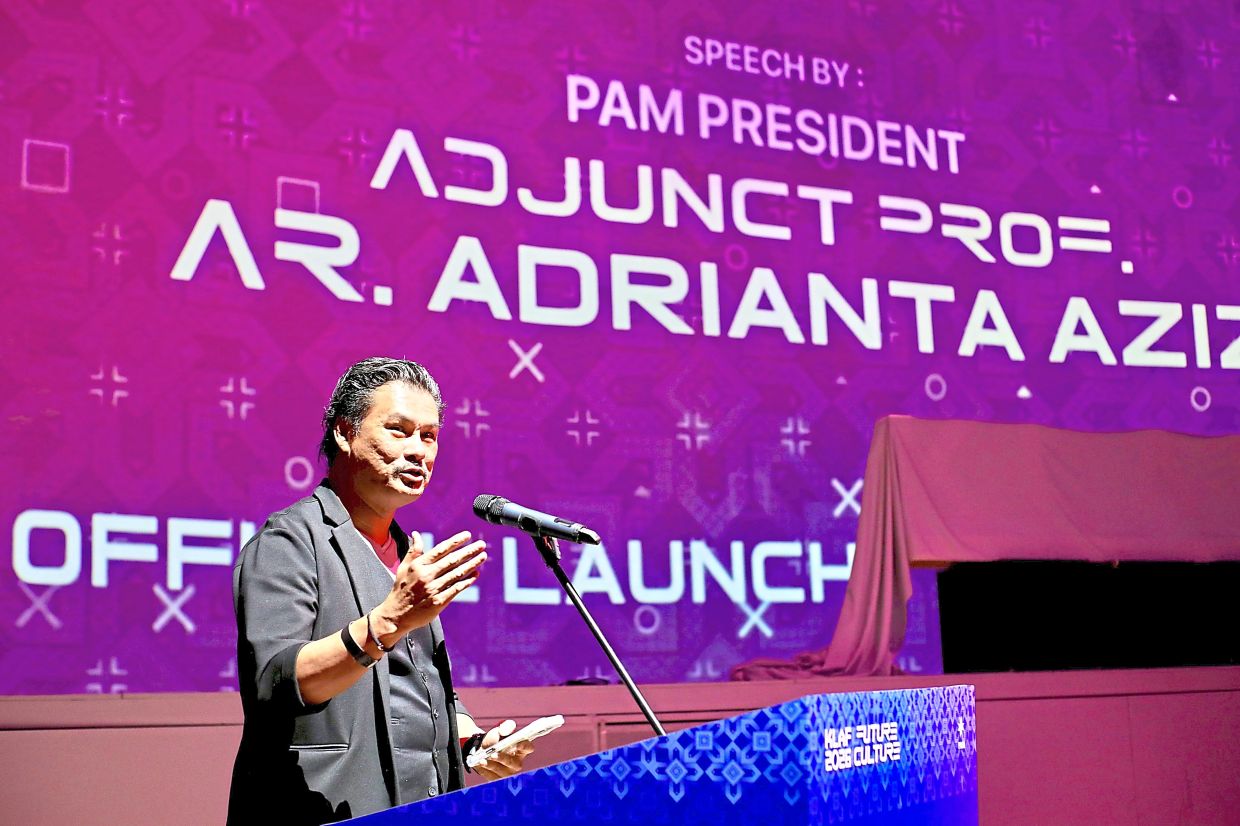
"Architecture arises from the people, is rooted in memory, and reaches out with hope for tomorrow," he says. "It's not just a festival for architects only, but a festival with the city and its people."
This inclusive approach is reflected in the festival's scale and reach.
It brings together professionals, students, industry players and the public through forums, exhibitions, installations, competitions and city activations, but with a difference this year.
While the festival begins in Kuala Lumpur, it will expand nationwide through PAM's Northern, Southern, East Coast, Sabah and Sarawak chapters.
For the first time, the festival will also take place in Terengganu, Penang, Johor, Sabah and Sarawak as part of a nationwide tour.
By activating different parts of the city and collaborating with creatives, communities and businesses, the festival also functions as an economic and cultural catalyst, encouraging people to rediscover the city through new perspectives, says Adrianta.
KLAF 2026 director Lim Gim Huang describes the festival as a shift from talking about architecture to actively practising it.
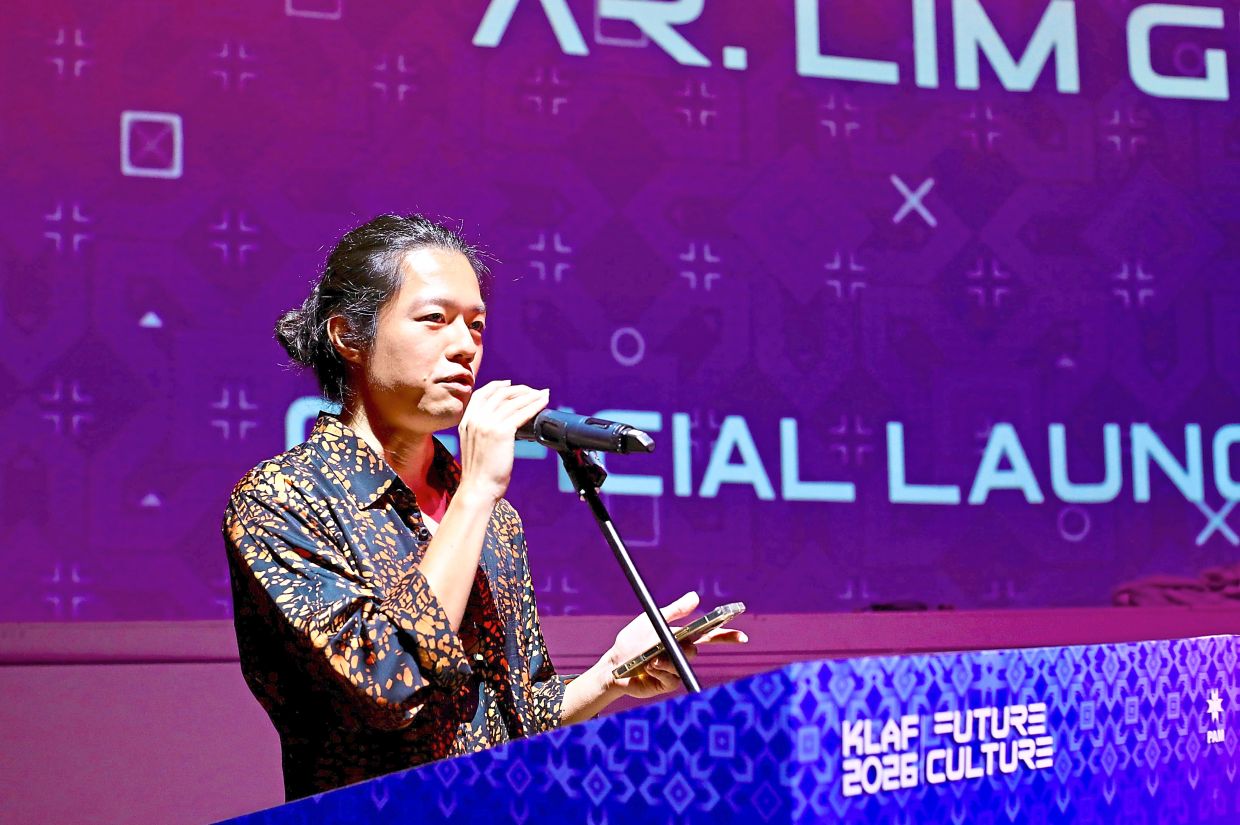
"We've evolved from discussing architecture in conferences, to reflect and become part of architecture itself," he says, pointing to RexKL as an example of adaptive reuse that embodies concept, context and content.
"Future culture is what makes architecture come alive today, and what we do now shapes what culture becomes in the future."
Central to this vision is the belief that people are at the heart of culture.
"We want to promote not just buildings, but their history, context and cultural value. People are the core," Lim adds.
This people-centric approach is reflected in KLAF 2026’s design competitions, some which are open to the public.
They include a Batik Design Competition exploring contemporary interpretations of tradition; a pavilion design challenge for Titiwangsa Pavilion 3.0 inspired by games and nature; and the Brown-Build Urban Renewal Ideas Competition focused on adaptive reuse in Kuala Lumpur.
All submissions are managed digitally through the KLAF app, making participation more accessible, says KLAF 2026 chief curator Rien Tan.
Under his curatorial direction, KLAF 2026 places strong emphasis on sustainability, innovation and inclusivity – from climate-responsive design and material experimentation to the role of AI and digital tools in architecture.
These conversations will culminate in the DATUM:KL Conference in July, featuring internationally recognised speakers, while continuing through regional programmes across Malaysia.
Aligned with Visit Malaysia 2026 and supported by Tourism Malaysia, KLAF 2026 also places architecture as a driver of cultural tourism and long-term urban vibrancy.
"Architecture, when celebrated thoughtfully, has the power to energise tourism, culture and urban vitality," says Adrianta.
Yeoh calls for collaboration, pledging RM20,000 to PAM and making a public invitation to architects to work alongside policymakers in reshaping Kuala Lumpur.
Highlighting the need to reimagine public spaces, housing and amenities in ways that respond to real lifestyles and needs, Yeoh says there is a need to provide public housing for those who can't afford architects, improve public toilets for locals and tourists, and build public shower facilities to encourage more Malaysians to embrace healthy living.
Yeoh notes that reshaping Kuala Lumpur requires courage, collaboration and imagination – qualities the festival hopes to inspire, particularly among younger Malaysians.
As KLAF 2026 unfolds over the coming months, its goal is clear: to inspire a new generation to see architecture as a meaningful tool for shaping daily life.
Or as Adrianta aptly concludes, "Future culture – from memory to movement, architecture shifts cities, lives and our shared tomorrow."
Reimagining the city
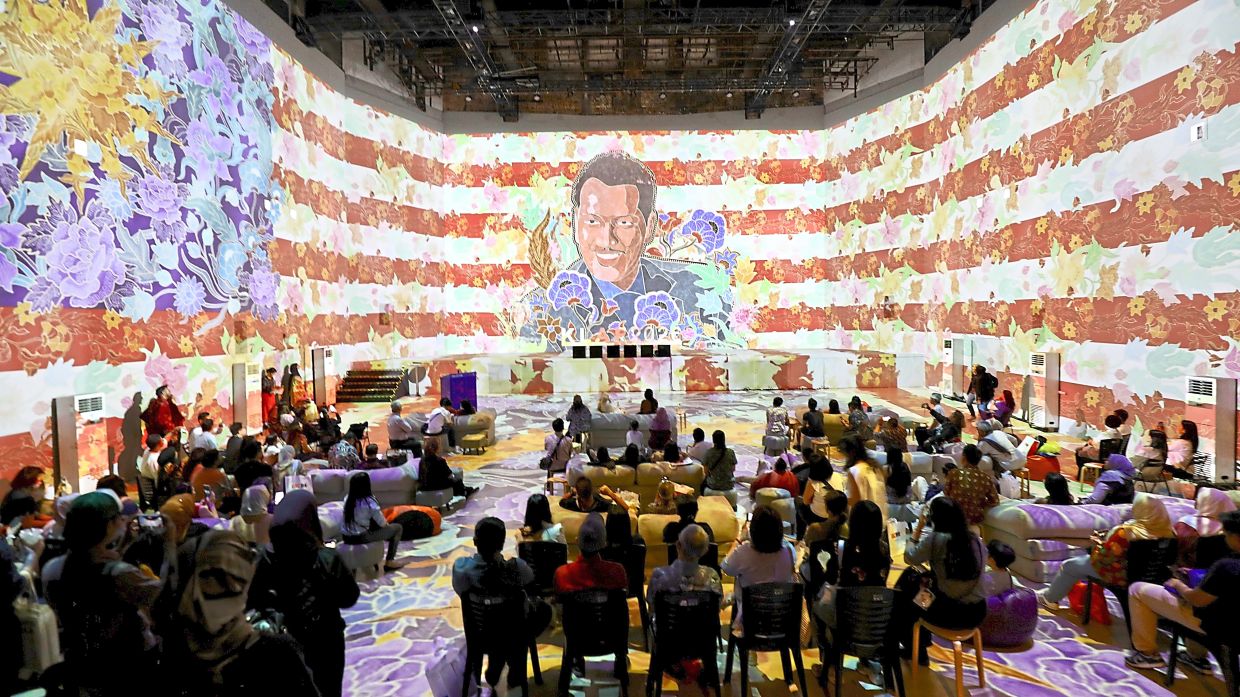

The Hanya Batik immersive art experience at the KLAF 2026 launch.
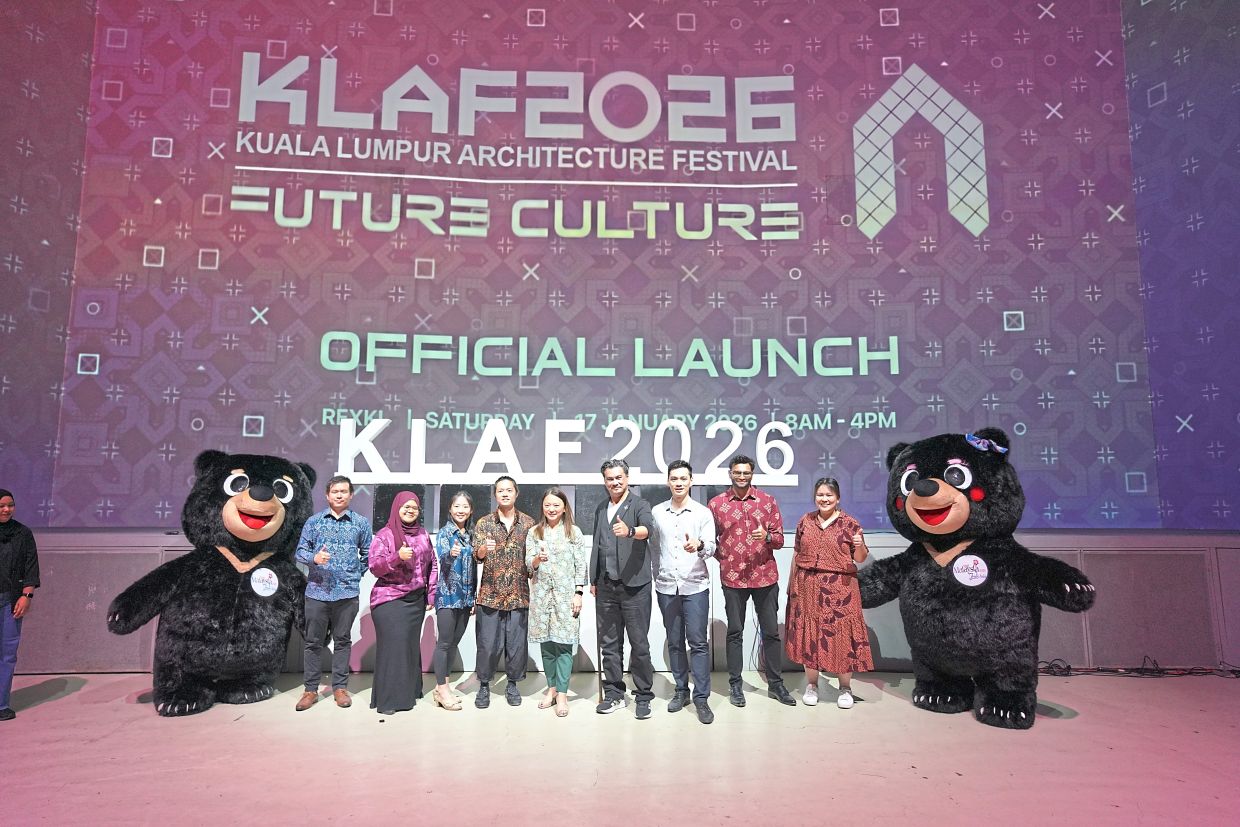
Flanked by Visit Malaysia 2026 mascots Wira and Manja, Yeoh (centre), Lim (fourth from left), Adrianta (fourth from right) and Tan (third from right), at the launch. Photo: Kuala Lumpur Architecture Festival 2026
KLAF 2026 brings architecture into public view, reminding us that design is not just about buildings but also about community, culture and a sense of belonging, says Yeoh.
Adrianta says KLAF 2026 is an intentional effort to 'festivalise architecture', making it visible, accessible and relevant to everyday Malaysians.
We've evolved from discussing architecture in conferences, to reflect and become part of architecture itself, says Lim, pointing to RexKL as an example of adaptive reuse that embodies concept, context and content.
(From left) Tan and Lim introducing the KLAF 2026 Passport as interactive engagement where visitors can collect event stamps and unlock exclusive rewards throughout the year-long festival. Photo: Kuala Lumpur Architecture Festival 2026
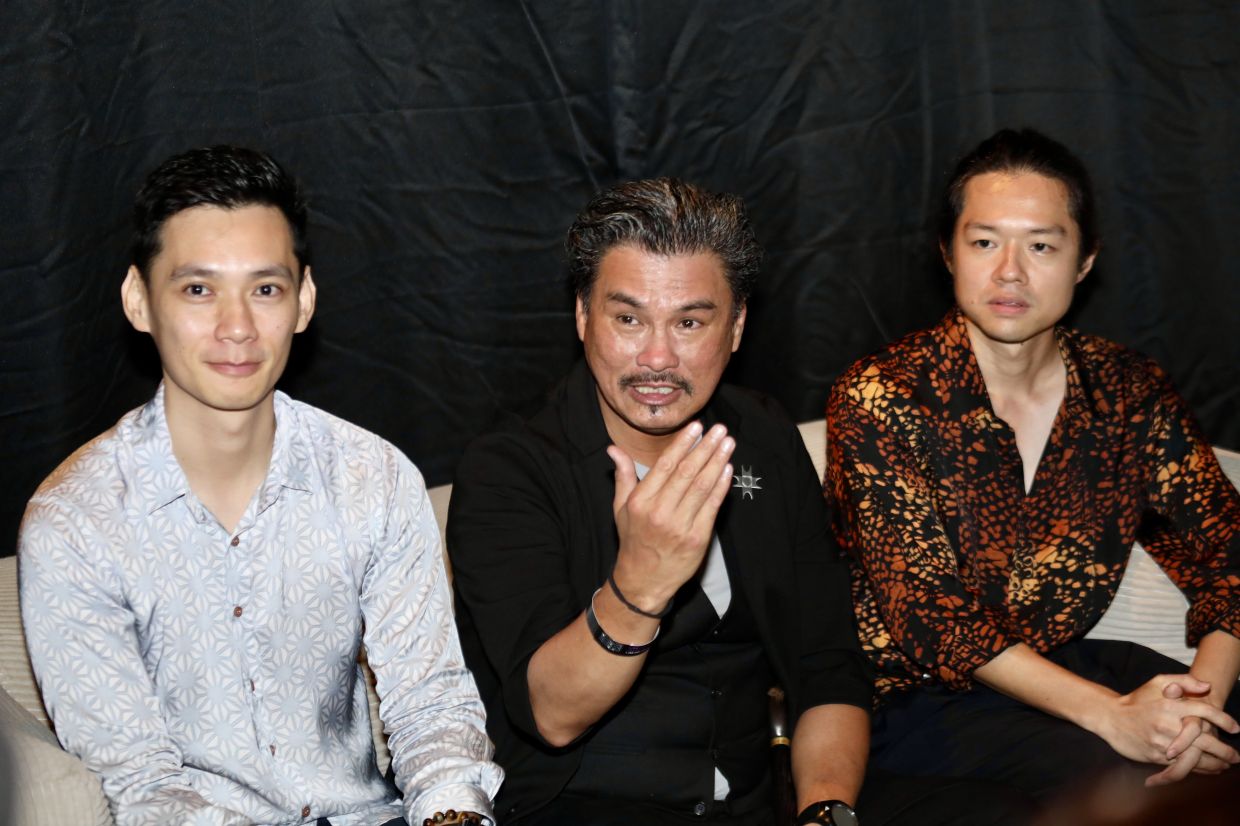
(from left) Tan, Adrianta and Lim at the media session after the KLAF 2026 launch.
Yeoh calls for collaboration, pledging RM20,000 to PAM and making a public invitation to architects to work alongside policymakers in reshaping Kuala Lumpur.
The KLAF 2026 launch marks Yeoh's first public appearance in her new portfolio as Minister in the Prime Minister's Department (Federal Territories) and the festival’s relevance to Kuala Lumpur as a living city.