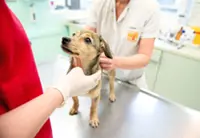
A dog with a habit of trailing an owner around a house or out to the garden or down the road can come across as affectionate, even adoring.
Reading such shadowing as endearing is where many people go wrong, however, as it really often means a pet is in pain and in need of attention rather than being attentive.
Many owners fail to take the hint, according to research carried out at Utrecht University. After surveying almost 650 people, scientists found that "barely half" fail to pick up on such "subtle signs of pain" such as restlessness at night or clinginess.
Owners scored best when it came to noticing unmistakable signals such as a dog whining or limping or displaying clearly impaired movement, the team found, ahead of writing up their results for the science journal PLOS One.
Other signals, such as a dog turning its head away, were mostly taken to mean stress or even fear.
But owners only fared slightly better than non-owners in those instances where it seems more difficult not to realize an animal is suffering – and were no better at recognising the more nuanced efforts by dogs to get it across to people that they are in pain.
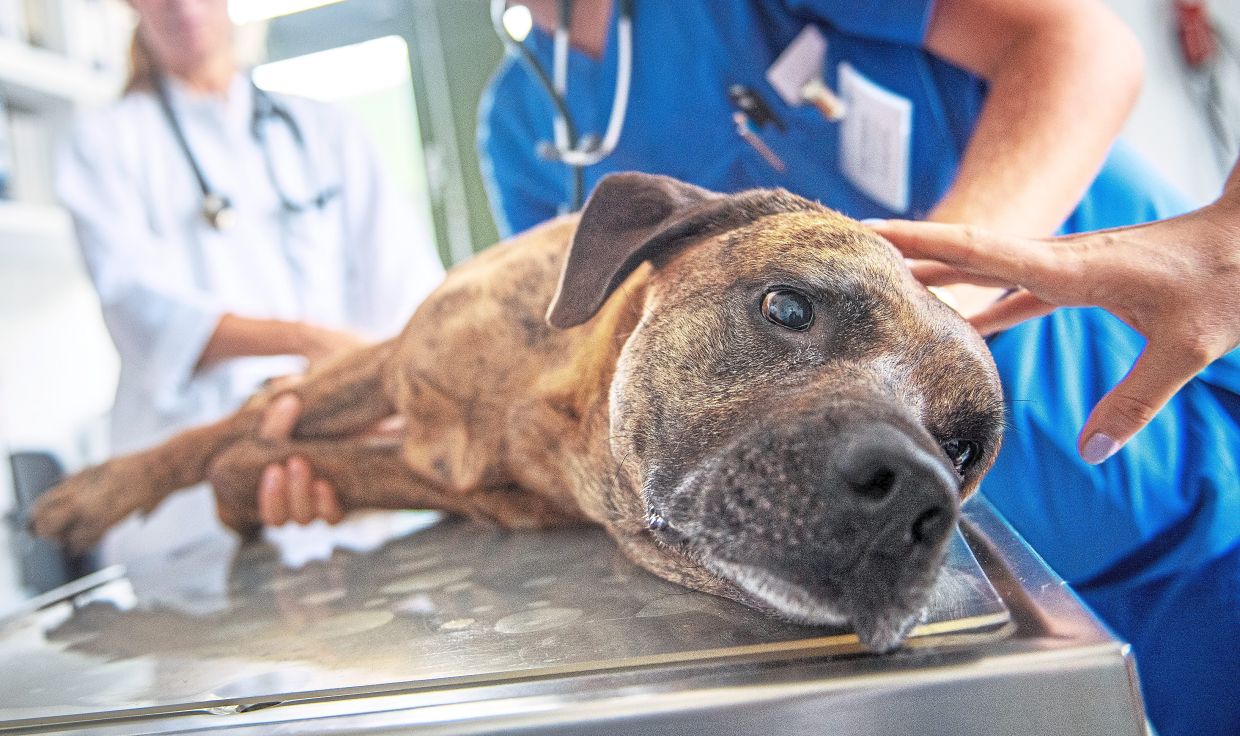
Be better informed
The researchers believe that dog owners and others need to be better informed about such signalling – not only to better the animal’s chance of getting the care it needs, but to prevent snarling and even biting, as pets are more likely to lash out when troubled than when all is well.
"The recognition and correct interpretation of subtle behavioural signs might be necessary to prevent aggressions and further suffering of a dog in pain," the researchers asserted in their paper.
Experts say dogs often hide pain due to a survival instinct, and urge owners to pay attention to subtle changes beyond the obvious limping, whining or trouble moving, such as:
- Panting, even when at rest
- Holding the head below the shoulders
- Altered posture such as an arched back or a head held low
- Social withdrawal and not wanting to be touched
- Restlessness and irritability
- Licking or chewing certain areas of the body – dpa