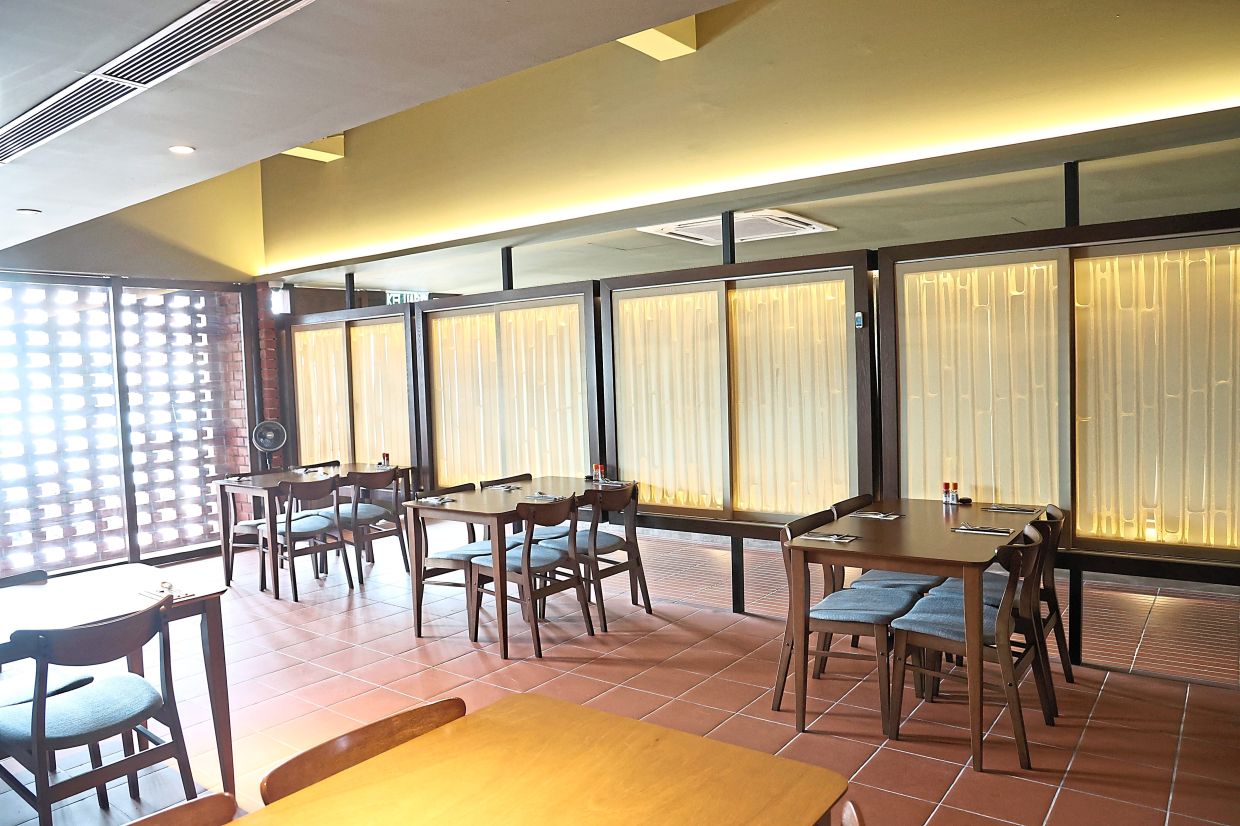
Sandwiched in the middle of a row of shop lots in the densely-populated Sea Park neighbourhood in Petaling Jaya, Selangor is Tobon Izakaya.
The restaurant is the brainchild of husband-and-wife team Jack Weldie and Diane Ong who are also behind the hugely popular progressive Japanese restaurant Chipta11a as well as modern café, Awesome Canteen.
Tobon’s formation happened over a few years. Initially, Ong and Weldie rented the lot because there was so much demand and so little space at Chipta11a (which is one lot above) that they felt they needed to rent another premise.
“We had a lot of spillover and storage issues. So when this premise became available, we immediately said we wanted to rent it. And the idea was to open a cheaper range compared to what Chipta was serving,” says Ong.
But this idea was put on the back burner as the two had to quickly shift focus when they opened another restaurant named Waig in Bangsar, Kuala Lumpur.
After a few years, they decided to shutter the eatery as foot traffic was poor and many diners couldn’t understand what they were trying to do.
Which brought them back to the idea of doing an izakaya restaurant using the team and equipment pulled from Waig.
In Japan, izakayas originated during the Edo period (1603-1867) and evolved out of sake shops that allowed customers to imbibe on-site and indulge in small snacks as well. These days, they are ubiquitous throughout Japan and are mainstays for office workers and even families.
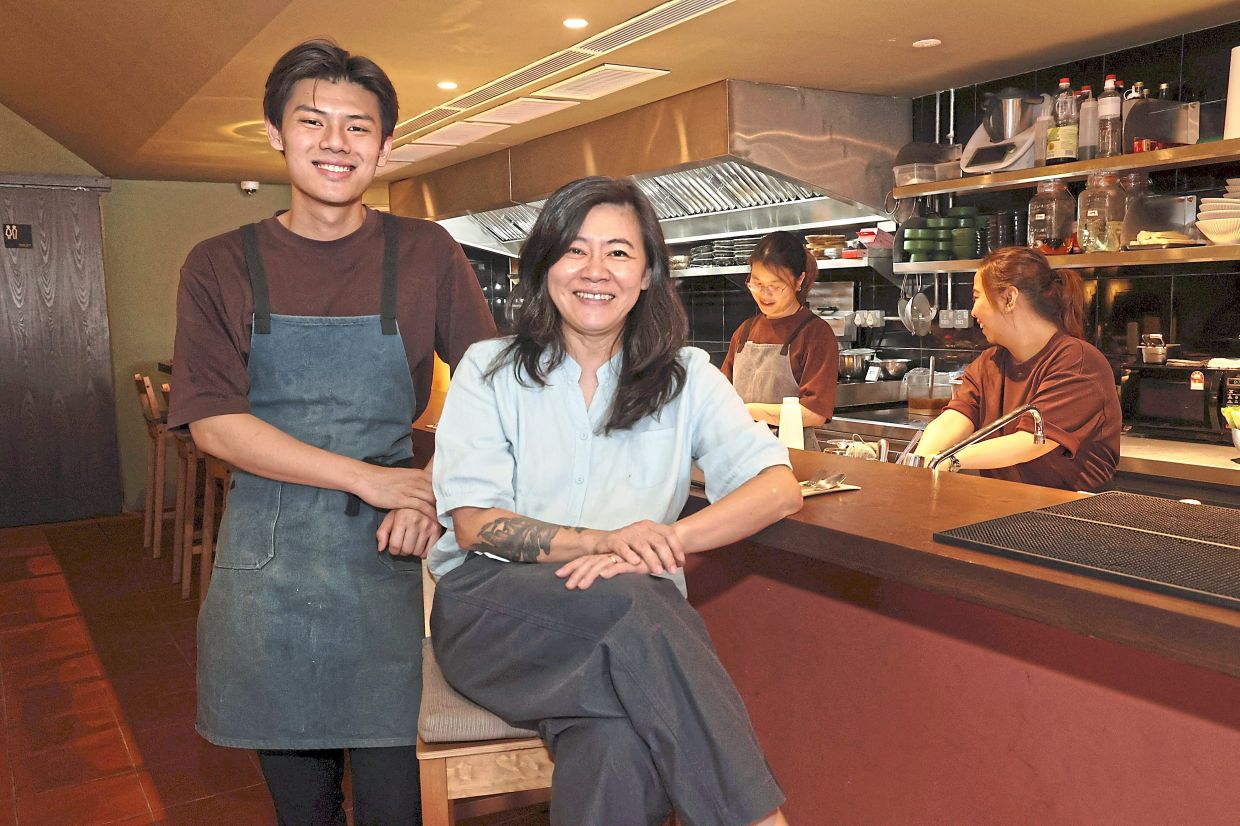
“Jack was fixated on this idea of an izakaya for many years. I said to him that the trend seemed to have shifted as people wanted more bistro-style places with sharing plates. Perhaps it’s time to think about doing something that is easier for people to grasp and doesn’t require too much explanation,” says Ong.
Ong pitched the idea to her father who was very supportive and decided to back them on this project. And that is how Tobon Izakaya came into being a few months ago.
The restaurant has been very popular, proving that Ong’s trend observations are spot-on.
At Tobon, which is overseen by Weldie and Ong and helmed by head chef Louis Choo, you can expect a range of Japanese-inspired shareable snacks and bites with a focus on seasonality, as well as full meals that are woven out of Japanese techniques but have simplicity laced with comfort at its core.
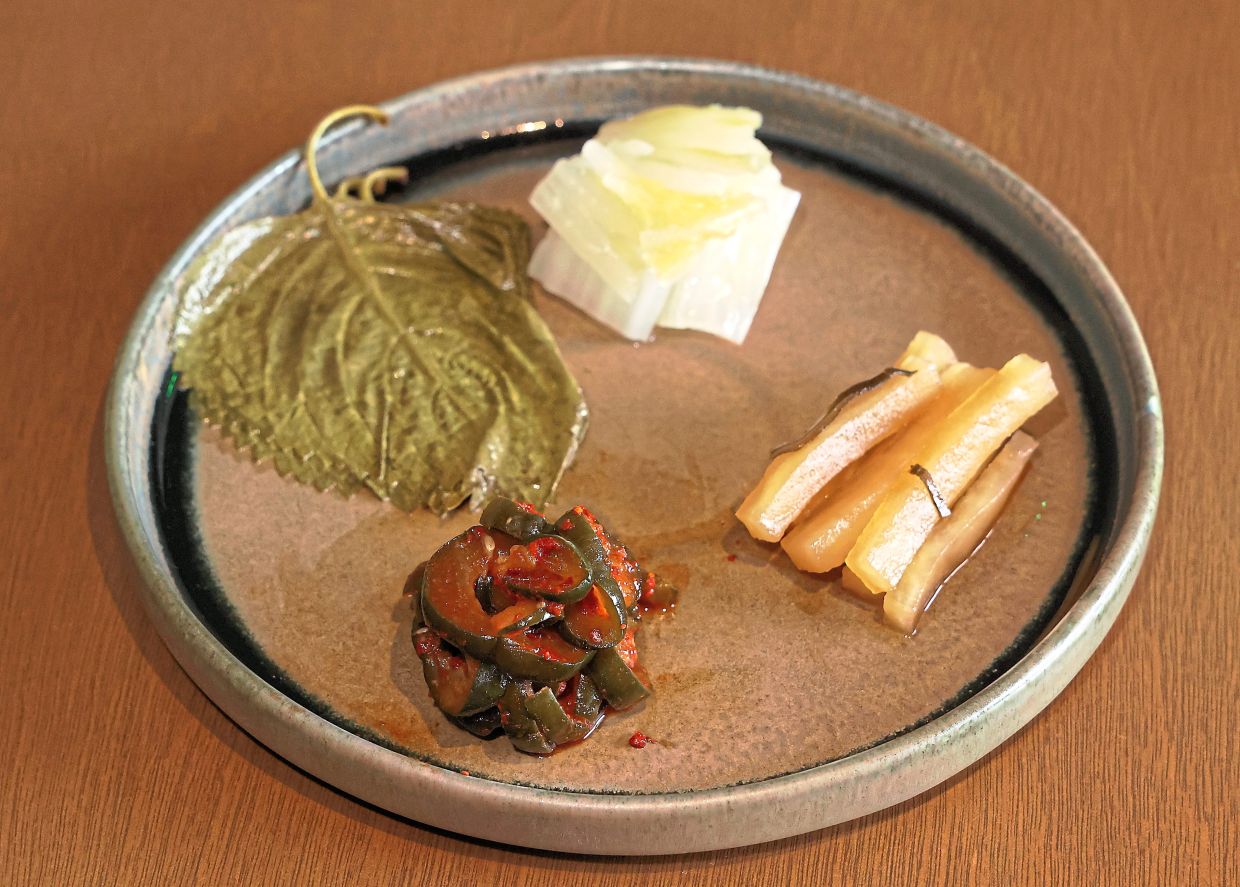
From what’s on offer, first try the Assorted Pickles (RM18). This house-made meal opener is composed of daikon pickled with shio kombu, kimchi lacto-fermented with yuzu juice, cucumber pickled with gojucharu and vinegar; and pickled shisho leaves.
The four selections offer acerbic, tangy qualities designed to perk your appetite. Highlights include the cucumber, which is crunchy with a sharp acidity and heat laced through its veins; and the daikon whose vegetal attributes are accentuated by the woody, umami-laden notes of the kelp.
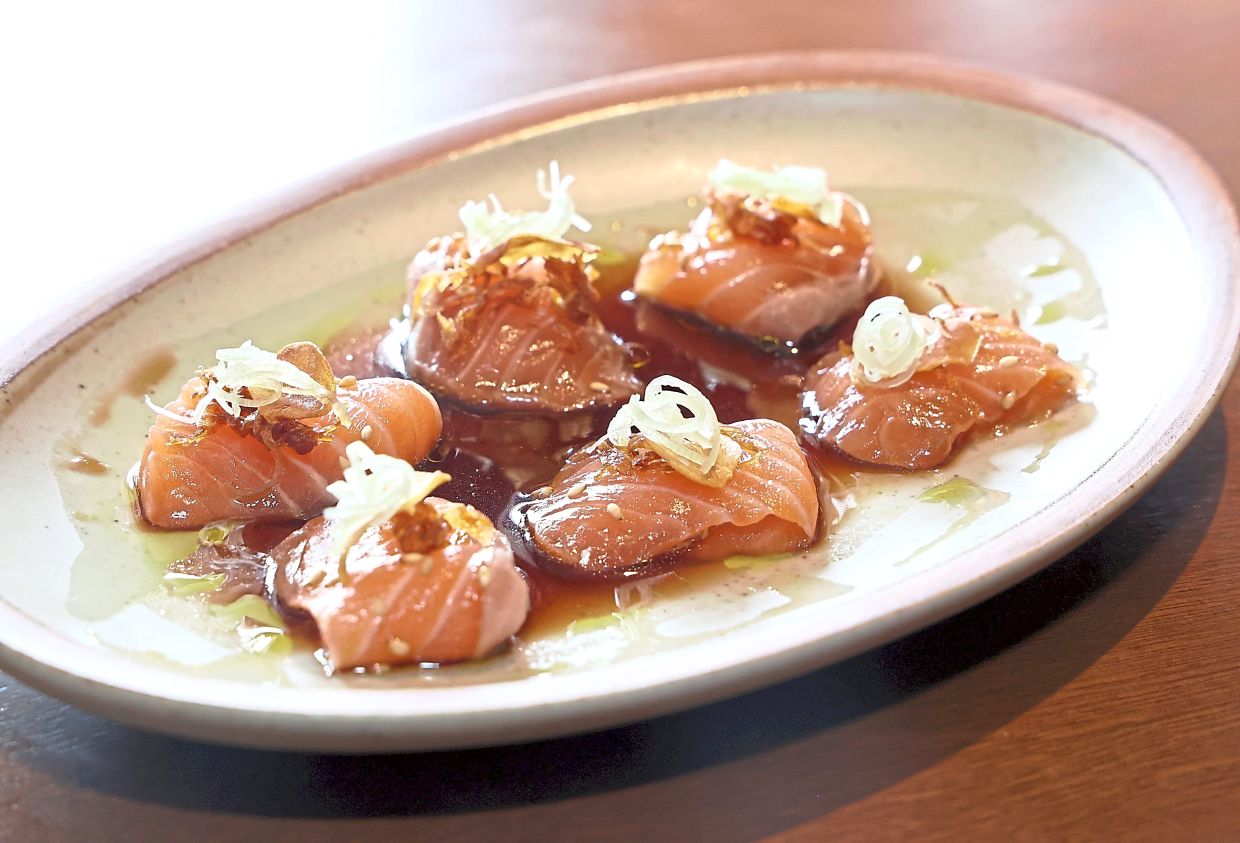
Next, try the Salmon Ponzu Crudo (RM35) which features thinly sliced salmon with yuzu ponzu, pandan oil, fried shallots and garlic. There is no small player or small part here – the nature of this configuration dictates that every component must work together in unison to ensure a successful final outcome.
As a result, the salmon is fleshy and fresh and this aquatic richness is countenance by the acerbity and salty overtures (perhaps a tad saltier than you might be used to) of the ponzu, and the crunch and bite of the shallots and garlic.
Then there is the Chicken Karaage with Yuzu Mayo (RM22 for five pieces).
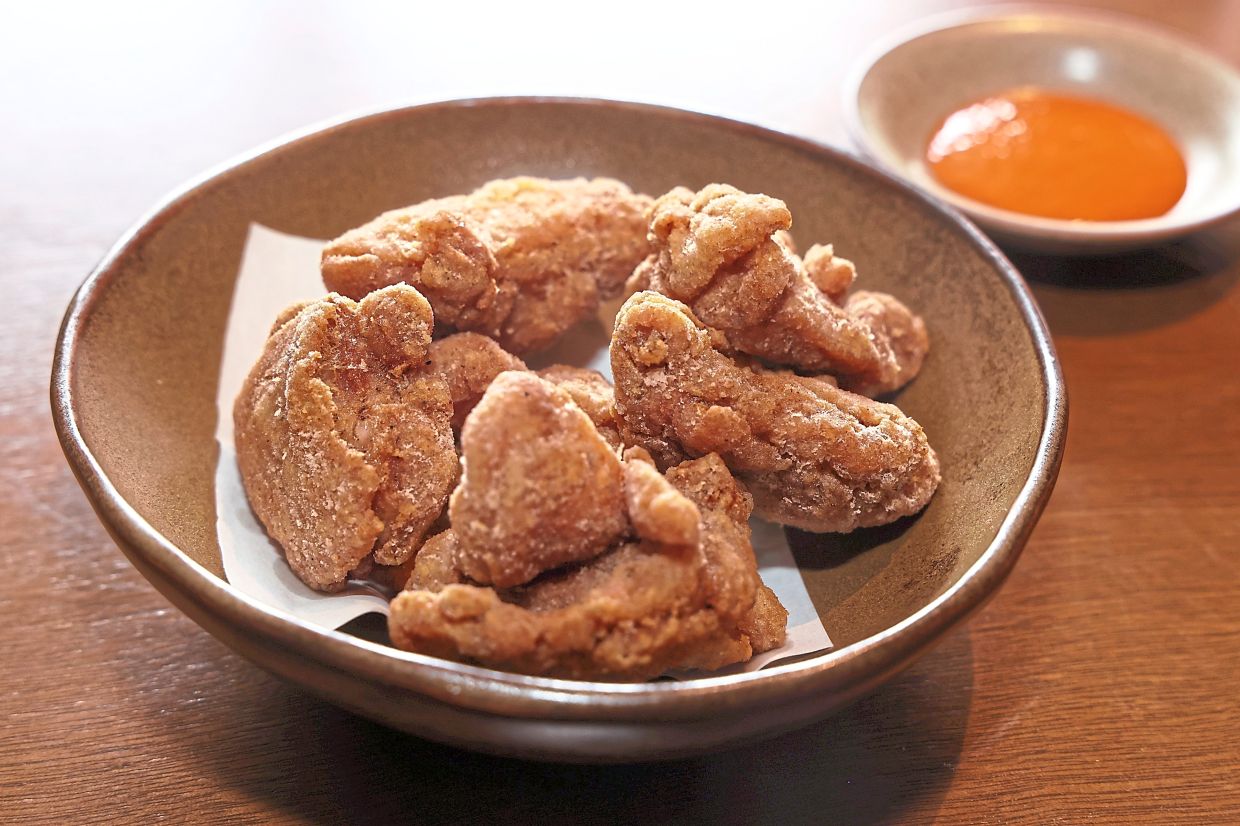
Chicken karaage appeared on Japanese restaurant menus in the 1920s and has since become a staple comfort food. To make the dish, chicken is coated in flour and deep-fried to crispy perfection.
In Tobon’s iteration – the fry is immaculate. Crispy, crackly skin succumbs to flesh that is still juicy and tender at its core. The mayo served on the side has an enlivening quality that sluices through the richness of this fried snack and gives it a cool, cultish edge.
If you’re after some grilled skewers, try the Bonjiri (RM7) or tail of the chicken and the Tebasaki (RM8) or mid-wing.
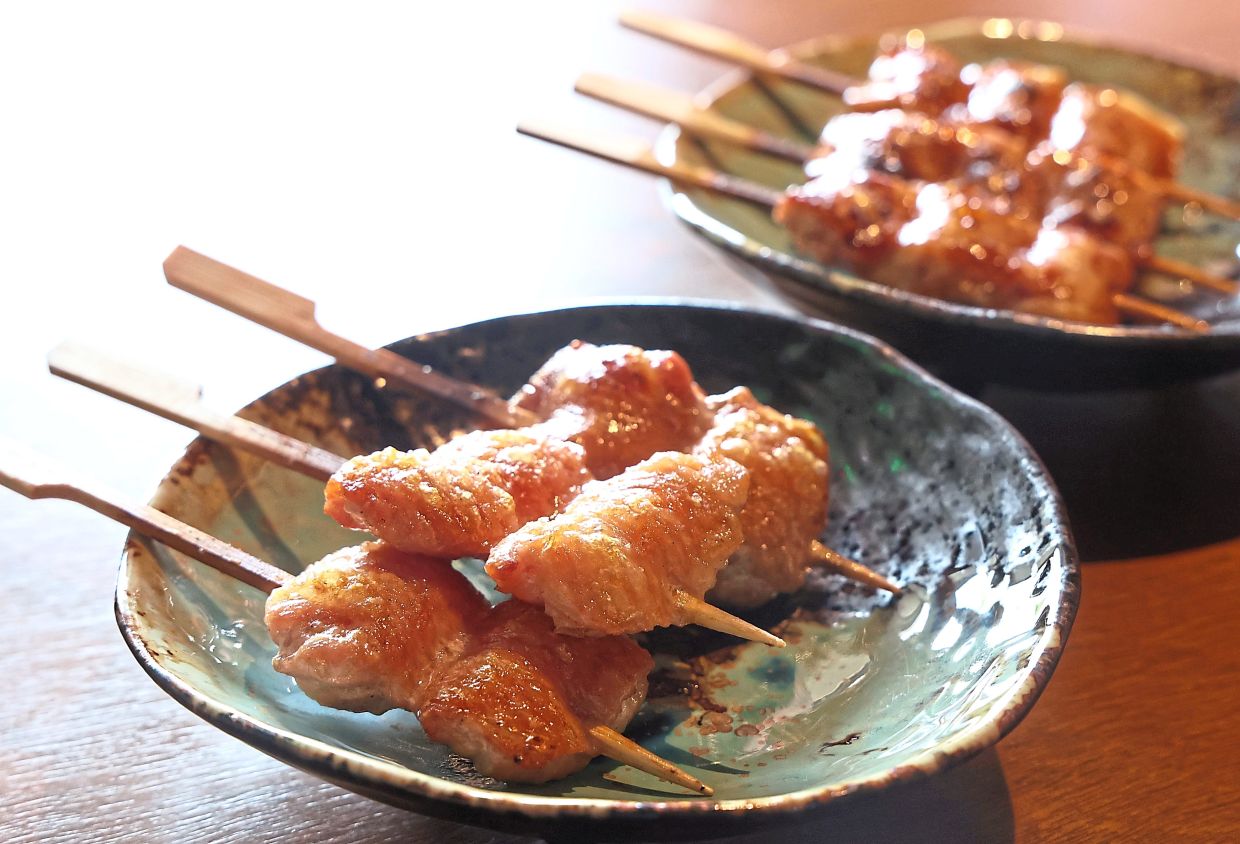
Chicken tail is considered a delicacy because of its intense fattiness and this iteration does not disappoint, serving up delicious melt-in-the-mouth fowl. The mid-wing meanwhile delivers succulent flesh paired with skin that is lightly glossy and burnished to a fine finish.
The star of the menu at Tobon is probably the Signature Wagyu Claypot Rice (RM80). The dish arrives steaming hot and is filled with the necessary rice as well as grilled Australian wagyu, beef fat butter, kulim sabayon and ulam.
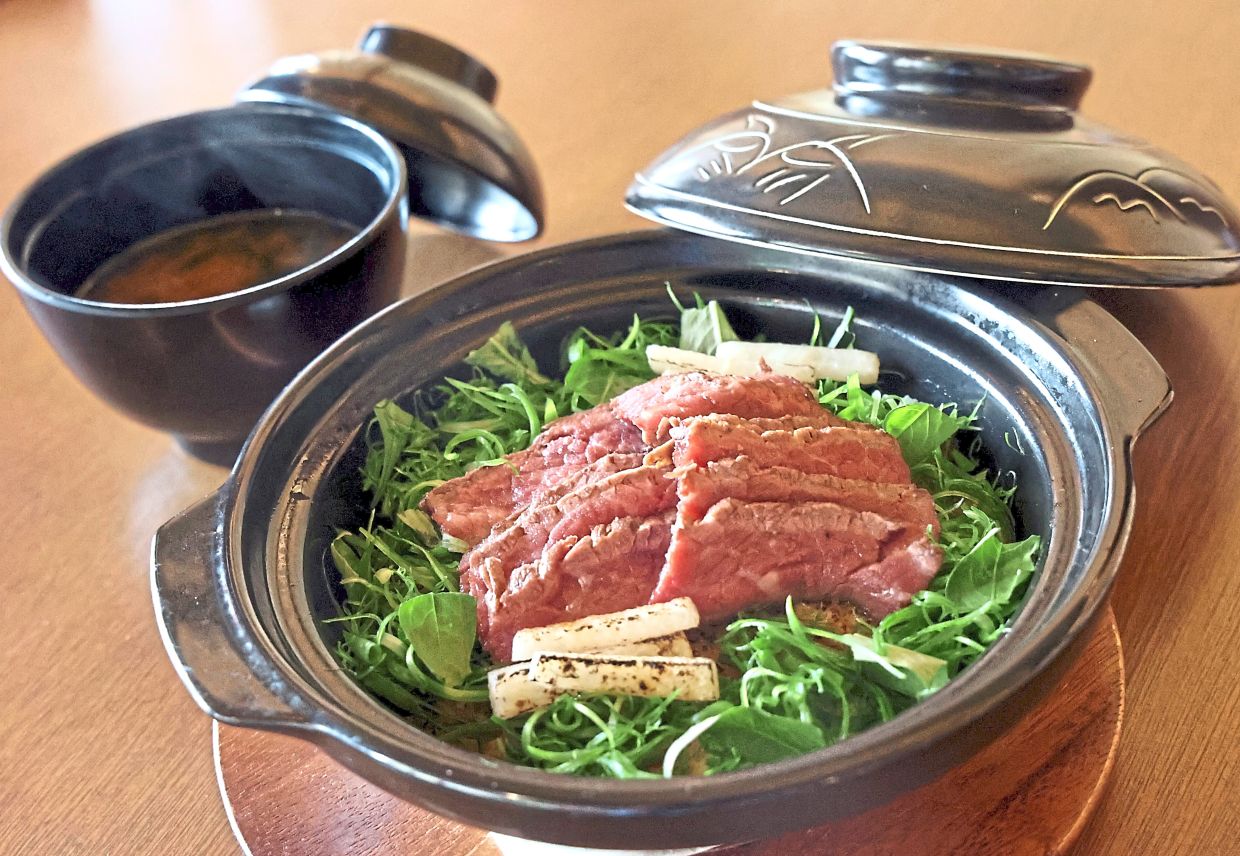
Stir everything together and savour the flavours that come together. The beef is fleshy, silken and submissive upon contact with your palate.
This overt bovine quality is accentuated by the rice, which is saturated by the decadence of the beef fat and has both a crispy crust as well as morsels that are fluffy and intact.
It’s a meal whose gilded qualities are omnipresent yet thoughtfully calibrated so that this hedonism doesn’t overwhelm – like the elegance of old-money elites as opposed to the ostentatiousness of new-money wealth.
From the third week of May, Tobon will be introducing new set lunches designed to appease the appetites of office denizens in the area.
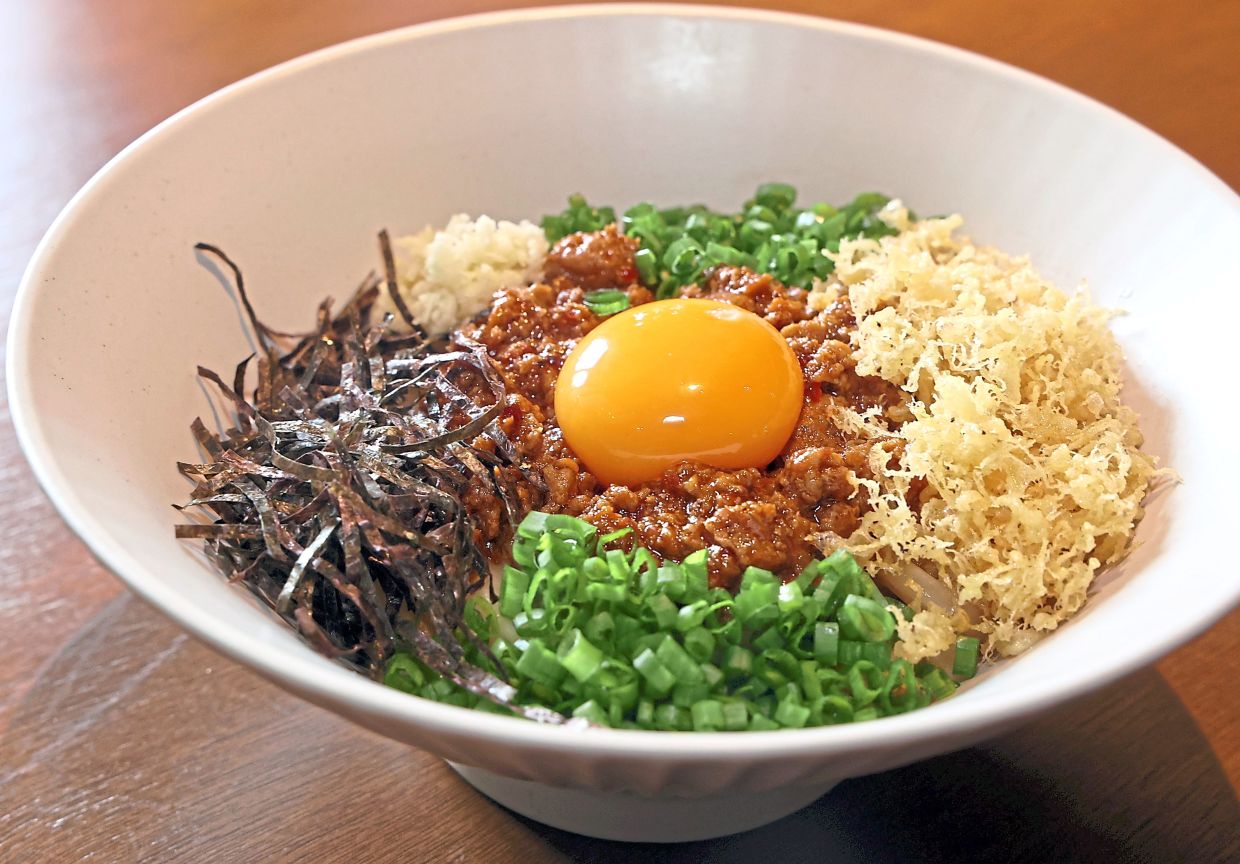
Of what’s available, check out the Maze Udon (RM35). This is a take on a Japanese dish called mazemen – which is essentially a soup-less ramen tossed in a savoury sauce and topped with ingredients like minced meat, raw egg yolk and vegetables.
In this edition, the noodles used in place of ramen are udon, which has been seasoned with a Szechuan peppercorn (mala) shoyu, topped with mapo tofu, spring onion, nori, tenkasu (deep-fried flour batter) and an onsen egg.
Stir everything together and enjoy the flavours that descend. The noodles are slick and slurp-worthy and the egg has cast a glistening sheen over everything. The mala influence meanwhile is pervasive, like a fiery overlord watching over his kingdom.
Tobon is new and just starting to get its bearings aligned but once it has established momentum and equilibrium, Ong and Weldie have another rather unconventional plan in place.
“Jack wants to start selling ready-made canned food here, like Japanese-style braised fish or braised meat – but in a can. People can just warm it up and eat it when they get home,” says Ong, smiling.