




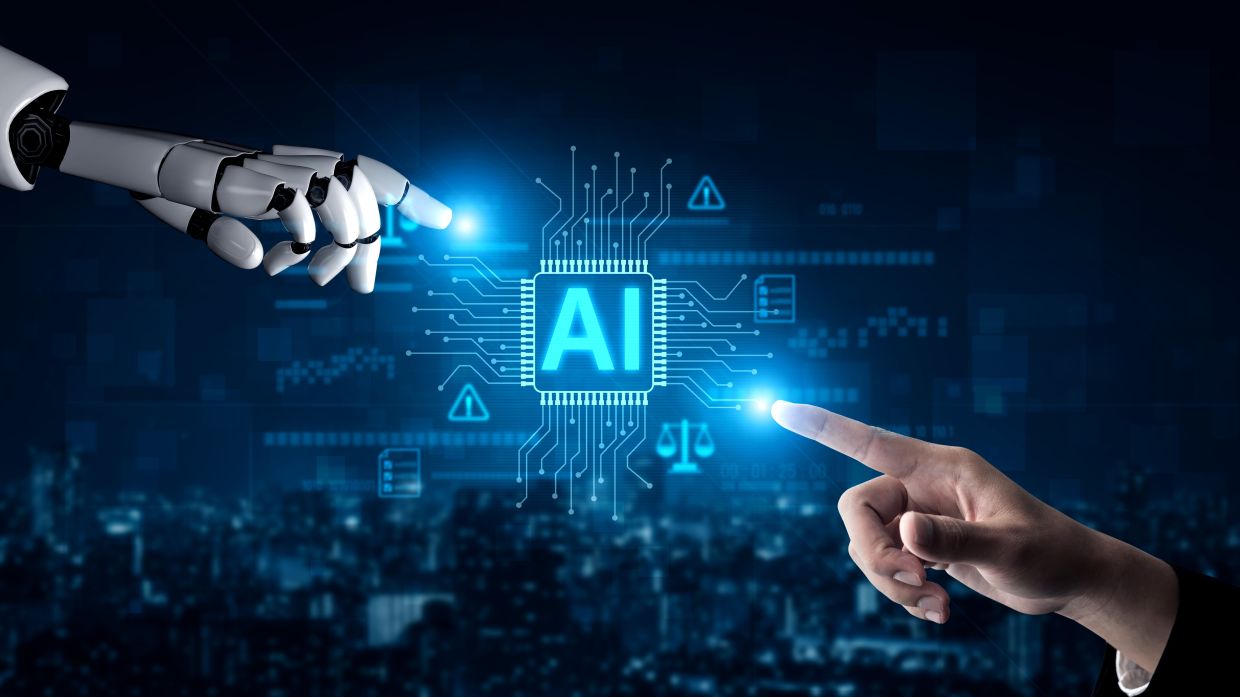
ARTIFICIAL INTELLIGENCE (AI) is transforming the way ideas are developed, decisions are made and work is carried out across industries.
Yet as intelligent systems become more capable, one truth is becoming increasingly clear; progress is not defined by technology alone, but by the meaningful outcomes created when human intelligence and AI work together.
In today’s evolving world of work, AI supports speed, scale and precision, while humans bring creativity, empathy, ethical judgment and leadership, to which this partnership is redefining what it means to be future-ready, placing collaboration at the heart of education and professional growth.
At Asia Pacific University of Technology and Innovation (APU), this convergence of human and AI is embedded across learning experiences, equipping students to think critically, adapt confidently and prepare for meaningful careers in an AI-enabled world.
AI as a partner
Rather than positioning AI as something to compete with or fear, APU approaches AI as a collaborative force; one that enhances human capability, supports informed decision-making and amplifies human potential.
Across disciplines, students are encouraged to understand how AI tools can support analysis, creativity and problem-solving, while also recognising uniquely human skills such as judgment, empathy and critical thinking, which guide how these tools are applied in real-world contexts.
This perspective helps students move beyond surface-level engagement with technology and towards a more thoughtful and strategic relationship with AI.
Instead of asking only what AI can do, they are guided to explore why, how and when AI should be used responsibly, ethically and effectively; which is an essential mindset for modern workplaces.
Learning AI across disciplines
APU’s chief innovation and enterprise officer Prof Dr Vinesh Thiruchelvam highlighted that an outcome based approach to AI education lies in integrating AI literacy across a wide range of academic programmes and disciplines, ensuring that students, regardless of their chosen field of study, are prepared to engage confidently with intelligent technologies in academic, industry related applications and professional contexts.
“Students in computing and technology explore the foundational principles of AI, data and intelligent systems, gaining hands-on experience in how these emerging technologies are designed, developed and applied in real-world settings.
“Those pursuing business, management, finance or accounting and actuarial studies learn how AI informs organisational strategy, supports data-driven decision-making and drives innovation within modern organisations.
“Meanwhile, students in media, design, psychology, engineering and other creative disciplines examine how AI supports creative processes, enhances analytical thinking and influences human behaviour, interaction and experience,” he said.
By embedding AI concepts across diverse academic pathways, this interdisciplinary approach ensures that students graduate with strong domain application knowledge alongside the ability to collaborate effectively with intelligent systems.
Teaching that goes beyond tools
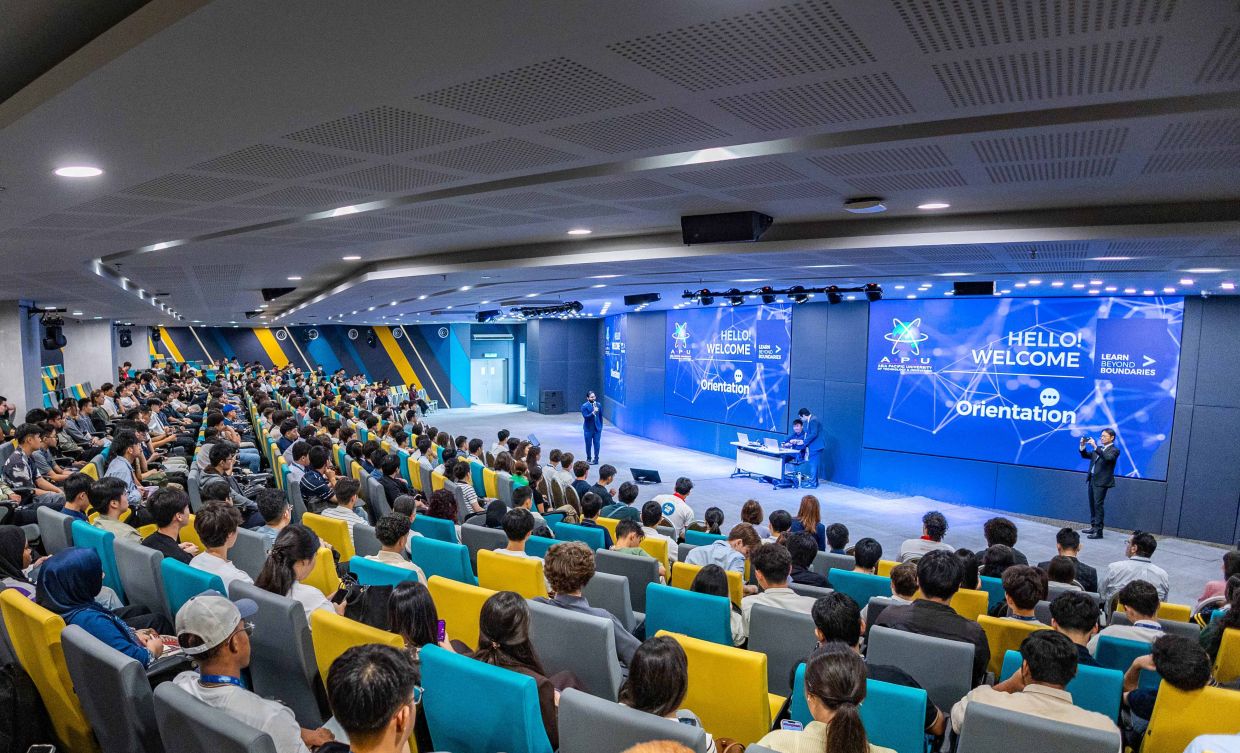
APU School of Computing head Assoc Prof Dr Tan Chin Ike emphasised that learning at the institution goes beyond simply mastering tools or keeping pace with emerging technological trends.
“APU’s strength lies in offering both depth across specialisations ranging from AI to Data Science to Cybersecurity and breadth across computing domains, creating a comprehensive tech ecosystem that enables students to understand how each specialisation functions and integrates with the others.
“At APU, our AI programme is closely aligned with industry practices, covering the full spectrum from model design to real-world deployment, with modules carefully structured to develop AI engineers and practitioners, rather than merely AI tool users.
“In doing so, students are equipped to integrate human judgment, creativity and ethical reasoning with machine intelligence, preparing them for professional environments where adaptability, accountability and sound decision-making are as vital as technical expertise,” he said.
This approach ensures that students are not merely passive users of AI technologies, but thoughtful and responsible contributors who understand their role in guiding how technology is applied, governed, and shaped within society.
Hybrid workplaces
The future workplace is increasingly hybrid, blending human expertise with intelligent systems in ways that reshape how tasks are performed, decisions are made and value is created.
As AI becomes embedded across industries, employers are seeking graduates who can work confidently alongside AI, interpret and communicate insights effectively and lead teams within technology-enabled environments that demand agility and collaboration.
In response to these evolving expectations, educational approaches are also adapting, fostering interdisciplinary learning, encouraging ethical reflection and strengthening problem-solving, communication and leadership capabilities to prepare students to navigate complexity with clarity and resilience.
On top of that, graduates are expected not only to adapt to AI-integrated workplaces, but to collaborate meaningfully within them, contributing insight, responsibility and human perspective in environments where human intelligence and AI operate together.
Powering intelligence through AI Supercomputing
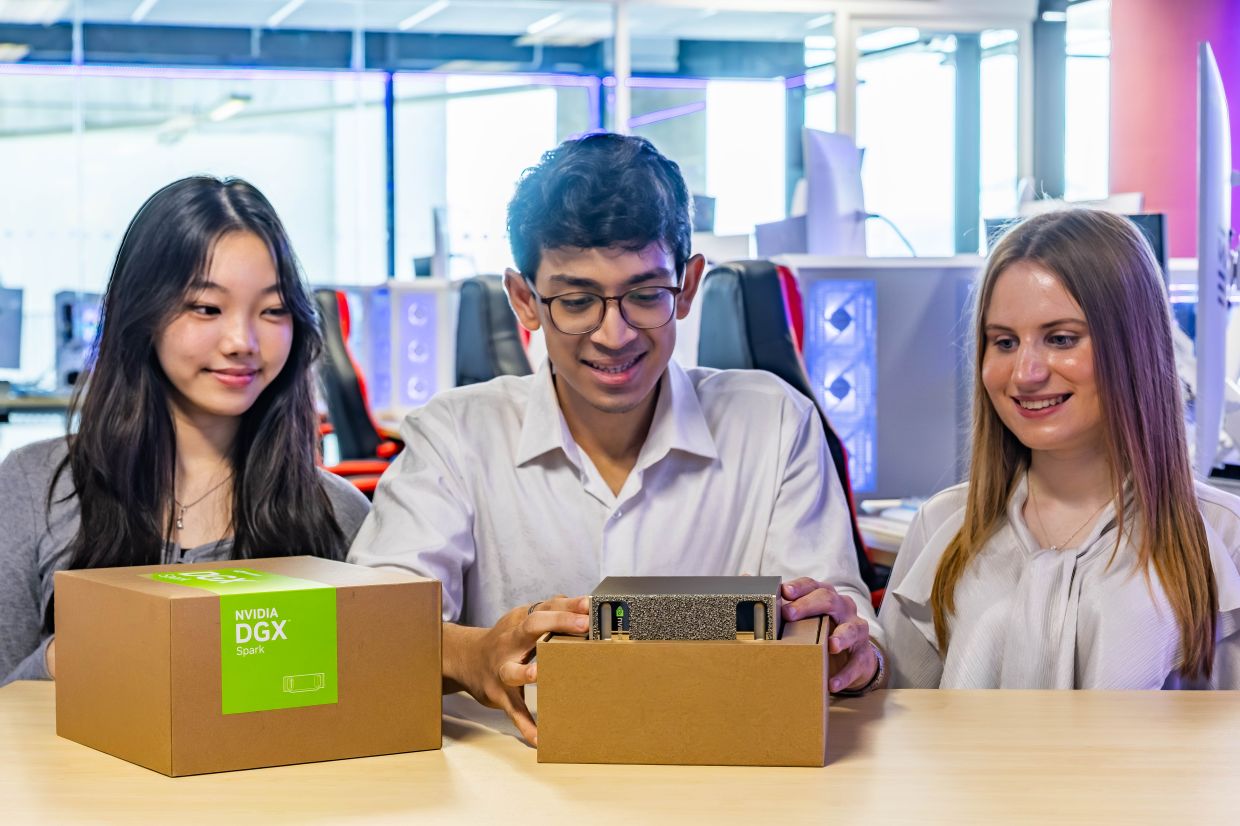
With the growing convergence of human and AI, access to advanced computing infrastructure is becoming key to transforming knowledge into real-world capability.
In line with this vision, APU is set to launch Malaysia’s first Nvidia-powered DGX Spark AI Supercomputing Lab in May 2026, marking a significant step in advancing AI-driven education and innovation.
Designed to bridge theory with application, the lab will provide students with hands-on access to cutting-edge supercomputing technology typically found only in leading research institutions and global technology companies.
Equipped with next-generation Nvidia architecture capable of supporting large-scale AI models and complex data processing, the lab enables learners across disciplines; from computer science and AI to engineering and analytics.
By embedding such high-performance capabilities into its learning ecosystem, APU further strengthens its commitment to preparing students not just to use AI, but to understand, develop, and lead within intelligent, technology-enabled environments where human insight and machine intelligence work in tandem.
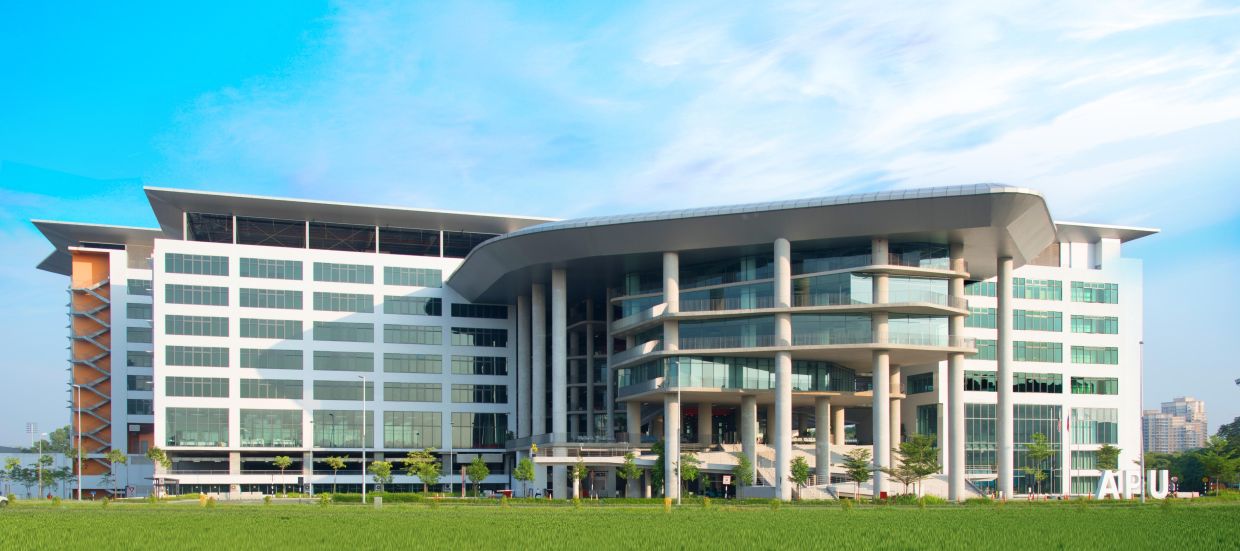
Future synergy
As AI continues to evolve, the value of human intelligence becomes even more significant.
Creativity, empathy, strategic thinking and leadership remain central to progress and their impact is amplified when combined with intelligent technologies.
In a world where intelligence is shared between humans and machines, success belongs to those who understand both.
At APU, that understanding is built through education that brings human intelligence and AI together, preparing students to move forward with confidence, purpose and impact.
Join APU’s Open Day on April 18-19 at its campus in Technology Park Malaysia, Bukit Jalil. To learn more, visit apu.edu.my.


