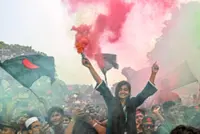
The history of Punjab is one of deep, deep sorrow and turmoil. The province was established in India in 1849 by the British and became one of the richest farming areas in the country.
In 1947, following partition, Punjab was carved into two, splitting families, properties and neighbours and causing mass migration and unrest. Many people caught on the wrong side of the divide were forced to abandon ancestral homes and prized possessions. Ultimately, East Punjab was allotted to India and West Punjab was accorded to Pakistan.
Partition caused fissures and fractures which continue to reverberate throughout India and Pakistan to this day, nearly 80 years later. It also created massive losses in culture and practices.
From a culinary perspective, the tensions, hostilities and divisions meant that over the years, the vast repository of dishes that were once the domain of unified Punjab disappeared entirely from the Punjab culinary cannon. This is especially so in India, which only accounts for 42% of Punjab’s land area and population.
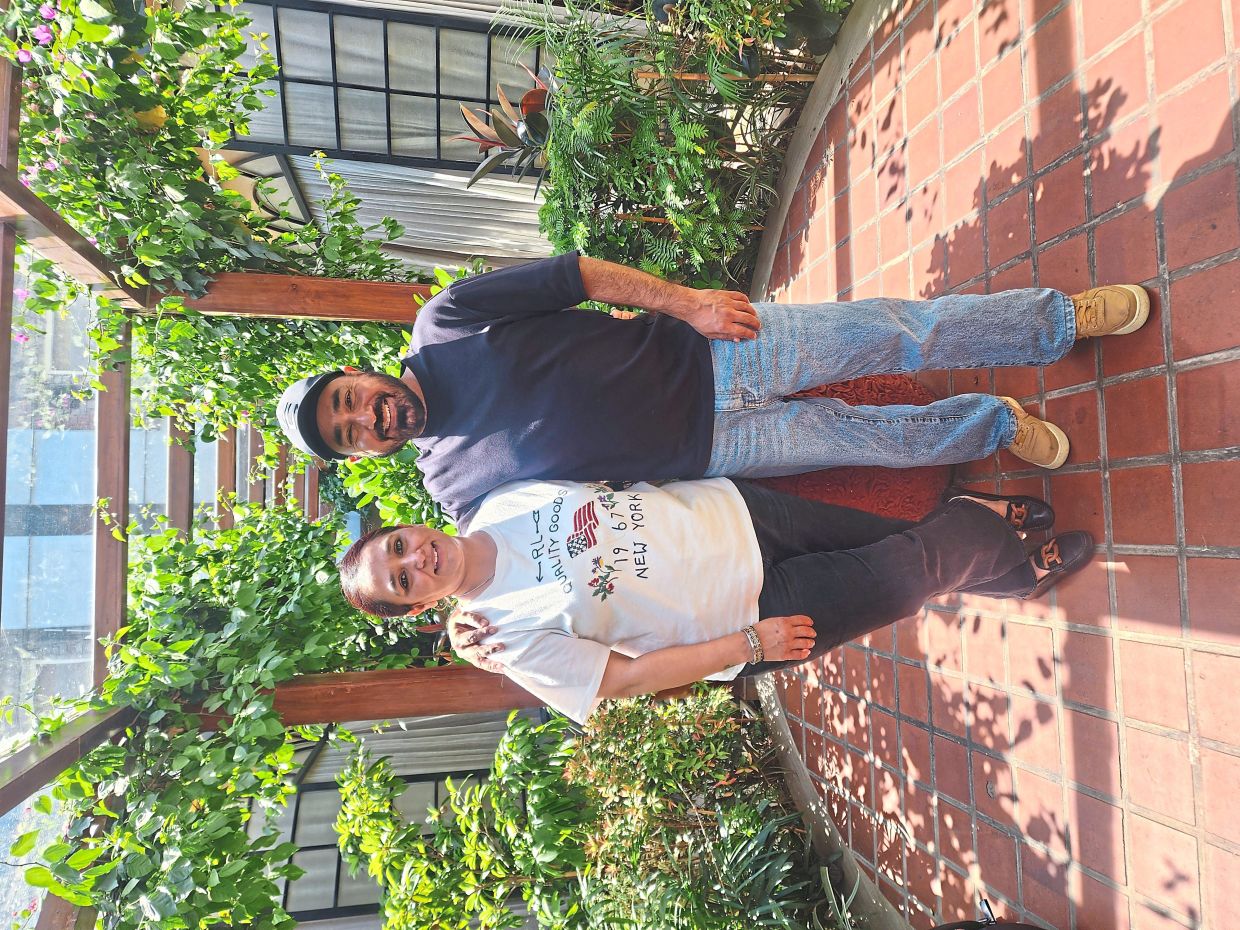
Seeking to rectify this and preserve the recipes of pre-partition unified Punjab, sanguine restaurateur Rajan Sethi and his wife Deepika Sethi decided to open Ikk Panjab, a restaurant in Delhi, India that serves the food of the Punjab of the past.
“So our idea was to give respect and homage to a lot of Punjabis who have got their roots in the Pakistan side of Punjab, but live in India and across the world. So that’s why we called it Ikk Punjab, which means ‘one Punjab’.
“We serve dishes from both sides of Punjab,” says Rajan.
The dishes on Ikk Panjab’s menu are a time capsule to 80 years ago, a freeze-frame of a point when Punjab remained united and undivided. Those meals are now nearly-extinct in modern-day India.
Finding these phased-out dishes involved putting together memories and recipes extracted from both Rajan and Deepika’s parents and grandparents. Deepika also made two trips to Pakistan to research and unearth recipes from West Punjab.
“We know some people in Pakistan so Deepika went there to do research. Our side of Punjab is more vegetarian and the Pakistan side is more meat-inclined, which is a big difference. Also, Pakistan’s side of Punjab has a much bigger street food culture – with a lot of wood-fired cooking,” says Rajan.
The couple realised that the soul and essence of Punjabi food in also India changed dramatically when restaurants entered the picture.
“When commercialisation happened and restaurants came into play, dishes became heavier and richer. Everything had more butter, more oil and more masalas because restaurants had to make it worthy of the prices they were asking for.
“Punjabi food in restaurants is very different to home-cooked fare. In homes, the food doesn’t have much oil or masala and most dishes are slow-cooked. Our idea was to bring back the old dishes and the slow-cooking method,” says Rajan.
When Ikk Panjab first opened in Delhi five years ago, response was lacklustre as people were accustomed to richer offerings. The first eight months were a struggle, Rajan shares.
But soon, people warmed to the idea of old-school pre-partition Punjabi food and in the last year, Rajan has opened three more outlets in Delhi and a brand new one in Chandigarh in northwestern India.
“All of a sudden, there was so much demand for this kind of traditional Punjabi food that we opened four more outlets,” says Rajan, laughing.
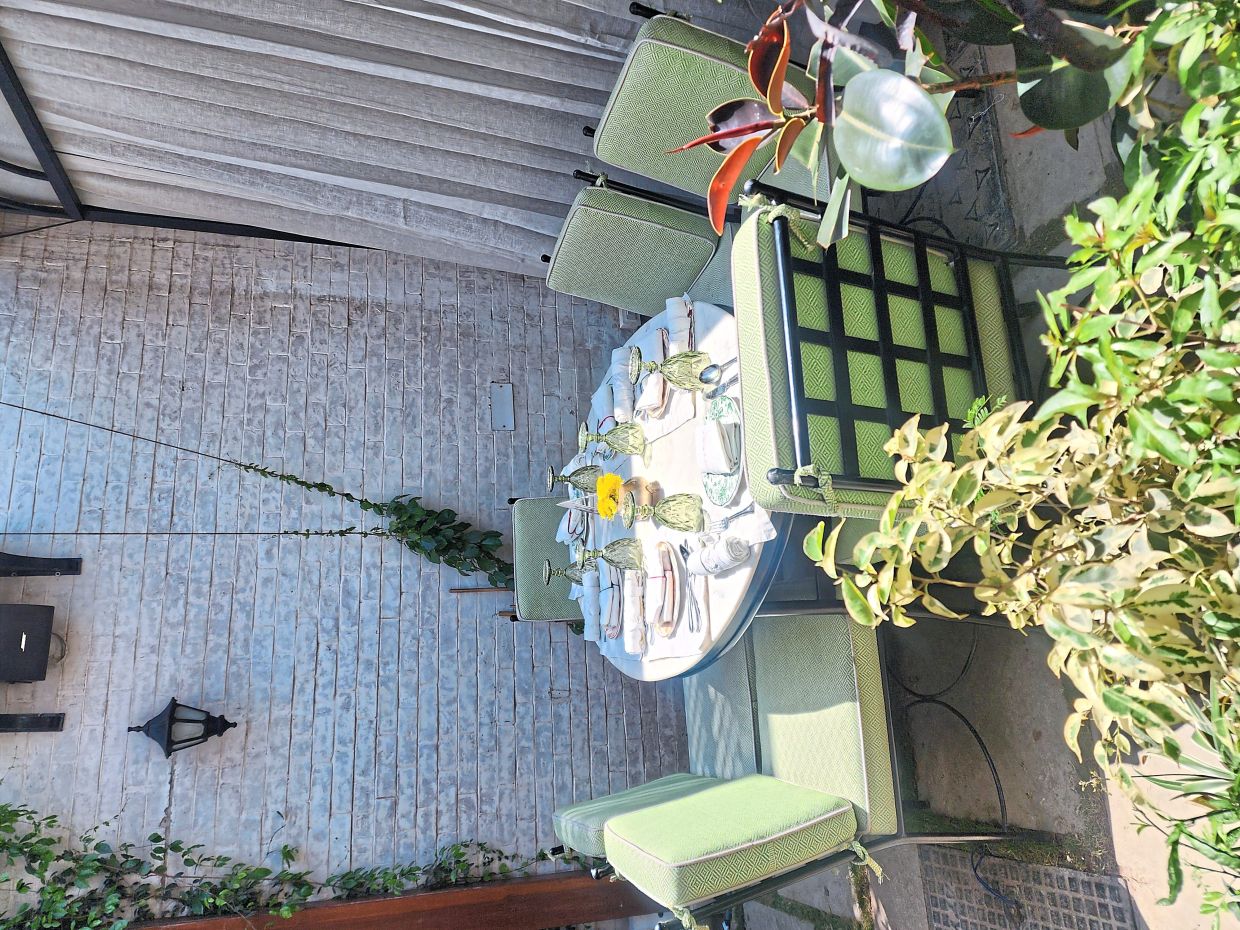
Each outlet is mirrored after Rajan’s grandfather’s heritage home and is replete with a courtyard area, garden, trophy room (a throwback to the past, when gentlemen would sit and drink) and sun room. The walls are dotted with sepia photographs of his parents and grandparents as well as memorabilia from the past, collected from his ancestors.
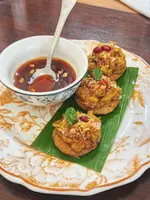
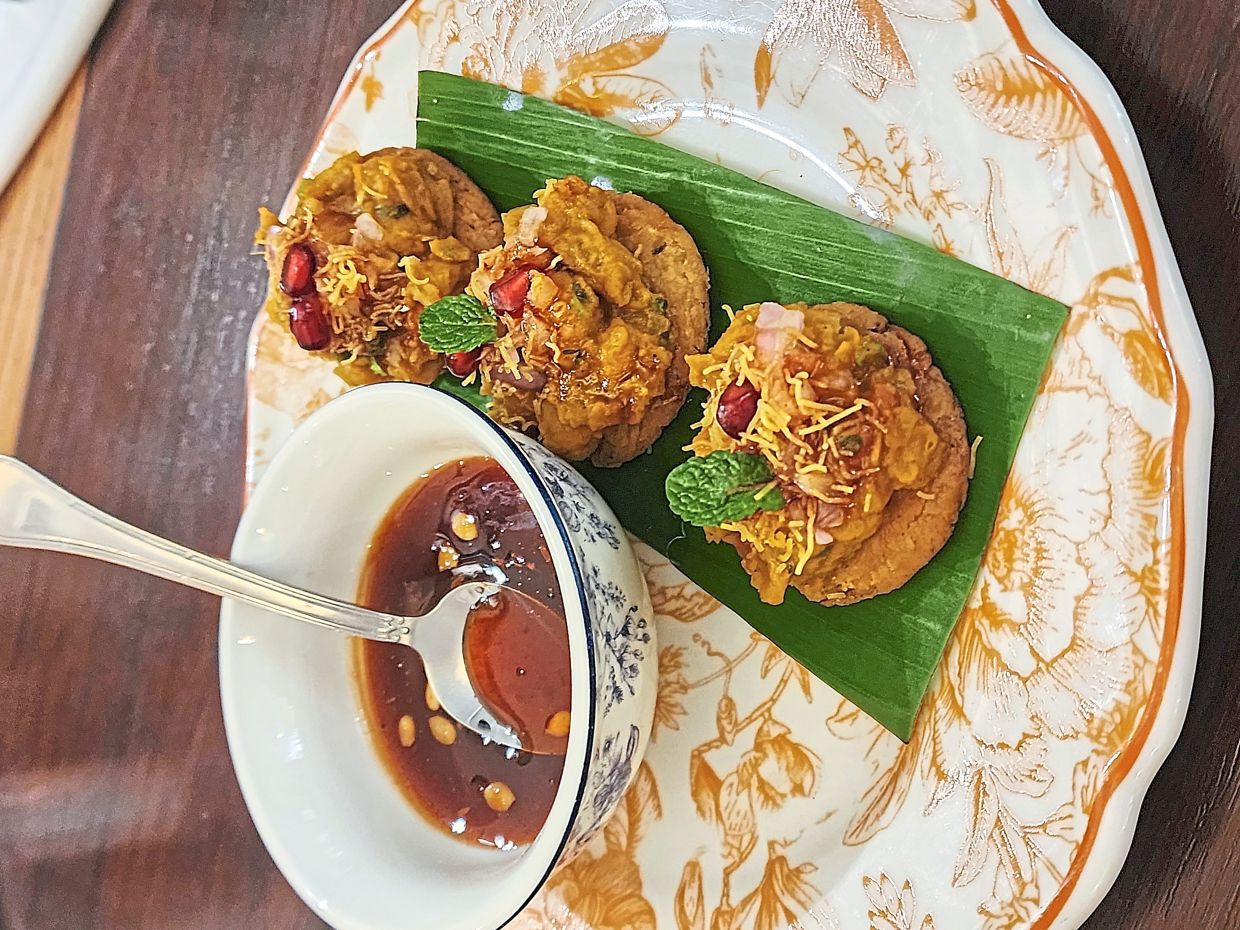
The menu is an odyssey through heirloom Punjabi fare that is hard to find anywhere else like Matthi Chole, which is essentially a home-style biscuit fashioned out of flour and gram flour and deep-fried till crisp with a topping of chickpeas and a tamarind chutney drizzled over it.
It’s a sensory voyage juxtaposing a crispy, savoury, lightly spiced biscuit against the rusticity of the chickpeas and the tanginess of the tamarind chutney spooned liberally over it.
“This is my grandmother’s recipe. This is what she used to feed us while she had evening tea. This mathi used to be the most popular biscuit in the good old days. Every Punjabi household would have a large metal tin filled with these.
“As kids, we would get leftover chickpeas topped up with the mathi, so this is a very nostalgic dish for me,” says Rajan.
There is also Chapli Kebab. In Punjabi, “chapli” means “palm”. This particular spiced minced lamb kebab is flattened on the palm, hence its etymology. The dish hails from the Pakistan side of Punjab where it is a popular starter, typically served with a slice of tomato to offer a little burst of freshness.
The chapli kebab is intensely flavourful – the lamb has soaked up all the flavours of the spices and this is moulded against a slice of tomato, which sluices through the rich meaty connotations.
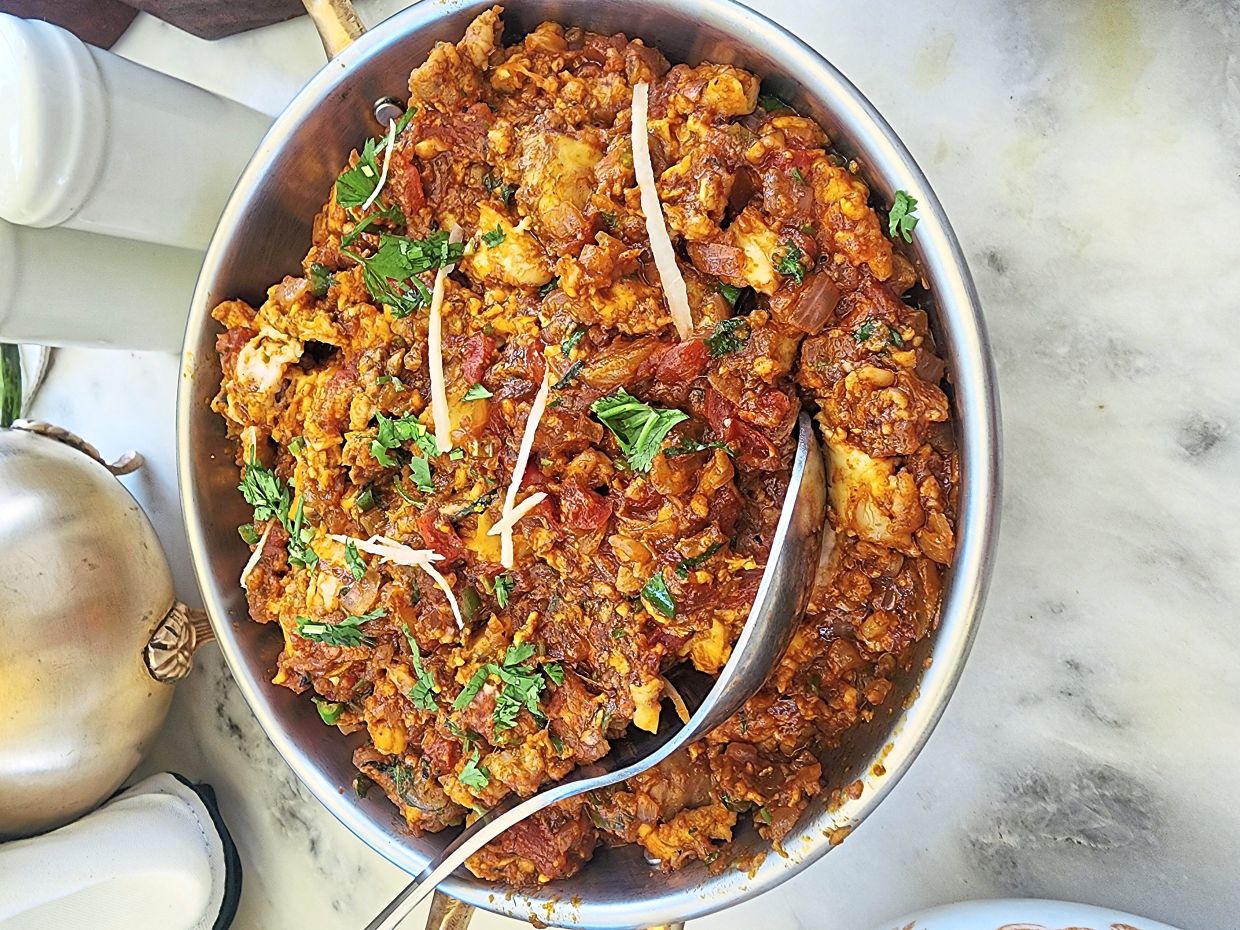
One of the most interesting things on the menu is the Bhaeja Masala or goat brain curry. Traditionally, many people in Punjab ate a lot of goat and to avoid wastage, every part of the animal was utilised in a multitude of ways.
“When people fled during the partition, it took a financial toll and chicken was the cheapest protein because it was commercially grown, so that it is how it entered Punjabi cuisine.
“Bhaeja masala is representative of something that was traditionally eaten before,” explains Rajan.
The goat brain curry may sound ominous and slightly disturbing, but don’t let fear stop you from discovering something entirely new and delicious.
The brains here are spongy and squishy, a little like the Japanese delicacy of shirako (cod fish sperm) but laced in a rich, fiery masala that gives it robust, multi-layered dimension.
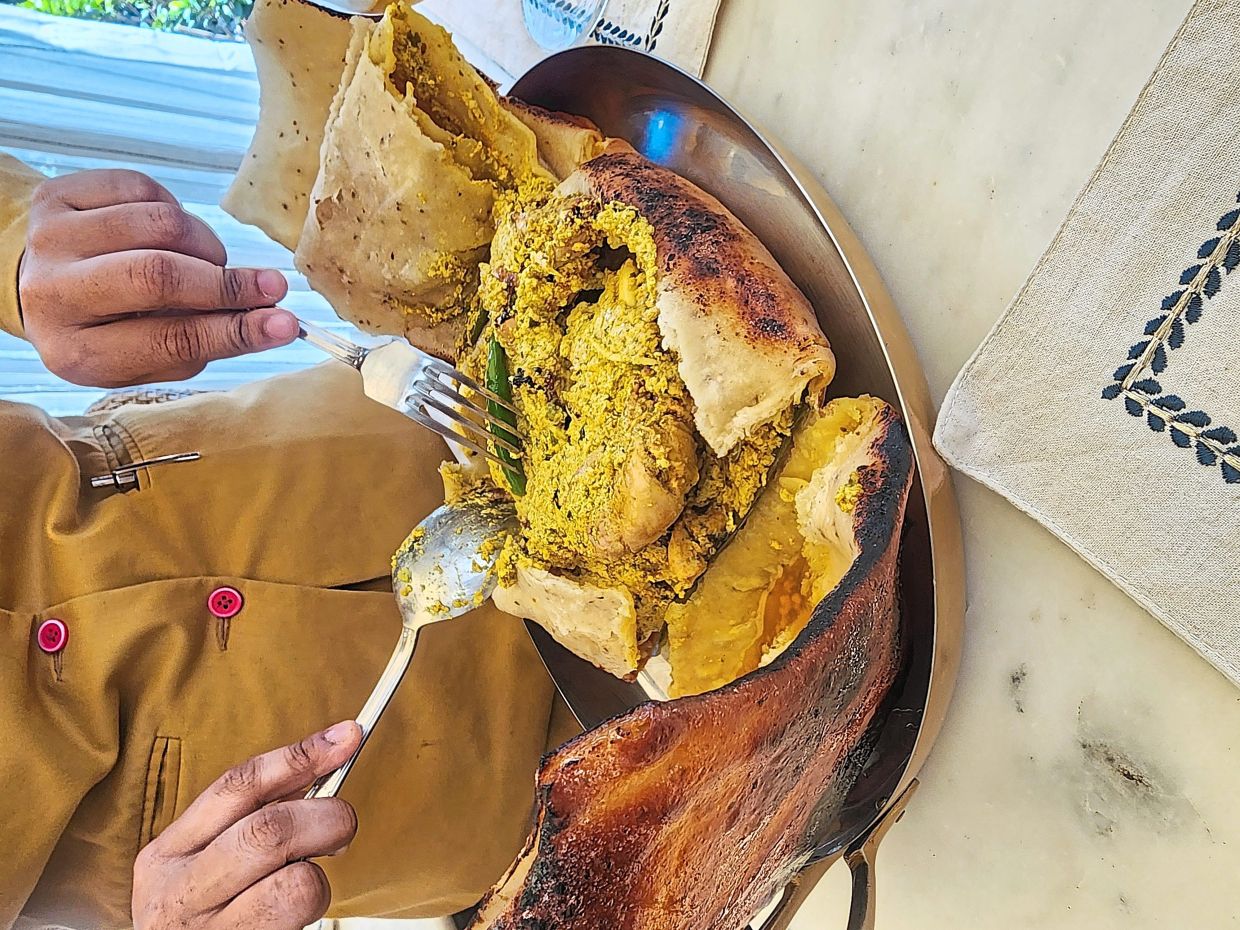
Then there is one of the most special dishes on the menu – Atta Chicken, or chicken wrapped in dough – a dish that hails from the India side of Punjab and has since gained iconic status.
The story is that the dish originates from a small village called Kotpura where a restaurant owner started using leftover dough to encase chicken. He would then leave this dough ball in a tandoor oven overnight to make use of the burning embers of the coal fire.
To make this dish, Rajan and his team first marinate the chicken in yoghurt, almonds and turmeric, then wrap it in dough and leave it in the tandoor oven on low heat for 12 hours to slowly cook it in its own juices.
As a result, the chicken is moist, incredibly succulent and literally bathing in spices and juices, evoking instant, overwhelming pleasure.
Since opening Ikk Panjab, Rajan says they have had visitors from all over the world, most notably non-resident Indians looking for home-style Punjabi food.
“Our restaurant has become a pit stop for many travellers and even locals because you can’t find Punjabi food like this anywhere else,” says Rajan proudly.