When I was growing up, my grandmother would regale me with tales of everything she went through during the Japanese occupation of Malaya (1941 to 1945) – from being separated from my grandfather at one point during the war to travelling to a village with her children in a bullock cart.
Intermittently, she would also tell me how much tapioca she ate during that time. Over the years, my memories of those stories have faded a little, but what has lingered is the enduring impression of how integral tapioca was for many Malaysians during World War II.
Tracing tapioca’s lineage
Across the globe, the tapioca tuber is known by many other names, most commonly cassava, yuca, manioc, mandioca and “ubi kayu” in Malay.
In the Western world, the word “cassava” is used to describe the tuberous vegetable, while “tapioca” often refers to the starch extracted from cassava and used to make elements like tapioca flour and tapioca pearls (of bubble tea fame). But in Malaysia, tapioca typically refers to every part of this root vegetable and its by-products.
“Yes, if you say cassava, nobody understands what that is. Somehow, we call it ‘tapioca’ here,” says 83-year-old Dato’ Seri Abdul Mutalib Datuk Seri Mohamed Razak.
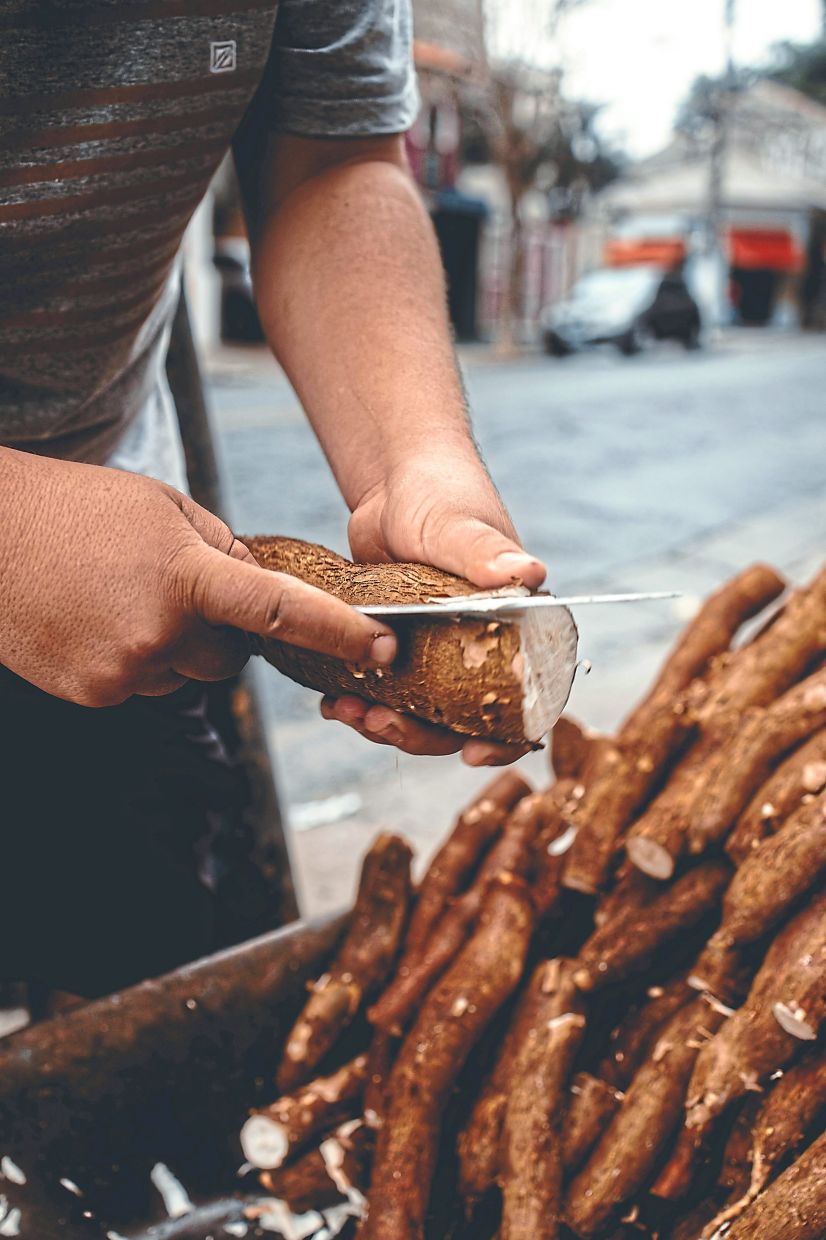
Tapioca tubers are usually cylindrical-shaped and long with dark brown, rough outer skin and an inner core that is off-white. It is a carbohydrate-rich vegetable packed with high amounts of vitamin C and potassium.
The tapioca tuber has roots (literally and metaphorically) that date back 10,000 years to the Amazon basin, most likely Brazil and Bolivia, where it was an important indigenous crop.
In the 16th and 17th centuries, Portuguese traders brought tapioca from South America to Africa and eventually Asia. The first recorded commercial planting of tapioca was in Melaka in 1851.
The crop was considered very hardy and proliferated even through poor soil quality and extreme temperatures. Tapioca typically takes between eight and 12 months to mature to the point of harvest.
The Japanese occupation
At the start of 1941, Malaya was under British administration. By December of that same year, the Japanese began occupying Malaya, eventually taking over the whole country until they finally conceded defeat nearly four years later in September 1945. This era was one of extreme deprivation for all Malaysians across every social stratum.
During the Japanese occupation, there was a severe rice shortage, as this everyday staple was primarily imported from Thailand and Burma. Given the difficulty of transporting rice during the war, the Japanese imposed rice rations starting from 1942, with separate allocations for men, women and children that dwindled as the war progressed.
The Japanese also encouraged self-sufficiency and the cultivation of home vegetable plots as well as the conversion of usable plots of land into home-hewn farms, according to an article by renowned Singaporean cookbook author Lee Geok Boi in BiblioAsia. Over time, the Japanese administration began heavily promoting tapioca as a staple food, with tapioca flour replacing wheat flour to make bread.
This in turn had the effect of effectively forcing Malaysians to turn to and cultivate the sturdy, carbohydrate-rich tapioca to sustain them during those turbulent years.
Rosaline Kagoo is now 92 years old, but when the Japanese occupied Malaya in 1941, she was eight and by the time they left, she was 12.
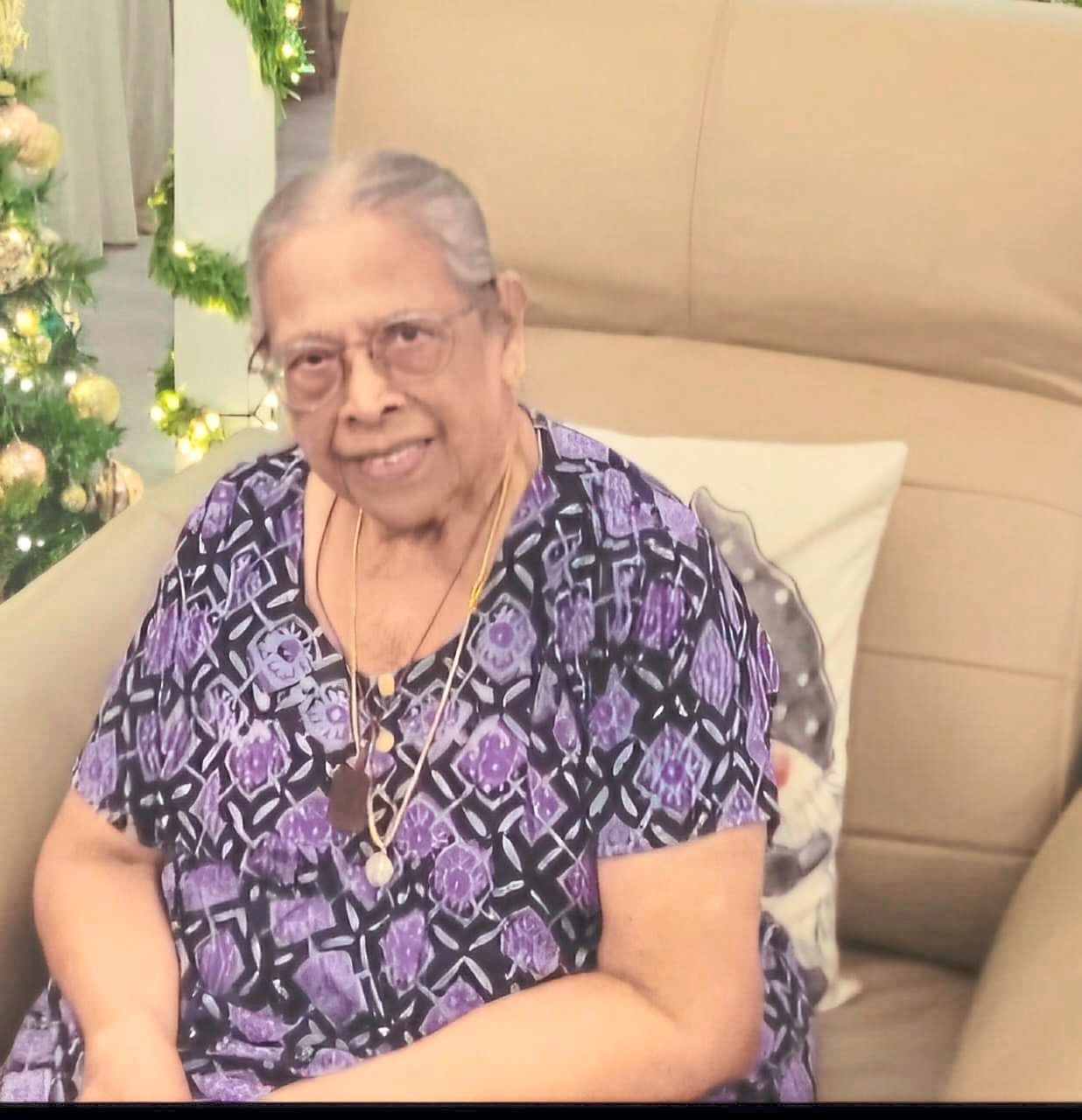
She recalls a childhood where tapioca was pivotal to survival. “Tapioca was very important at that time. We ate it every day like rice – my Amma (mother) would boil it and cook it with some onions and mustard leaves. So every day was tapioca, tapioca, tapioca. It was a very hard time, so we didn’t complain,” she says.
At the time, Rosaline says the only rice available for sale was rice slaked with lime (“sunnambu” in Tamil).
“That rice used to give us stomach aches, so my mother never cooked it for us. The small ration of rice that we got mostly went to my father, and as the youngest in the family, I would only get like a spoonful of rice,” she says, laughing.
Rosaline and her family lived on a small plot of land, so they grew a limited supply of tapioca plants during the war, but she recalls waking up at 5am to make frequent trips with her older brother to a tapioca plantation nearby, where the two would buy their daily staple.
Tapioca also played a protective role for Rosaline during the World War II period as she and her siblings would often hide in the nearby tapioca plantation when there were bombings.

For reference, various parts of Malaysia were bombed between 1941 and 1942 (Japanese bombings) as well as in 1945 (Allied forces).
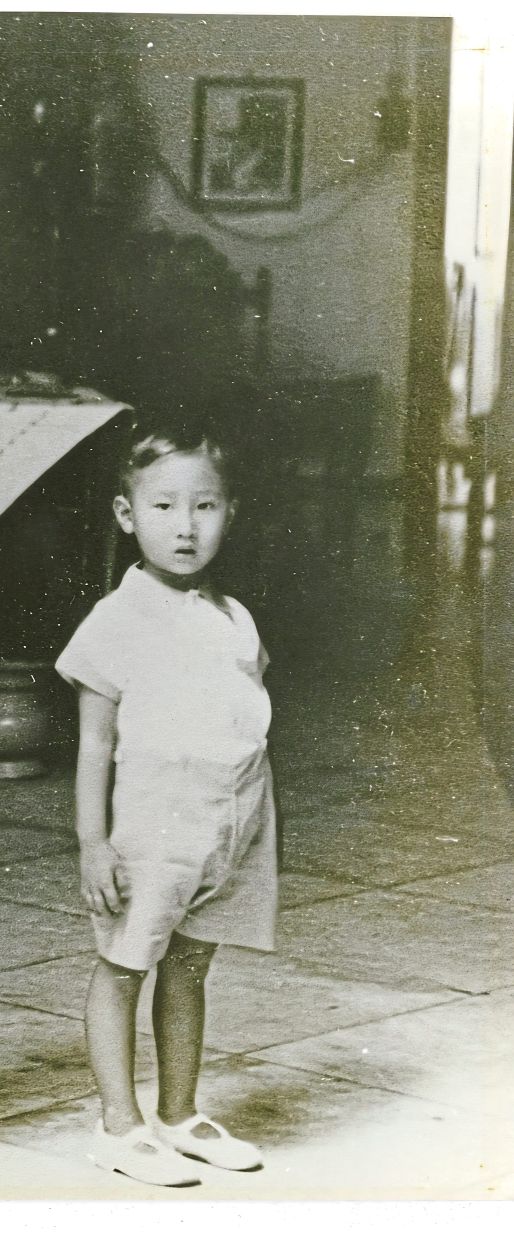
Abdul Mutalib, meanwhile, was only four when the Japanese surrendered and left then-Malaya in 1945. As a result, he has only a hazy recollection of tapioca from that time.
“When the Japanese came, the whole family moved out of our house and into the kampung. From what I understand, tapioca was a staple then. I sort of have a vague memory of someone pulling out tapioca from the roots, so it must have been important for me to remember it,” he says.
At the time, Abdul Mutalib believes that his main diet was probably tapioca and milk sourced from a cow that his father had purchased to supplement his nutritional needs when he was born prematurely.
Henry Chan, 92, meanwhile, was the same age as Rosaline when the Japanese invaded Malaysia and he says he was fortunate that his family had a piece of land to grow tapioca and rice.
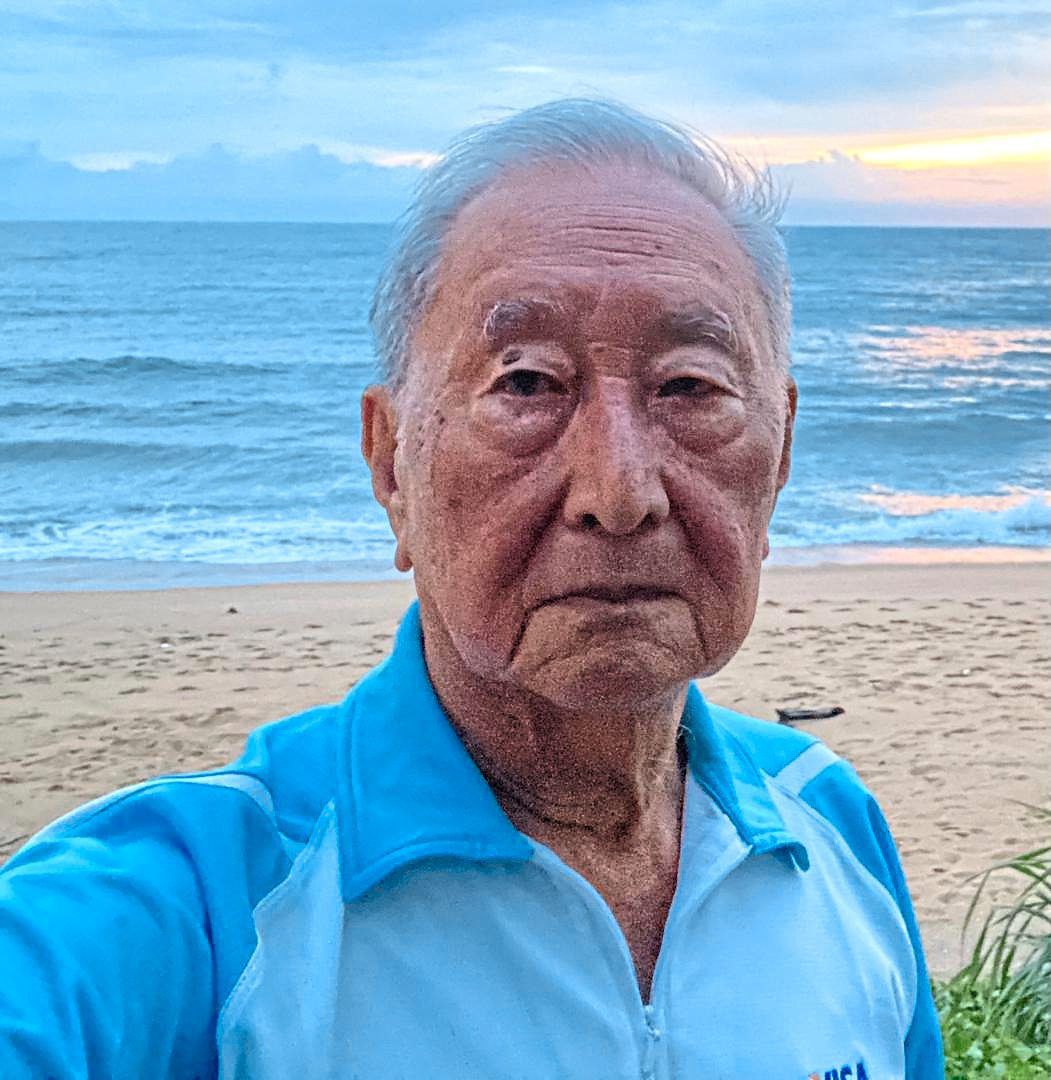
“I was born in 1934, so I experienced it myself as I was a young boy during the Japanese occupation. During those years, my lunch and dinner every day were rice and tapioca.
“My parents grew tapioca on our land in Klebang Besar in Melaka. It was difficult to get rice at the time, but we were lucky to have a little rice field. Sometimes my mother would make a tapioca porridge and sometimes we roasted the tapioca over charcoal and ate it just like that.
“We also had a coconut tree on our land, so once in a while for afternoon tea, we would mix the tapioca with coconut. Tapioca was our only diet, there was nothing else, so that’s really how we survived,” he says.
Many people who made it through the travails of the Japanese occupation eventually developed a strong aversion to tapioca. Although it fed them through tough times, they grew weary of it.
Chan was the youngest of eight siblings and he said that after the war, he and his brothers and sisters were so fed up with tapioca that they barely ate it.
“We only grew it during the war. After that, we were all sick of it, so we didn’t eat it anymore,” he confirms.
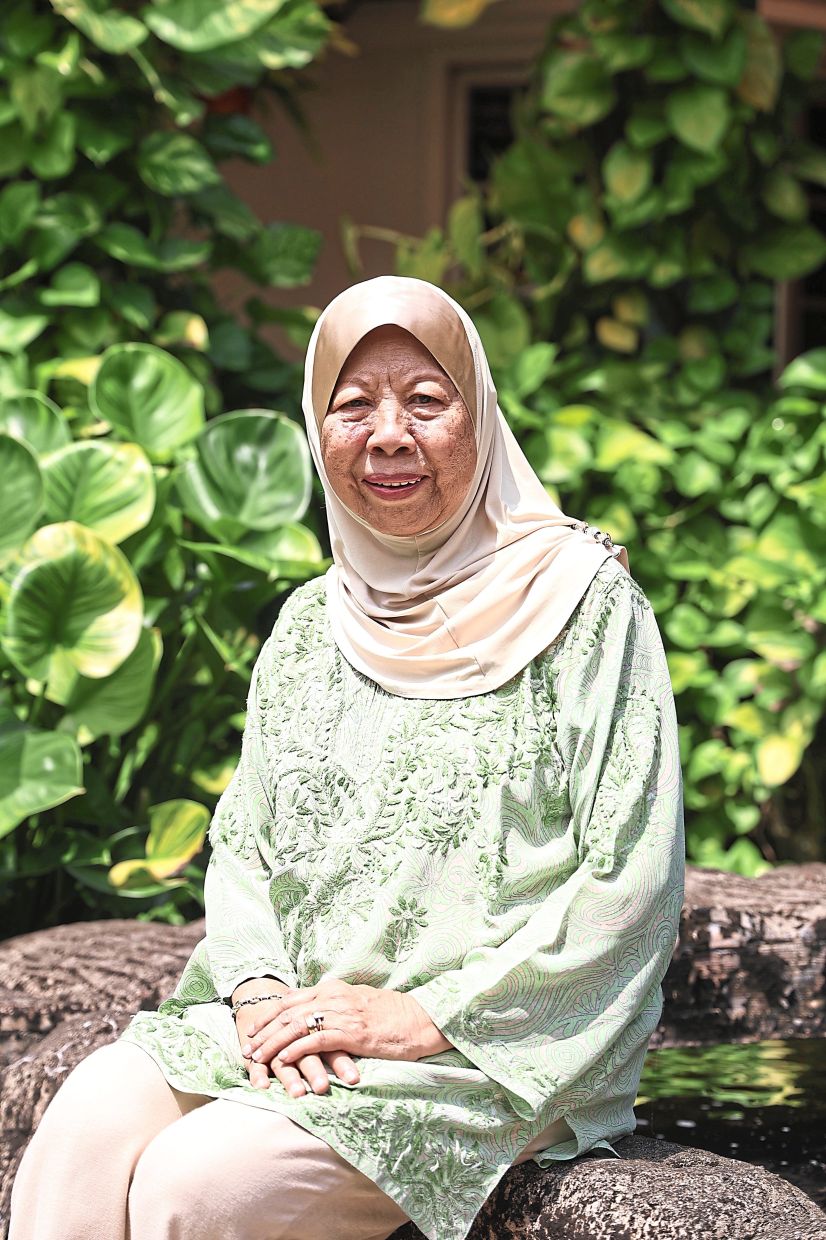
Renowned 84-year-old cookbook author, Malaysian food documentarian and StarLifestyle columnist Datin Kalsom Taib was very young when the war ended in 1945, but she has some memories and many passed-down stories about tapioca during that time.
“The war was a difficult time for my family. I had an older brother who died in 1941 of severe diarrhoea because at the time, there was little access to clean water. I was born in August 1942. When the war came, my parents left Muar, Johor, for my paternal grandmother’s house nearby in Parit Bakar, Johor. She had lots of land and she grew sweet potatoes and tapioca.
“My grandmother was so versatile – she could turn tapioca into getuk-getuk ubi, where she pounded it and fried it; she made lempeng ubi (tapioca pancakes) using tapioca flour; kerepek ubi (fried tapioca chips); and even masak lemak ubi (tapioca cooked in coconut milk).
“I was very young when the war ended, but my mother used to tell me stories about what it was like during the Japanese occupation, and I grew up eating all of my grandmother’s inventive tapioca dishes, so I really love tapioca,” says Kalsom.
Versatile vegetable
Because tapioca is a starchy root vegetable with a similar – although denser – textural profile than potatoes – it serves as a blank canvas that can be incorporated into a range of dishes.
Kalsom believes that many tapioca-based Malaysian recipes were probably developed during the Japanese occupation of Malaya because home cooks would inevitably have been trying to stretch a single ingredient multiple ways so they could have a more diverse spread of dishes instead of eating the same thing every time.
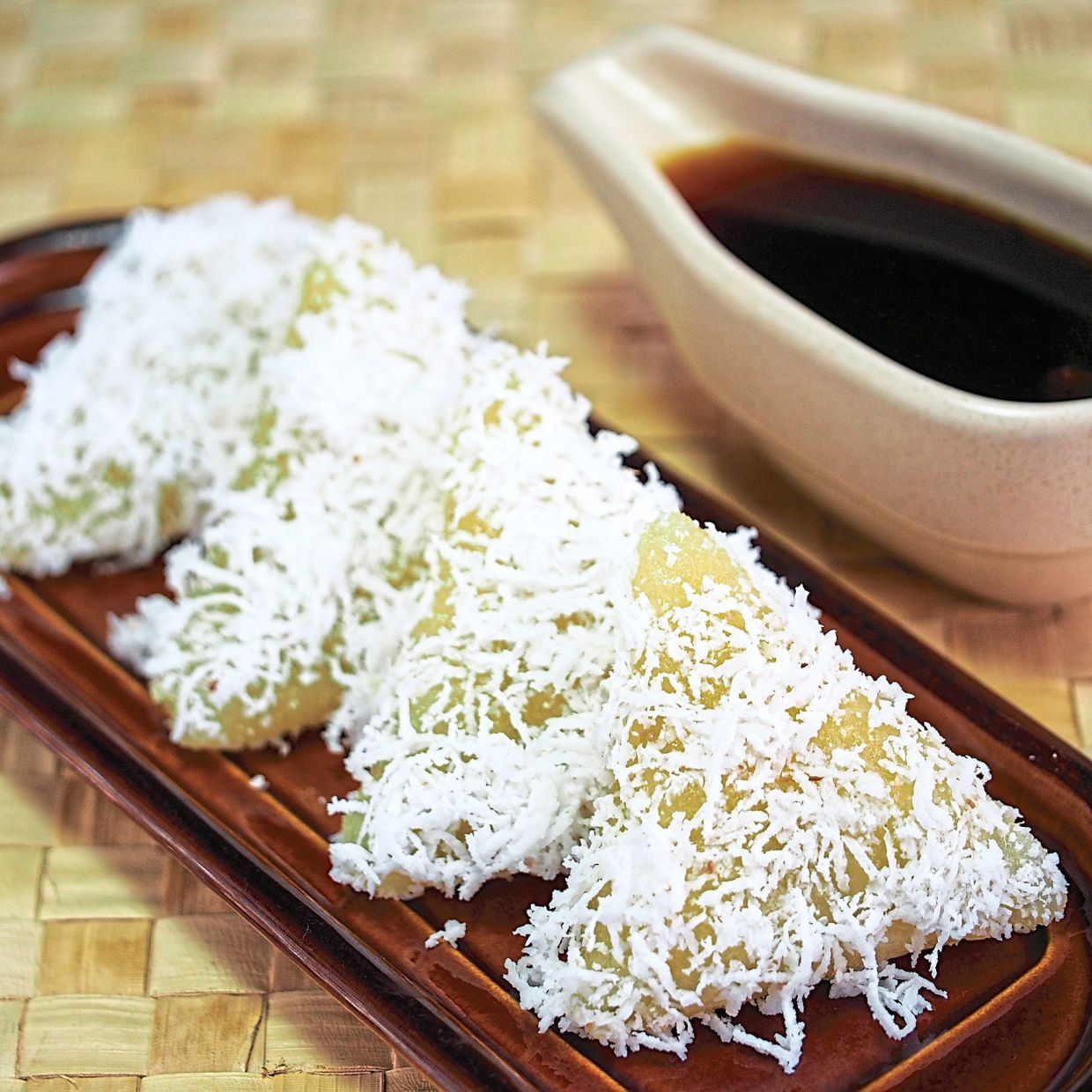
“People probably became more creative because just boiling tapioca was pretty boring,” says Kalsom.
Kalsom says her grandmother, for instance, made lots of tapioca-based kuih like tapai pulut ubi (made with ragi, tapioca and sugar); lopes ubi kayu (fashioned out of tapioca starch, gula Melaka and coconut milk); ubi kayu bersira santan (fried tapioca with coconut milk and gula Melaka); pengat ubi kayu (tapioca fritters cooked with coconut milk, sago, gula Melaka and pandan); wajik ubi (a tapioca Johor speciality); tepung talam ubi kayu (made with grated tapioca, tapioca flour, sugar and coconut milk); and bingka ubi bakar (a baked tapioca-based kuih) – to name a few.
Her grandmother’s botok-botok (grated coconut flesh mixed with main ingredients like fish and wrapped in banana leaves) also deviated from the norm by utilising tapioca leaves as a wrapping medium.
This sense of creativity spread far and wide – in Negri Sembilan, Kalsom says there is a rendang pucuk ubi (which uses tapioca shoots) as well as masak lemak cendawan kukur with pucuk ubi. In Sabah, there is a dish called tompeh or tenompeh where tapioca is scraped, fried and eaten like rice.
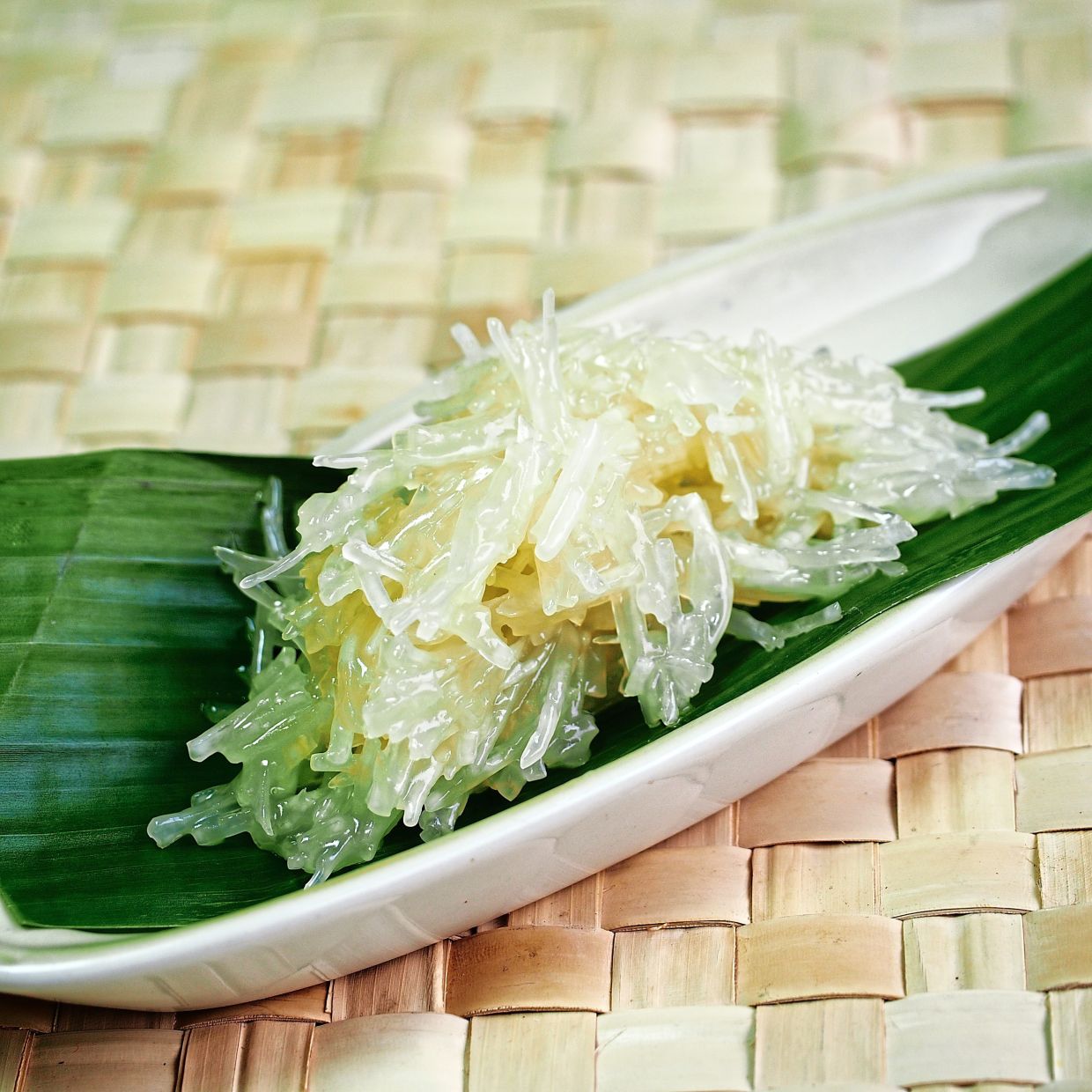
Then there are the rich stable of war-time tapioca creations which remain the domain of Malaysian family recipes and home kitchens.
Rosaline’s 85-year-old sister-in-law Betty Vincent was just a young child during the Japanese occupation, but after marrying Rosaline’s brother MJ Vincent, she learnt how to make many of the tapioca recipes that her mother-in-law had crafted to stave off starvation.
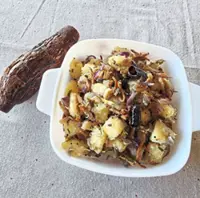
“I believe my mother-in-law created her special dish of stir-fried tapioca during the war – I still make it today. She would fry boiled, cubed tapioca with lots of onions, mustard seeds, curry leaves, dried chillies, a little bit of soy sauce and then add fried ikan bilis to this too,” says Betty.
Betty also remembers her mother-in-law’s “Japanese thosai”.
“I think she called it that because they created it with just a few ingredients during the Japanese occupation. So she used tapioca flour and a bit of sugar and salt to create a version of thosai. Sometimes – even till today – the family will have Japanese thosai,” says Betty, smiling.
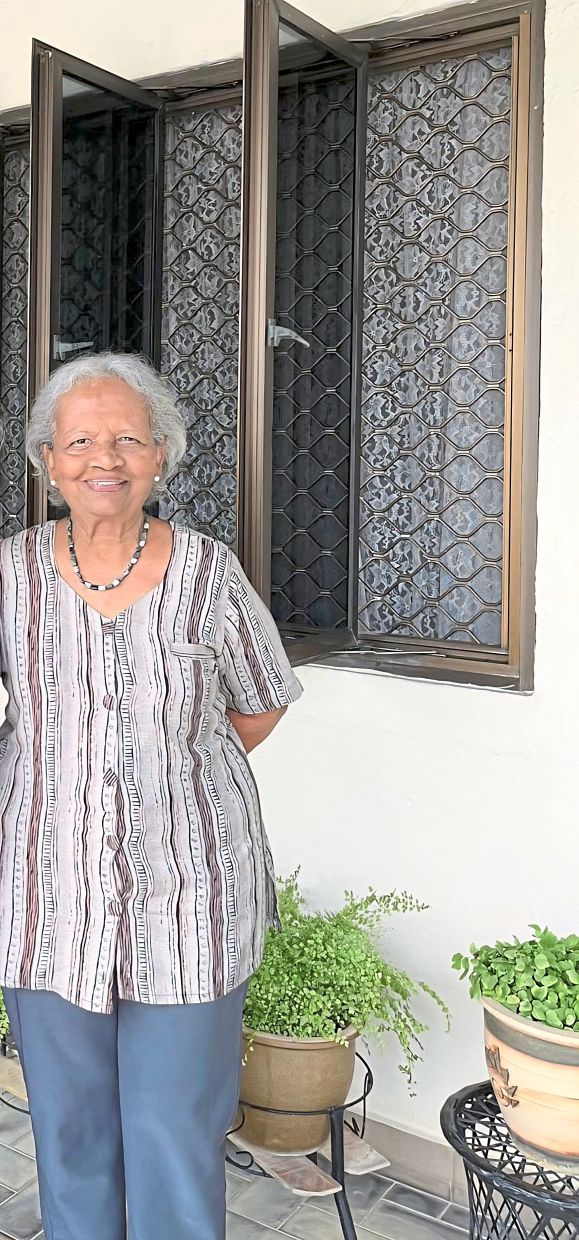
Ultimately for many elderly Malaysians, tapioca is deeply intertwined with the spirit of resilience that lived among locals during the Japanese occupation.
While its popularity among the younger generation may be limited to the tapioca balls in the now-ubiquitous boba tea, one thing remains clear: many older Malaysians wouldn’t have made it through World War II without tapioca.
“It was the only thing we could get to eat – there wasn’t really anything else. Without tapioca, we probably wouldn’t be alive today,” concludes Rosaline.