Harith Rafael Jazrie Edzuan, 18, seemed fidgety as he waited for his routine dental check-up at the Dental Care clinic at Universiti Teknologi Mara's (UiTM) Faculty of Dentistry in Puncak Alam, Selangor.Holding a vibrating toothbrush, the teenager with autism paced up and down the corridor.
But to his mother, Arni Juliana Shamhudi, 51, this is a much calmer version of her son.
"He's been coming to this dental clinic since 2017, so he's familiar with the surroundings. He knows it's a routine dental check-up and he's comfortable with the dentists," she says.
It was not always this easy for the widowed mother of three, two of whom are autistic.
Harith Rafael has high support needs and sensory processing difficulties. He can also become distressed and aggressive, including biting and scratching, making dental visits particularly challenging.
His sister, Hannah Mikhaela Jazrie Edzuan, 22, has high-functioning autism, attention-deficit/hyperactivity disorder (ADHD) and depression. Unlike Harith Rafael, she is able to communicate her needs, while he is non-verbal and requires more support.
There was a time when Arni Juliana, from Kota Damansara, Petaling Jaya, Selangor, struggled to take her son for dental check-ups. Some clinics turned him away because they were not equipped to meet his needs.
"I used to take him to our family dentist, who also has a child with special needs, for dental treatments. But my son refused to stay long in the clinic and ran off to our car," says Arni Juliana, who left her job as an auditor at an international technology firm in Kuala Lumpur to care for Harith Rafael after he was diagnosed with severe autism at the age of five.
"We tried twice... but he got angry, had meltdowns and attacked me and others... so I had to stop taking him for dental treatments," says Arni Juliana, pointing to the marks and scratches on her forearms left by Harith Rafael's biting and scratching.
Fortunately, a friend referred her to UiTM's dental clinic, which was equipped to meet her son's needs and offered free treatment to patients with an OKU card.
UiTM's special care dentistry (SCD) clinic was launched in 2016. Since then, the unit has treated close to 750 individuals with special needs.
Currently, there are 11 SCD specialists under the Higher Education Ministry and 17 under the Health Ministry, says Assoc Prof Dr Ilham Wan Mokhtar, 42, a paediatric dentistry and special care consultant at UiTM's Faculty of Dentistry.
The sensory challenge
Autism spectrum disorder (ASD) is a developmental condition that affects how a person communicates and interacts with others. It is called a spectrum because people with autism can have different characteristics, abilities and support needs.
Sensory differences are also common. Some autistic people may be particularly sensitive to sounds, lights, smells, textures or touch.
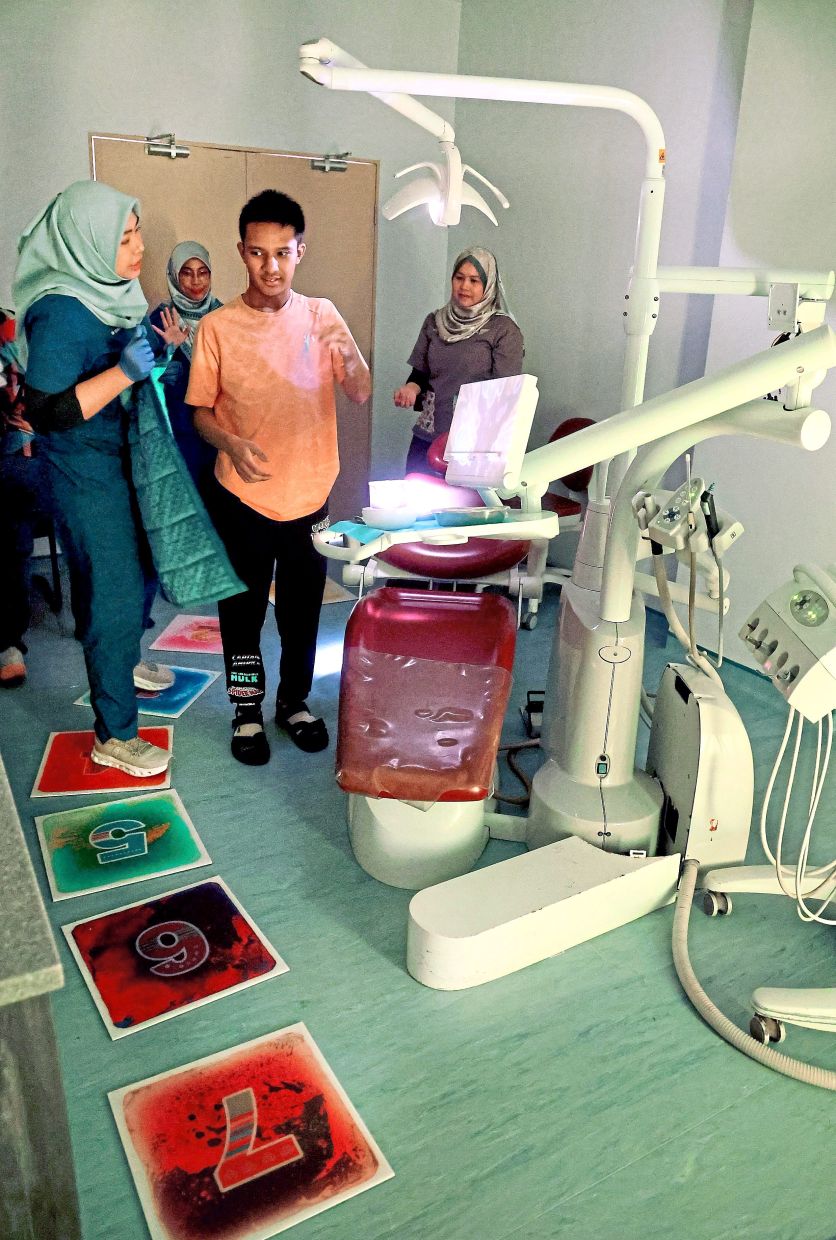
Bright lights, unfamiliar surroundings, the smell of dental materials and the sensation of instruments inside the mouth can be overwhelming. The high-pitched whirring of a dental drill and the noise of a suction tool, which may seem ordinary to most people, can trigger anxiety and distress.
For children who are non-verbal or have intellectual impairments, communicating pain or discomfort can also be difficult. They may not understand what the dentist is doing or why they need to remain still during treatment.
Working closely with parents and caregivers helps dentists understand each child's preferred phrases, behavioural triggers and non-verbal cues, says Dr Ilham.
"Building familiarity is equally important. Introducing the dental team before treatment, maintaining the same care team where possible and speaking with both the child and caregivers can help dentists understand the child's triggers, communication preferences and comfort needs."
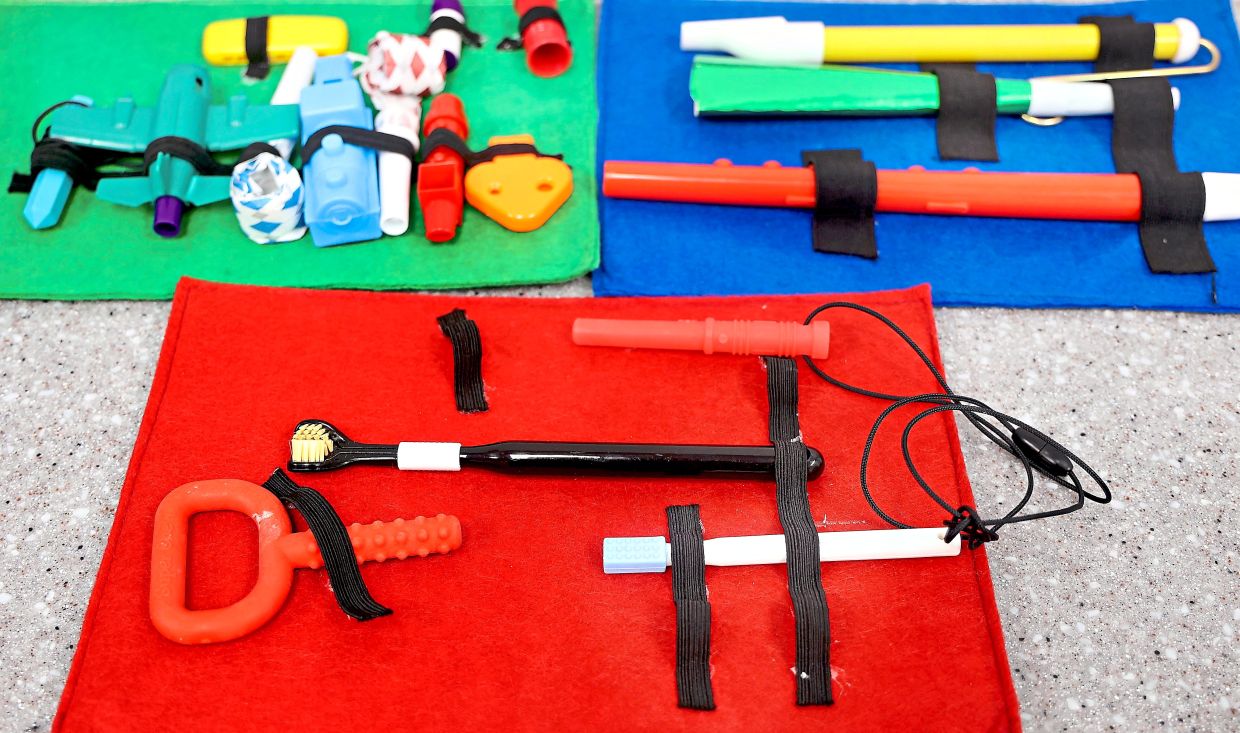
The type of dental treatment given also depends on the child's needs and ability to cooperate. Procedures may include examinations, scaling, fluoride application, fillings and extractions.
"Non-verbal patients' pain must be assessed using clinical observation, standardised methods, biological monitoring and caregiver insights. We can use a pain scorecard system and standardised evaluation tools to track physiological vital signs and observe changes in their behaviour," Dr Ilham says.
For children who are unable to tolerate certain procedures while awake, sedation or treatment under general anaesthesia may sometimes be considered, depending on the complexity of the treatment and the patient's medical and behavioural needs.
A 2024 study entitled, "Oral Health Care in Children with Disabilities: A Narrative Review," found that children with disabilities have higher rates of tooth decay and gum disease and are more likely to have irregular dental visits because of challenges faced by their parents or caregivers.
The review, published in the International Islamic University Malaysia's Journal Of Orofacial And Health Sciences, called for a more comprehensive approach, including oral-health education, dental outreach programmes and behaviour-management strategies to improve access to dental care for these children.
Creating a calmer environment
At UiTM's Dental Care clinic, dentists have adopted a different approach to cater to patients with different needs.
Within the spacious clinic is a separate room called the Sensory Adapted Dental Environment (Sade), designed to make dental visits more comfortable for patients with autism, developmental disabilities or high dental anxiety.
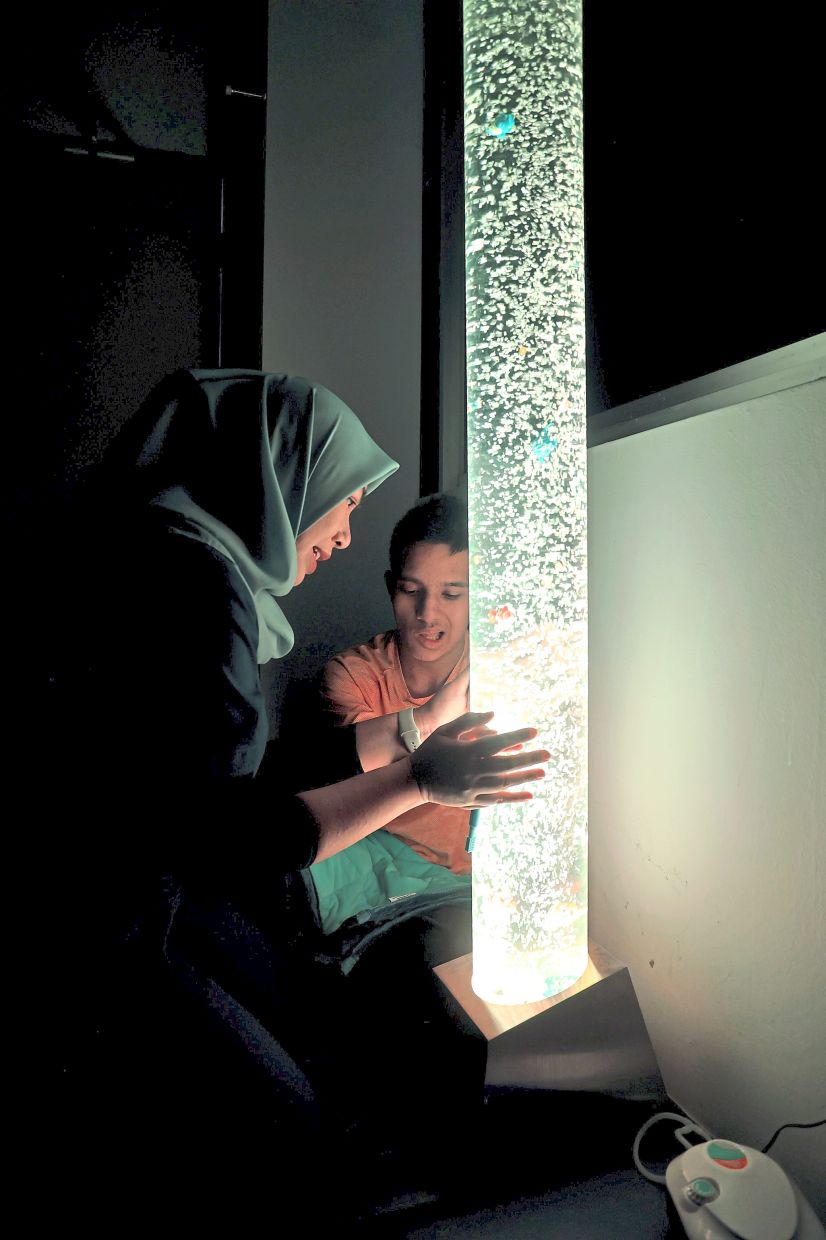
A cylindrical bubble water tube, complete with colour-changing lights and floating objects such as artificial fish and balls, is another highlight.
The clinic is designed to help reduce anxiety and distress, making it easier for patients to cope with the dental environment, says Dr Ilham.
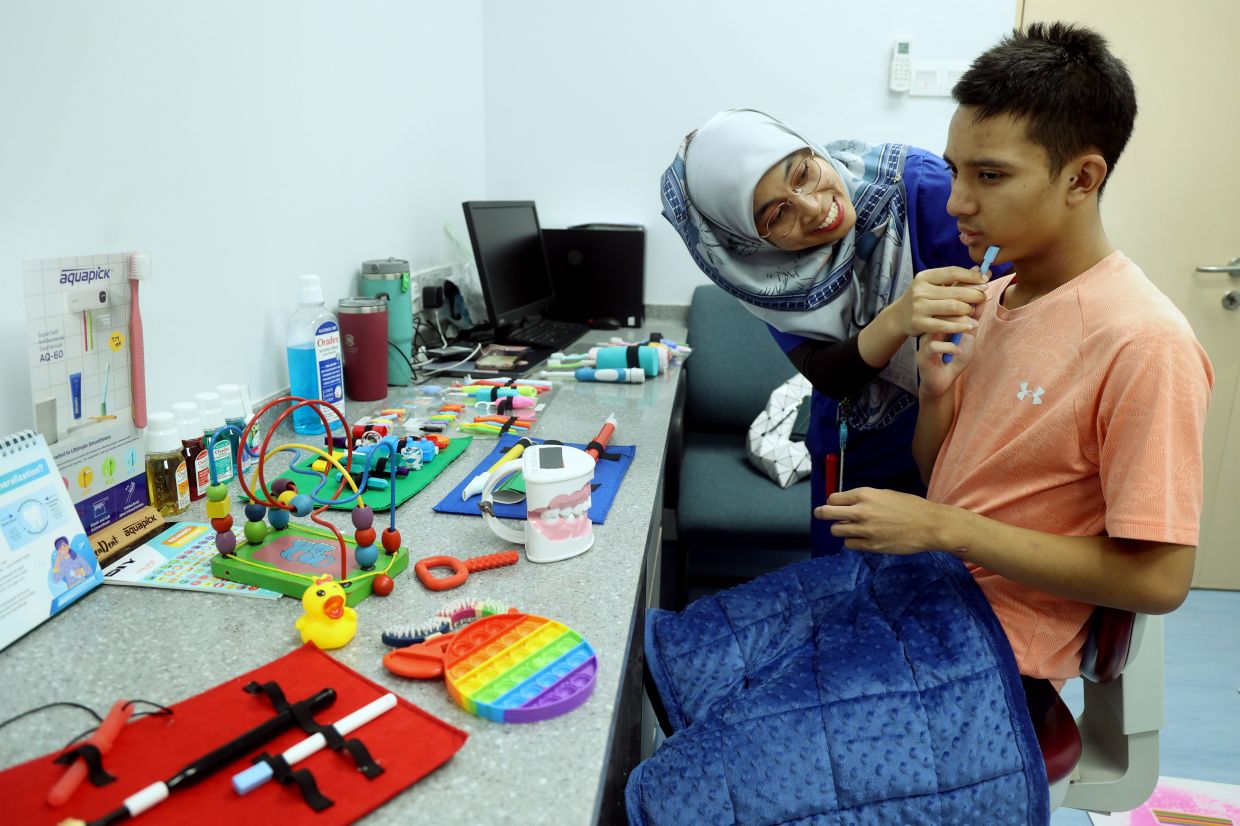
"Simple measures such as using noise-cancelling headphones or calming music, softer lighting, dark glasses, reducing strong clinical smells and using weighted blankets can help children with special needs feel calmer.
"Keeping sharp, unfamiliar or threatening equipment out of the child's direct line of sight, and removing physical clutter and obstacles from routes helps the child too."
Dentists can also use the Picture Exchange Communication System (PECS), which uses picture cards to help individuals who have difficulty speaking express their needs and understand instructions.
Short, positive instructions such as "Open wide like a dinosaur" or "Hands on your tummy", are preferable to abstract or negative commands such as "Don't move", Dr Ilham advises.
"Some children may need time to become familiar with the dental chair, instruments and surroundings before treatment begins. Others may benefit from shorter appointments, fewer distractions, visual cues or having a parent or caregiver nearby."
Working together
For Arni Juliana, helping Harith Rafael cope with dental visits involves preparation and close cooperation with the dental team.
Before their first visit to UiTM's clinic, she had question-and-answer sessions with the team so they could better understand his needs and how to manage him during treatment.
"Parents need to work together with the dentist and team to find the best way to handle their child during dental visits. Trial and error is part of the learning process for parents, children and healthcare professionals. What works for my child may not work for others," says Arni Juliana, who currently works as a bocce coach for Special Olympics Malaysia.

Preparing Harith Rafael before an appointment is also important. Arni Juliana ensures he has eaten and had enough to drink, wears comfortable clothing and is prepared for the visit.
She watches for sensory triggers, such as bright lights, loud noises and too many people in the room, and tries to minimise them.
Arni Juliana also uses breathing exercises, counting and emotional freedom technique (EFT) tapping to help him manage his distress.
For parents who continue to struggle with getting dental care for their children, Arni Juliana hopes they will not give up.
"If a clinic's approach is not suitable for your child, seek other options. Every child is different, and parents know their children best."
In ending, she hopes more dentists will receive training in special care dentistry and that government healthcare facilities will expand access to dental services for people with special needs.
Working closely together
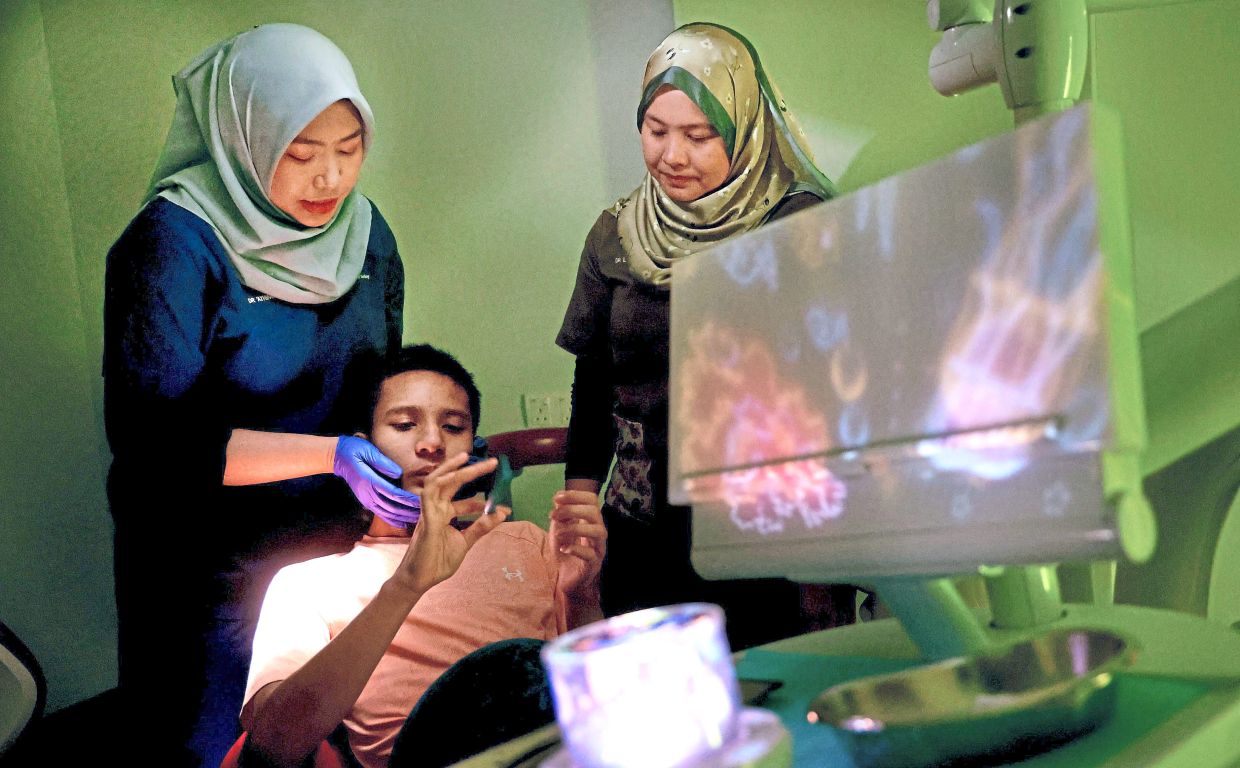
Dr Nur 'Athifah Jusoh Mohd Zaki (left) and Dr Ilham talk gently to Harith Rafael to reassure him and help him feel more comfortable before his dental treatment. Photos: The Star/KK Sham
Dr Syafiqah Aina Suhardia patiently attends to Harith Rafael, taking time to help him feel comfortable during his dental visit.
Photo: The Star/KK Sham
Numbers on the floor and dimmed lighting help create a calmer environment for Harith Rafael before his dental treatment.
Photo: The Star/KK Sham
The gentle movement of bubbles and soft lighting can help calm Harith Rafael (right) by reducing anxiety and sensory overload.
Photo: The Star/KK Sham
Toys offering different sensory experiences can help children with autism feel calmer and more comfortable in dental clinics.
Photo: The Star/KK Sham
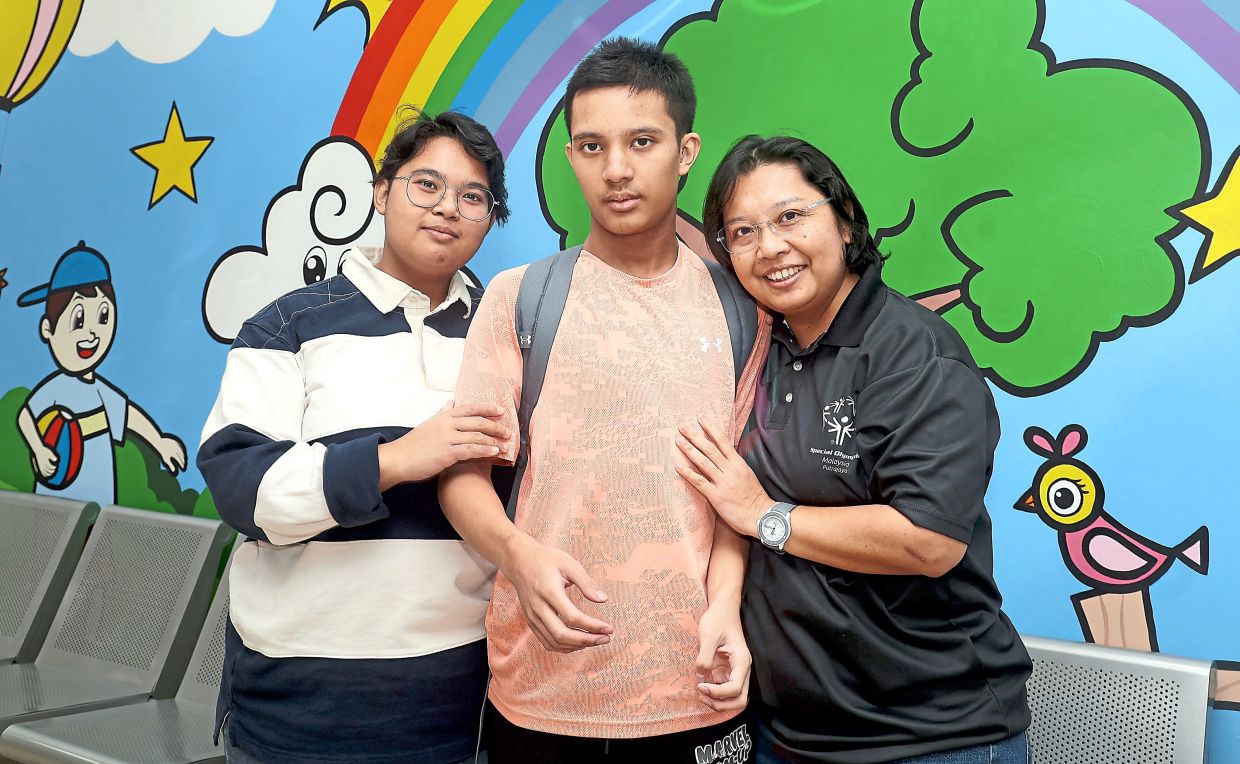
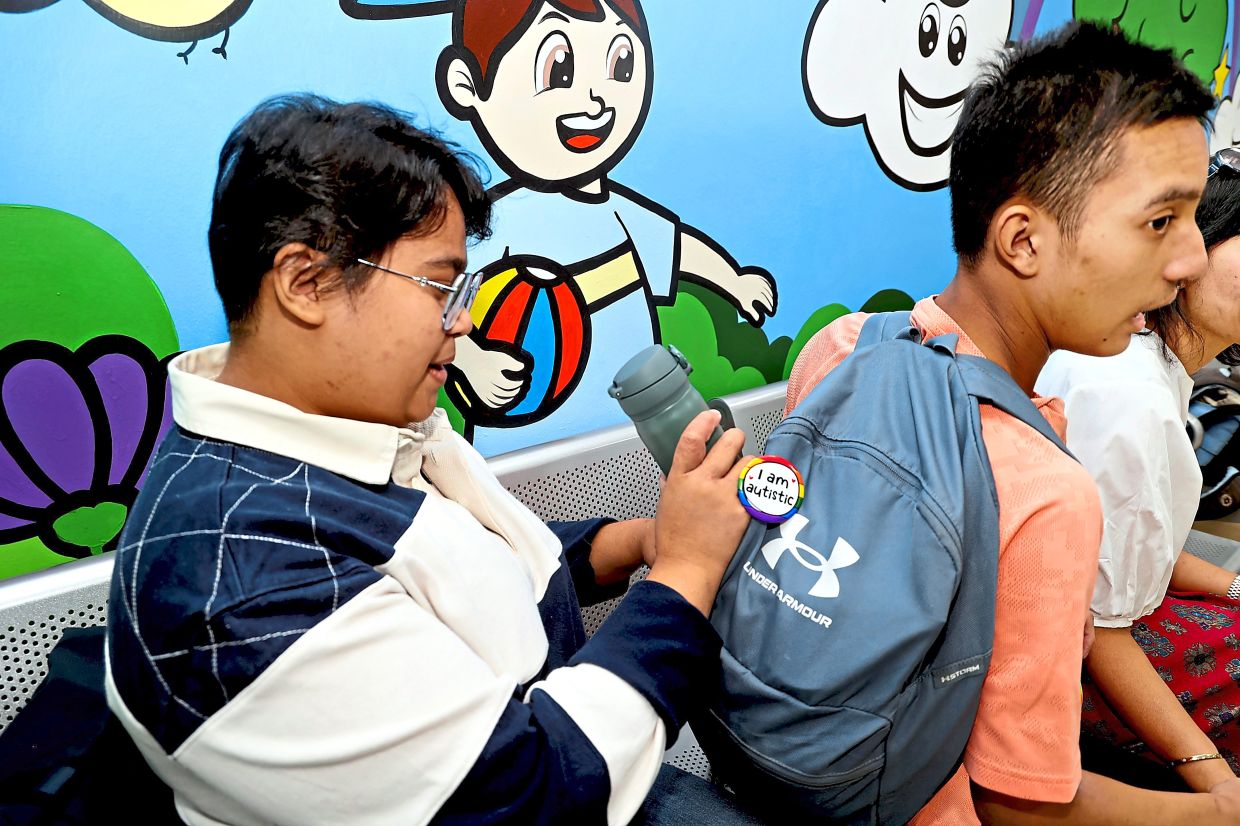
Caring for Harith Rafael (right) can be challenging but Hannah Mikhaela remains patient and understanding of her brother's needs.
Photo: The Star/KK Sham
Arni Juliana (right) says understanding her children's individual needs is key to ensuring they receive the dental care they need.
Photo: The Star/KK Sham
Regular dental check-ups are important for children with autism to prevent tooth decay and gum disease.
Photo: The Star/KK Sham
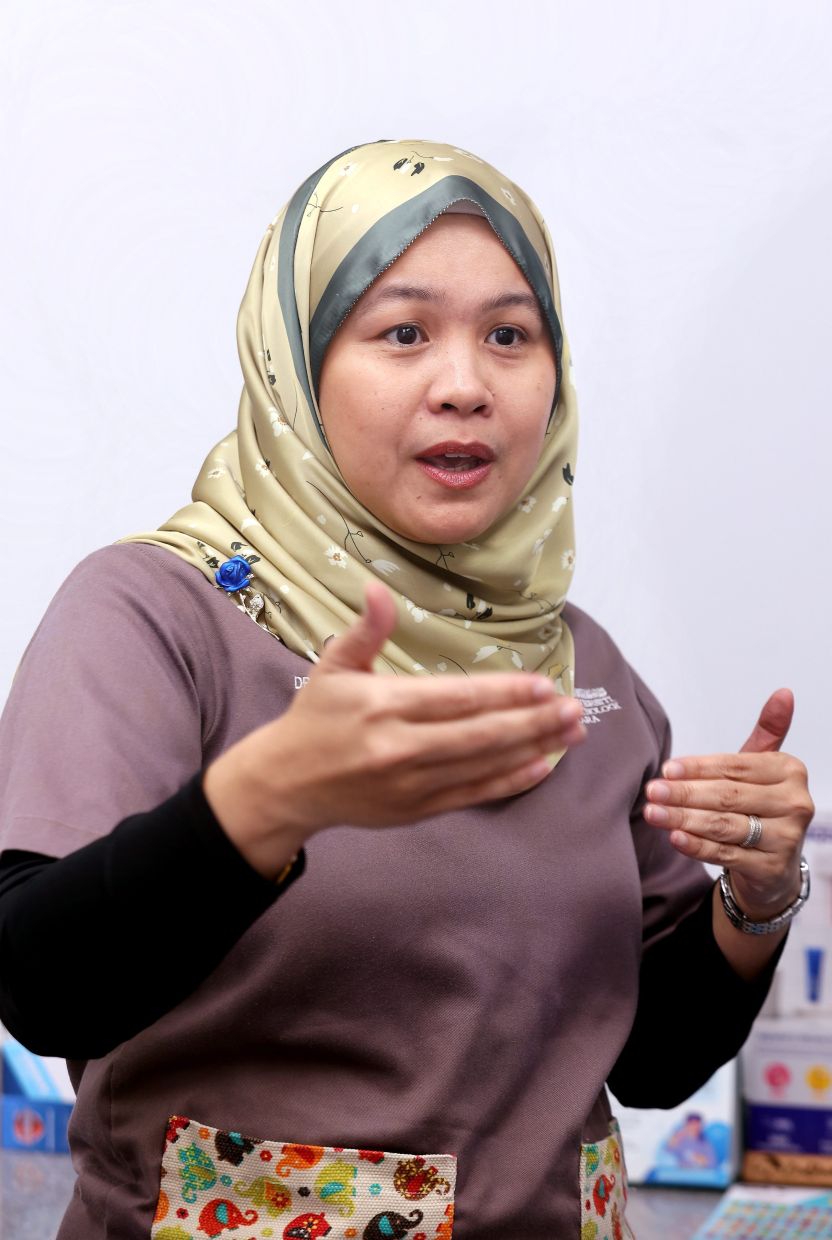
'Building familiarity helps dentists understand a child’s triggers, communication preferences and comfort needs,' says Assoc Prof Dr Ilham.
Photo: The Star/KK SHAM