All Foo Yi Xeng, 25, and Sky Soong Kok Yaw, 44, want is a chance to earn a living. But for the visually impaired friends, finding work is challenging.
“It is difficult for us to find jobs because we are disabled,” says Foo during an interview in Brickfields, Kuala Lumpur.
But with a little help and an opportunity to start their own business, they are hoping to create not only a livelihood for themselves, but also employment opportunities for other visually impaired individuals.

Since last month, Foo has been running a stall selling drinks and food in Brickfields, while Soong manages another outlet in Taman Midah, Cheras. They are both partially blind.
The business, called Blind Brew, was made possible with an approximately RM5,000 funding from KL-based non-governmental organisation Persatuan Amal Indah (PAI), which helped the men get started.
Some drinks, such as soya bean and lemonade, are pre-packed in sealed containers, while hot drinks are prepared using a machine. Fruit juices and cendol are made on the spot.
Prices are kept affordable: a 500ml container of lemonade costs RM3.50, while cendol and fruit drinks are RM6 each.
“Sometimes we have to do things slowly because we have limited eyesight. Business is sometimes okay, sometimes not so good. And when there is no business, that is also a problem for us.
“We operate from a stall, and it can get hot. It is tough but we need to earn money to survive,” says Soong, who previously worked as a massage therapist.
Giving them a chance
Running a business comes with its own challenges for people with limited eyesight. Tasks can take longer, while getting supplies and setting up the stall often require assistance from family and friends.
“They are still new, so they are going through the teething stages. They are learning how to manage the business and doing things step by step,” says Chew, adding that supplies are delivered to the stalls.
She adds that PAI hopes to open another Blind Brew stall in Cheras, and hire another visually impaired person.
The initiative is also about changing perceptions about people with disabilities. “Some people don’t understand that there are different degrees of visual impairment and different ways of helping. We hope people will understand that blind people can work too.”
Foo, who was born and raised in Alor Setar, Kedah, underwent vocational training in information technology at the Malaysian Association of the Blind’s (MAB) Gurney Training Centre (GTC) in Brickfields.
He says visually impaired people can achieve much more when given the opportunity.
“We are adaptable, and many of us have undergone training to improve our skills. We are willing to take on new challenges. The issue is that we aren’t given the chance,” says Foo, who now lives in KL.
Training for independence
Like Foo and Soong, many visually impaired Malaysians struggle to find jobs. According to the Department of Statistics Malaysia’s Persons with Disabilities Statistics 2022, there were 674,548 registered persons with disabilities in the country, making up about 2% of the population.
Meanwhile, Department of Social Welfare statistics showed that, as of July 2024, there were 61,112 registered visually impaired individuals in Malaysia.
Some employers continue to have misconceptions about their capabilities, including the belief that they may be less productive than other workers. Others may be concerned about the cost of making workplace adjustments to meet their needs.
But Foo believes these barriers can be overcome. “Give us a chance and we will show you what we can do,” he says.
A 2025 research paper, “Crafting Employment for Persons with Learning Disabilities is a Sound Socio-economic Stratagem”, highlighted the need for greater employment opportunities for persons with disabilities.
The study, published by the Penang Institute, suggested that Malaysia could consider sector-specific hiring targets for persons with disabilities while improving employer readiness to create more inclusive workplaces.
At GTC, visually impaired trainees are given the opportunity to develop practical skills to help them enter the workforce or become more independent. Courses offered include office management, computer system operations, massage therapy, reflexology, audio production, piano tuning and contact centre training.
The centre can accommodate up to 80 visually impaired trainees aged 18 and above at a time. Applicants must have at least a Form Three qualification.
MAB chief executive officer Datuk George Thomas hopes more organisations will recognise the abilities of people with visual impairment and provide them with employment opportunities.
“Once someone secures meaningful employment, the impact goes beyond earning a salary. They can support themselves, reduce their dependence on family members and build confidence.
“With an accessible and inclusive working environment, they are capable of performing a wide range of roles,” he said.
Thomas added that in 2024, 29 trainees graduated from GTC in their respective programmes, including office administration, reflexology and audio production.
“We want to see training lead to employment, employment lead to financial independence, and independence lead to fuller participation in society.
“When a visually impaired Malaysian earns an income and contributes through his or her profession, that person moves from being perceived as someone who needs assistance to an active contributor to our economy and society,” Thomas said.
Brewing a better future
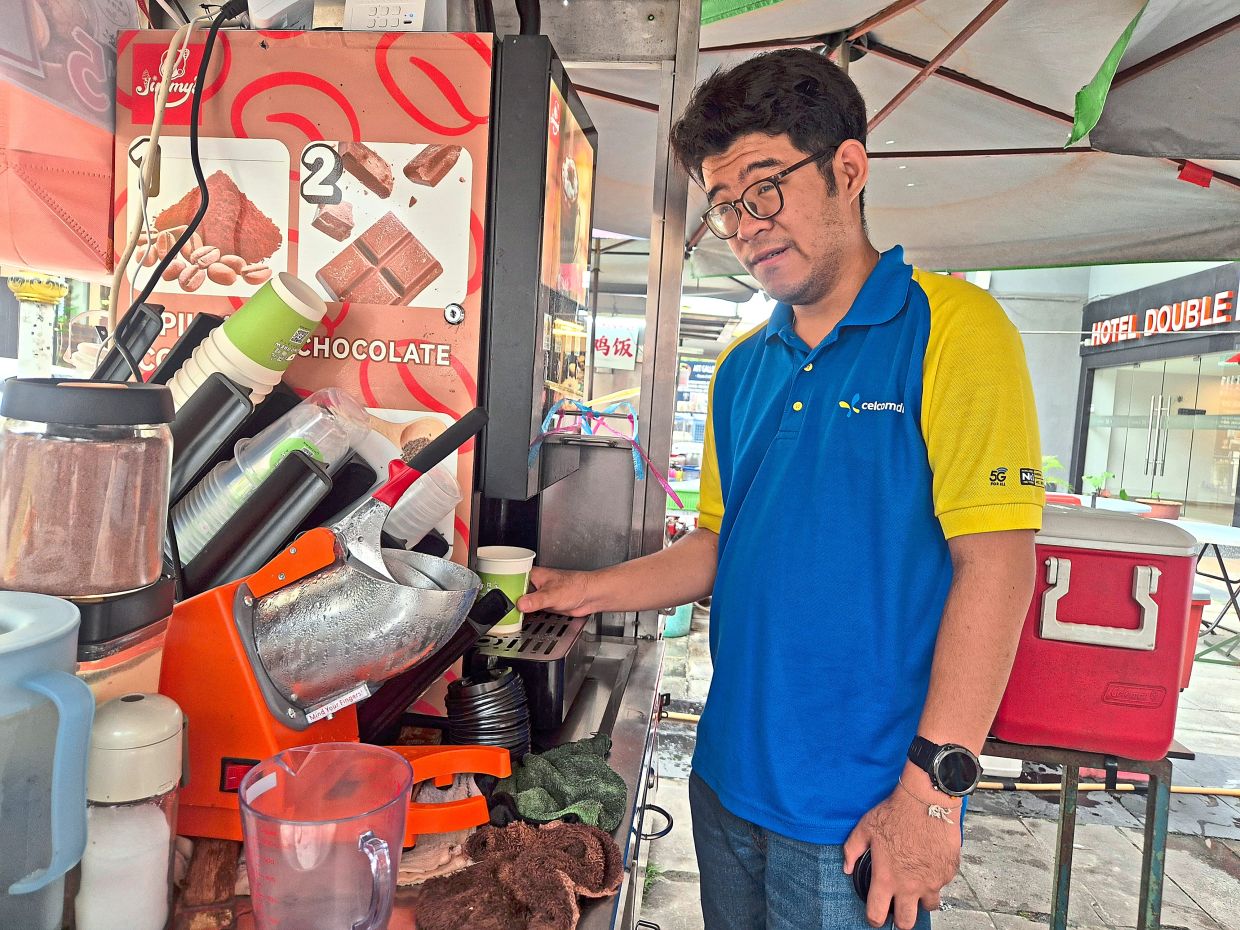
Foo prepares a hot drink using the coffee machine at the stall. Photos: The Star/Sheela Chandran
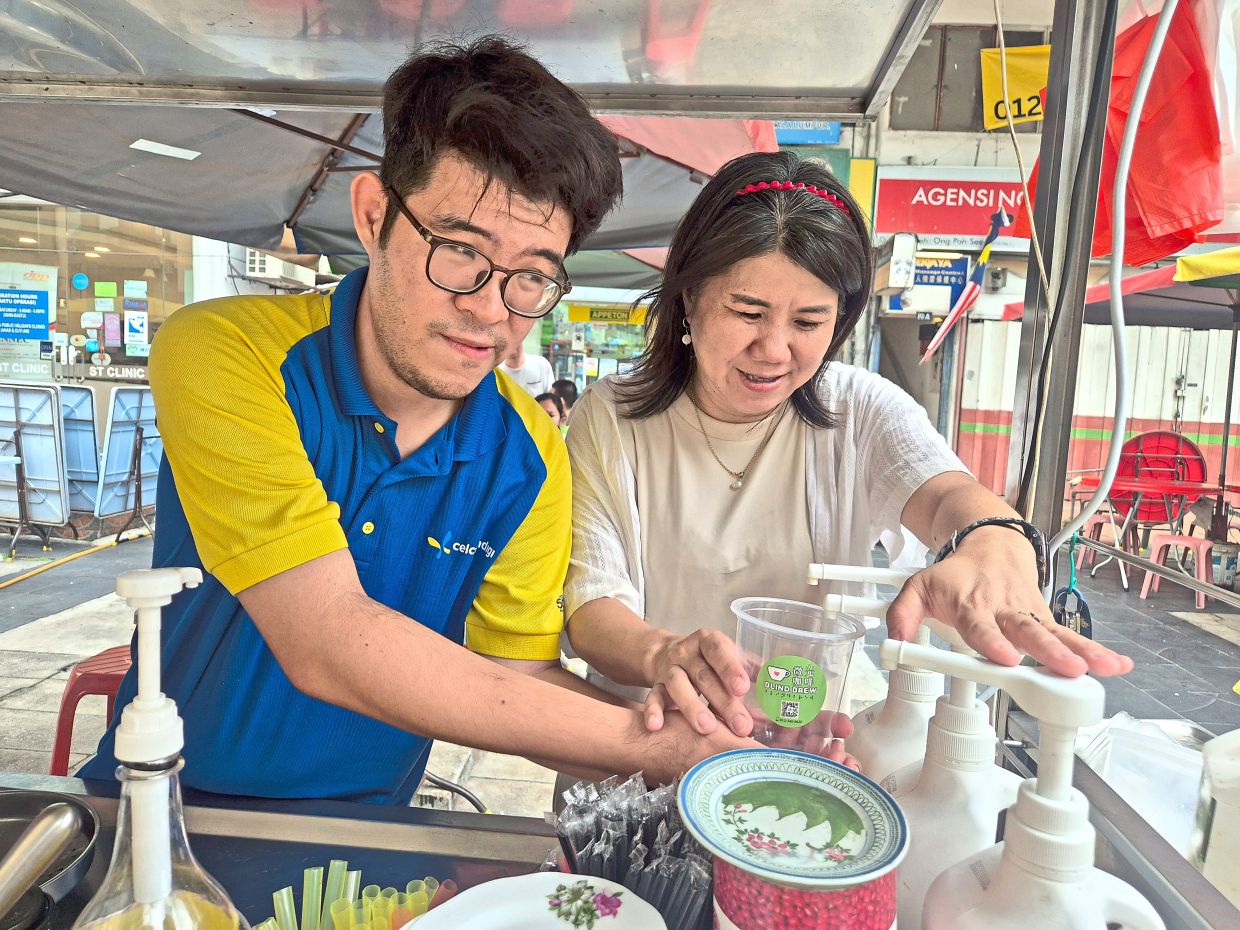
Chew (right) guides Foo as he learns to manage the drink stall.
Photo: The Star/Sheela Chandran
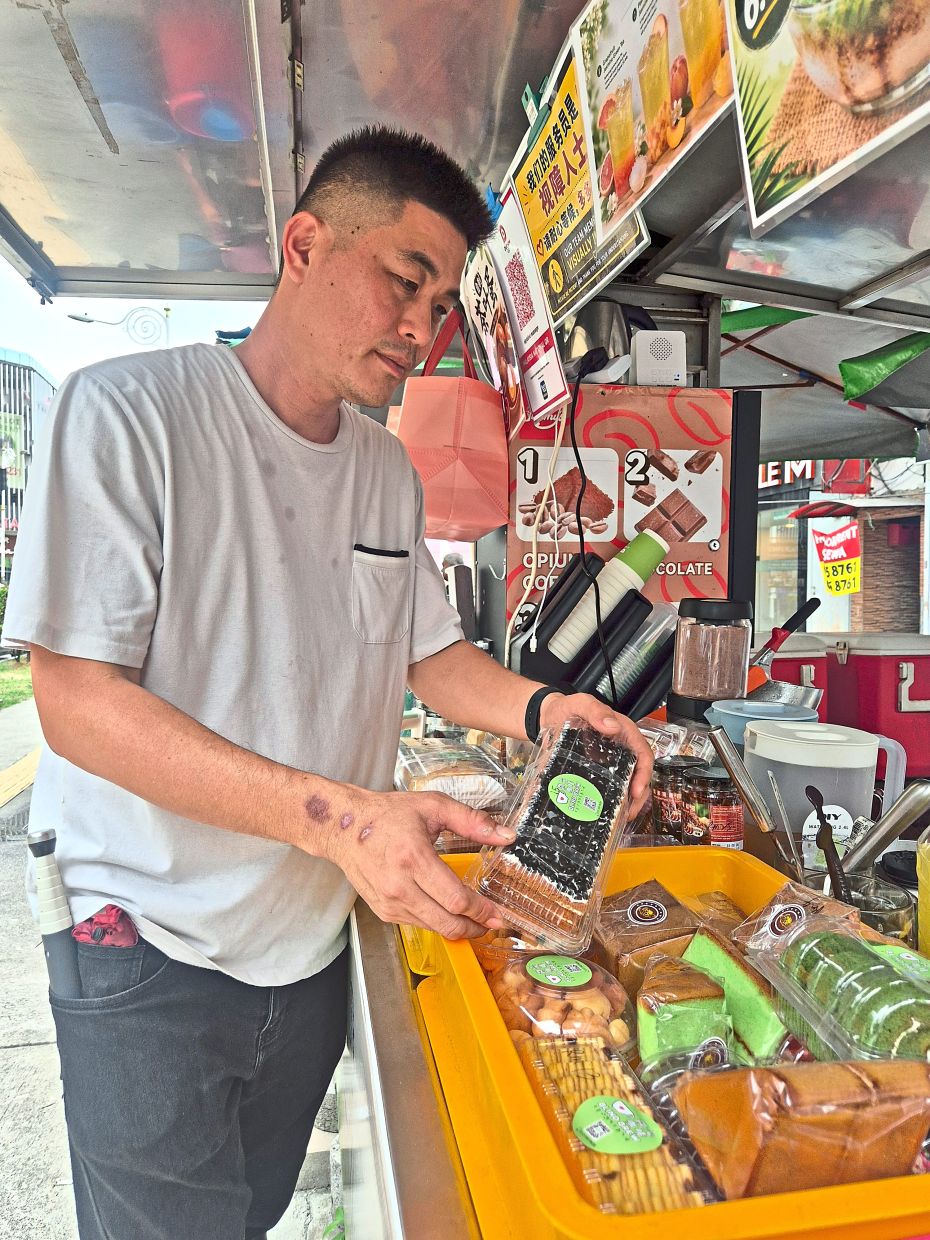
Soong is grateful for the opportunity and hopes to earn a living through the business.
Photo: The Star/Sheela Chandran
For Foo (right) and Soong, the chance to earn a living means greater independence.
Photo: The Star/Sheela Chandran
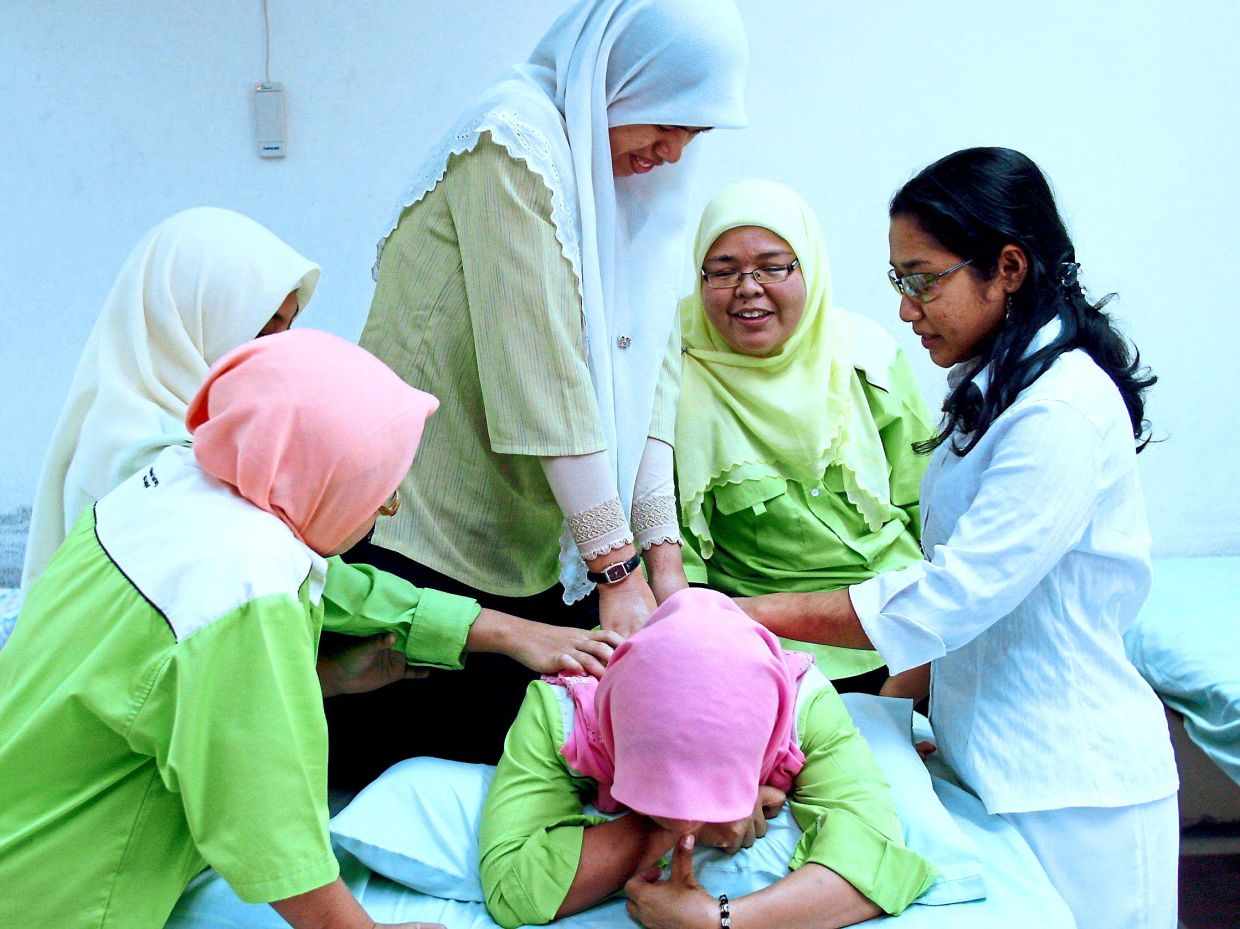
Trainees at Malaysia Association for the Blind’s Gurney Training Centre gain massage therapy skills to help them pursue employment opportunities. Photo: Filepic