
Parents of children with special needs should not assume that their other children will step in to care for their sibling.
Instead, they need to plan ahead and build a financial safety net to ensure their OKU-status child continues to receive the necessary support in the future.
Financial planner Choo Siew Yean says siblings may want to help, but they should not be expected to shoulder the financial burden of caring for a brother or sister with special needs.
“As life becomes increasingly challenging and the cost of living rises, future generations will have their own financial commitments, careers and families to support.
“Therefore, it is better to set aside a dedicated fund for the child’s future, with siblings helping to manage or oversee it, rather than expecting them to use their own financial resources to provide care,” says Choo.
In worst-case scenarios, Choo explains, the child with special needs could eventually end up neglected or dependent on public care because the necessary financial resources were never put in place.
The goal, she says, is to leave behind a fund for the child. Planning, she stresses, should begin as soon as the child receives a diagnosis.
“The first thing parents need to understand is that this is a lifelong condition. It requires a different approach to financial planning because the child needs support throughout his or her life,” says Choo, who has been a registered financial planner for over 10 years.
Step by step
Choo advises parents to apply for the Department of Social Welfare (JKM)-issued OKU card once their child receives a diagnosis, as it provides long-term support and benefits.
Registration enables families to access assistance from JKM, including financial aid that can help reduce future costs related to education, daily necessities and healthcare. Parents may also be eligible for tax relief, which can be channelled towards the child’s future needs.
“Second, parents should build a dedicated fund to cover the child’s future expenses through a combination of savings and investments. For those who are less familiar with investing, safer options such as government-backed funds like Amanah Saham Nasional (ASN), Amanah Saham Bumiputera (ASB) and Amanah Saham Malaysia (ASM) may be considered as part of a long-term financial plan.
“Once you have registered your child as an OKU then you can also use that in terms of tax relief. This tax relief can help you fund daily expenses for the child or put it in savings to build a fund for him in the future.”
Finding alternatives
Balancing the cost of lifelong care for a child with special needs while also preparing for their retirement is hard on parents.
Choo says this requires careful planning and financial discipline.
“Parents need to set aside a portion of their income for the benefit of the child. This could be an additional 10% to 15% or more, depending on the family’s financial commitments and number of dependants.”
She adds parents may also consider making voluntary contributions to the Employees Provident Fund (EPF), with the intention of using these savings to support their child’s future needs.
Choo acknowledges that setting aside additional funds can increase the financial pressure on families, so she encourages parents to explore available assistance programmes from JKM and other government agencies.
“Parents should also be mindful of the eligibility requirements for these assistance programmes. For example, placing savings above a certain amount directly under the child’s name may affect their eligibility for future benefits.”
Therapy and intervention programmes are expensive. A 2025 study, The High Cost of Autism Care in Malaysia: A Review of Financial Burdens and Policy Gaps, highlighted that out-of-pocket expenses for therapies, special education and medical care are high.
Together with indirect costs such as lost parental income, they place a significant economic burden on low-income families.
Published in the International Journal Of Research And Innovation In Social Science, the study found that support system remains fragmented and is insufficient to provide sustainable financial security and equitable access to services.
“Families, especially those in the B40 group, should therefore leverage available government-funded programmes and assistance where possible.”

Utilising government-funded programmes and community resources can help reduce costs while ensuring a child continues to receive the necessary support.
These programmes include Program Pemulihan Dalam Komuniti (PDK) under JKM as well as services offered at government health clinics.
Choo also recommends exploring therapy and intervention services available at public hospitals, particularly teaching hospitals such as Hospital Universiti Kebangsaan Malaysia (HUKM) and Universiti Malaya Medical Centre (UMMC), as well as other public universities such as Universiti Sains Malaysia (USM), depending on the family’s location.
“Parents can also seek support from non-governmental organisations such as Kiwanis Malaysia and the National Autism Society of Malaysia (Nasom), which provide programmes and services for children with special needs.
“For Muslim families, they may also explore assistance through zakat institutions, which can provide additional support for eligible families.”
Well-thought-out financial roadmap

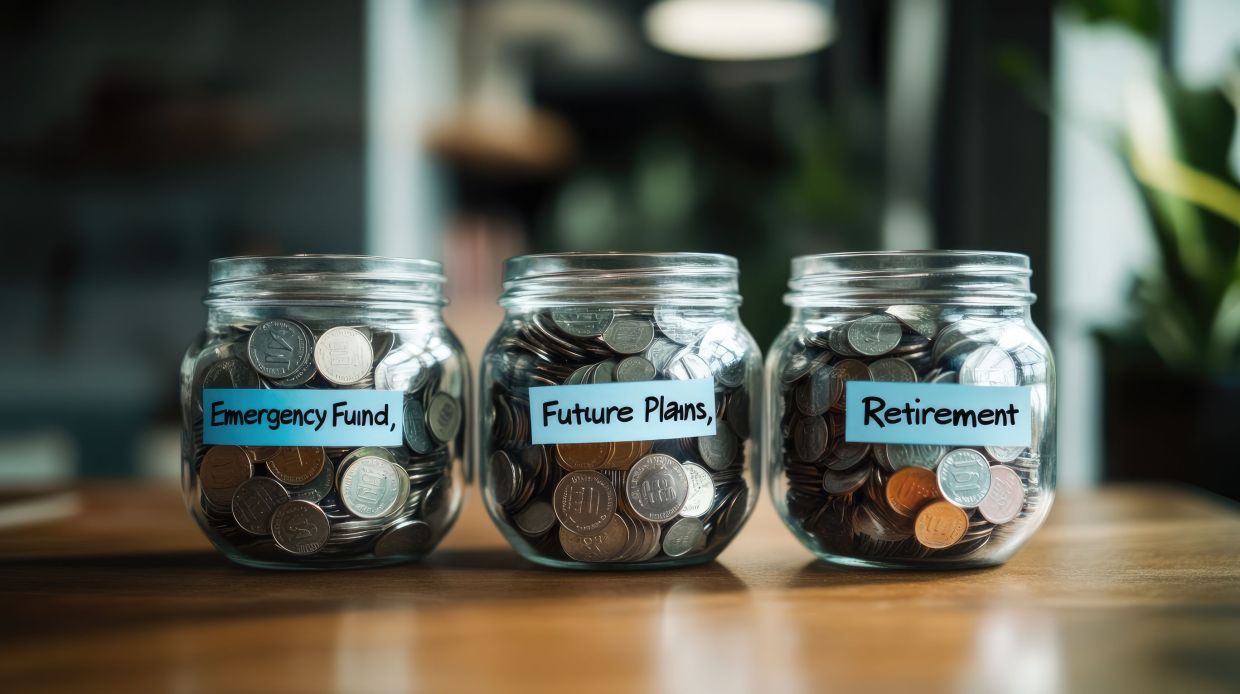
Planning ahead gives families peace of mind and financial security for the future. Photos: This visual is human-created, AI-aided.
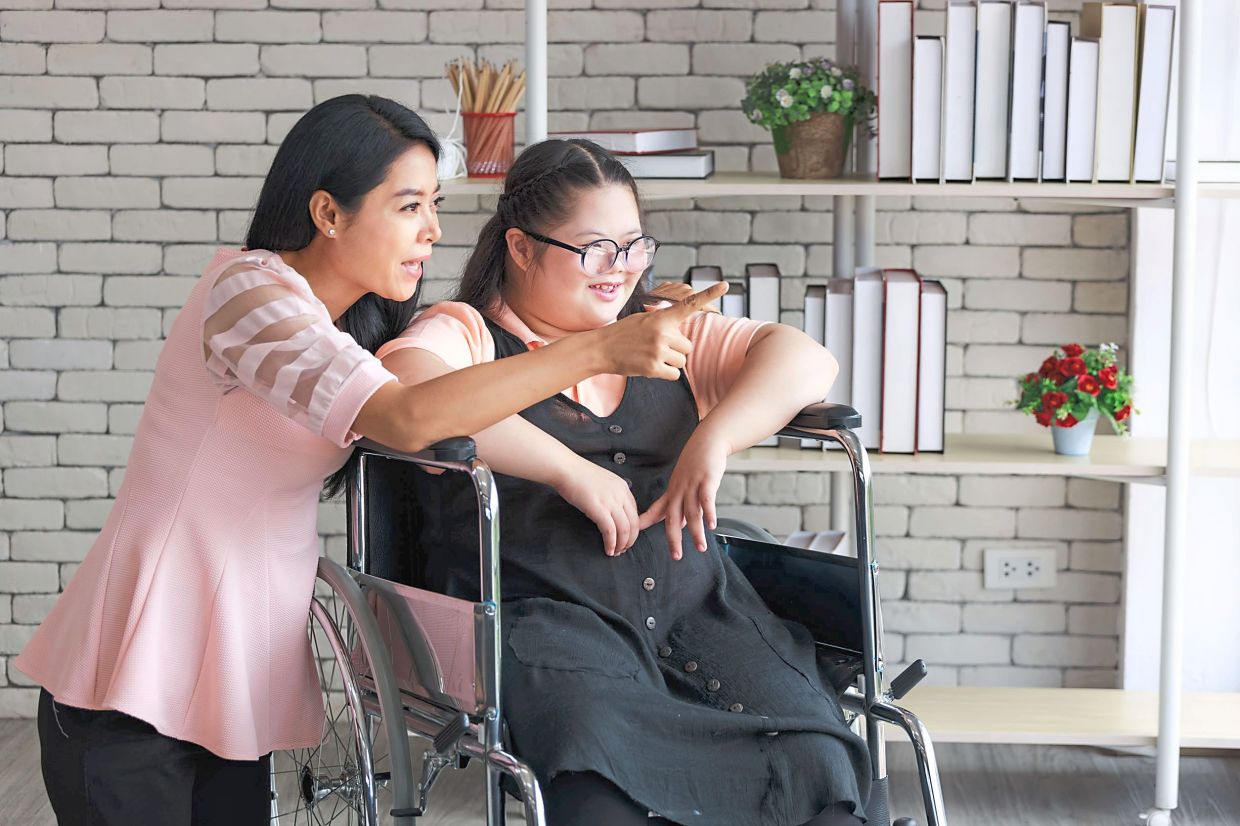
Parents of children with special needs face lifelong financial challenges. Early planning and dedicated savings can help ease their child’s future. Photos: 123rf
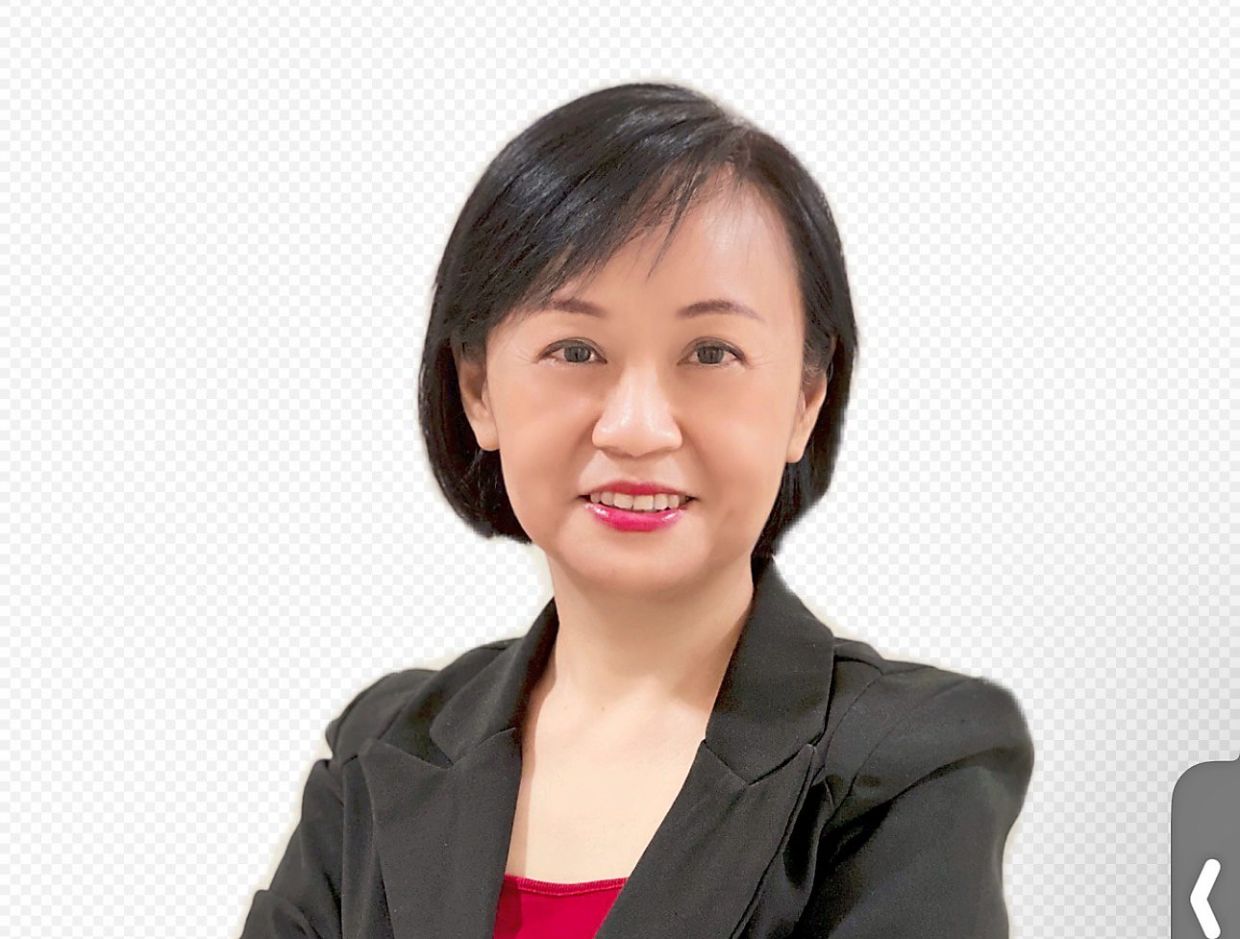
Choo says this requires careful planning and financial discipline. Photo: Choo Siew Yean
Financial literacy classes help people learn to budget, save, and plan for the future. Photo: 123rf
Photo: 123rf
Financial education empowers people to make informed financial decisions.
Photo: 123rf