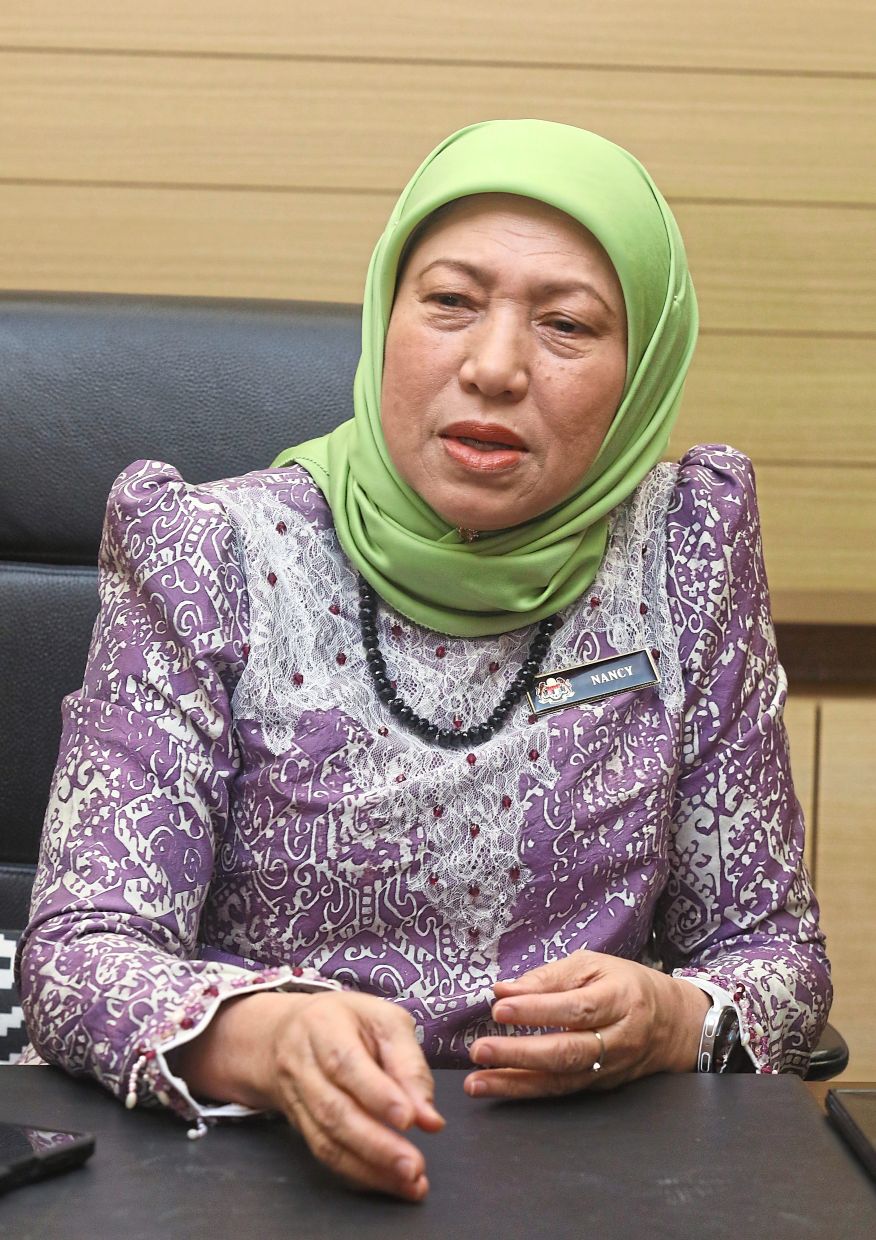
Early access to support can make a significant difference in helping parents with special needs children, and the first important step is registering the child as a person with disabilities (OKU), says Datuk Seri Nancy Shukri.
The Women, Family and Community Development minister said the registration provides official recognition and opens doors to various forms of assistance and services, ensuring children receive the support they need throughout their developmental journey.
She explained registration enables them to access government support in welfare, healthcare, education and social development.
“It allows eligible children and their families to access government assistance and support available to them.”
The registration process, administered by the Social Welfare Department (JKM), requires parents to submit their child’s birth certificate or identification documents, together with a medical report or certification confirming the child’s disability, as well as other supporting documents required by JKM.
Once approved, the child will be registered as an OKU and issued an OKU card, which serves as official recognition of their disability status.
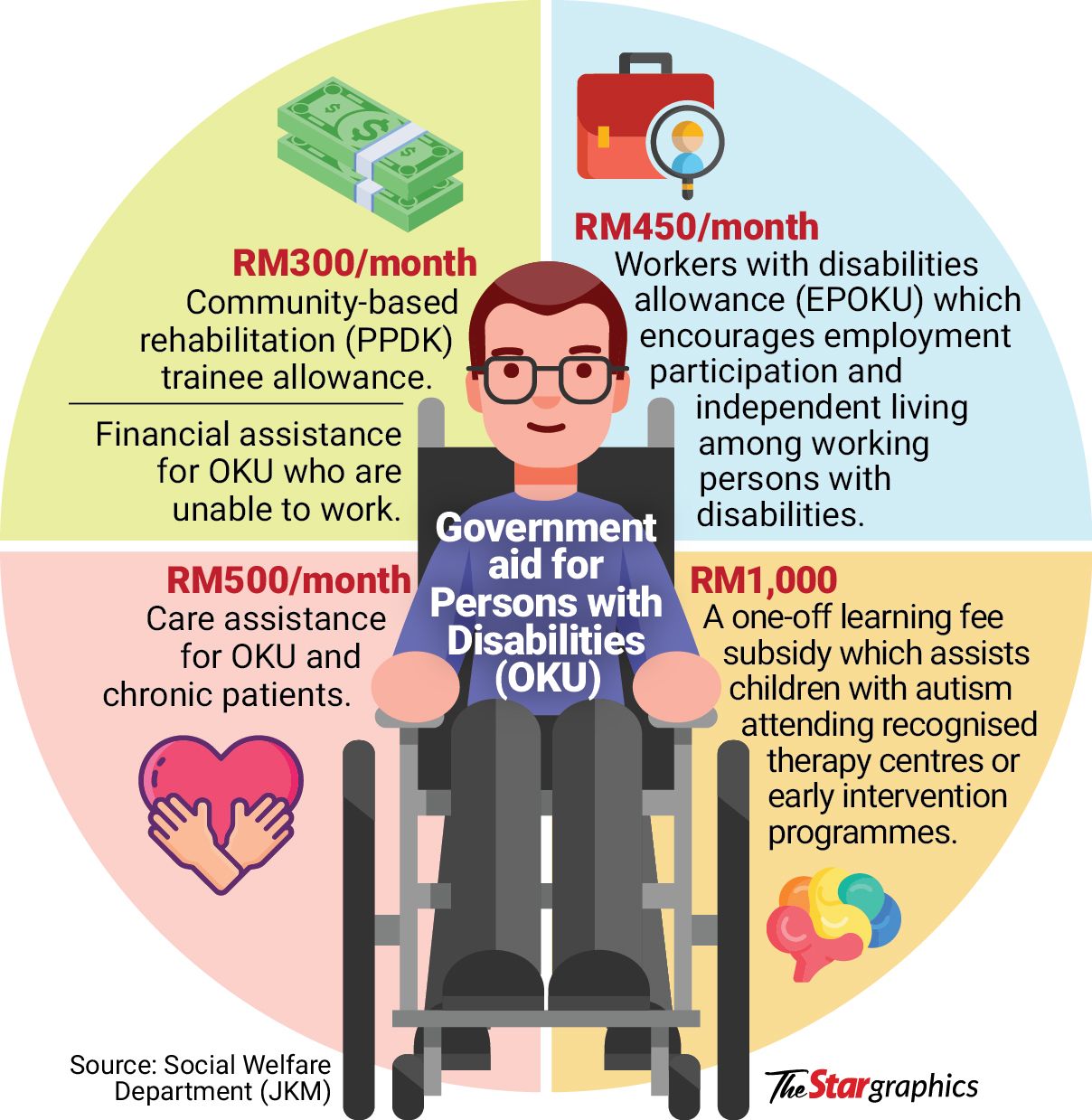
Through registration, eligible children and families may gain access to a range of support, including financial assistance, rehabilitation services, early intervention programmes, special education facilities as well as other incentives and concessions, subject to requirements.
Nancy encouraged parents not to delay registration, as early intervention plays a crucial role in a child’s growth and development.
“Early registration helps ensure timely access to support and intervention that are essential for a child’s development, learning and overall well-being, while also providing families with the assistance they need.”
“The government recognises that support for persons with disabilities should not end when they leave school or reach adulthood. As individuals grow older, their aspirations, circumstances and support needs evolve and change.”
She said the government remains committed to strengthening a sustainable and inclusive support system that enables persons with disabilities to live with independence, dignity and good quality of life.
A key priority is expanding inclusive employment opportunities through skills training, career development and stronger collaboration with employers.
To support this, JKM has introduced a job coach service, which provides on-the-job support to help OKU secure and remain in employment.
Job coaches, who are specially trained, provide guidance and practical assistance to employees with disabilities while also working closely with employers to create more supportive and inclusive workplaces.
“Job coaches serve as a bridge between employers and employees to help create a more supportive and inclusive working environment that promotes long-term employment,” Nancy said.
Fostering an inclusive society
The government has also introduced Disability Equality Training (DET) to improve awareness and understanding of disability among employers, human resource practitioners and employees.
Nancy said DET goes beyond creating awareness by encouraging a shift in how society views disability.
“This is an important step towards fostering a more inclusive society where barriers are removed and people are supported based on their individual needs and abilities,” she said.
She added that collaboration among government agencies, statutory bodies, private sector and non-governmental organisations remains essential in ensuring persons with disabilities have fair opportunities to contribute to society.
The Social Security Organisation (PERKESO), for example, supports persons with disabilities through rehabilitation, skills training and employment placement initiatives.
Through platforms such as MyFutureJobs, job seekers, including OKU, can be connected with employers offering suitable employment opportunities.
Nancy said efforts are also being expanded to support lifelong learning, vocational training, entrepreneurship opportunities and independent living.
“Our goal is to ensure that they are not only supported throughout different stages of life, but are also empowered to participate fully in society and live with dignity, independence and opportunity,” she said.
For parents, therefore, registering their child as OKU is more than an administrative requirement.
It is a step towards ensuring their child’s needs are recognised, their abilities are nurtured and they have access to opportunities that allow them to thrive from childhood through adulthood.
Lifelong access to steady support
‘OKU registration helps children access the support needed to reach their full potential,’ says Nancy. Photo: Filepic
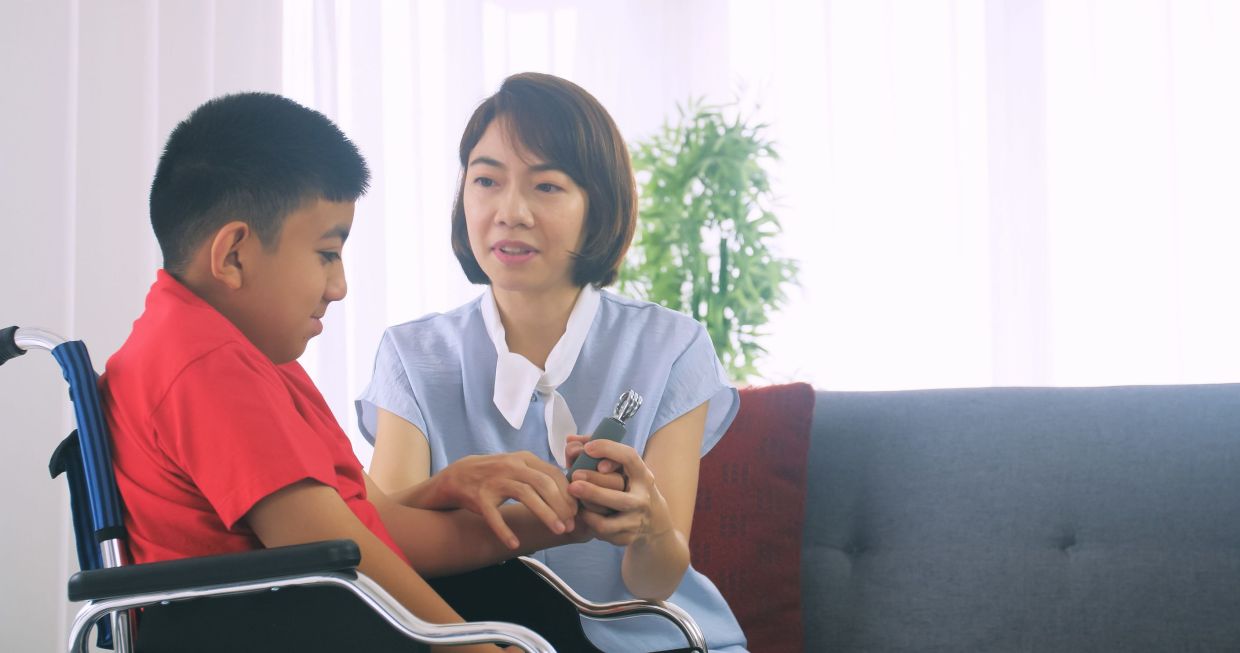
Early intervention and inclusive education can help children with special needs develop their potential and participate fully in society.
From childhood to adulthood, persons with disabilities need continued support and opportunities. Photo: 123rf