
Rain or shine, every Tuesday and Friday morning, Fazelah Jaafar drives 50km from Semenyih, Selangor to Kuala Lumpur for her eight-year-old son’s speech therapy.
It is a journey she makes to ensure her youngest child, Muhammad Afiq Hakim Safwan – who has Down syndrome – receives the support he needs at the Kiwanis Child Development Centre (KCDC) in Taman Tun Dr Ismail.
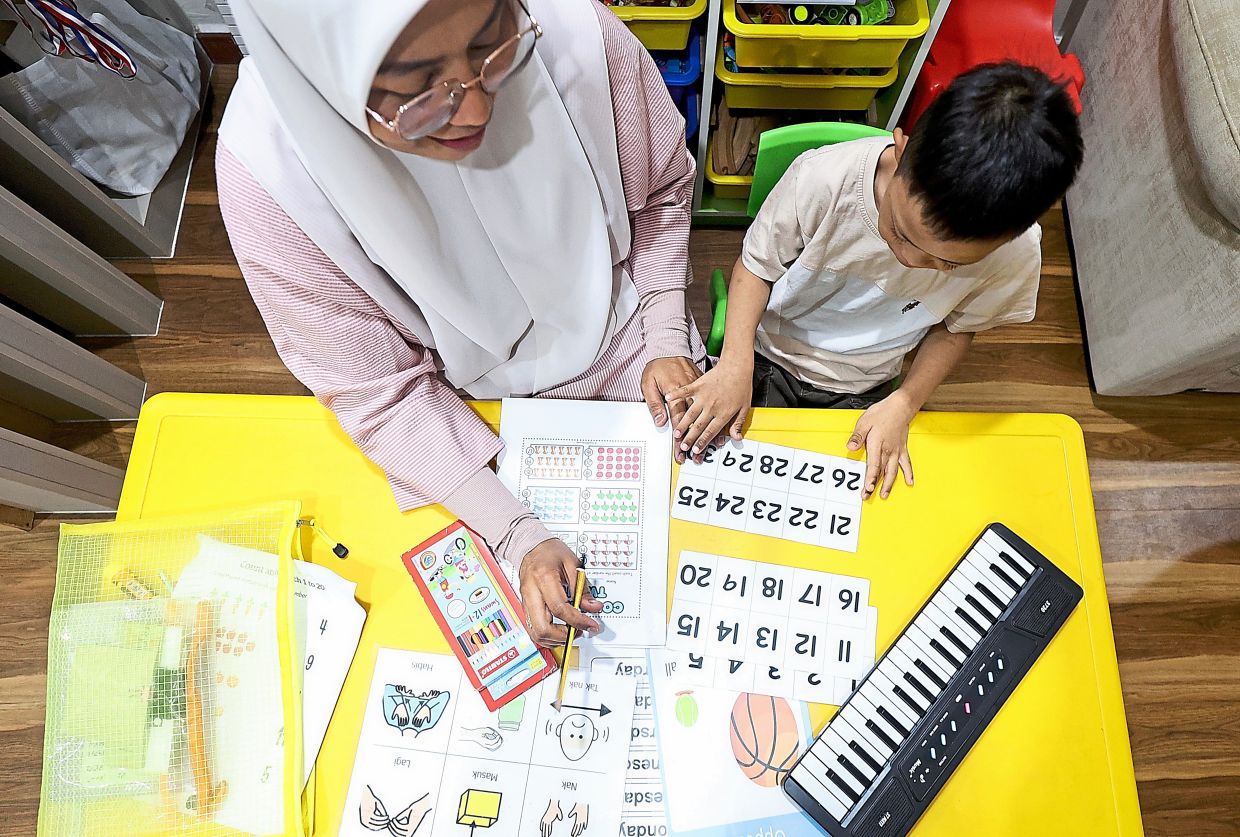
“Some centres charge RM200 to RM250 for a one-hour session. Here, I only pay RM80 because the service is subsidised. It makes a big difference for parents of children with special needs.
“We not only have to make ends meet, but we have to factor in other financial commitments for our special needs child too,” says Fazelah, 48, who works two jobs: as a real estate agent and a multilevel marketing salesperson.
Muhammad Afiq also attends equine therapy, swimming lessons, Al-Quran enrichment classes and other therapy sessions at an NGO in Semenyih that supports children with Down syndrome.
The costs, Fazelah says, quickly add up. “More than RM1,000 goes towards Muhammad Afiq’s therapy sessions every month. Although my other children are working, I still have two children in university and one in secondary school. Managing all these expenses can be challenging,” says the mother of eight.
A former administrative assistant with Tenaga Nasional Berhad (TNB), Fazelah left her job in 2016 to care for her ailing mother. Her husband, Safwan Atan, 61, has Parkinson’s disease.
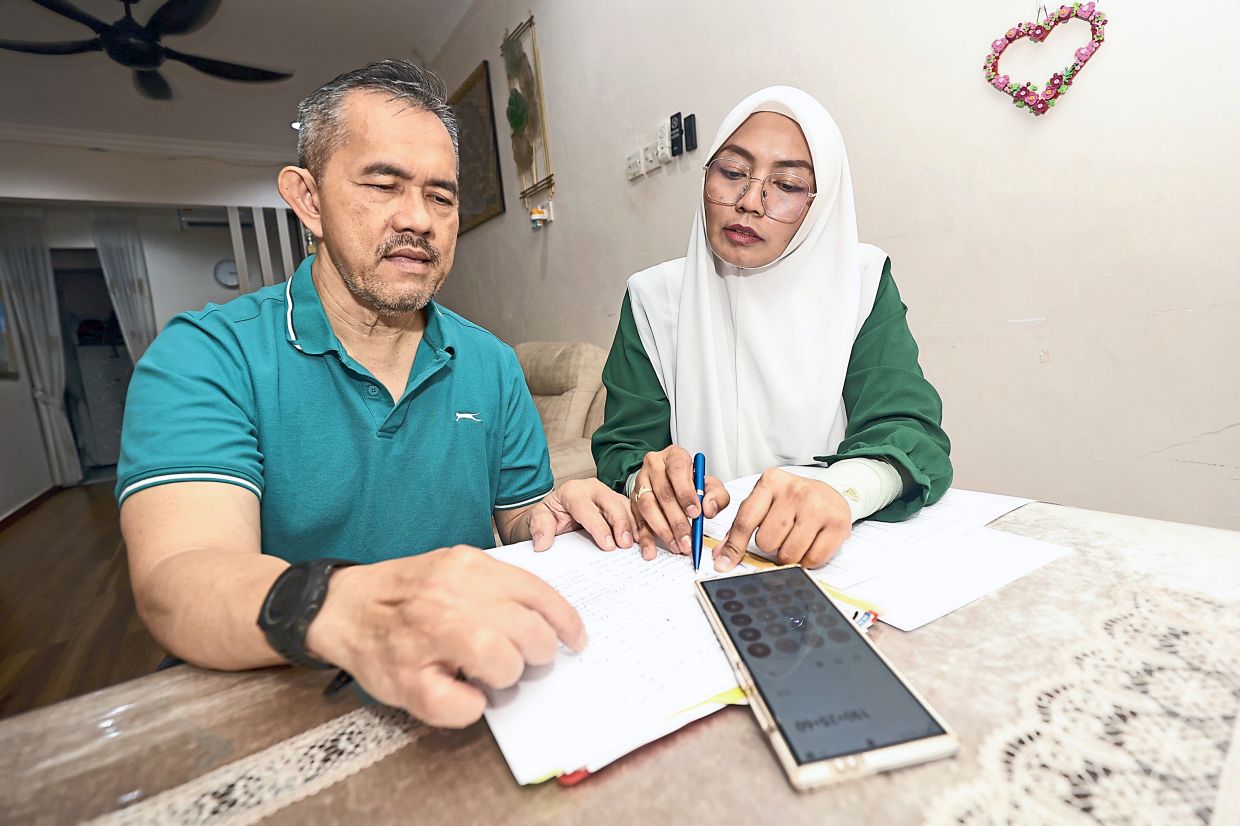
Fazelah and Safwan are among parents of children with special needs who struggle to keep up with rising living costs.
In 2024, Malaysia recorded 805,509 registered persons with disabilities (PWD), making up 2.4% of the country’s population, according to the Department of Statistics Malaysia (DOSM).
Learning disabilities accounted for the largest group, with 299,128 registrations (37.1%), followed by physical disabilities with 286,634 registrations (35.6%).
According to a 2024 article, Accessing Support for Neurodevelopmental Disabilities in Malaysia, some therapy sessions can cost as high as RM950 per session, placing them beyond the reach of many families.
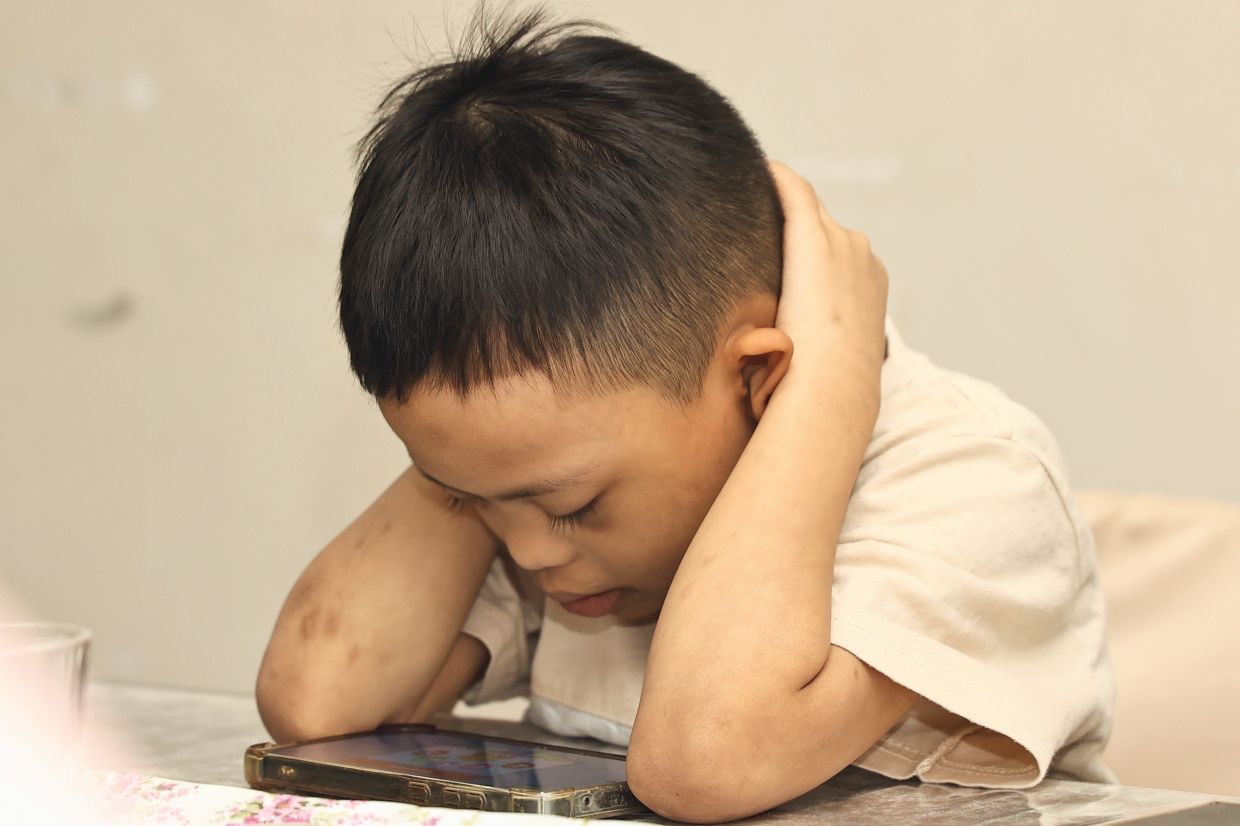
The article, based on a study by Inti International University faculty of business and communication lecturer Dr Cheng Kai Wah, also noted that the challenges are more pronounced in rural communities, where specialist services are scarce and public healthcare facilities may be far from home.
Limited resources and a shortage of trained teachers can make it harder for children with disabilities to get the support they need in schools.
The importance of therapy
For these children, therapy plays an important role in developing gross and fine motor skills, communication and independence.
Regular sessions, however, can be costly, placing a financial strain on many families, especially those from the lower income group.
Fazelah is also concerned about the varying quality of services offered by some therapy centres, particularly those charging high fees despite having staff with limited formal training.
“Not all therapists are qualified. Parents may pay for services without knowing whether they are getting the right support.”
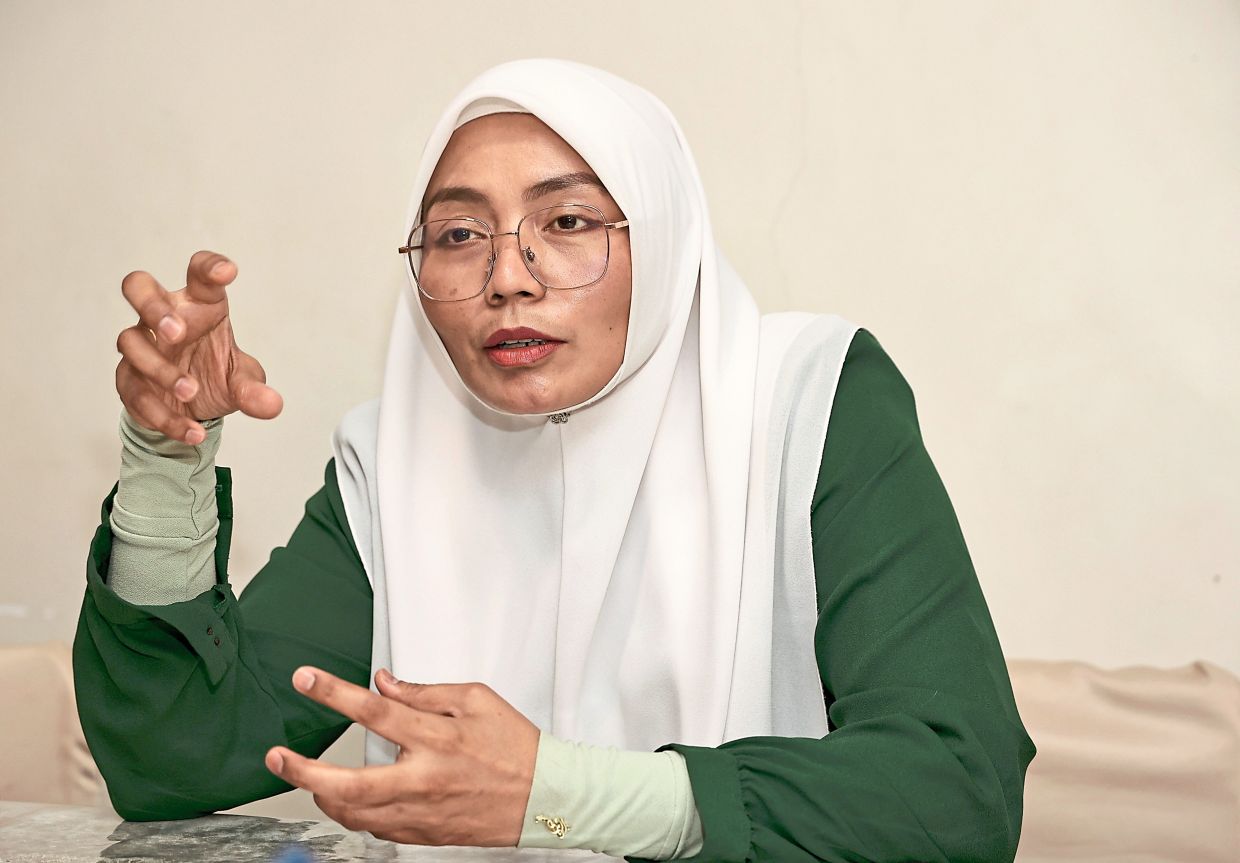
She hopes the government will strengthen oversight of therapy centres, standardise qualifications and make affordable therapy accessible.
“There are more and more children with special needs, but therapy is becoming increasingly expensive. Families, especially those in the lower income group, need more affordable options,” she says.
Understanding the rising costs of caring for a child with special needs, Fazelah and Safwan have set aside savings to support their youngest child’s future.
Although Muhammad Afiq has seven older siblings, Safwan says parents should not assume other children will automatically care for a sibling with disabilities after their parents are gone.
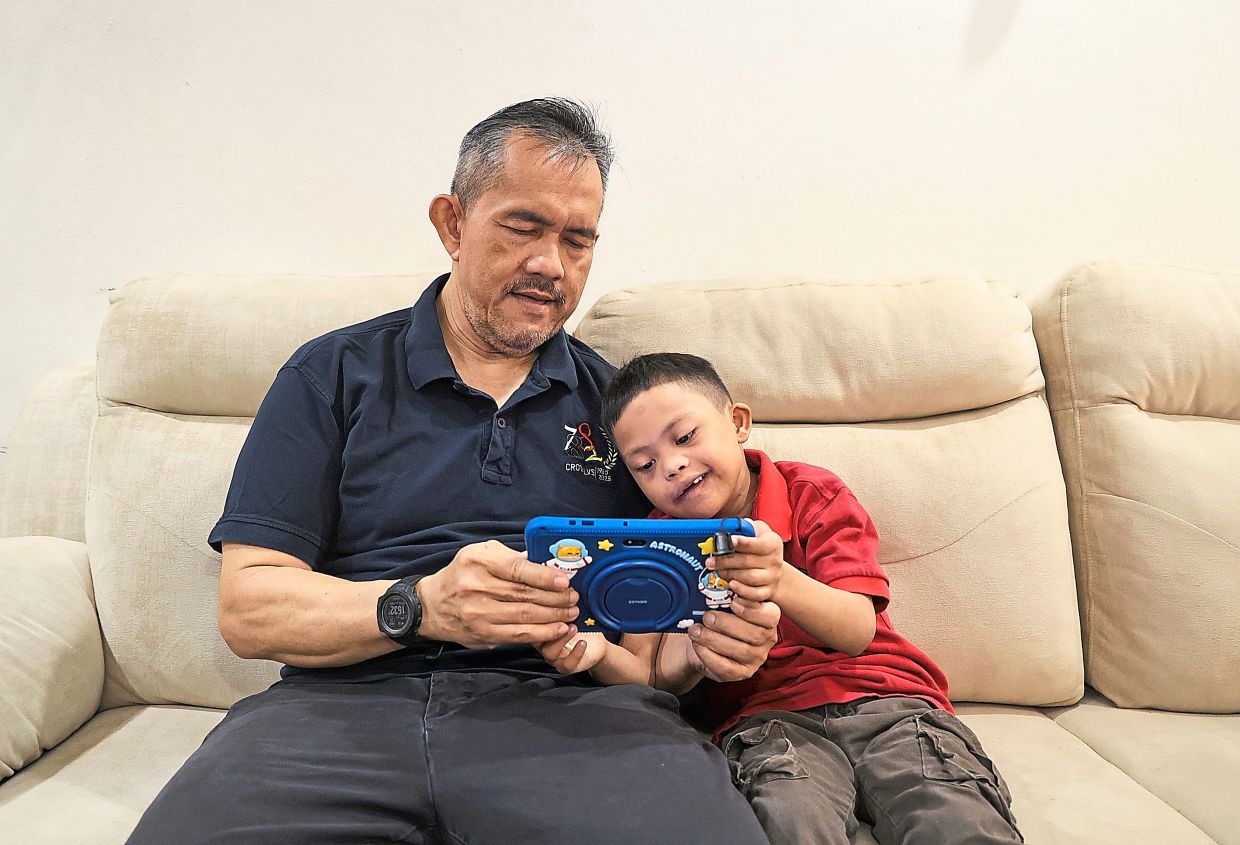
“We have seen cases where children with disabilities are not well looked after once their parents pass away. That is why we have to financially prepare while we are still here.
“We contribute RM200 a month through a hibah amanah plan to ensure our child with special needs has some financial support in the future,” says Safwan, who also depends on his savings and Employees Provident Fund (EPF) withdrawals for daily expenses.
Like many parents, Fazelah relies on government hospital therapy services, which are more affordable. However, a long waiting time means children may receive therapy less frequently – a schedule she feels is insufficient for their developmental needs.
“Once a month is not enough. Many parents from the B40 group cannot afford private therapy centres because they are expensive. It is very challenging for many families,” she says.
Managing expenses
Kuala Lumpur-based widow Suzzanne Poh Shuh Chen, 50, whose 13-year-old son has Down syndrome, says managing costs is a key concern when planning for his future needs.
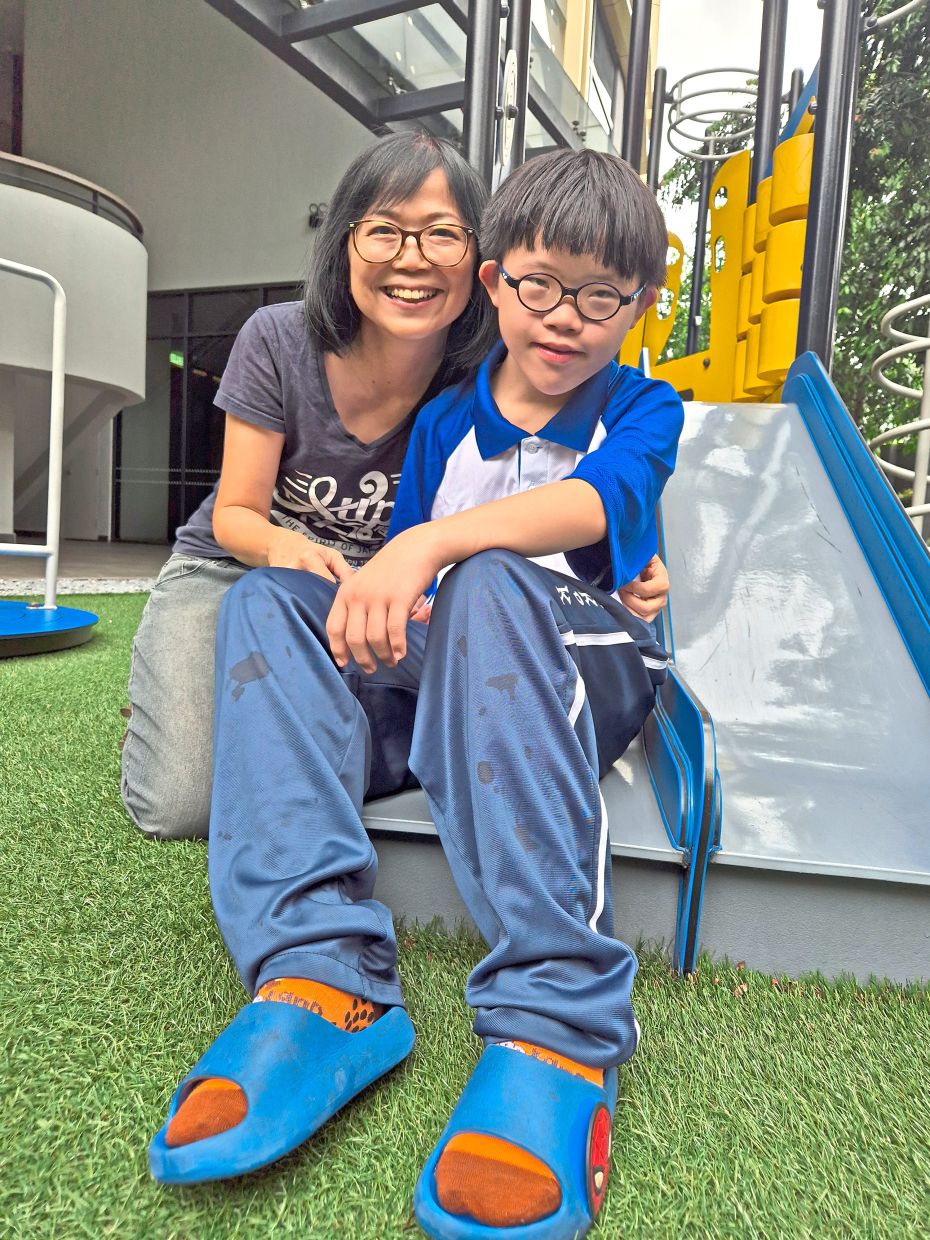
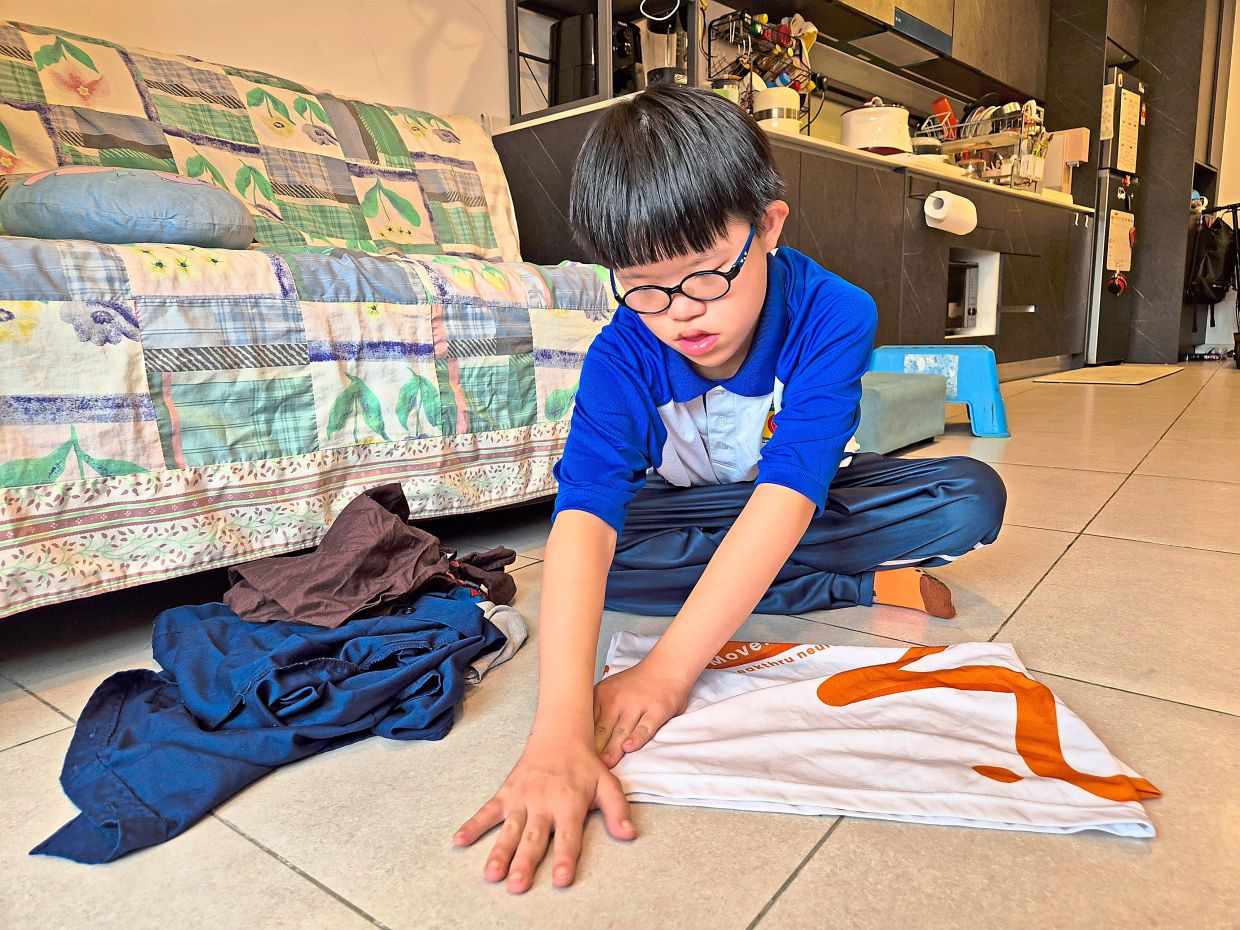
Poh lost her husband to Covid-19 in 2021. Their eldest child, Seng Hau Tze, attends a government special education programme (PPKI) in the morning before going to an enrichment centre in the afternoon, where he continues developing his vocational skills.
They include living skills such as folding clothes, preparing simple meals and cleaning up.
For Poh, the financial challenge in raising a child with special needs is extensive.
Families also have to consider transportation, home adjustment and daily support. Beyond school, there’s also the cost of occupational therapy and physiotherapy to be taken into account.
“People often assume therapy forms the biggest chunk, but there are other expenses as children grow. Today, I have to budget for reliable transport to his enrichment centre, specialised nutritional foods and a safe home environment.
“The rising costs of groceries, fuel, utilities and school transport continue to put pressure on my finances every month.
For these parents, financial sacrifices are embedded in their daily decisions.
“I have to constantly review my budget and make difficult choices to ensure the basics are covered. I have to say ‘no’ to some extras – like outings or new clothes.
"I need to invest wisely, ensure we have adequate protection and set aside funds for my children’s future so that what we have can continue to support us in the years ahead.”
Poh hopes for a stronger support system for families raising children with special needs, including more flexible workplace policies, greater public awareness and better financial guidance for single parents.
“I am incredibly thankful to my employer for offering me a permanent teaching position – that stability has been my biggest safety net. I hope more employers can provide flexible working arrangements and understand that caregiving responsibilities do not end at 5pm.”
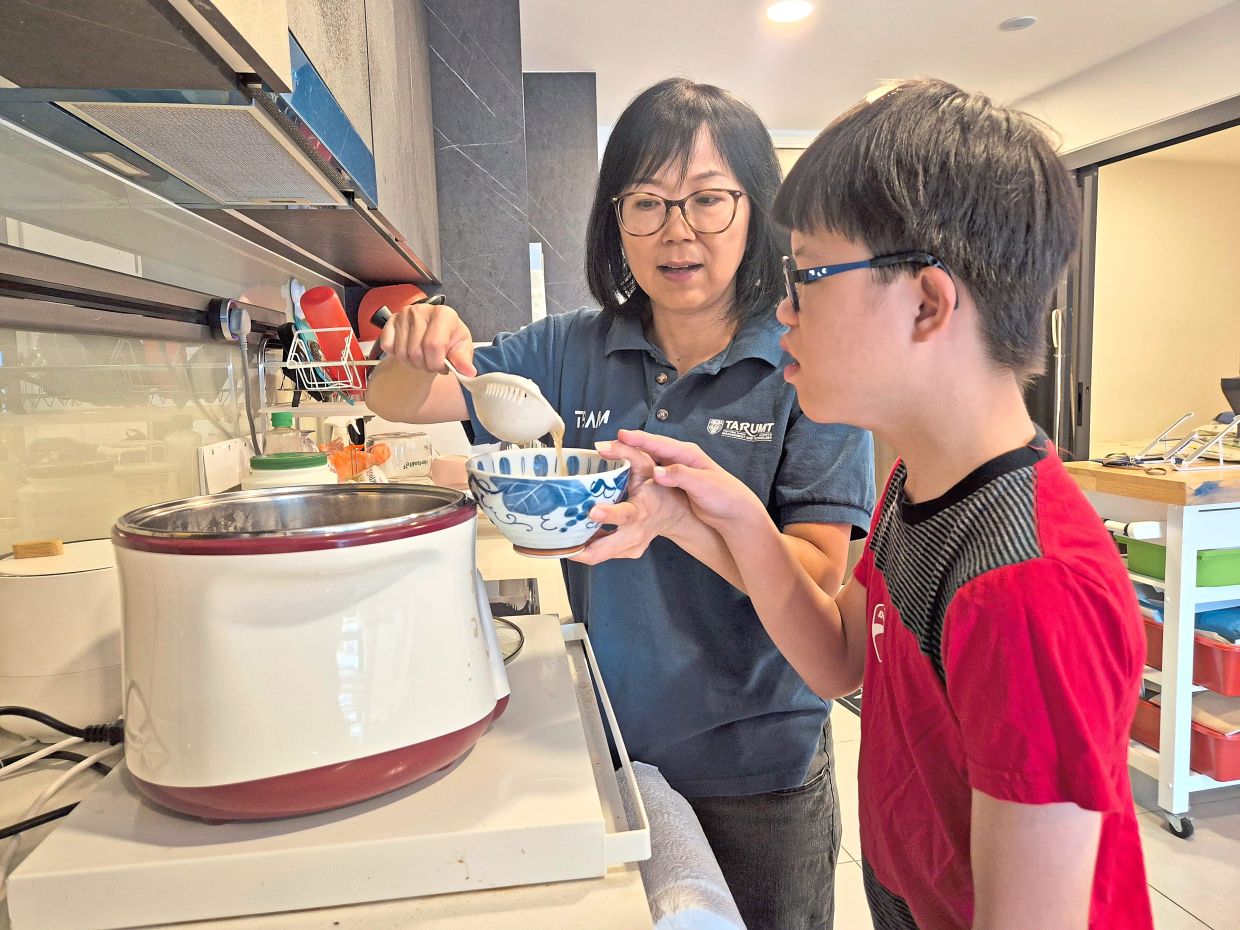
Managing everything, Poh says, isn’t easy.
“I find strength in my children – especially watching Hau Tze. Seeing him being independent in managing himself, despite his condition, reminds me that our hard work pays off. When I feel overwhelmed, I look at him and think, ‘If he can keep trying every day, so can I.’
“My faith gives me strength too. Prayer and reflection help me find peace and perspective during the hardest moments. Those small pockets of solitude and spirituality give me the clarity to face another day.”
She hopes society can develop more patience and compassion when interacting with children with special needs.
“A little kindness can make a big difference. I also hope there will be more accessible financial programmes to help single parents manage and grow their savings, so we are not just coping with daily expenses but also planning for our children’s future on top of our own retirement,” she concludes.
The lifelong cost of care
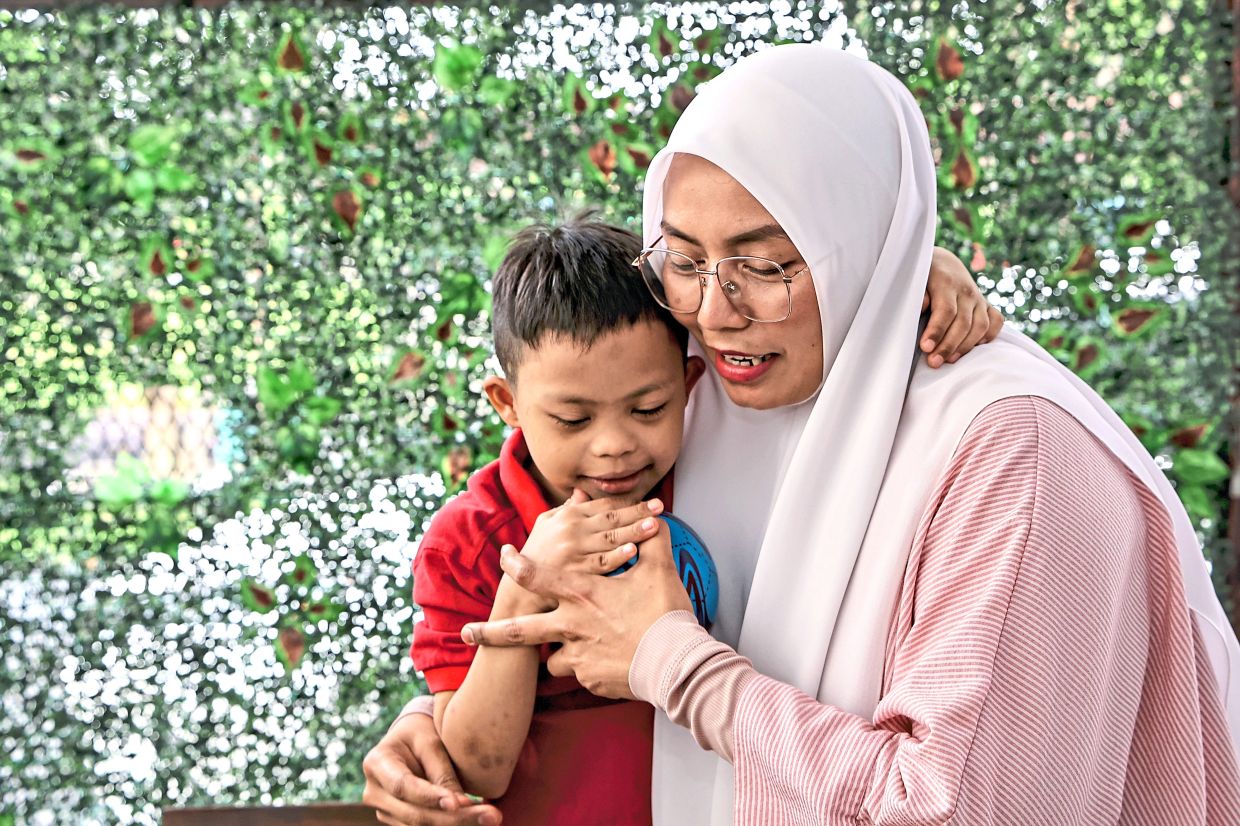
For Fazelah, saving for the future of her son, who has special needs, means making difficult financial choices today. Photos: The Star/Azman Ghani
Fazelah spends over RM1,000 monthly on Muhammad Afiq’s therapy and development programmes.
Photo: The Star/Azman Ghani
For Fazelah and Safwan, budgeting is an important part of preparing for their child’s ongoing needs and future support.
Photo: The Star/Azman Ghani
‘We cannot assume that other siblings will look after a sibling with special needs,’ says Safwan (left).
Photo: The Star/Azman Ghani
For Fazelah, saving for the future of her special needs son means making difficult financial choices daily.
Photo: The Star/Azman Ghani
Poh (left) prepares most meals at home to manage expenses while saving for her family’s future needs. Photo: The Star/Sheela Chandran
Poh (left) hopes to build a stable financial foundation to support Hau Tze's needs as he grows older. Photo: The Star/Sheela Chandran
Hau Tze learns practical skills such as folding clothes so he can be more independent. Photo: The Star/Sheela Chandran
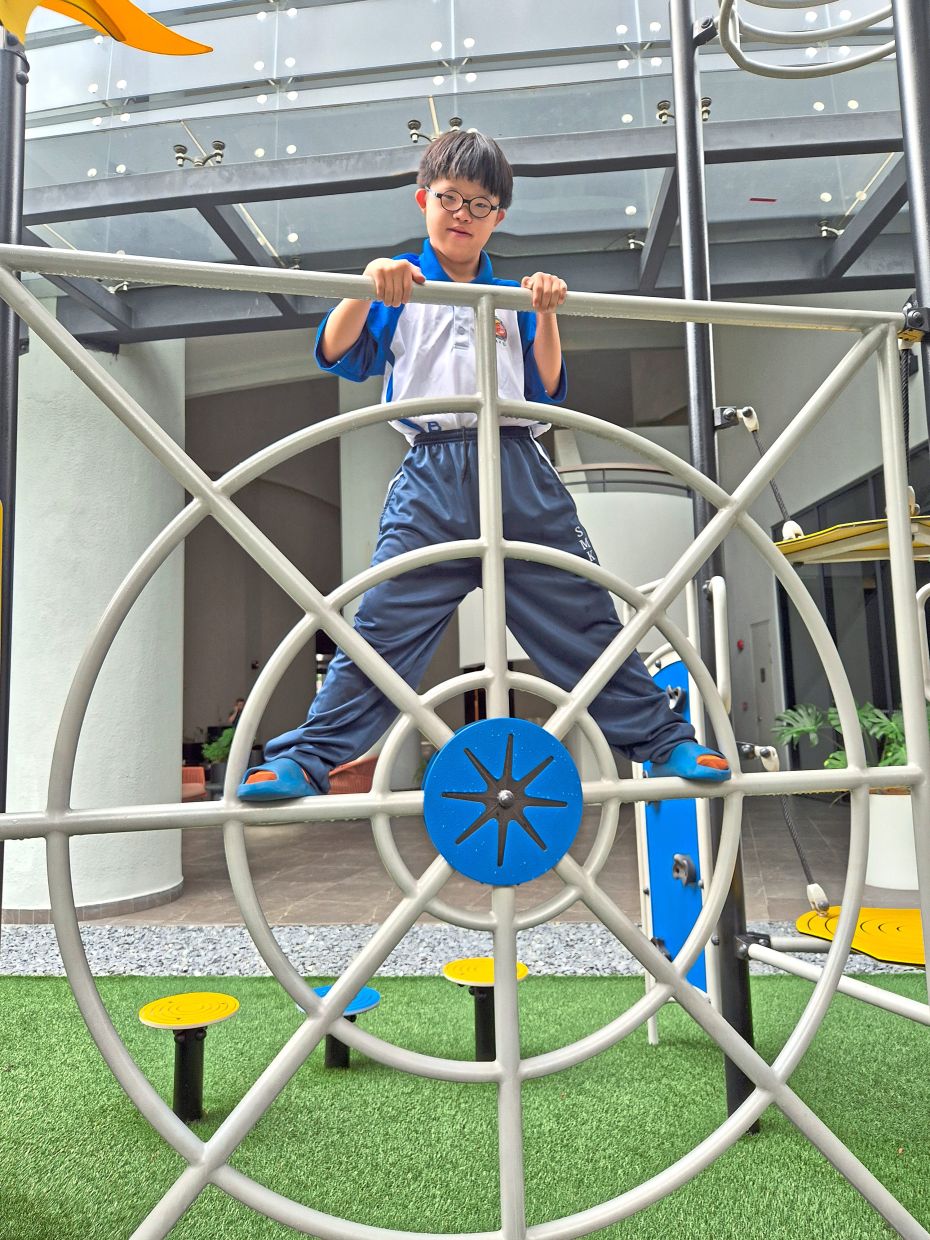
Hau Tze has developed practical skills that help him build independence and self-reliance. Photo: The Star/Sheela Chandran
For children with disabilities, therapy plays an important role in developing fine and gross motor skills.
Photo: The Star/Azman Ghani