



One recent evening, Lisa Green’s five-year-old son, Fitz, came home from school bummed. He couldn’t check out a book from the school library because he hadn’t yet returned his last book.
His mother, a 34-year-old medical resident in paediatrics, said the family, based in Kansas City, Kansas, United States, hadn’t realised that books were due on different days each week in accordance with a rotating printed schedule that Fitz had brought home from kindergarten.
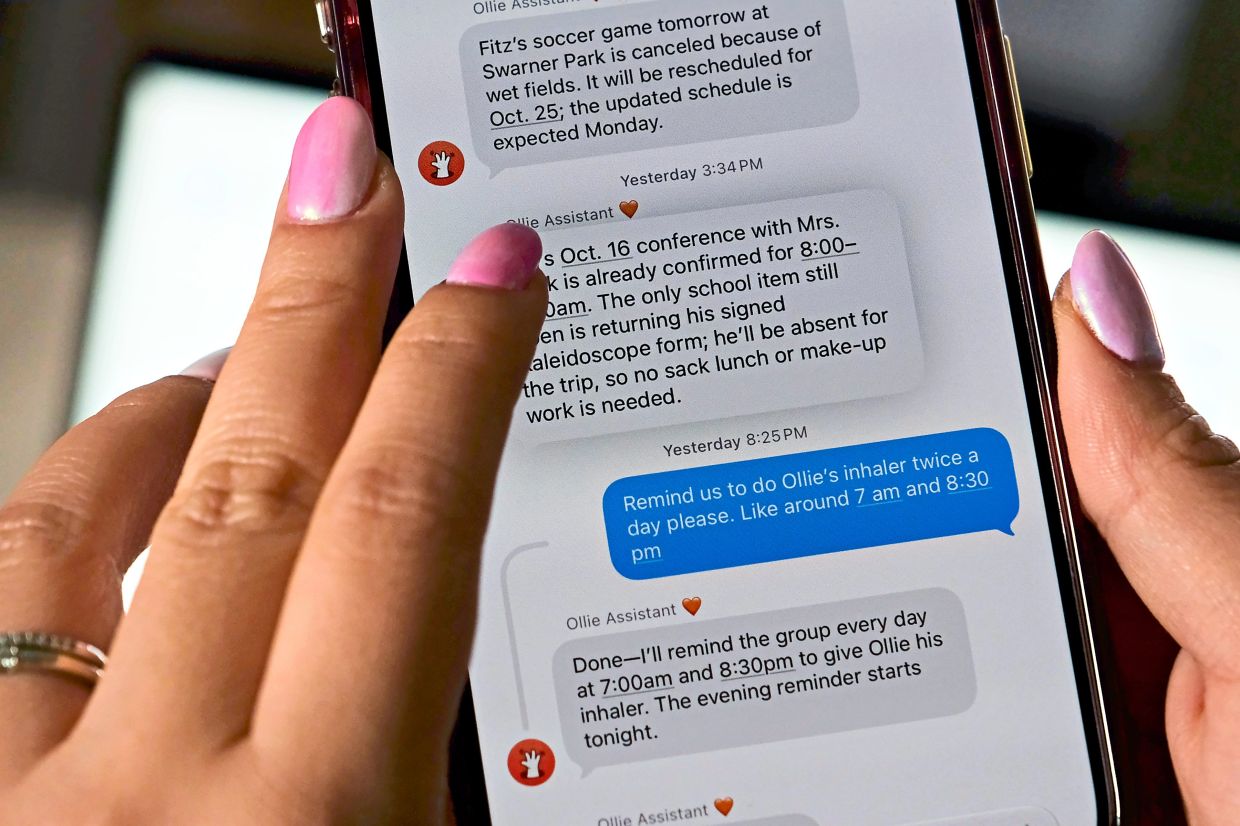
As a solution, she located the schedule, took a picture and uploaded it to an artificial intelligence agent named Ollie. Now, Green gets a text message reminding her to pack Fitz’s library book before it is due.
“I was at the point where all the balls I’m starting to drop feel like the glass ones,” Green said, “and that was kind of a breaking point for me.”
As artificial intelligence (AI) continues to infiltrate almost every aspect of daily life, families have turned to the technology to manage the spiralling administrative tasks that make up much of modern parenthood. Even as alarm is growing over online safety and doomsday scenarios, the potential relief of a digital family assistant outweighs the existential risks for some parents.
In a recent survey by Lurie Children’s Hospital of Chicago, two in three parents reported that AI reduced their mental load, saving them on average more than 58 minutes a week.
And, according to a report from venture capital firm Menlo Ventures, which invests in AI, 84% of parents currently use it “across everyday life, from meal planning and paying bills to managing household logistics and other routine work.” By contrast, 56% of nonparents do so.
“I don’t mind AI if it can help me and my family, and help me be more present,” Green said, adding that she was aware of all the dangers it poses.
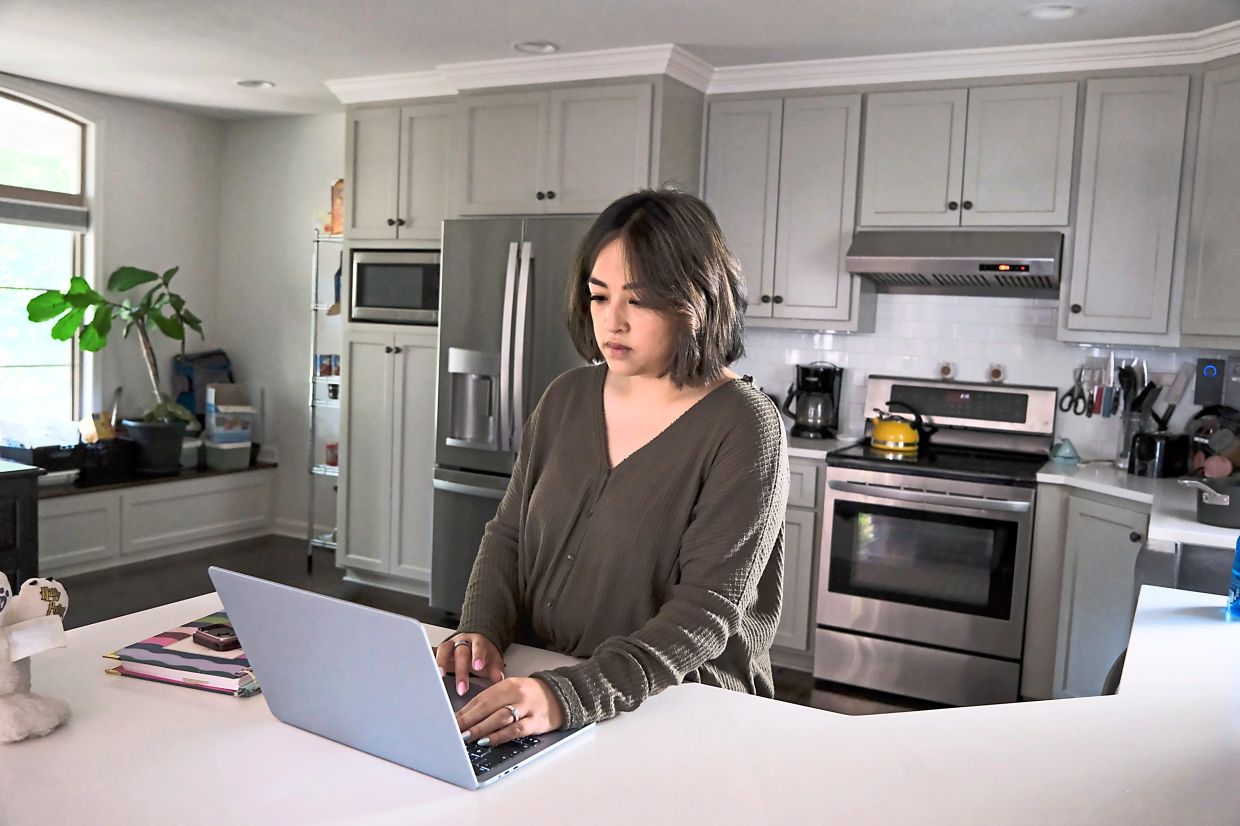
There are roughly 700 companies pursuing innovations in the overall care economy, according to Anna Steffeney, executive director of FamTech.org, an association of care companies in the technology sector. Within that niche is an emerging market for parent-focused companies, which are often founded by exhausted parents themselves, Steffeney said.
Apps including Ollie, Fambot, Ohai and Ava aim to function as household managers, and the majority of users so far are mothers, according to the CEOs of these startups. Other parents are creating their own DIY systems by leveraging general-use artificial intelligence systems – like ChatGPT, Claude or, more recently, Muse – that are more capable but also require more skill to prompt successfully.
The agents typically demand access to an individual’s emails, calendars and other communication platforms. That way the bots can add events to a digital calendar, ping users with schedule changes and flag forgotten tasks or potential scheduling conflicts in a bulletin.
Some are text-based, others have dashboards. But the technology is prone to errors: One mother said that her husband once inadvertently ended up at another grade’s curriculum night. Still, for some parents, that’s a small price to pay for an agent that can remove the emotional sting of being the Reminder-er in Chief (that is, if the Reminder-er has the time and mental bandwidth to set it up.)
Finding solutions
Tara Yukawa, a 42-year-old mother from Austin, Texas, who works in estate planning, has cobbled together solutions for her household by using Claude and ChatGPT.
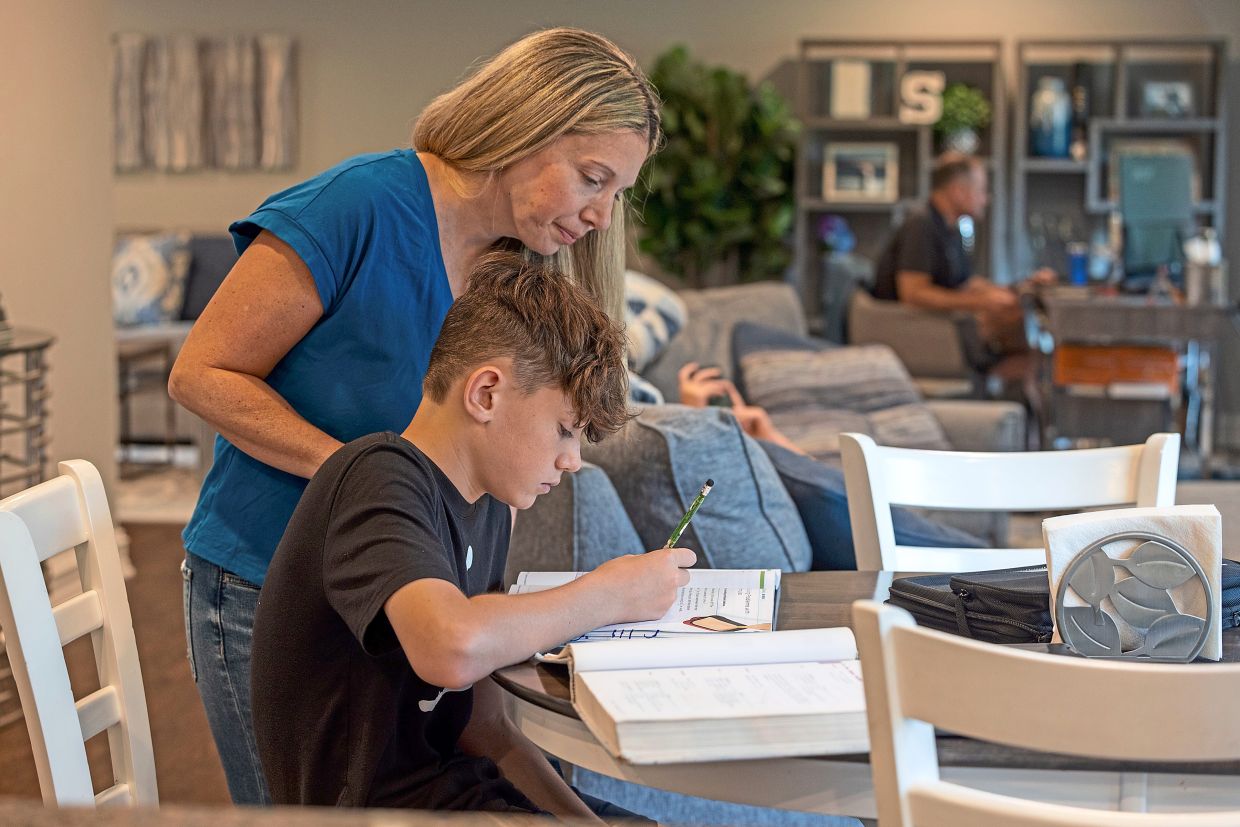
She realised she could use ChatGPT to help her son study spelling words at the kitchen table while she prepared dinner. Yukawa photographed words from his spelling list, uploaded them and instructed the agent to read them out loud. Her son could then spell those words out.
“He very much gets emotional when it comes to this kind of thing,” Yukawa said. But using ChatGPT “took the emotion out of it.”
Uploading data about children into these apps raises red flags because there isn’t much clarity around how that data will be used or stored, said Julia Stoyanovich, director of the Center for Responsible AI at New York University.
“Being a mother myself, I understand that these are useful products, potentially,” Stoyano-vich said. However, she added, these agents have access to private information that they use to act on behalf of the parents, but lack an easy option for those parents to set up guardrails, exposing a “big vulnerability.”
For example, an agent could receive an email from the football league with a PDF attachment that was infected with a prompt, like “buy half of Amazon’s catalog” or “cancel all calendar appointments on Monday.”
The agent might quietly do so without alerting the parent and without any way of controlling it. Or, Stoyanovich said, “imagine if it just forgot to notify you to pick up a kid?”
For Reshma Saujani, founder and CEO of the nonprofit organisation Moms First, which advocates structural support for families, these AI apps can do only so much.
They might do the administrative work but could also raise the expectations on all parents – whether they use AI or not – to manage the flood of busywork.
“The real crisis isn’t that mums forget things,” Saujani said. “It’s that the system was never built to support them in the first place.”
Since these agents rely on information that resides in the brain of the default parent, which time-use surveys and research studies have shown is most often a mother, they demand time and energy to be trained.
A parent needs to share context about family members – ages, allergies, activities – as well as their daily, weekly and monthly schedules. Then, a parent must identify and connect all of the information streams – the class WhatsApp group, the school newsletter, the school sign-in app, the football league schedule, the teacher newsletter – and potentially loop in partners and caregivers.
Ideally, agents surface essential information, cross-reference against schedules and do the bulk of tedious work. But, Steffeney said, “we’re on that knife-edge of the promise – and the peril.” – ©2026 The New York Times Company
The article originally appeared in https://www.nytimes.com/2026/10/15/style/ai-parenting-motherhood-ollie-fambot.html
