She has been bitten and scratched by young patients with autism, but Assoc Prof Dr Ilham Wan Mokhtar, 42, remains committed to helping children with special needs receive the dental care they need.
Her motivation stems from a personal experience involving a cousin with autism who was struggling with an untreated toothache.
"I have a few cousins with autism, but one with low-level autism lives in Melor, Kelantan. One day, we visited his family and saw that he was pounding his head against a wall non-stop. Back then, I was in my first year of dental studies at Universiti Malaya in Kuala Lumpur.
Although she could not provide her cousin with the treatment she had hoped to after returning from her studies, the experience strengthened her desire to help others facing similar difficulties.
"I pledged to help everyone who may have suffered like Chik," says Dr Ilham.
Over the years, she has treated children with varying levels of support needs, including autistic patients whose responses to the dental environment can differ from one visit to the next.
The work requires considerable patience, adaptability and an understanding of each patient's needs, she says.
"You need to build strong muscles to deal with them," she jokes, referring to the physical demands of treating some patients.
She recalls a young patient with severe autism who needed substantial physical assistance during a scaling procedure. His father held him, two nurses supported him on either side, and his mother held his feet while Dr Ilham carried out the treatment.
"Yes, I needed four people's help before I could do the treatment," she shares.
"One day they can be okay, but the next visit they may not be. I need to be patient and energetic all the time. What keeps me motivated is seeing them keep coming back to our clinic. The parents' motivation motivates me too," says Dr Ilham, who did her specialist training in paediatric dentistry and special care at Ghent University in Belgium from 2012 to 2016.
Since 2017, she has been a lecturer and specialist at UiTM.
For Dr Ilham, one of the most rewarding aspects of her job is seeing children gradually become more comfortable with dental visits.
"Being able to help them feel safe and calm enough to open their mouths and let me brush their teeth is satisfying. If I can do brushing, I can slowly do other things too," she says.
One success story is that of a young autistic boy who was difficult to treat as a child. Now a teenager, he is able to undergo treatment with considerable coaxing and patience.
A mother of three, Dr Ilham emphasises that there is no one-size-fits-all approach to treating children with special needs.
"Some patients can regulate their emotions and tell us when they want us to stop, while others cannot communicate their needs verbally. We cannot talk to them in the same way, so we have to adapt our approach to each individual."
When patients become overstimulated, they may hurt themselves during a procedure. Understanding their sensory needs and helping them feel calmer before treatment begins are therefore important, she adds.
Tailored treatments
Regular dental care is as important for people with special needs as it is for everyone else. However, physical, cognitive, communication and sensory difficulties can make maintaining oral hygiene more challenging for them.
"Common dental problems among people with special needs include poor oral hygiene, gum disease and tooth decay. Some may also develop soft tissue injuries due to self-inflicted trauma," says Dr Ilham.
There are those who may have difficulty with the hand movements needed to brush their teeth, while others may be sensitive to the texture of a toothbrush or the taste of toothpaste. Behavioural difficulties can make daily oral care challenging too.
When plaque is not removed effectively, it can cause gum inflammation and contribute to periodontal disease. Poor dietary habits and medication side effects, such as dry mouth caused by certain sedatives, can further increase the risk of tooth decay.
When treating patients with special needs, dentists face challenges such as limited specialised training, difficulties understanding individual requirements and time constraints.
"Some patients need adapted communication methods, behavioural techniques and several visits to become comfortable with the dental setting before treatment can begin. Managing complex medical histories, medications and physical needs may also require additional expertise.
"These patients often need longer appointments and a more flexible approach, but conventional clinic schedules and financial constraints may limit the time available for personalised care," she says.
Treatment should therefore be tailored to each patient's abilities, medical needs and sensory sensitivities.
To improve access to dental services for people with special needs, Dr Ilham says Malaysia needs to strengthen special care dentistry training in undergraduate programmes and give dental officers hands-on experience treating patients with physical, cognitive and developmental disabilities.
Training should cover communication methods, behavioural management and sensory adaptations, equipping dentists to respond more effectively to individual needs.
Parental awareness and attitudes towards dental care are equally important, she says.
"My aim is to work with more people – caregivers, parents, teachers, therapists and others who care for children – and urge them to introduce dental care routines and training as early as possible.
"They should remain consistent until the children are able to do it themselves."
A special calling
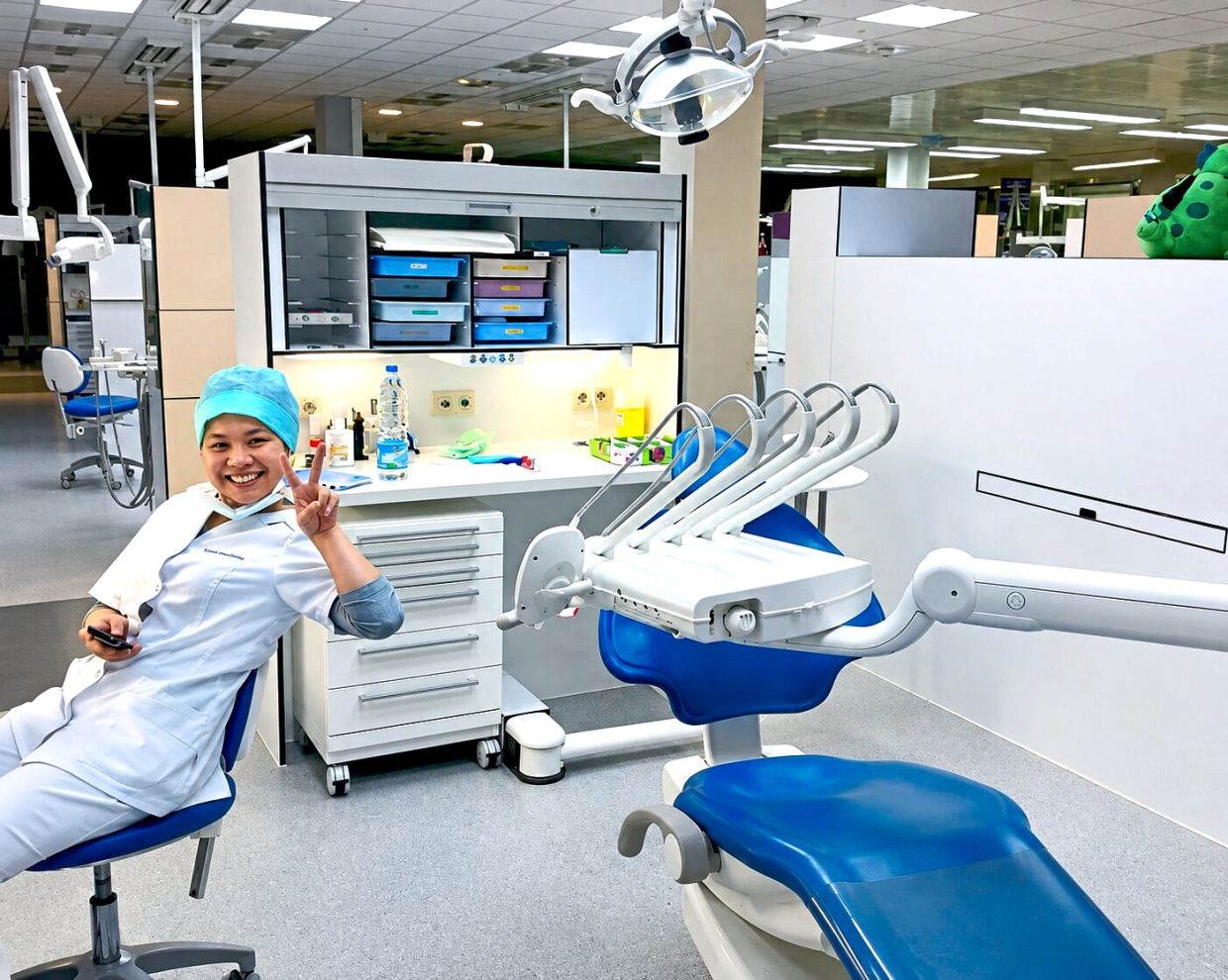
Dr Ilham during her specialisation programme in dentistry in Ghent, Belgium. Photos: Assoc Prof Dr Ilham Wan Mokhtar
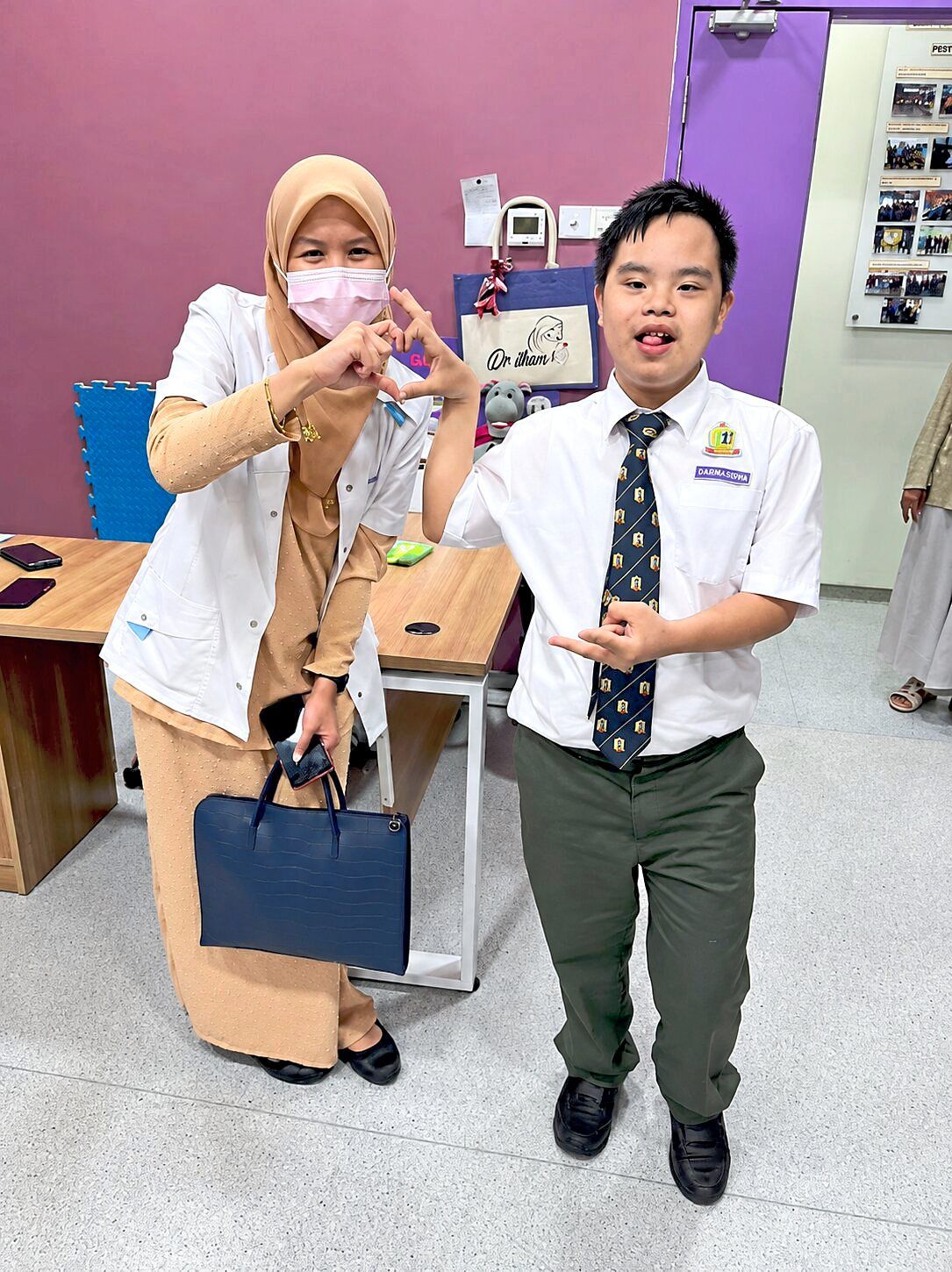
For Dr Ilham (left), one of the most rewarding aspects of her job is seeing children gradually become more comfortable with dental visits.
Photo: Assoc Prof Dr Ilham Wan Mokhtar
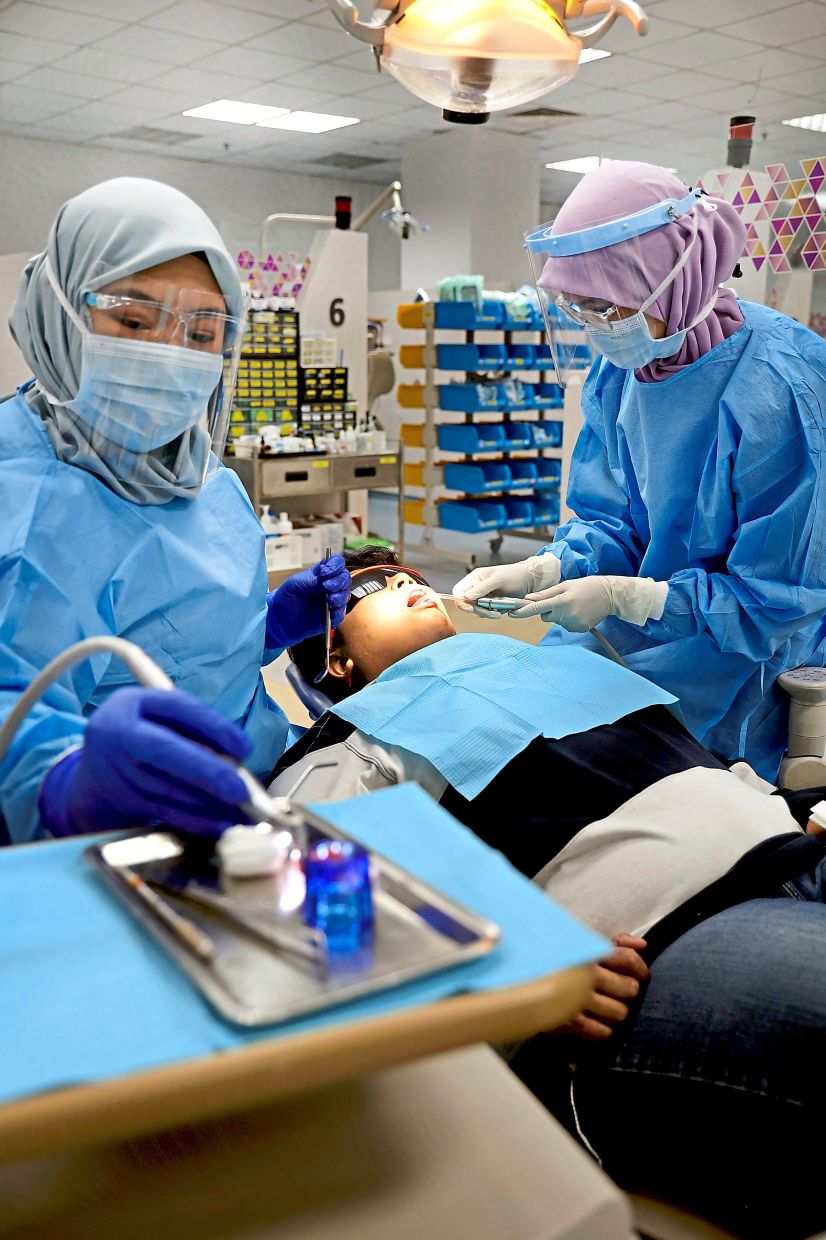
Regular dental check-ups help children with autism prevent tooth decay, detect oral health problems early and receive timely treatment. Photo: The Star/KK Sham
Dental hygiene is important for patients with special needs.