
After long decades of being dedicated to work, retirement is often seen as a finish line.
There is the promise of rest and freedom from professional responsibilities, and of course the time to tick items off the bucket list, be it travel, hobbies or personal growth.
But there are also those who feel lost after leaving the workforce and shedding the routines that have shaped much of their lives.
This was among the issues explored at ‘Rewirement, Not Retirement’, which gathered experts from healthcare, psychology and mental health to help Malaysians rethink ageing and prepare them for life after their careers. The event was organised by the Alliance For A Safe Community (Ikatan), held last Sunday in Kuala Lumpur.
From discussions on how to age healthily, maintaining mental and physical welfare, as well as redefining purpose as a retiree, the programme examines the different factors that influence well-being in later life.
The need for such event conversations became clear after the positive response to the organisation’s inaugural programme last year.
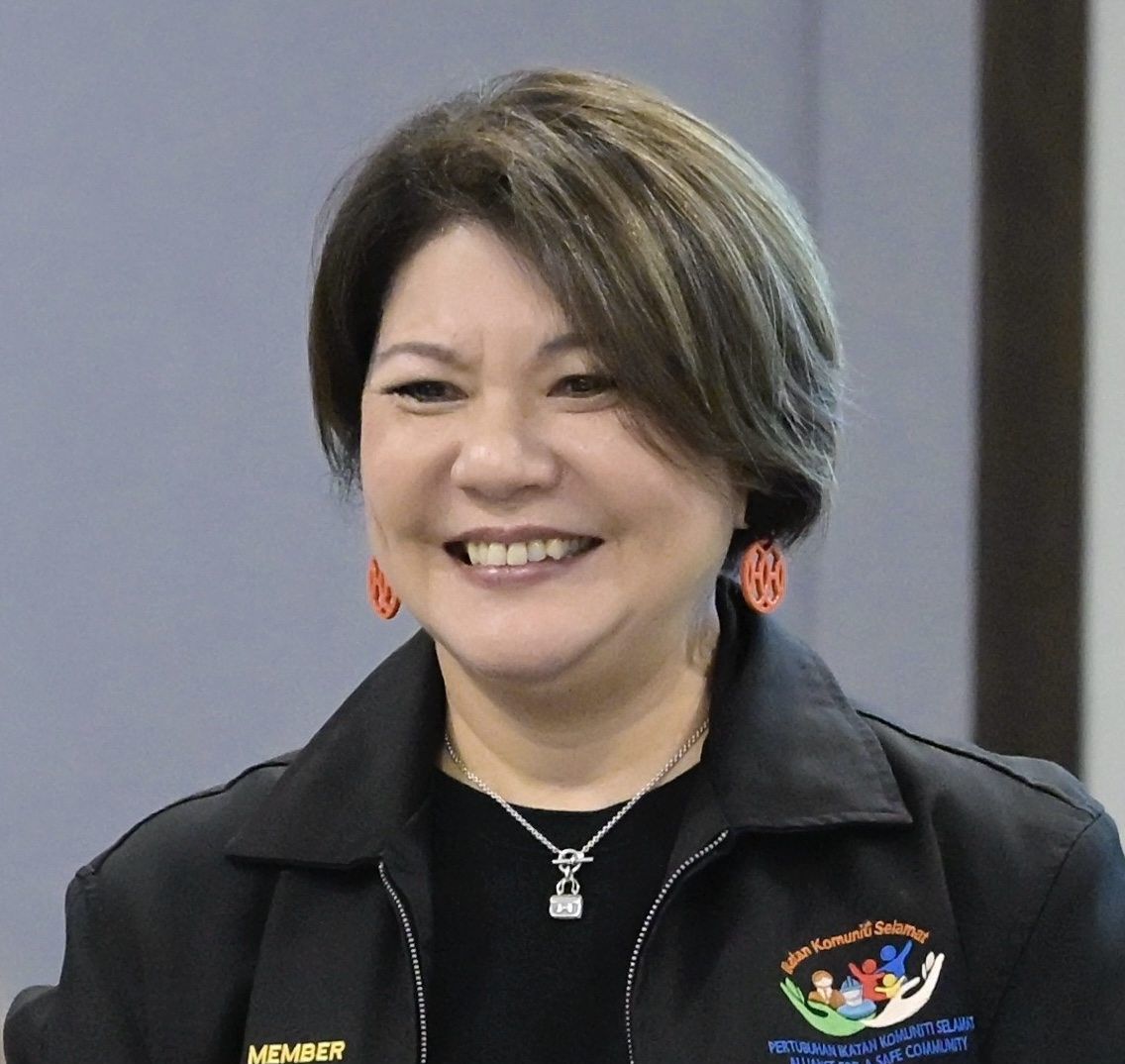
“This showed us that there is a genuine need for greater awareness and open conversations about ageing, retirement and mental well-being,” says Ikatan chief executive officer Elize Lee.
“Retirement should not be viewed as the end of one’s productive life, but rather as the beginning of a new and meaningful chapter – an opportunity to rediscover one’s interests, strengthen relationships and continue contributing to society.”
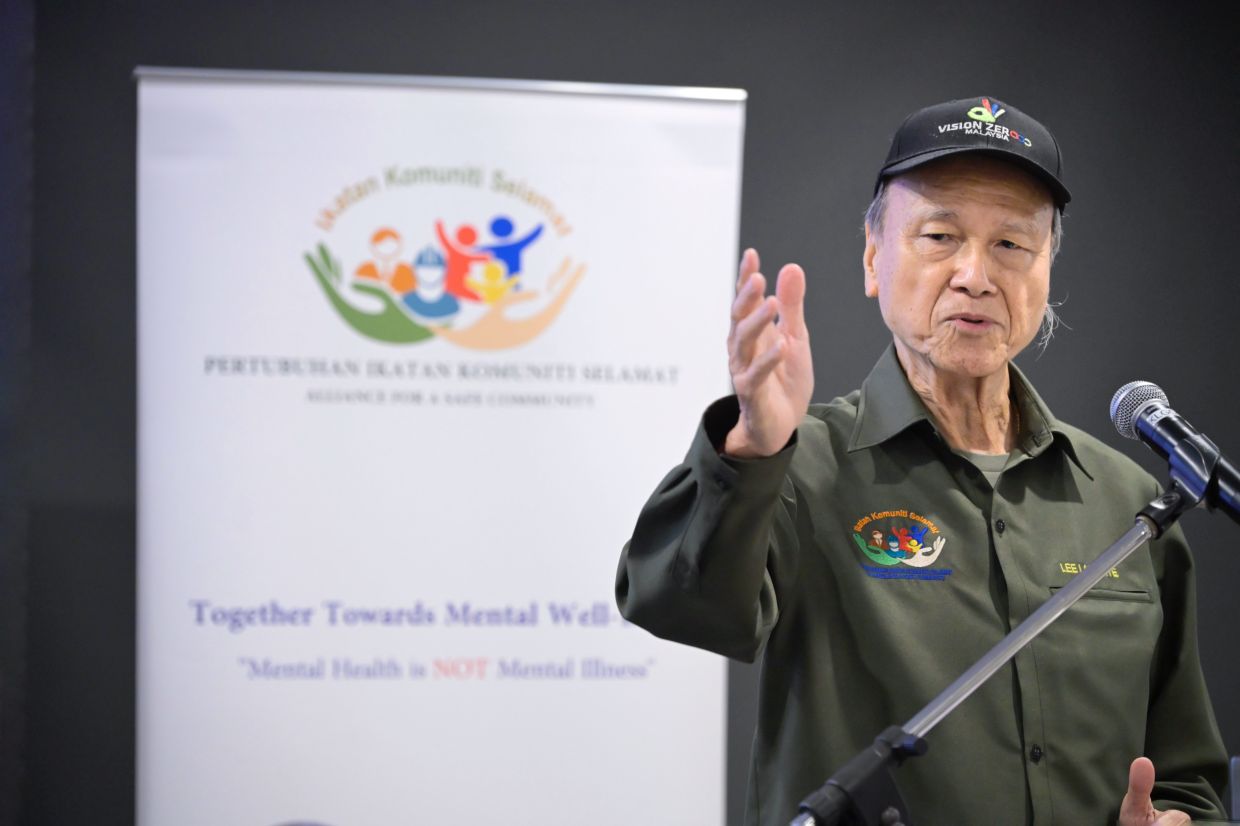
Meanwhile, Ikatan founder and chairman Tan Sri Lee Lam Thye says retirement should not be a period of withdrawal from society, but an opportunity to explore interests and possibilities that may have been placed on the back burner during one’s working years.
“For most, the issue is not about earning more money, but about making the remaining years of their lives count by living healthily, gracefully and meaningfully,” he says.
Living with purpose
While financial stability and healthcare are important things to consider, emotional and psychological adjustments that come with retiremen are sometimes overlooked.
For those whose self-identities and social connections are closely tied to their careers, leaving the workforce can feel isolating and lonely, especially when they have a difficult time establishing new routines.
Older people may also be regarded as less productive or capable of contributing well to society, despite the experience and knowledge they have accumulated over the years.
“We believe it is time to challenge these perceptions. The golden years are not a time to retire from life, but to rewire and renew,” says Lam Thye.
Rethinking retirement also means recognising that ageing is not a responsibility that must be solely placed on one individual.
Families and communities also have a role in creating an environment where older adults can remain connected and continue participating in society.
Elize says bringing together professionals from different backgrounds allows the participants to gain a wider understanding of healthy ageing.
Moving forward, the organisation hopes to continue making the programme into an annual event as “the encouraging response to the programme has strengthened our conviction that we should continue providing a platform for people to learn, share experiences and prepare for a more fulfilling life beyond retirement.”
With the right preparation and support, the golden years of one’s life can offer endless possibilities of reconnecting with neglected interests, strengthening relationships and discovering new ways to give back to the world.
“We believe that investing in the wellbeing of our ageing population is an investment in a more caring, inclusive and sustainable society,” Elize concludes.