
Malaysia needs to look beyond early intervention and childhood support and plan for the long-term needs of neurodivergent individuals and their ageing caregivers, says Datuk Seri Nancy Shukri.
The Women, Family and Community Development Minister said the country must prepare for two realities at the same time – neurodivergent people who are living longer while the country moves toward an ageing population.
Malaysia is rapidly transitioning into an aged nation, with citizens aged 60 and above expected to make up 15% of the population by 2036.
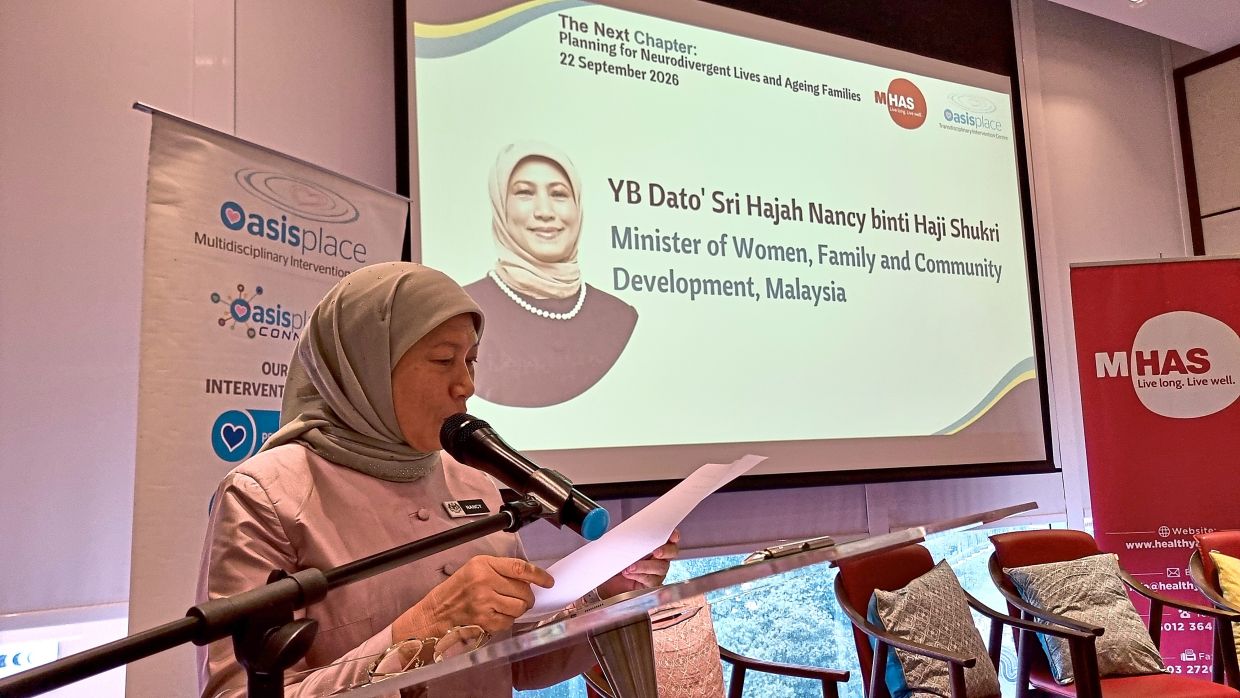
“As healthcare and living conditions improve, neurodivergent individuals are living longer. It also means that we must plan earlier for the future of their ageing parents and for the long-term well-being of persons with neurodivergence who may depend on family support.
“For many parents and caregivers, there is a quiet but profound concern that grows over time: ‘What will happen to my neurodivergent child when I am no longer here, or when I am no longer able to care for them?’” said Nancy.
Speaking at the forum “The Next Chapter: Planning for Neurodivergent Lives and Ageing Families” in Kuala Lumpur today (Sept 22), she said planning for neurodivergent lives must extend beyond childhood, particularly as caregivers age.

Nancy also said society needed to move beyond viewing neurodivergence only in terms of challenges, and recognise the strengths and capabilities of neurodivergent individuals.
“Autism, attention deficit hyperactivity disorder (ADHD), dyslexia and other cognitive variations should not be defined only by challenges. We must create environments where individuals can contribute, exercise autonomy and participate meaningfully in society.
“When we plan for neurodivergent lives, we plan how best to harness these incredible, world-changing assets for community inclusion. Every individual, regardless of neurotype or age, deserves to live a life of dignity, self-determination and security,” she said.
Nancy added that caregivers themselves may be older persons, spouses, siblings or other family members who need respite, information, skills, emotional support and access to affordable services.
Nancy said the Government was strengthening the care ecosystem through the National Plan of Action for Persons with Disabilities 2026-2030, National Plan of Action for Older Persons 2026-2030 and the Malaysia Care Strategic Framework and Action Plan 2026-2030.
More than 100 people attended the session, organised by the Malaysian Healthy Ageing Society in collaboration with Oasis Place, which brought together experts, caregivers and advocates to discuss neurodivergence, ageing and long-term care.
Speakers included consultant child and adolescent psychiatrist Dr Albert Lee Muh Haur, probate practitioner and former president of the Association of Women Lawyers Goh Siu Lin, general practitioner and MHAS secretary Dr Kantha Ruban, consultant geriatrician and Health Ministry head of geriatrics services Datuk Dr Tunku Muzafar Shah Tunku Jaafar, occupational therapist Dr Bill Wong and National Autism Society of Malaysia honorary secretary Cason Ong Tzse Chun.
Caring for the elderly and neurodivergent children

As generations grow older, families must plan for the long-term care and support of loved ones with special needs. Photo: 123rf
Caregiving must be a shared responsibility as families age, says Nancy. Photos: Prem Kumar
As parents age, Malaysia needs to plan for the long-term care of children with special needs. Photo: 123rf
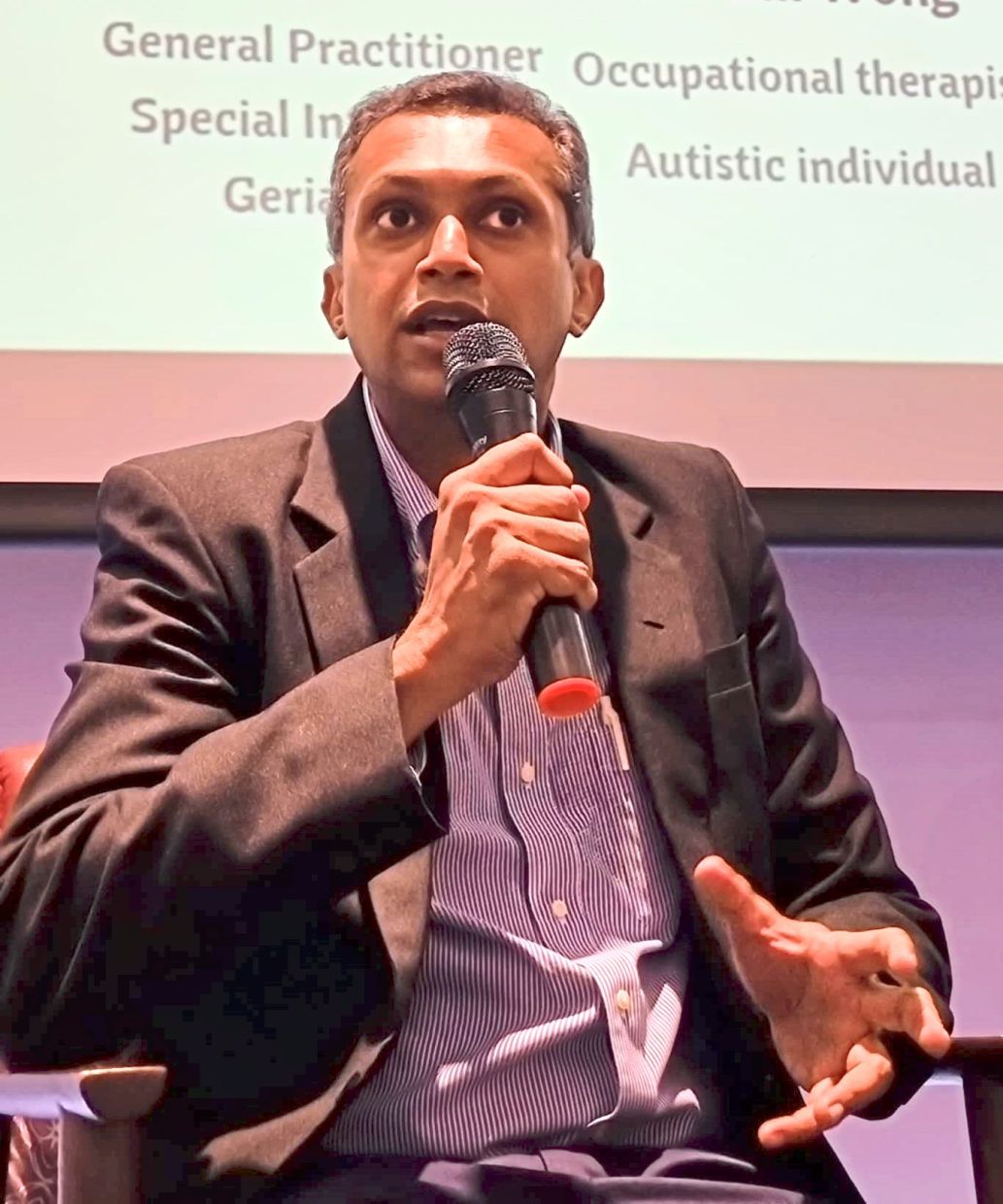
Better education on neurodivergence can help doctors play a greater role in supporting families, says Dr Kantha Ruban.
Photo: Prem Kumar