At five years old, Saleha Mohd Faiq was already dreaming big.
Watching rhythmic gymnastics on television, she was completely fascinated by their gracefulness paired with sparkly outfits and sleek hairstyles.
Turning to her mother, S. Areena, she said: “Mummy, I want to be a gymnast and go to the Olympics.”
Now, at 10 years old, Saleha has accumulated an impressive list of achievements, including two gold medals and a silver at the Aram United Arab Emirates (UAE) Cup 2024 in Dubai, UAE, as well as titles at the Groove Cup, Piala Puteri Classic and many more.
Her next journey takes her abroad with an opportunity to undergo a month-long training programme at Accademia Bruno Grandi in Rome, Italy from Nov 13 to Dec 13.
She will train under Claudia Mancinelli, the Italian coach who guided Italy to its first individual Olympic medal in rhythmic gymnastics during the 2024 Paris Olympics.
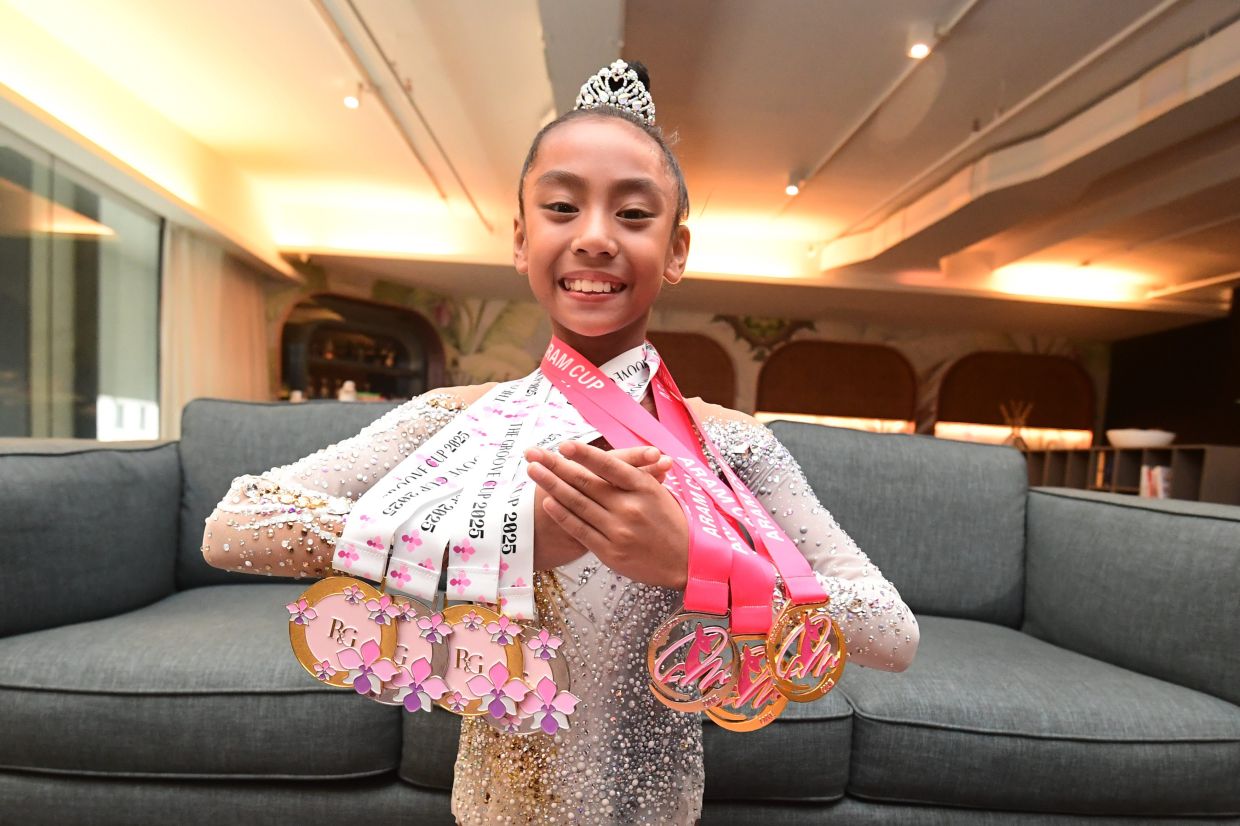
“Going to Italy to train under Mancinelli, I feel excited but also nervous,” says Saleha, who dons her very own white leotard adorned with shimmering gems. She also hopes to improve her routines and masteries during the programme.
For a young athlete like Saleha to flourish, talent and determination are only a small part of the equation.
The commitment of parents, her coaches and the understanding of those around them all play a role in ensuring that the pursuit of success does not come at the expense of her childhood.
“When this started, I realised it takes a lot of commitment for her to excel in this sport. In many instances, it does take a whole village to help her realise this dream,” she says.
Support and encouragement
That village begins at home, where family members help ensure Saleha keeps up with schoolwork and other responsibilities.
Her school has also made allowances for her commitments. The teachers understand her competition schedules and even celebrate her achievements when she returns.
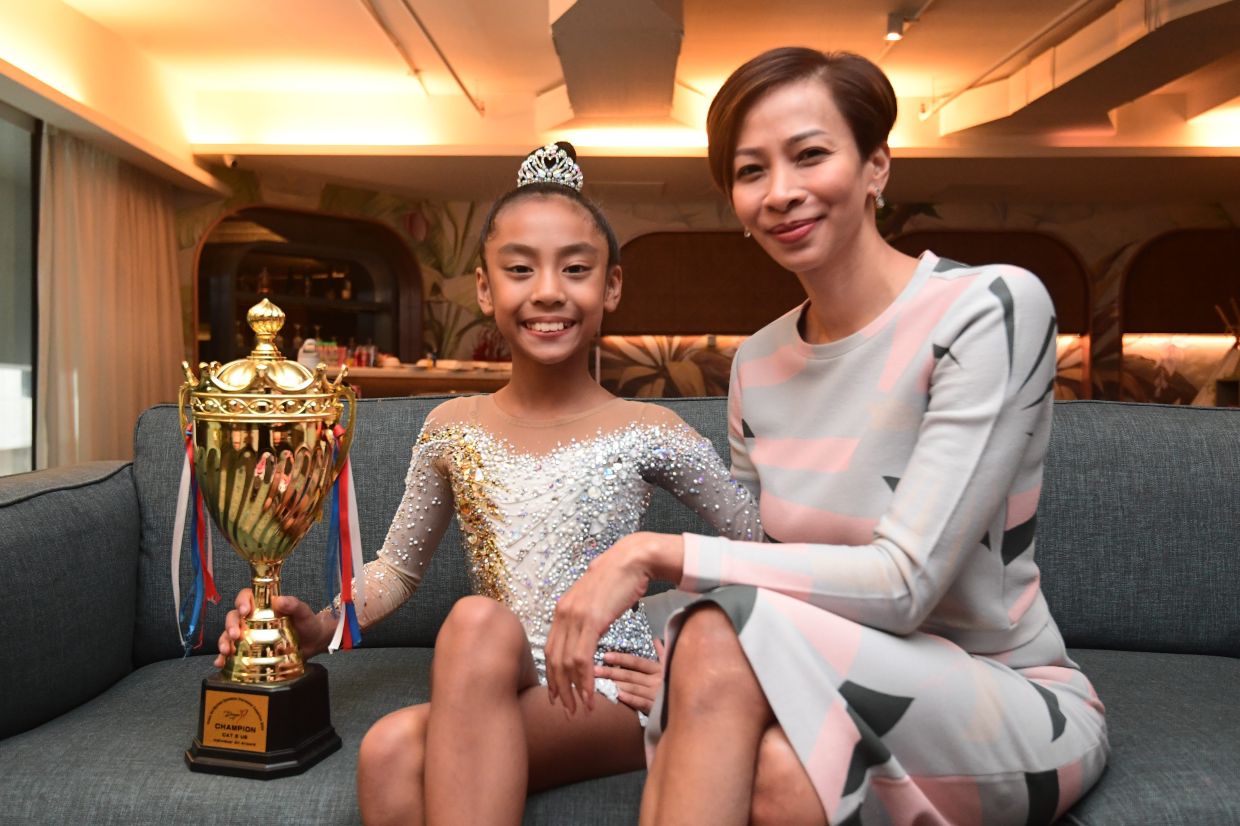
Even her friendships require some adjustment, as she is often unable to attend weekend gatherings due to training. Even so, they are all very accommodating to her.
Areena admits that family time has become more limited, with Saleha’s training taking up most of her time.
“To be completely honest, we only see her at night during weekdays. But we make it a point to hang out together as a family whenever we can. We also go for family trips every year during the break,” she says, noting how important it is for her to balance the sport with family and personal life.
Areena also maintains close communication with Saleha’s coach, Sarina Sundara Rajah, to coordinate training hours and monitor Saleha’s progress and well-being.
Sarina shares that having an understanding and committed family is important in a demanding sport such as rhythmic gymnastics, which requires early specialisation and a strong technical foundation.
“One thing Saleha’s family has understood is to prioritise her expertise in rhythmic gymnastics and focus on that alone,” Sarina says, noting the various types of gymnastics one could train and specialise in.
“It protects her time and energy so she can also dedicate her time to school and spending time with her family at home.”
Without proper balance, Sarina cautions, young athletes risk becoming exhausted, letting their focus slide, along with their motivation.
Reaching for the stars
With someone as young as Saleha, Sarina says it’s crucial to know that no matter how hard they train, they can still get affected emotionally by certain things. Parents must be able to recognise and understand these things along with how to support them during and outside of training.
When coaching her students, Sarina always looks out for changes in a young gymnast’s behaviour, such as becoming unusually withdrawn, appearing tired or losing enthusiasm.
“Saleha always shows up for training. Of course, there are days when she doesn’t feel too well. In that case, we would have a chat and I would update Areena before working out how to best help manage her,” she explains.
Meanwhile, Areena acknowledges that there have been moments when her daughter has come home saying she no longer wants to continue gymnastics.
“Most of the time, she needs encouragement and a reminder of why she started,” she says, highlighting how parents should be able to differentiate between a child experiencing a difficult day and a child genuinely losing interest in the sport.
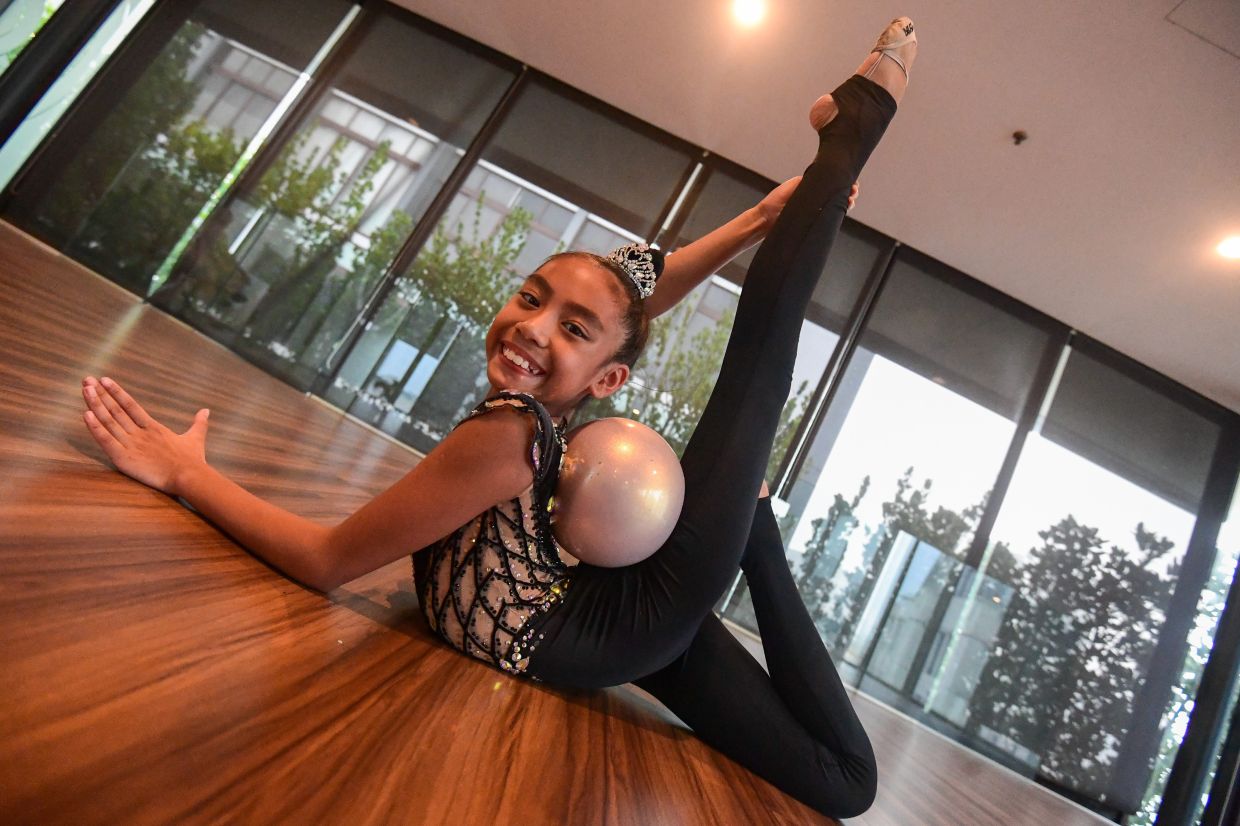
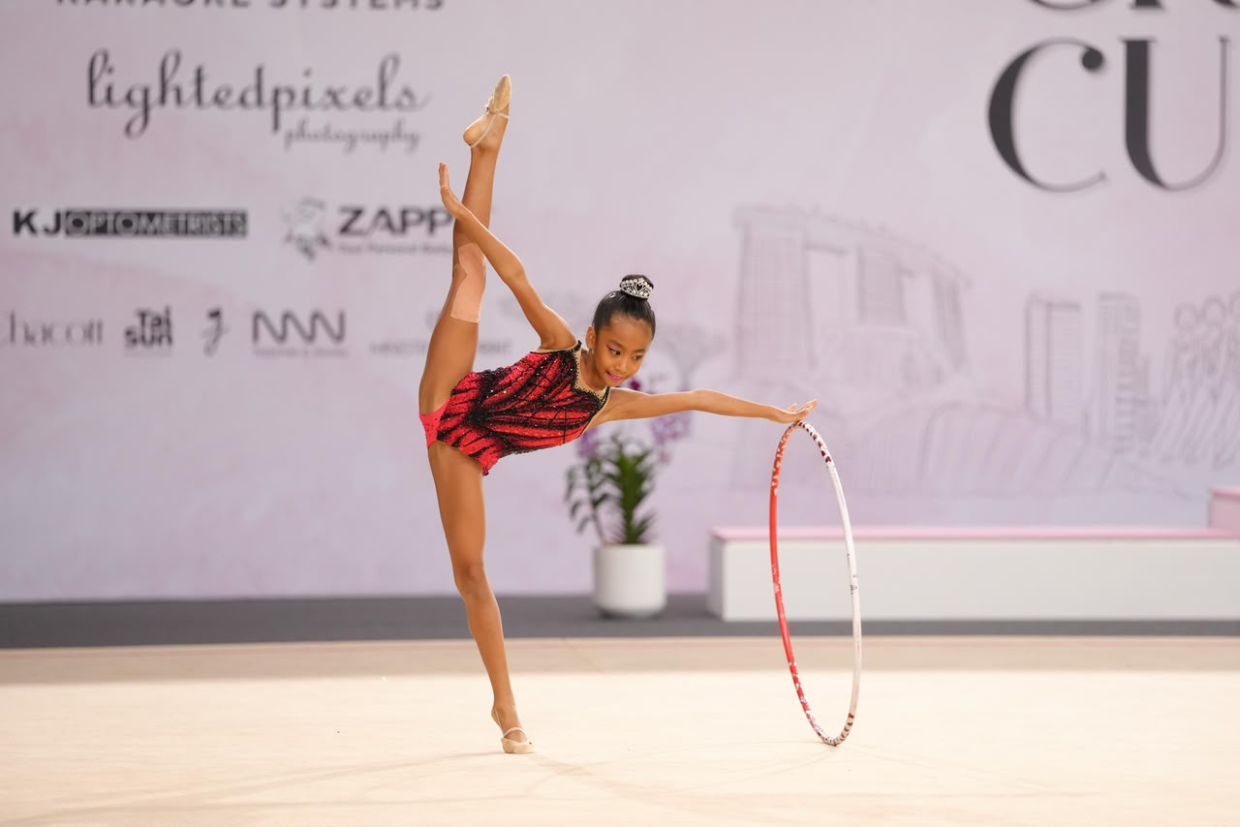
But the challenges have never diminished Saleha's passion. She describes herself as naturally competitive and says that no matter how hard learning gymnastics gets, she continues to enjoy improving herself.
Sarina, who hopes to see Saleha one day represent Malaysia at the Olympics, is mindful that such ambitions take time.
“My role as a coach is not to make her fit into an outcome I’ve prepared for her. It’s about giving her the opportunity to grow as a gymnast and as a person, and giving her the confidence to pursue her goals,” she says.
Training in Italy alongside accomplished gymnasts and receiving guidance from experienced coaches will carve a big path for Saleha towards her goal.
And while Saleha may have started out with an Olympic dream, the people around her are just as invested in ensuring that she enjoys the journey along the way.