
Digital transformation is not just about creating more advanced technology, but ensuring that everyone, including persons with disabilities, can benefit from technological progress.As Malaysia advances its digital agenda, accessibility must be built into technology, services and policies from the start, said Digital Minister Gobind Singh Deo recently.
"Today, access to education, employment, healthcare, banking, transportation and government services increasingly depend on digital technology. This is why digital accessibility is now a necessity.
"Our goal is to leverage these advanced technologies to dismantle the daily challenges faced by the orang kurang upaya (OKU) community," said Gobind during Global Accessibility Awareness Day (GAAD) 2026 at the Malaysian Association for the Blind (MAB) in Brickfields, Kuala Lumpur, yesterday. (June 23)
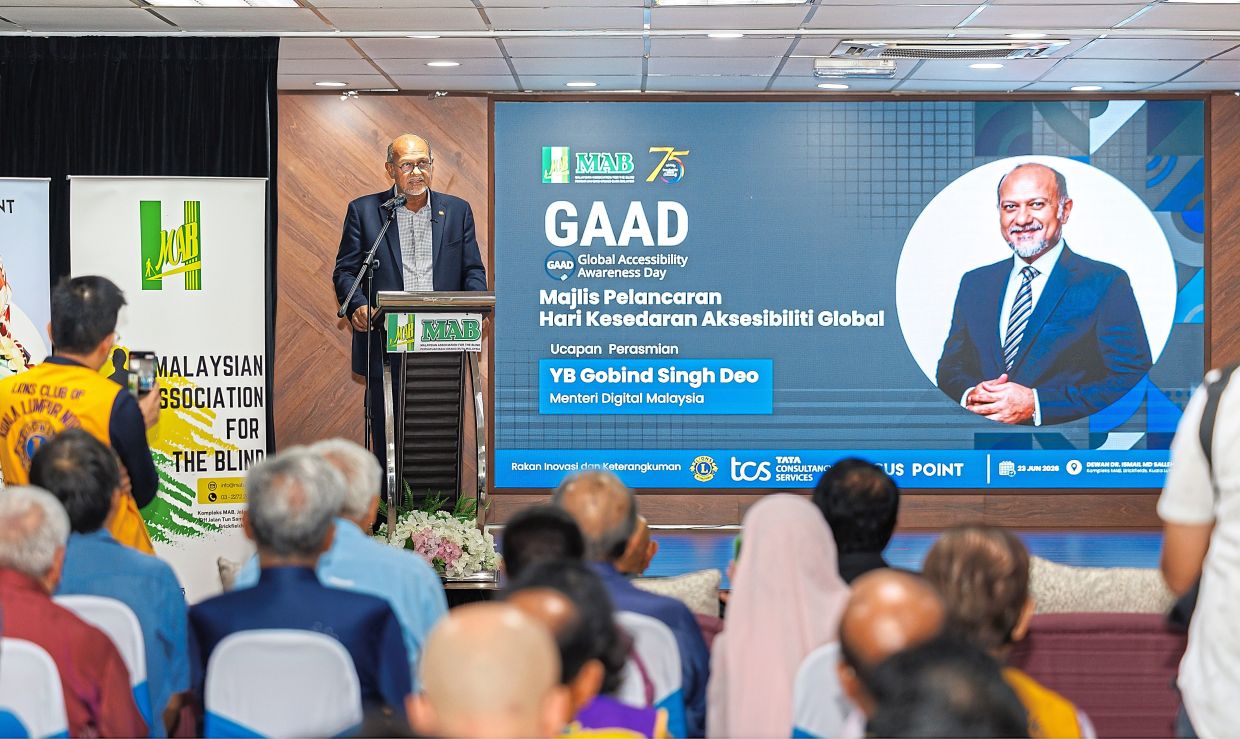
In its 15th year, GAAD aims to raise awareness about digital accessibility and inclusion, encouraging people to understand the needs of those with different disabilities.
According to Accessibility Day, about one billion people worldwide live with disabilities, including visual, hearing, motor and cognitive disabilities.
Gobind said that in 2023, there were more than 736,000 registered persons with disabilities (PWDs) in Malaysia. The number increased to nearly 844,000 as of May 2026, with over 69,000 being persons with visual impairments.
"These numbers remind us that accessibility is not a niche issue, because it affects hundreds of thousands of Malaysians and their families.
"For a visually impaired person, the ability to identify an object, read information, navigate a new environment or access a service independently can make a profound difference. These are far more than simple conveniences; they are pathways to greater confidence, independence and opportunity," he said.
At the event, Gobind launched Be My Eyes Malaysia, a global application that connects blind and low-vision users with sighted volunteers through live video. The platform includes local volunteers who can assist users in over 180 languages, including Bahasa Melayu, English, Mandarin and Tamil.
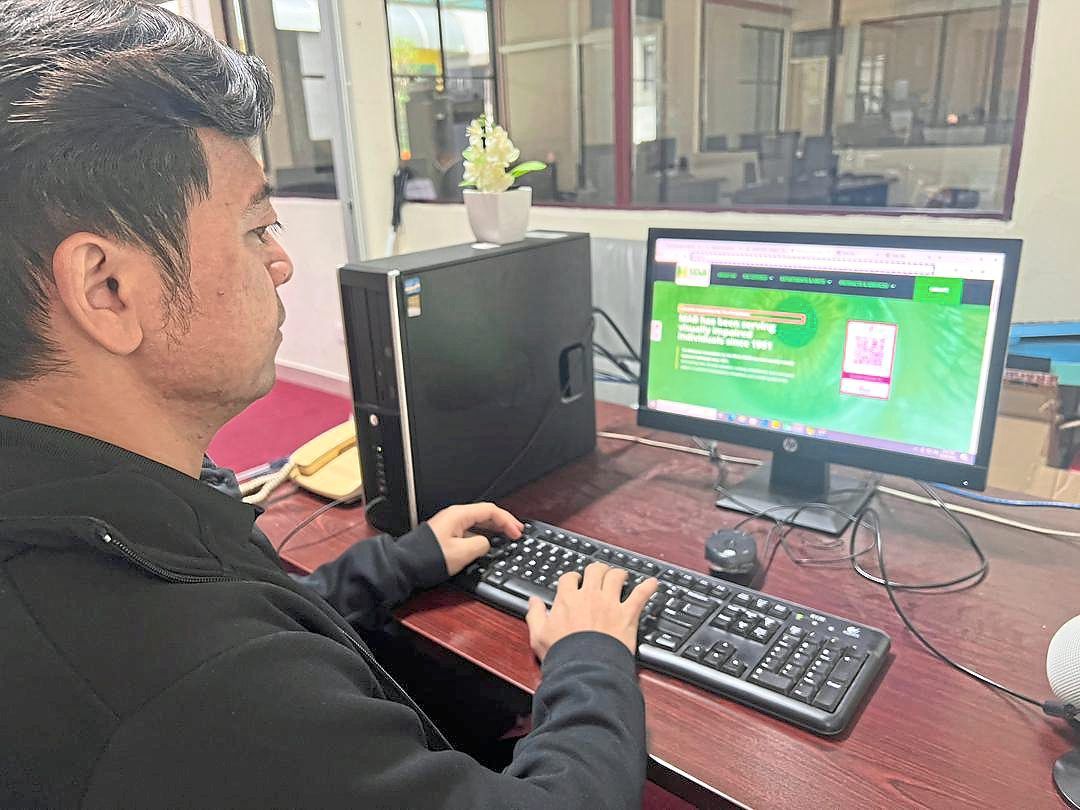
MAB information, communications and technology head Haffiyan Lali, 36, highlighted the importance of making digital platforms accessible to people with disabilities in his presentation, "Digital Accessibility: A Bridge to Inclusion."
"Assistive technology refers to tools, devices and software that help people with disabilities access information, communicate, learn and navigate daily activities. For the visually impaired, these include screen readers, magnifiers and navigation aids that enable greater independence in the digital world," said Haffiyan, who became blind at 16 due to glaucoma.
Haffiyan, who holds a Bachelor of Arts in International and Strategic Studies from Universiti Malaya, Kuala Lumpur hopes amendments to the Persons with Disabilities Act 2008 will be accelerated to strengthen digital accessibility rights and promote greater inclusion.
"It is important for digital accessibility standards and guidelines to be incorporated into national policies, regulations and legislative frameworks. Accessibility is not only for persons with disabilities - it benefits everyone," said the Tawau native.
Bridging the gap

Technology plays a crucial role in empowering the blind community. Photo: 123rf
Gobind says digital accessibility is essential as technology becomes part of everyday life. Photo: Malaysian Association for the Blind
Haffiyan believes assistive technology is key to helping the blind gain independence and equal access to opportunities. Photo: Haffiyan Lali