
In South Korea, five university students with developmental disabilities are proving that aside from aiding productivity and efficiency, artificial intelligence (AI) can unlock creativity and allow people to express themselves.
The students recently launched their own illustrated picture books after taking part in “My Pink Elephant”, a series of classes held over the course of eight weeks from May to July at Hyupsung University.
Supported by generative AI, the project was designed to help the students tell stories in ways that fit their individual communication styles, while allowing them to maintain their creative agency throughout the process.
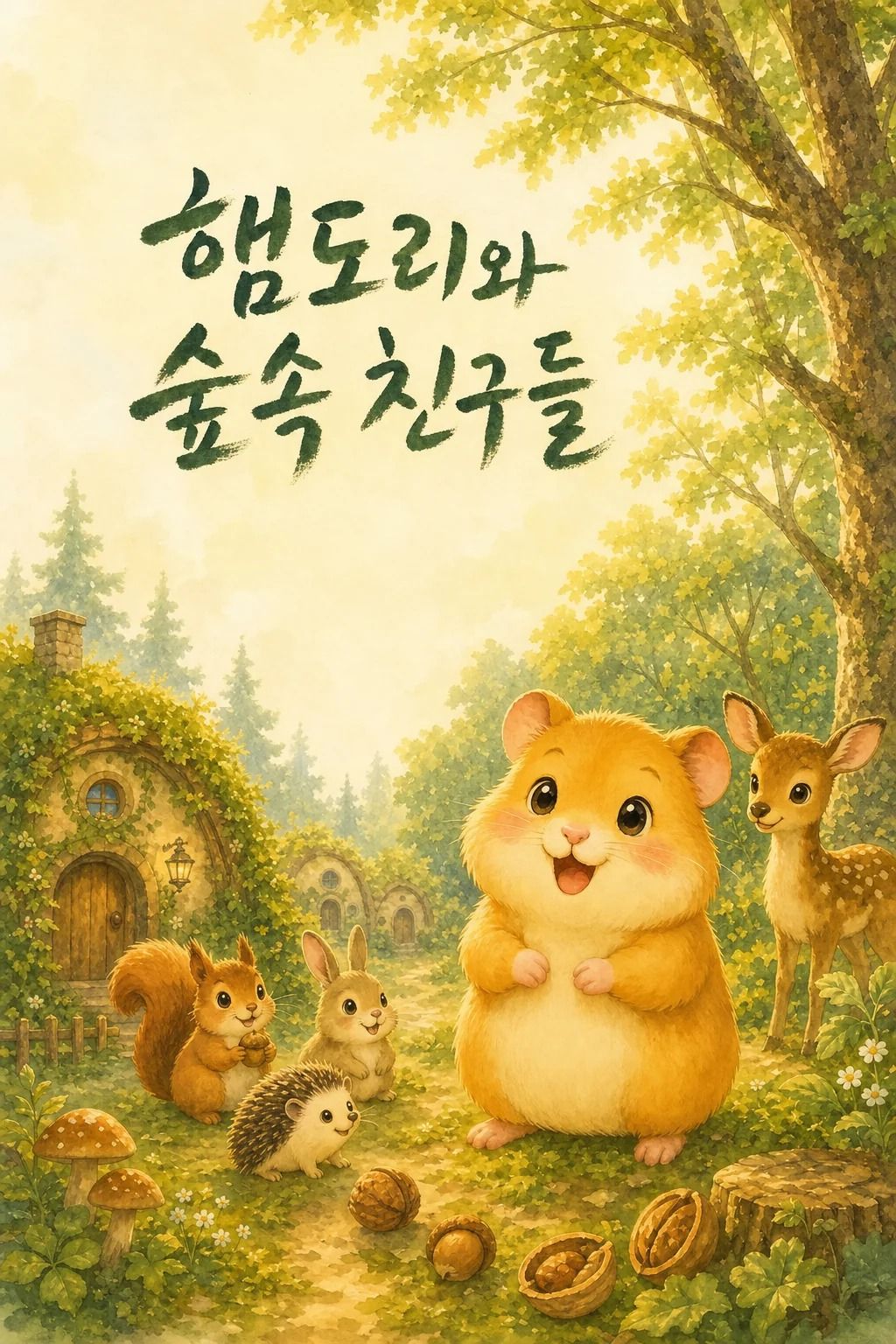
The students who chose to share their work publicly through the online exhibition are: Park Da-won (Hamdori And The Forest Friends), Seo Jeong-bin (The Elephant Family’s Delightful Journey), Song Ji-ho (The Elephant Who Made Rainbow Soap Bubbles), Hong Seung-woo (Big-Eyes And His Wondrous Eyes), and Yeo Hwi (Kkangchong’s Great Adventure).
Their stories are filled with magic heroes delivering important lessons, each a reflection of the author’s imagination and personal aspirations.
In Park’s story, for example, the hamster hero named Hamdori is capable of running very fast – which comes from the author’s love of running.
Hong’s curiosity and love for learning is mirrored in his hero, Wangnuni, who uses his large eyes to find his desired books and gain new knowledge.
Together with three additional titles compiled by programme lead Lee Min-woo, the exhibition features eight picture books available for viewing.
AI as assistant
Part of the university’s “AI Activity Capacity-Building Programme”, the initiative encouraged students to come up with original characters and narratives through drawings, spoken responses, picture and emotion cards, as well as voice input, rather than relying solely on the traditional writing method.
AI was then used to refine sentences, digitise the hand drawings into artworks and generate prompts to help expand their stories. Even so, the students still retained complete control over the final decisions.
According to Lee, the reasoning behind the programme lies in the therapeutic nature of storytelling.
“As I studied literature, I was taught that writing saves people,” he said.
“I am not sure whether it saves others, but I believe that writing holds the power to heal one’s own wounds.”
He added that AI was introduced to support tasks that students with disabilities might otherwise find difficult, helping them bring their imagined worlds to life.
One key rule the helpers had to follow during the programme was to make sure never to complete the stories on behalf of the participants.
For instance, when a student has trouble finding their words, the facilitators would wait for a while before asking them again instead of completing the sentences for them.
They also helped with operating the equipment and clarifying the meaning of questions – never intervening with the protagonist of the stories, the story flow and the ending.
AI also remained merely “an assistant”. The students will compare different AI-generated suggestions before deciding on which ideas to accept, reject or revise, encouraging them to be critical and exercise AI literacy.
Aside from the picture books, the online exhibition showcases the students’ original sketches, theme songs, videos and the teaching materials used throughout the programme.
The website also features large-text viewing, read-aloud functions for every page, as well as a keyboard- and touch-friendly interface for accessibility.