
For many women, reaching their 50s brings changes that can make staying fit more challenging. Energy levels may fluctuate, weight becomes harder to manage and exercises that once felt easy might no longer suit the body.
But growing older doesn’t mean being less active. In fact, this is an important time to rethink fitness, with strength training taking centre stage alongside cardiovascular exercises and activities that improve flexibility and balance.
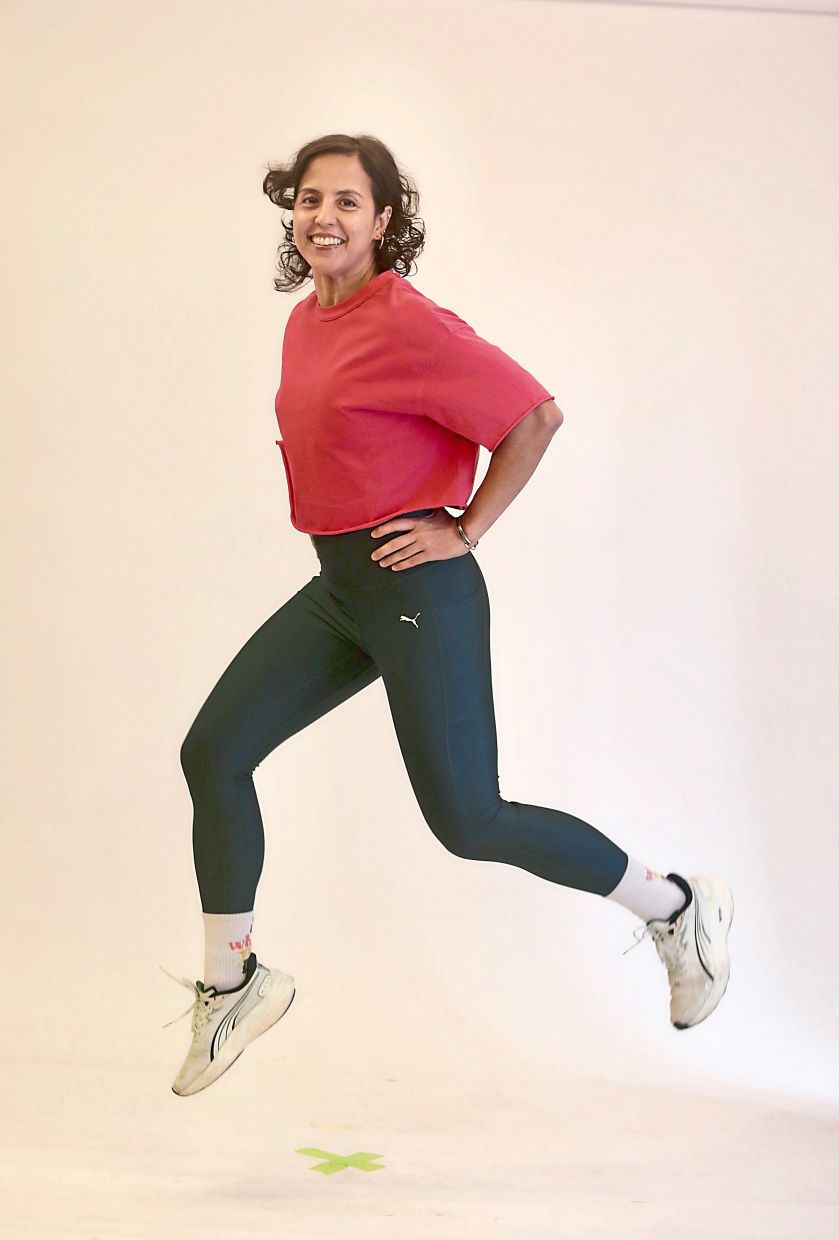
Parry has seen women who begin strength training in their late 50s make remarkable progress within three to six months.
One of the biggest obstacles, she says, isn’t necessarily physical ability but the mistaken belief that they’re too old to start.
“We’ve got a very negative view on ageing, that 50 is ‘old’. But actually, you can feel amazing in your 50s,” she says.
The goal isn’t to recreate the body one had in their 20s or 30s, but to build and maintain mobility and strength needed to enjoy life with confidence and independence.
As women age, they naturally lose muscle mass and bone density. These changes can accelerate around perimenopause and menopause as oestrogen levels decline.
Ageing and wellness entrepreneur Diane Chia says muscle is essential for everyday activities, from climbing stairs and carrying groceries to getting up from a chair without assistance.
Small changes, such as needing to use one’s hands to push up from a chair or feeling unsteady on uneven ground, can be signs that strength and balance need attention.
Maintaining muscle is also important for mobility as women grow older. Weakness can make everyday tasks more difficult. Poor balance increases the risk of falls.
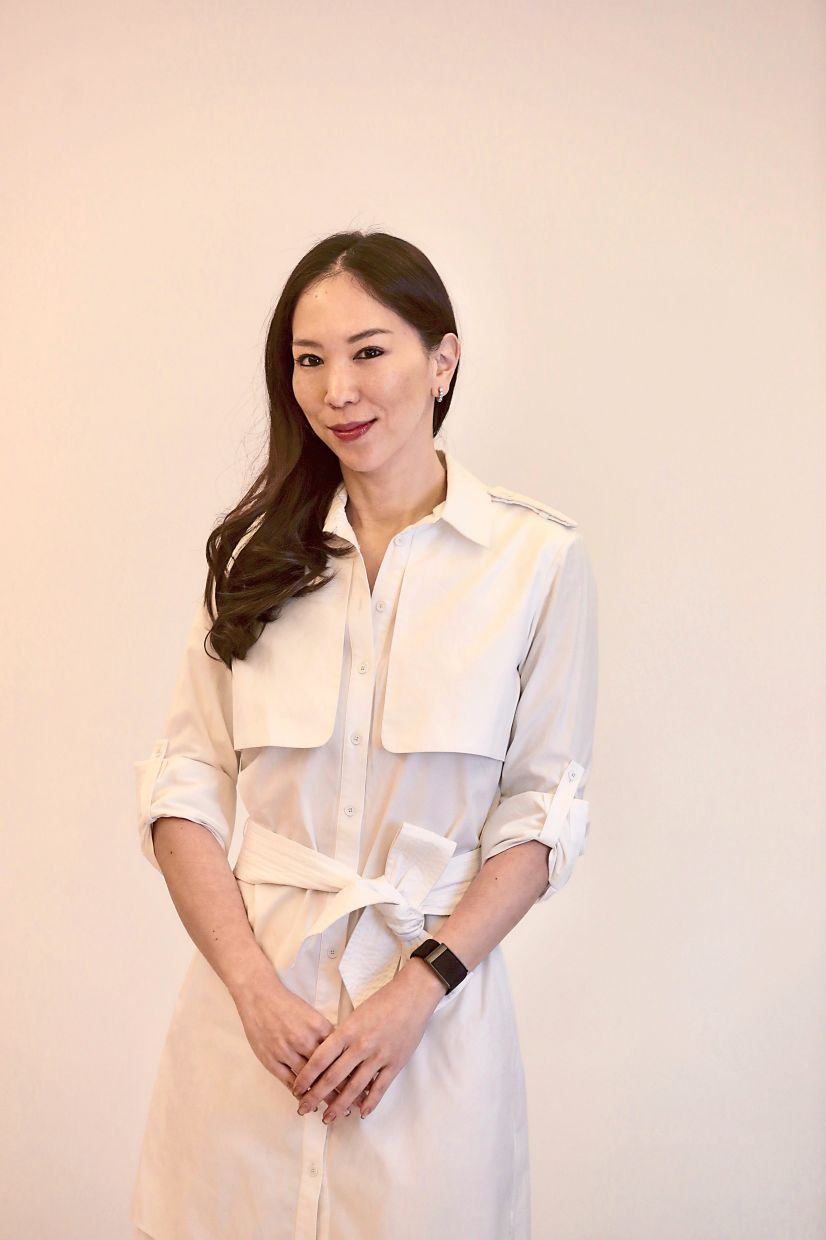
This doesn’t mean picking up the heaviest dumbbells in the gym. Beginners can start with body weight exercises before gradually introducing resistance bands, dumbbells or weight machines as their strength improves.
Parry emphasises that the body needs a progressively greater challenge to continue building muscles.
While body weight exercises are useful at the beginning, women will eventually need to increase resistance if they want to keep progressing.
There’s also no need to fear getting overly muscular. For most women over 50, the priority is preserving muscle mass and improving functional strength, rather than pursuing dramatic changes in physique, she says.
The benefits can be practical and empowering: lifting luggage into an overhead compartment, carrying shopping bags or travelling without worrying as much about physical limitations, she adds.
Walking is an accessible way to stay active. It supports cardiovascular health, gets women outdoors and offers opportunities to socialise with friends.
However, Parry cautions against relying on walking alone.
“It’s not one or the other,” she says, explaining that daily movement works best alongside intentional exercise, particularly strength training.
Women who enjoy running or high-intensity workouts don’t necessarily need to give them up. Instead, they can balance these activities with resistance training and sufficient recovery.
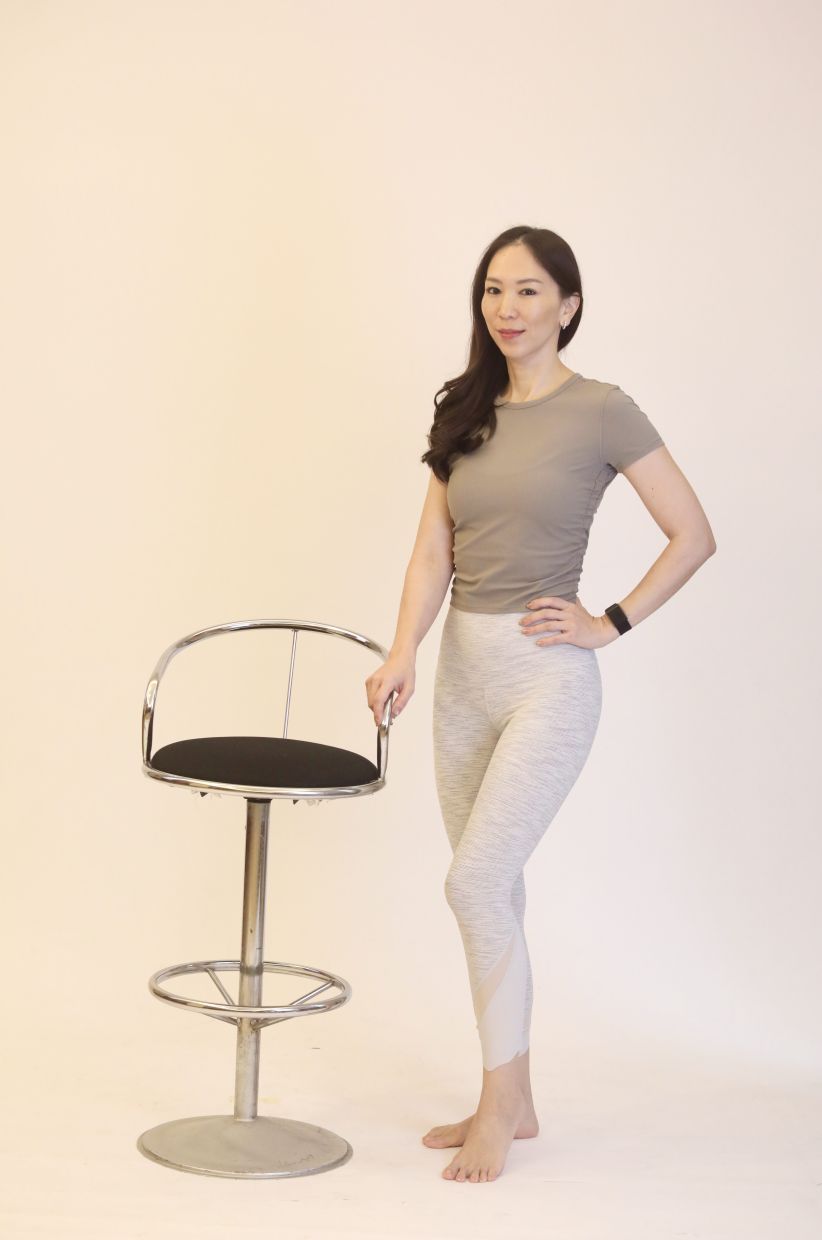
Pilates is another useful option. Chia says it can help improve core strength, posture, balance and flexibility, while its controlled, low impact movements may suit women who prefer a gentler approach.
Mat Pilates can be adapted to different abilities, including by using a chair or reducing the range of movement.
However, Pilates and other low-impact activities should complement, rather than automatically replace progressive resistance training when the aim is to build muscle and support bone health.
A sustainable routine needn’t involve long hours at the gym. Chia suggests setting aside time for strength training three times a week, adding brisk walks, stretching or dancing, and including cardiovascular exercise that raises the heart rate.
Even 20 to 30 minutes can be a useful starting point, she says.
Parry recommends starting with a qualified trainer who understands the needs of older adults.
Those who are new to strength training may benefit from weight machines, which provide support and allow them to focus on working specific muscles before progressing to free weights.
Women with existing injuries, back pain, joint problems or other health conditions should seek appropriate medical advice and work with a professional who can adapt exercises to their needs.
There’s no single programme that suits everyone. The right starting point depends on one’s current strength, mobility, health and goals.
Chia also advises paying attention to warning signs. Sharp joint pain, dizziness, persistent pain or constant exhaustion shouldn’t be ignored. Women with osteoporosis may need to avoid certain loaded twisting or forward- bending movements, while those with balance difficulties can exercise beside a sturdy chair or wall.
Progress should be gradual, not forced, she advises.
Exercise is only one part of maintaining fitness. Nutrition, sleep and recovery are equally important, particularly when the body is adapting to new physical demands.
Parry encourages women to include protein-rich foods at every meal to support muscle maintenance and growth.
In Malaysia, practical options include eggs, fish, chicken, tofu, tempeh and dhal. Vegetables and fruit provide fibre and other essential nutrients, while carbohydrates remain an important source of energy.
Restrictive dieting and excessive exercise can leave women tired and make it harder to maintain muscle. Rather than focusing exclusively on weight or appearance, Parry encourages women to pay attention to improvements in energy, mood, sleep and everyday ability.
Women should also focus on recovery. Rest days and adequate sleep give the body time to adapt to exercise, she advises.
Finally, consistency is more important than perfection.
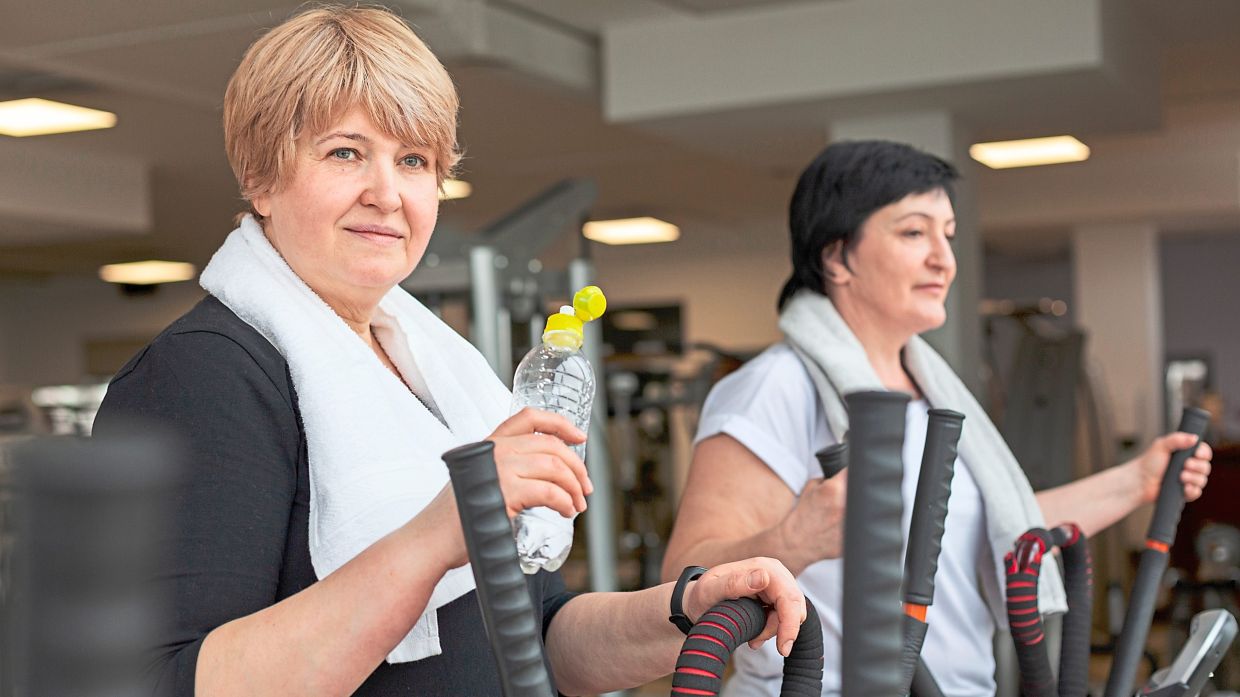
Scheduling workouts, exercising with a friend or joining a walking group can help women stay motivated.
Missing a session during a busy week doesn’t mean starting over; what matters is returning to the routine.
Parry encourages women to identify their personal reason for exercising, whether it is to travel comfortably in their 70s, keep up with grandchildren or remain independent for as long as possible.
“Don’t overthink it. Start now,” she says.
Fitness after 50 is not about chasing youth or meeting unrealistic expectations on social media.
It is about investing in the years ahead, building a body that can support the life one wants to lead and recognising that it is never too late to become stronger, she concludes.
Never too late
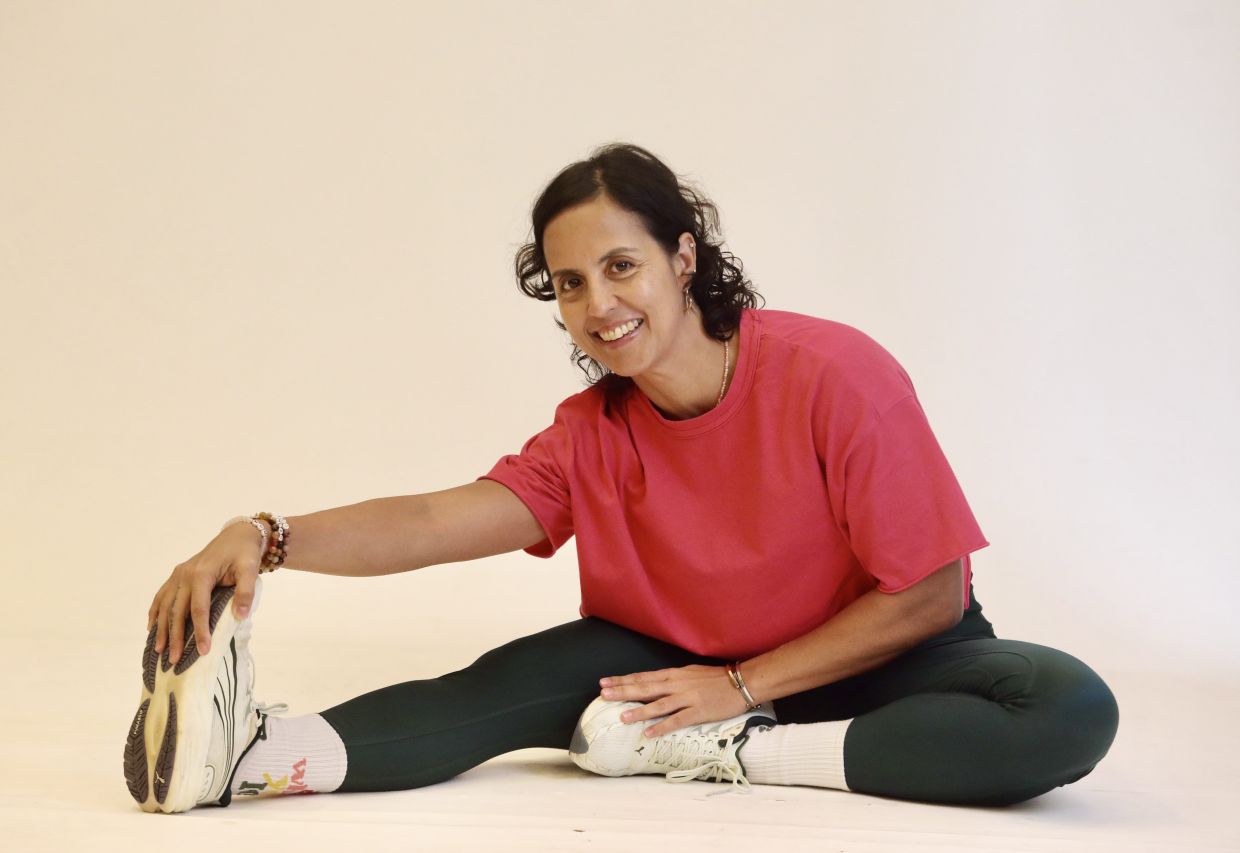
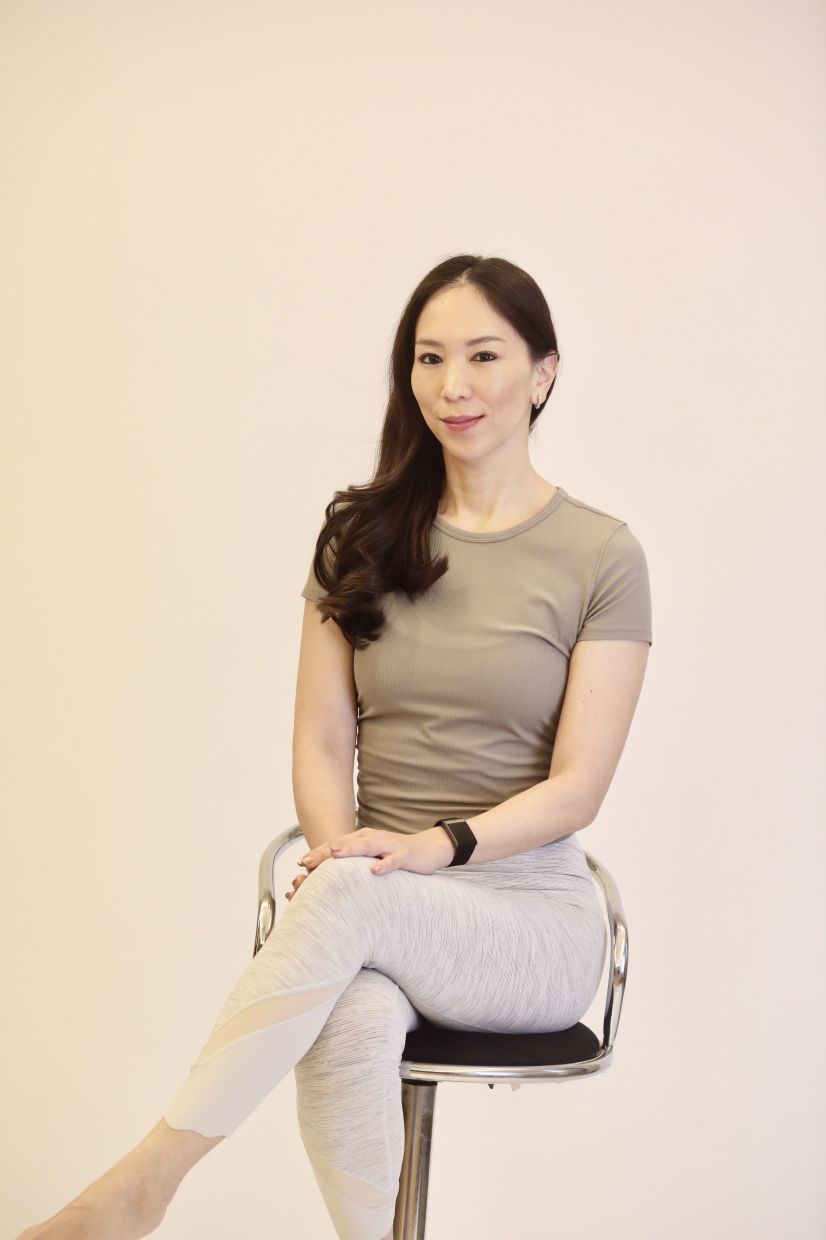
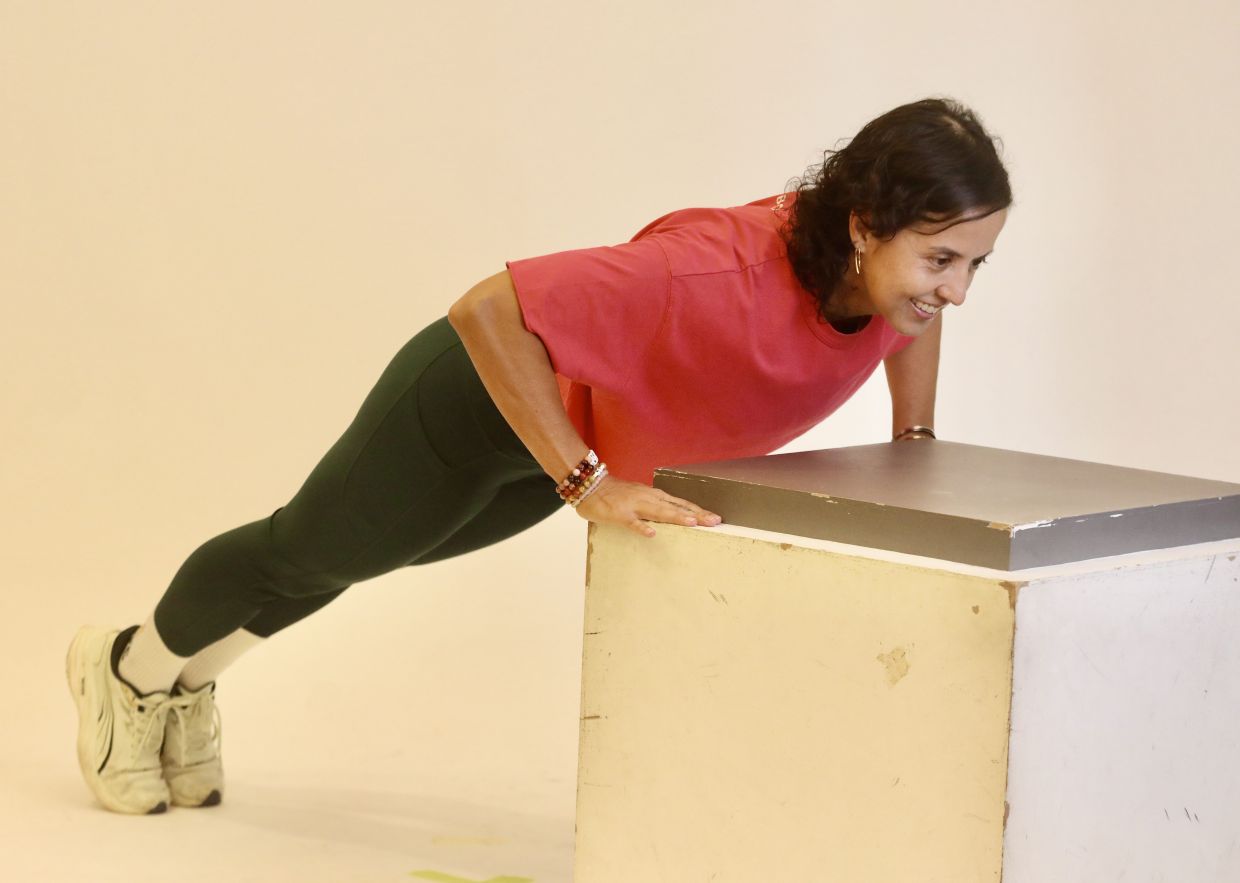
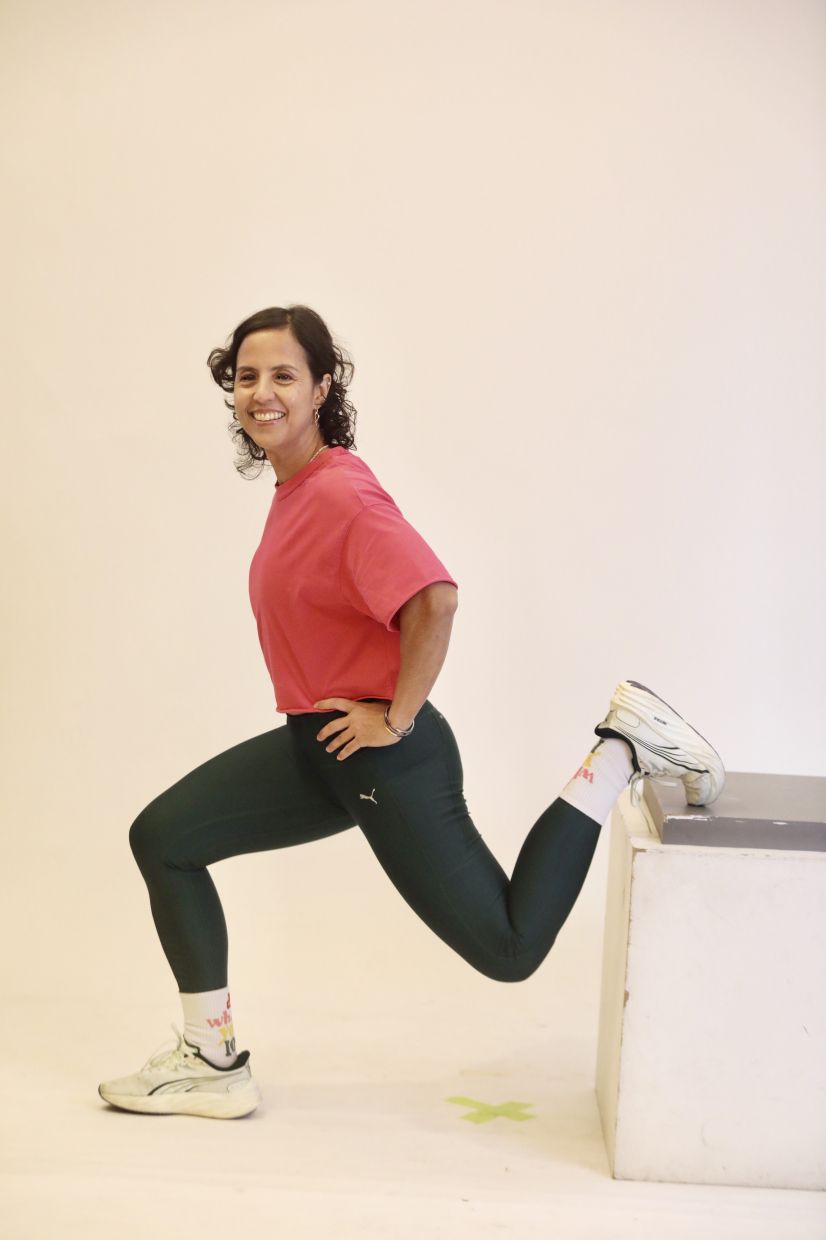
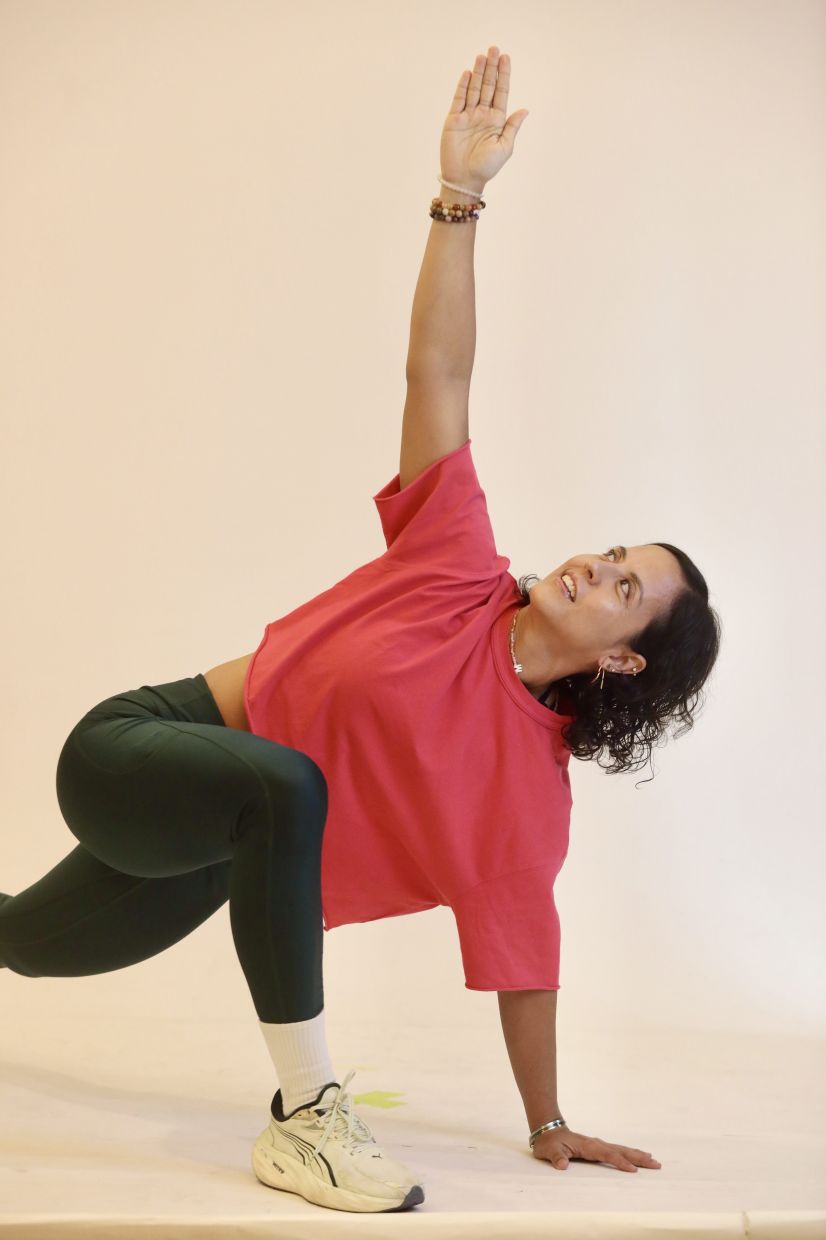
The goal isn't to recreate the body one had in their 20s or 30s, but to build and maintain the strength needed to enjoy life with greater confidence and independence, says Parry.
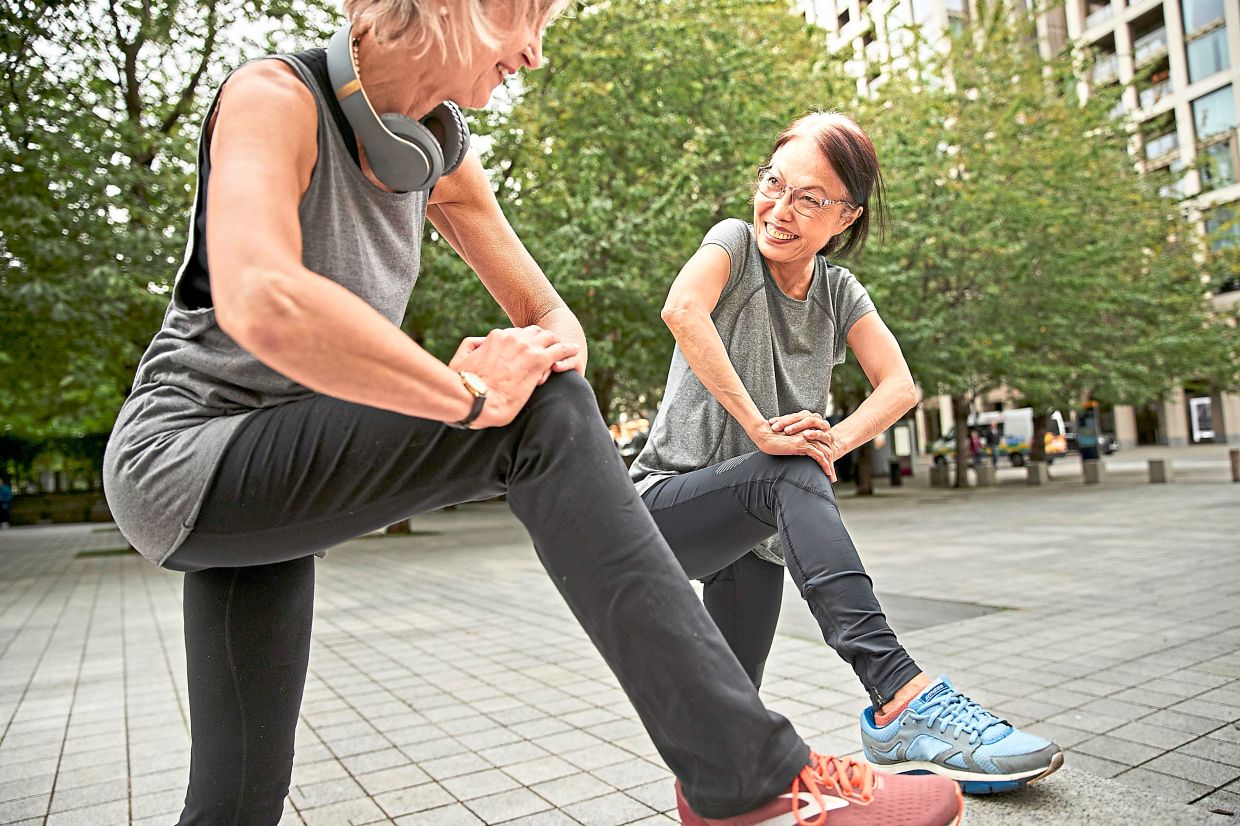
Scheduling workouts, exercising with a friend or joining a walking group can help women stay motivated. Photo: Magnific
Exercise can help improve energy, mood, sleep and everyday ability. Photo: Magnific
We’ve got a very negative view on ageing, that 50 is old. But actually, you can feel amazing in your 50s, says Parry.
Maintaining muscle mass is important for mobility as women grow older, Chia says.
Pilates and other low-impact activities can complement progressive resistance training if the aim is to build muscle and support bone health, says Chia.
Strength comes first, says Chia, who recommends incorporating strength training into a weekly exercise routine.
Small changes, such as needing to use one’s hands to push up from a chair or feeling unsteady on uneven ground, can be signs that strength and balance need attention, says Chia.
Chia says muscle is essential for everyday activities, from climbing stairs and carrying groceries to getting up from a chair without assistance.
Parry has seen women who begin strength training in their late 50s make remarkable progress within three to six months.
One of the biggest obstacles for older women, Parry says, isn't necessarily physical ability but the mistaken belief that they're too old to start.
Women over 50 can build strength, protect their bones and stay active for years to come by making exercise a regular part of life.