
At midnight, Noor Hidayah Shafiee’s phone rang.
On the other end of the line was a distressed single mother. Her child was crying in the background. The woman was crying too. She had run out of money and did not know how she was going to buy milk for her child.
Noor Hidayah, a senior executive of General Outreach at the Credit Counselling and Debt Management Agency (AKPK), listened quietly as the woman sobbed.
For about 15 minutes, she just allowed her to cry. Then she gently asked a question.
“Do you remember your money diary?”
The woman had forgotten all about it. She had been so overwhelmed by worry and loneliness that she did not remember the emergency savings she had painstakingly built through the KasihnITa programme.
“Take it,” Noor Hidayah told her. “It’s okay. That’s what an emergency fund is for. You can use it now and replace it later.”
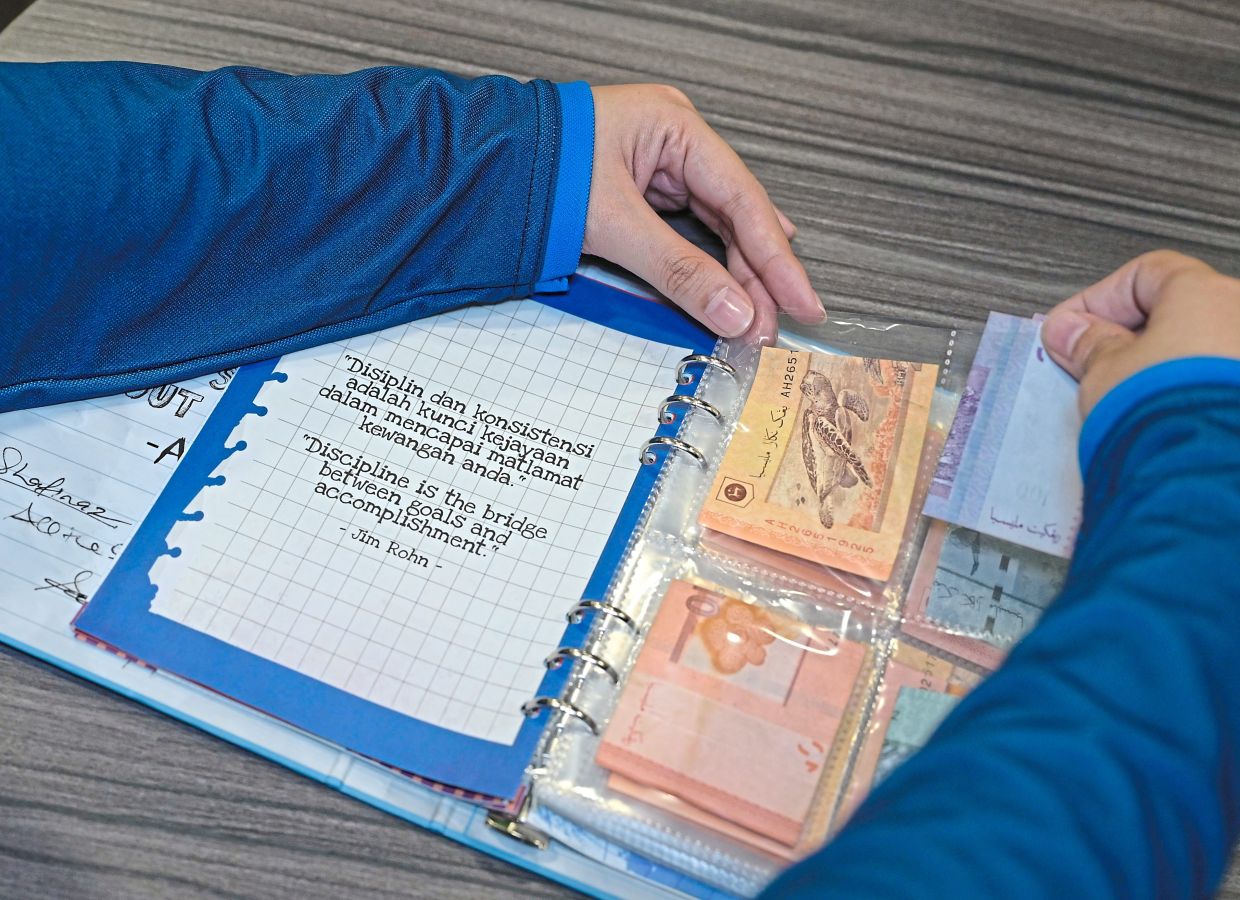
KasihnITa is an initiative under the Women, Family and Community Development Ministry (KPWKM) and administered through the Department of Women’s Development (JPW). It was created to empower single mothers through training in financial management, legal literacy and personal development.
Through the programme, participants learn how to budget, manage debt, save money and avoid scams. More importantly, it also gives women confidence, support and the reassurance that they are not facing their struggles alone.
AKPK, one of the programme’s key partners, is responsible for delivering the financial education and guidance.
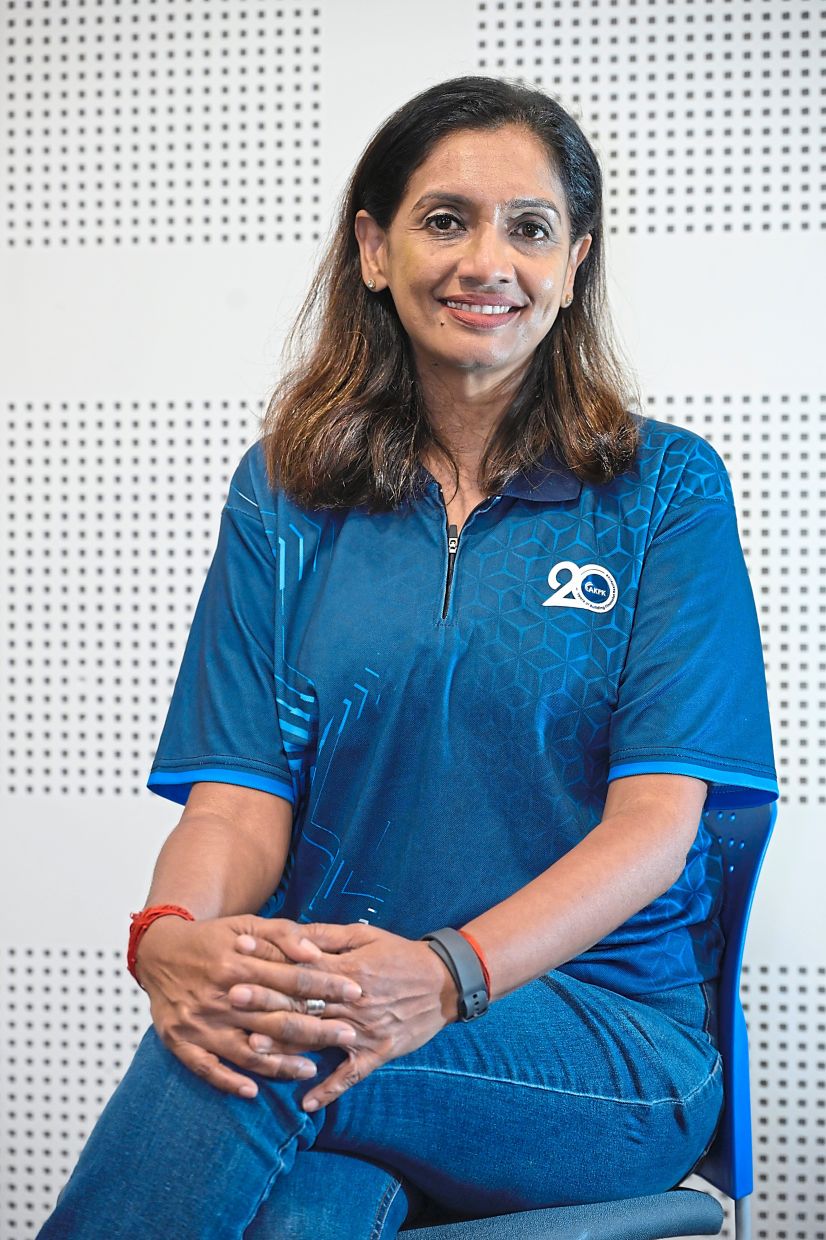
For single mothers – many who are navigating divorce or widowhood – that resilience can be life-changing.
They struggle to stretch limited income across food, housing, transport, childcare and education expenses. Savings are often sacrificed to meet immediate needs, leaving little protection against emergencies.
“The biggest challenge for many single mothers is not simply earning an income, but making that income stretch across multiple responsibilities,” Nirmala explains.
“Financial resilience is not determined by how much you earn, but by the habits, knowledge and confidence you build over time,” she adds.
That philosophy sits at the heart of KasihnITa.
One of the programme’s most successful tools is surprisingly simple.
Known as the Money Diary or Ringgit Diary challenge, participants receive a specially designed savings diary that turns saving money into a daily habit.
Each day, participants scratch a panel revealing an amount ranging from RM1 to RM50 that they must save. There are even occasional “cheat days” when there’s no amount stated and no savings is required.
The goal is to save RM1,001 over 100 days. To some, the amounts may seem small. But AKPK’s educators know that meaningful change often begins with simple actions repeated consistently.
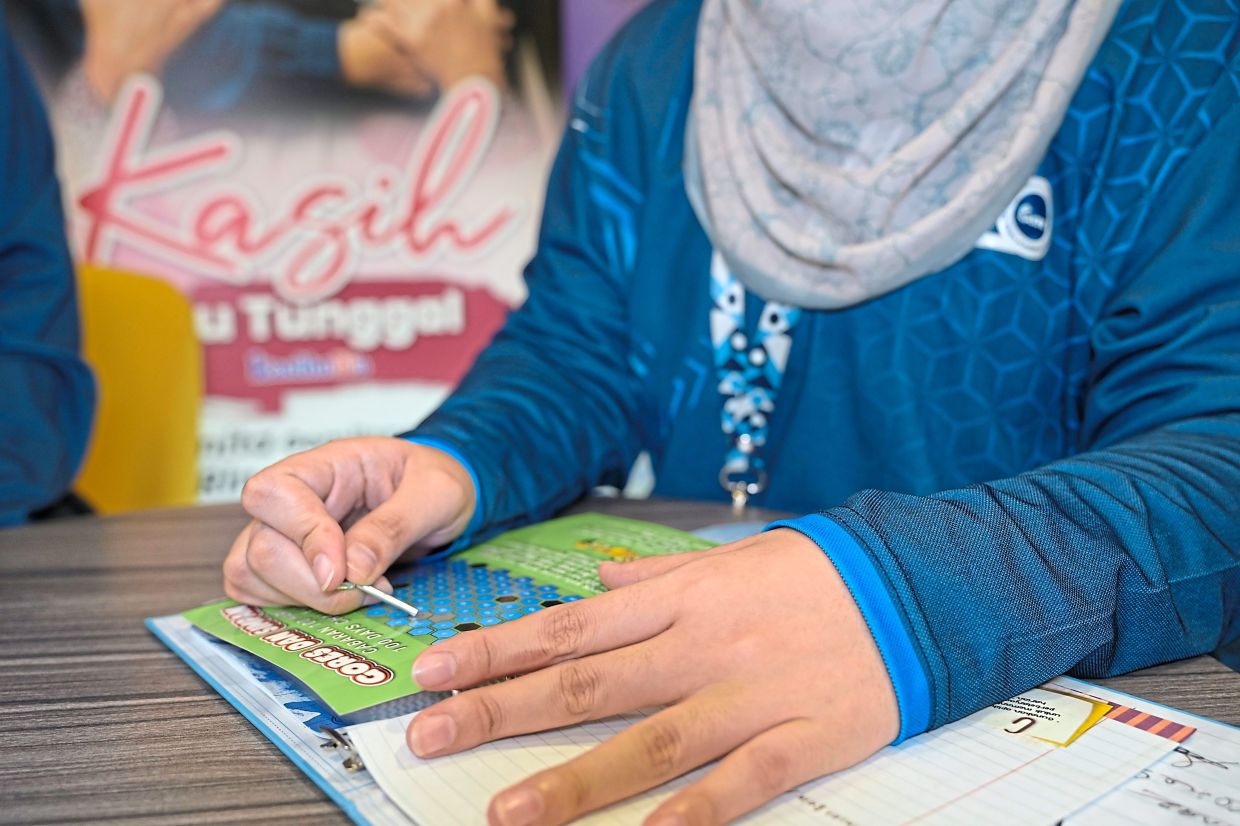
“When it comes to personal finance, lasting change often begins with small, consistent actions rather than dramatic, one-time efforts,” says Nirmala.
“The challenge is not just about the amount saved. It is about helping participants experience the satisfaction of setting a goal, staying committed to it and seeing tangible results.”
The diary also functions as a journal where women can record their goals, achievements and emotions throughout their journey.
More importantly, it creates something many participants have never had before: an emergency fund.
According to Monarita Junaidi, AKPK’s General Outreach head, the impact can be surprisingly immediate.
“Sometimes participants run short of money to buy milk for their children,” she says.
“In the past, they might have borrowed from friends, family members or worse, from loan sharks. Now, they have their own emergency savings to fall back on.”
The amount may be modest, but the sense of security it creates is profound.
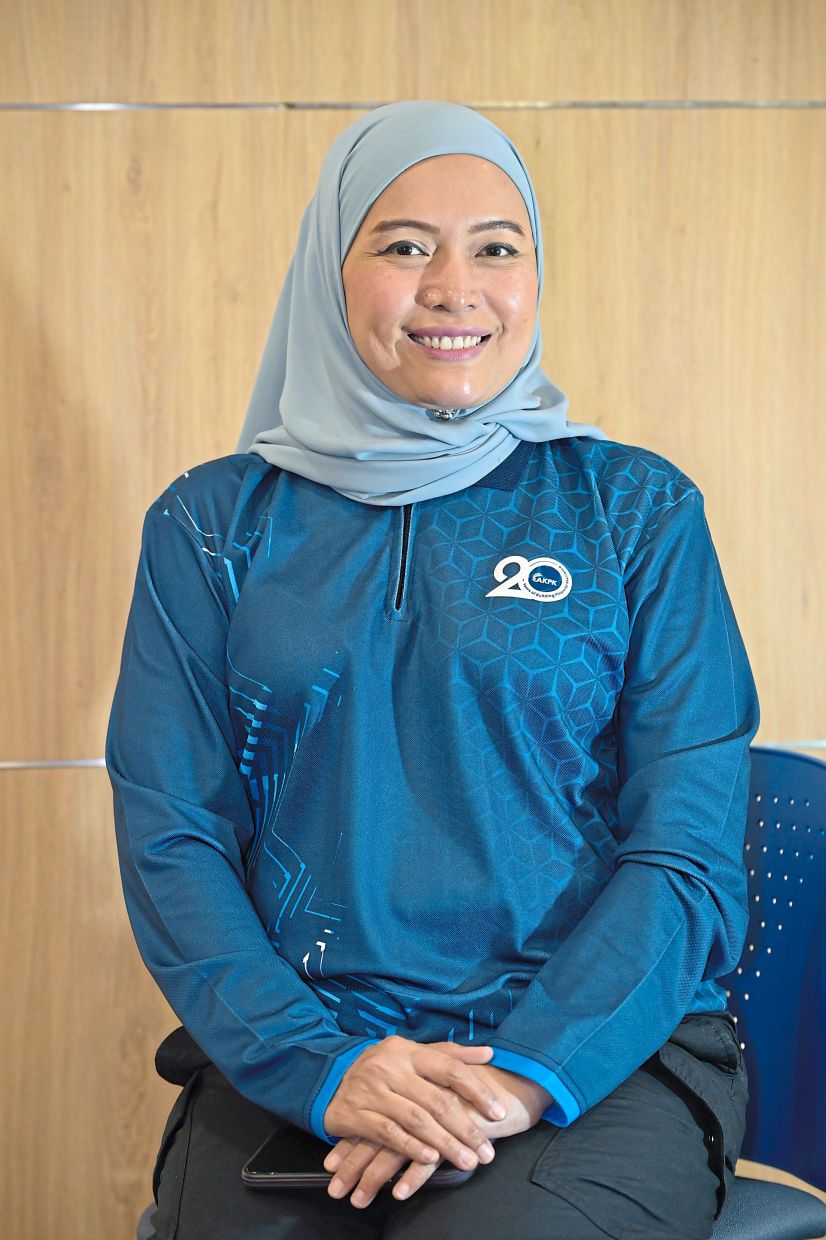
Rather than relying solely on lectures, participants engage in simulations based on real-life scenarios.
One exercise presents women with investment opportunities and asks them to decide which options are legitimate. Along the way, facilitators introduce “imposters” who attempt to influence participants into making poor choices. The exercise mirrors the tactics used by scammers in real life.
“We create situations where participants can experience being tricked within a safe environment,” Monarita explains.
“When they realise how easily they can be influenced, they become more careful and critical in real situations.”
This focus on scam awareness has become increasingly important.
Participants learn to identify common threats such as love scams, mule account schemes and fraudulent investment opportunities that continue to target vulnerable individuals through social media, messaging platforms and phone calls.
The lessons are particularly relevant for women who may be managing finances alone for the first time.
Financial lessons are important, but many participants say the programme’s greatest strength lies in peer support.
After the workshops, engagement continues through WhatsApp groups where participants and facilitators communicate daily.
Every day, AKPK shares financial tips, reminders and educational infographics.
Participants are encouraged to discuss their challenges, celebrate their successes and ask questions. Sometimes they ask about investments or debt. Sometimes they just need someone to listen.
“We’re building a community, not just providing education,” says Monarita.
“Some participants call because they need a shoulder to cry on.”
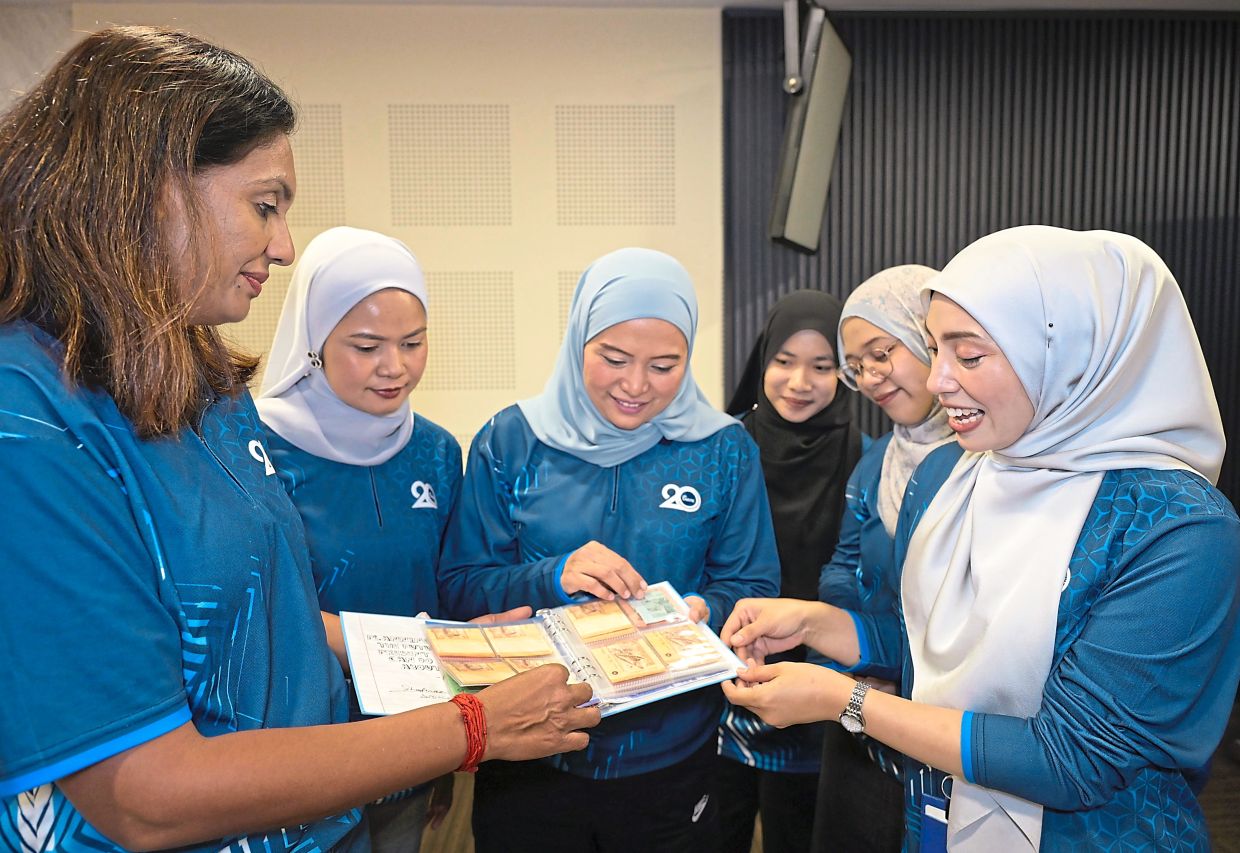
Over time, the women begin supporting one another as well.
Participants post updates on their daily savings progress, often sharing photos and messages such as “Done for today”, referring to their Money Diary challenge.
The simple act of accountability motivates others to achieve their targets.
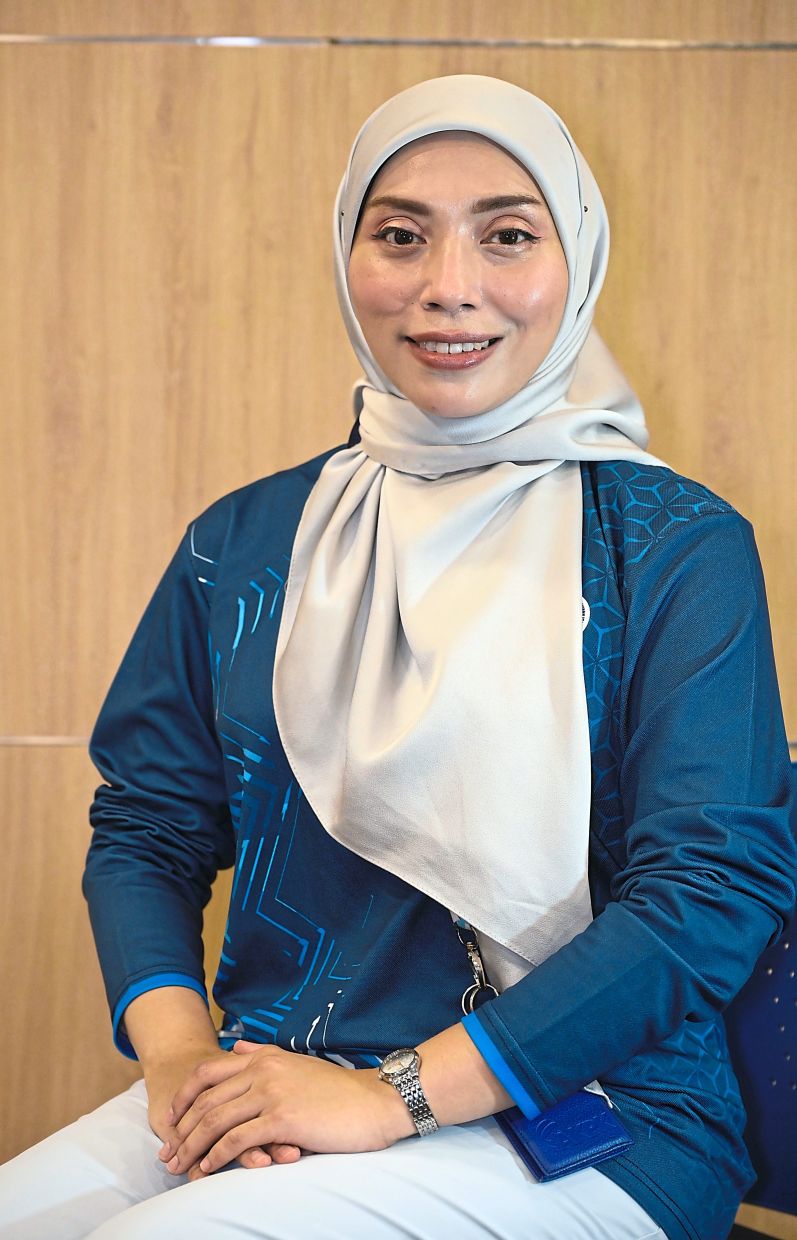
“The support system among the participants is what helps them perform better and build a better future,” she says. “They inspire each other.”
For the team at AKPK, KasihnITa goes beyond providing financial literacy; it’s about fostering lasting behavioural change.
It’s seen in the participant who starts budgeting regularly, builds an emergency fund, avoids scams and finally believes she is capable of managing her finances.
“Financial well-being has a ripple effect,” says Nirmala.
“When individuals become more financially resilient, the benefits often extend to their families and communities.”
A financially confident parent is better able to provide stability for their children, plan for the future and navigate life’s inevitable challenges.
“We hope programmes like KasihnITa can help foster a culture where financial planning, saving and responsible money management become part of everyday life,” she says.