The country’s National Health and Morbidity Survey (NHMS) suggests that more than one in two adults in Malaysia is either overweight or obese, the highest in South-East Asia.
The trend continues to rise, exerting pressure on families, healthcare systems and long-term national productivity.
Today, it is increasingly recognised as a chronic, progressive disease influenced by biological, social and environmental factors.
Research shows that women generally have a higher percentage of body fat compared to men, and gender plays a role in where fat is stored in the body.
Studies also indicate that men often lose weight easier due to differences in body composition, basal metabolic rate and energy expenditure.
These physiological realities, however, are only part of the story.
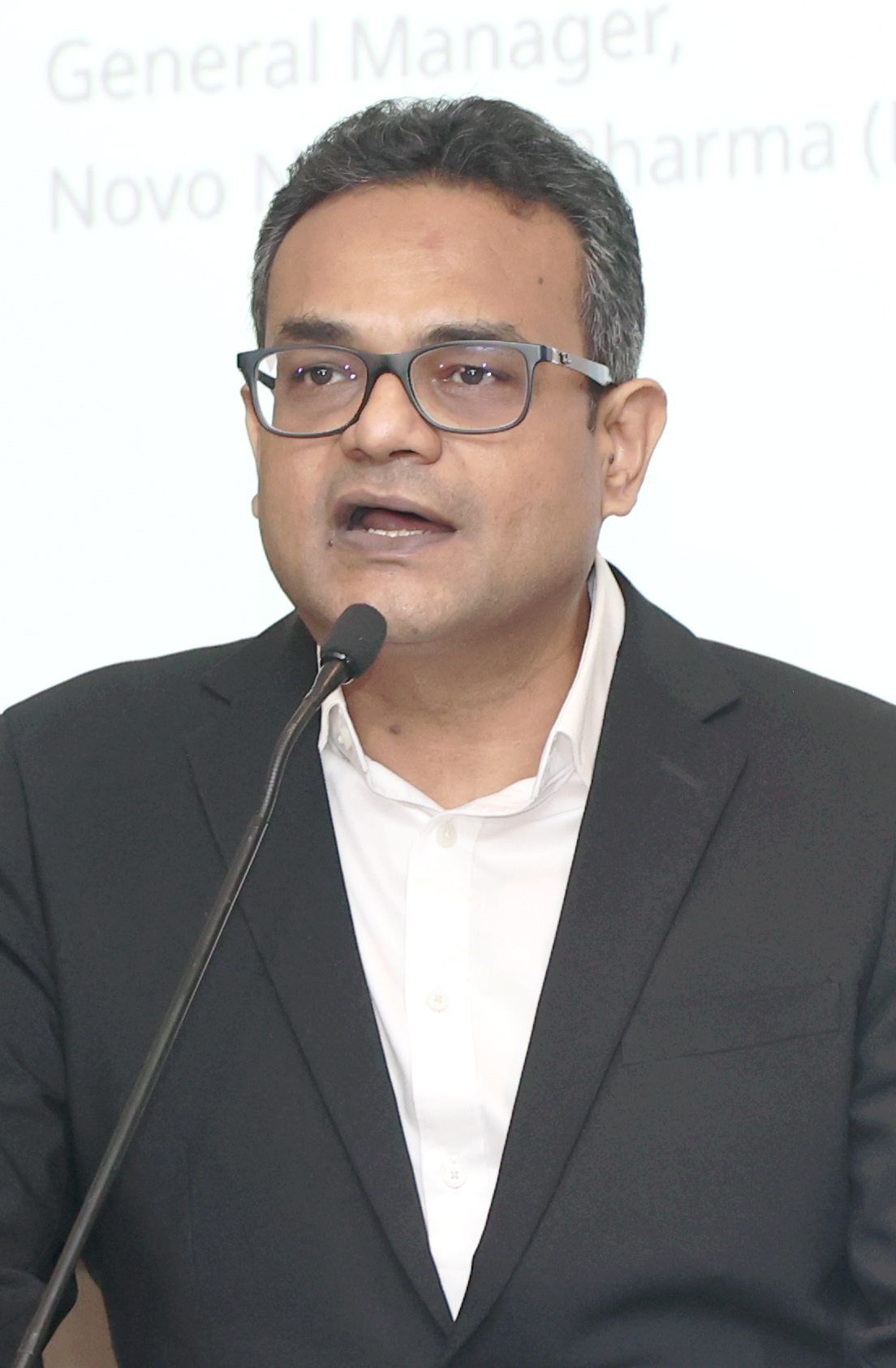
“Women who are obese or overweight often face a disproportionate burden, not only in terms of health outcomes, but also through societal stereotypes that frame weight as a measure of discipline, appearance or personal failure,” says Dr Praful Chakkarwar, general manager of Novo Nordisk Malaysia.
Such narratives, he notes, can delay diagnosis, limit access to appropriate care and contribute to stigma, in healthcare or workplace settings, and in daily life.
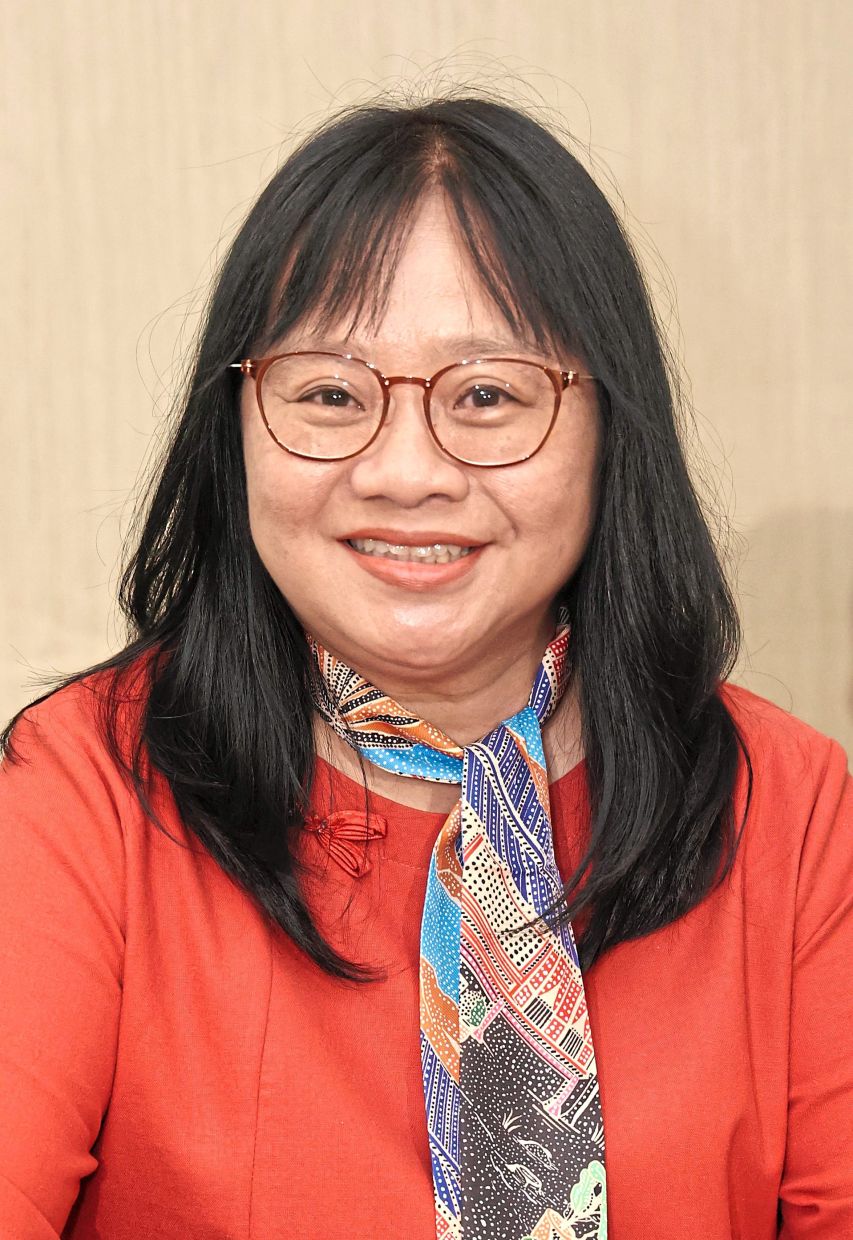
Malaysian Obesity Society president and senior consultant endocrinologist Prof Dr Rohana Abdul Ghani says obesity is not simply about willpower.
According to research, she says, 45% of people who are overweight or obese experience ongoing weight-related challenges. Nearly half report feeling controlled by their weight, while 57% relapse into previous eating habits despite sustained efforts to change.
For many women, that shared responsibility is critical. Women often juggle professional demands with caregiving roles, leaving little time for themselves. Hormonal changes across life’s stages – from pregnancy to menopause – can further complicate weight management.
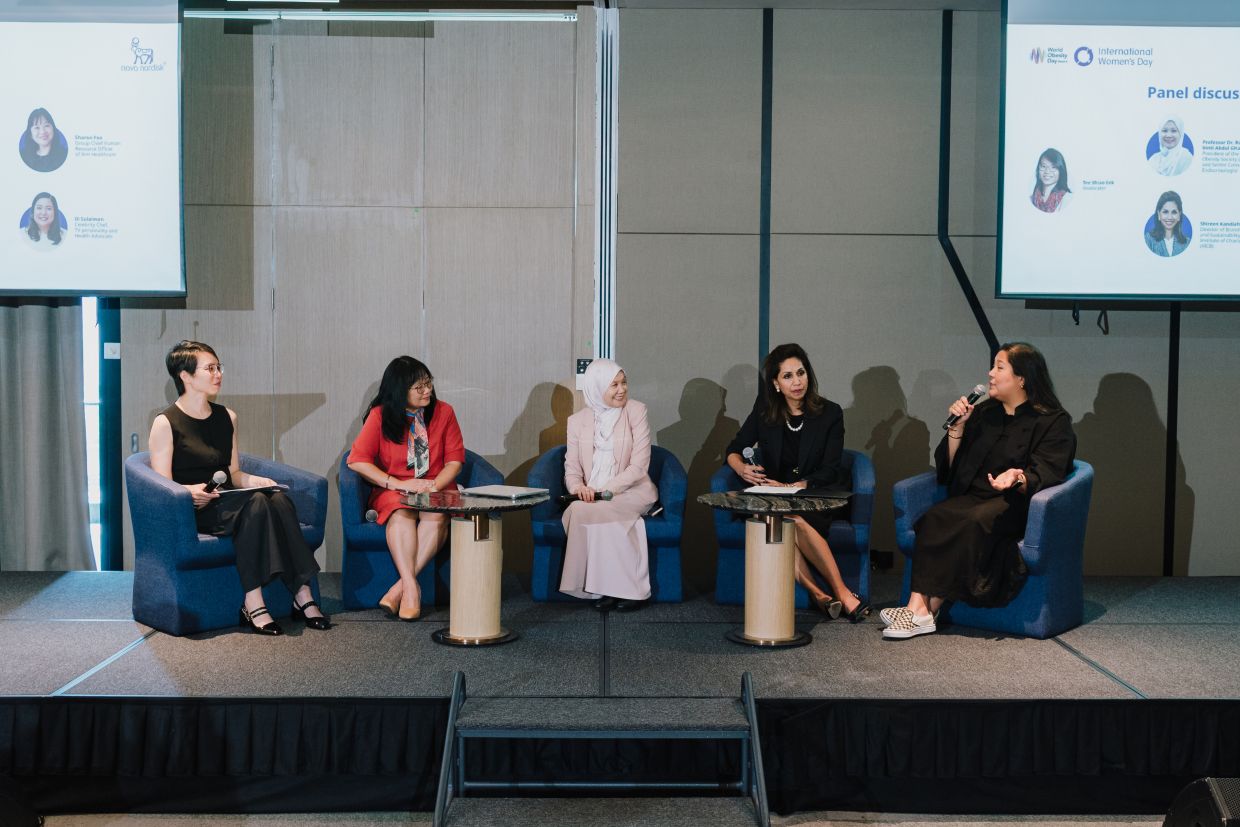
The speakers share their thoughts during a panel discussion titled "Women in Leadership and Health", about women’s experiences with excess weight.
One of the most compelling threads in the discussion was the role of corporate leadership in reshaping health outcomes.
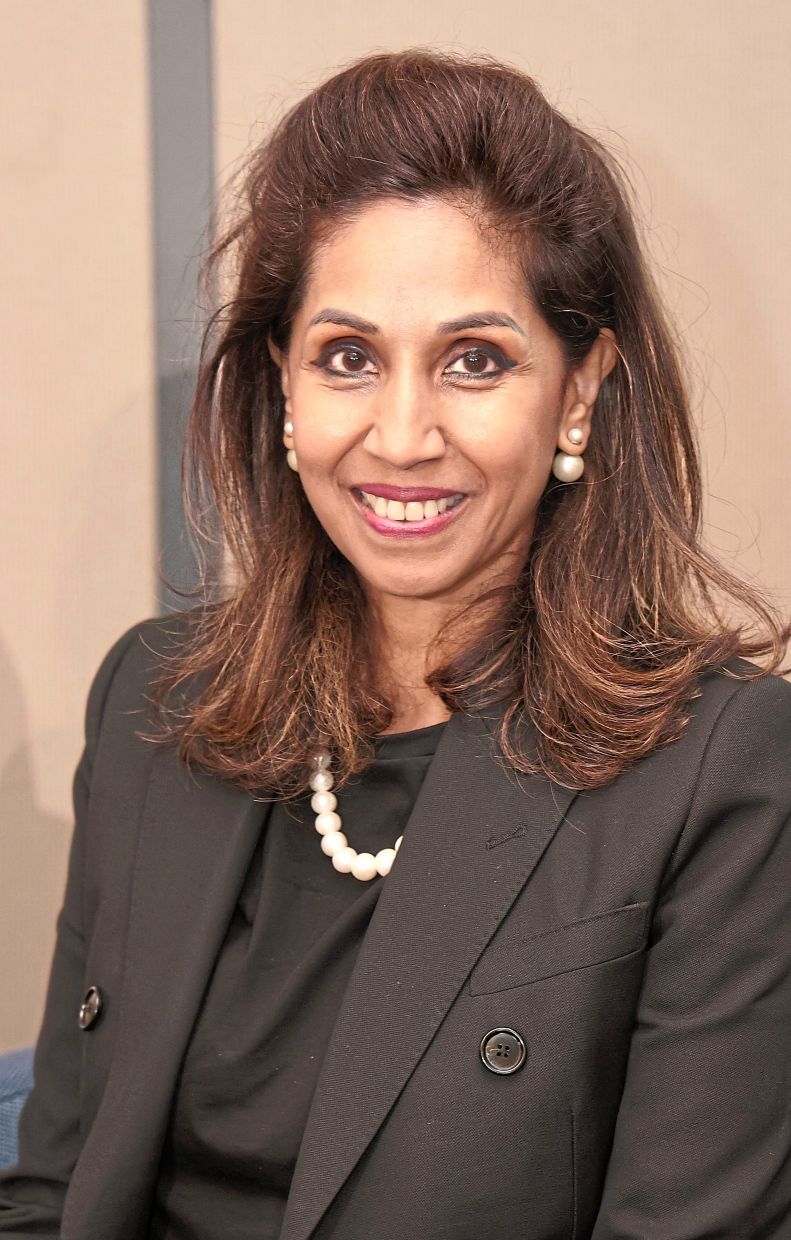
Asian Institute of Chartered Bankers’ branding, marketing and sustainability director Shireen Kandiah stresses that supporting women’s health should not be treated as a peripheral human resource issue.
“It is a leadership decision that shapes culture, builds confidence and drives long-term organisational resilience and talent outcomes,” she says.
Practical measures – such as flexible time for medical appointments, credible health education and policies that prioritise well-being without judgement – can make a tangible difference.
When women feel supported rather than scrutinised, they are more likely to sustain healthy routines alongside professional and caregiving responsibilities.
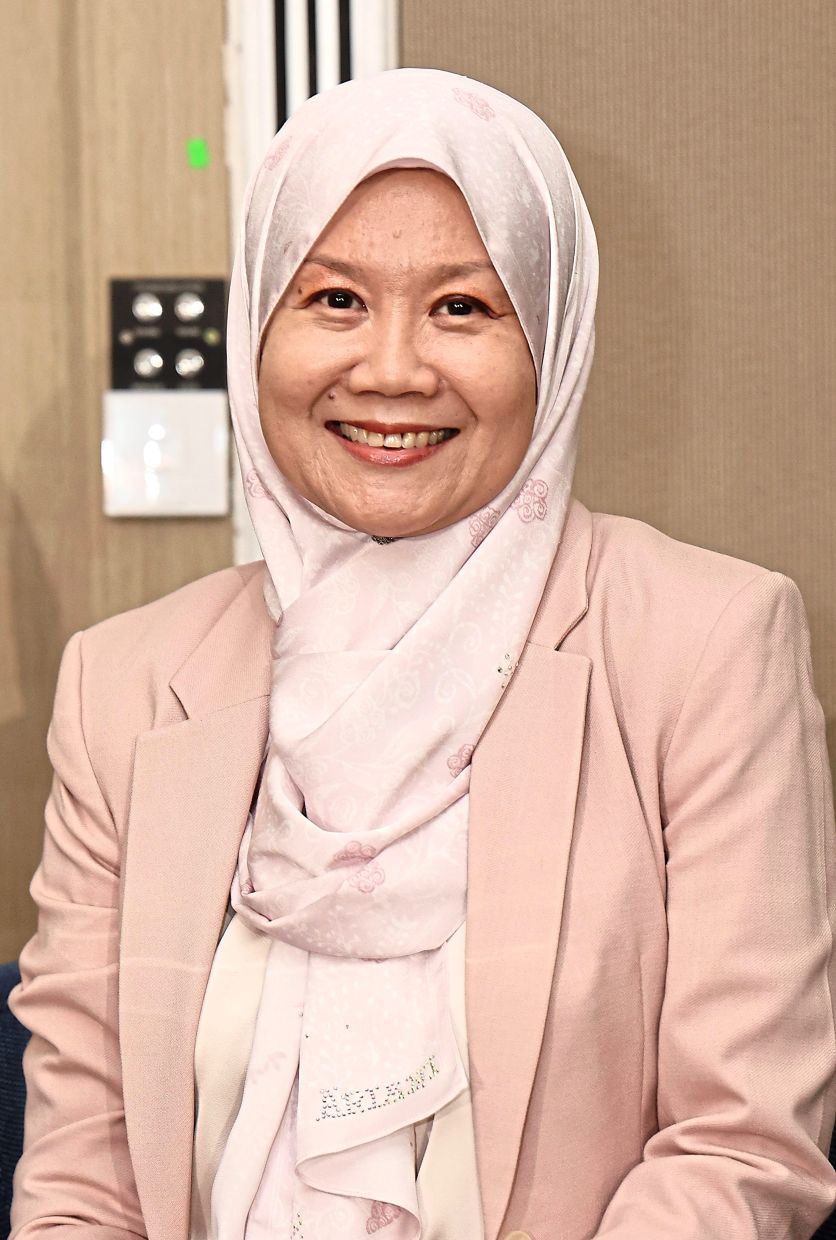
IHH Health group chief human resources officer Sharon Foo agrees.
“When we invest in the right infrastructure and access to support women’s health, providing her with the resources, the time and the supportive environment she needs, we aren’t just helping one person,” she says. “We are creating a ripple effect.”
While policy and leadership matter, emotional landscape of weight management plays a role too.
Celebrity chef and health advocate Ili Sulaiman brings her personal dimension to the discussion, reminding the audience that managing weight is rarely just a physical journey.
“Taking the first step to manage weight is never just a personal decision – it’s an emotional journey,” says Ili. “Being surrounded by the right support system, whether colleagues, friends, family or healthcare professionals makes all the difference.”
Support, she notes, transforms progress into something more sustainable. Setbacks feel less defeating when they are not faced alone.
Her perspective resonates with many. In a culture where food is central to celebrations and connections, conversations about weight can quickly become fraught with judgement or unsolicited advice.
Reframing these conversations with empathy, therefore, is a crucial step forward.
As Malaysia grapples with rising rates of overweight and obesity, the panel’s message is clear: This is not an issue of vanity or individual weakness. It is a complex, chronic disease that requires systemic solutions and compassion.
Reframing obesity care through a women-centred approach does not exclude men; rather, it acknowledges that equity sometimes requires targeted attention.
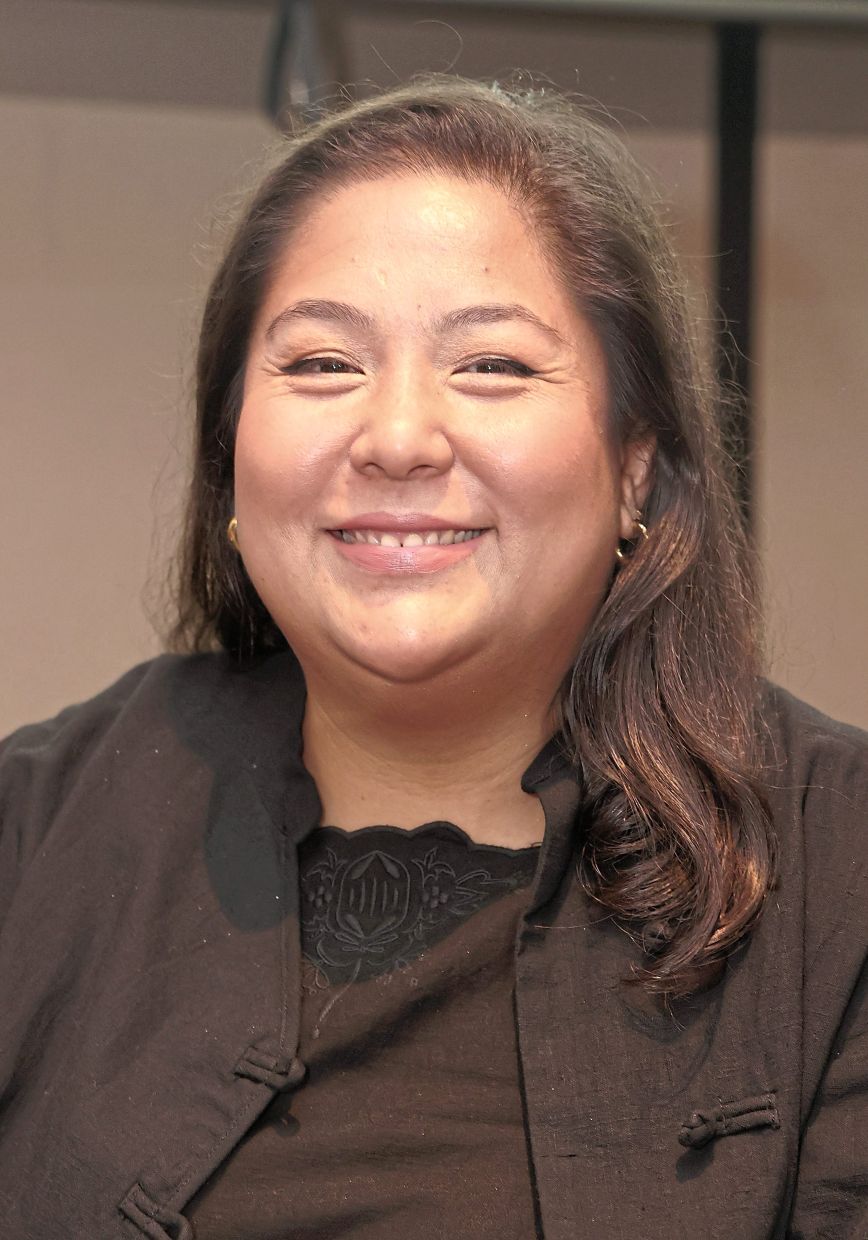
The discussion concludes that if leadership is about shaping environments where people can thrive, then advancing equitable, evidence-based obesity care is one of the most meaningful forms of leadership Malaysia can champion.
Solid support system
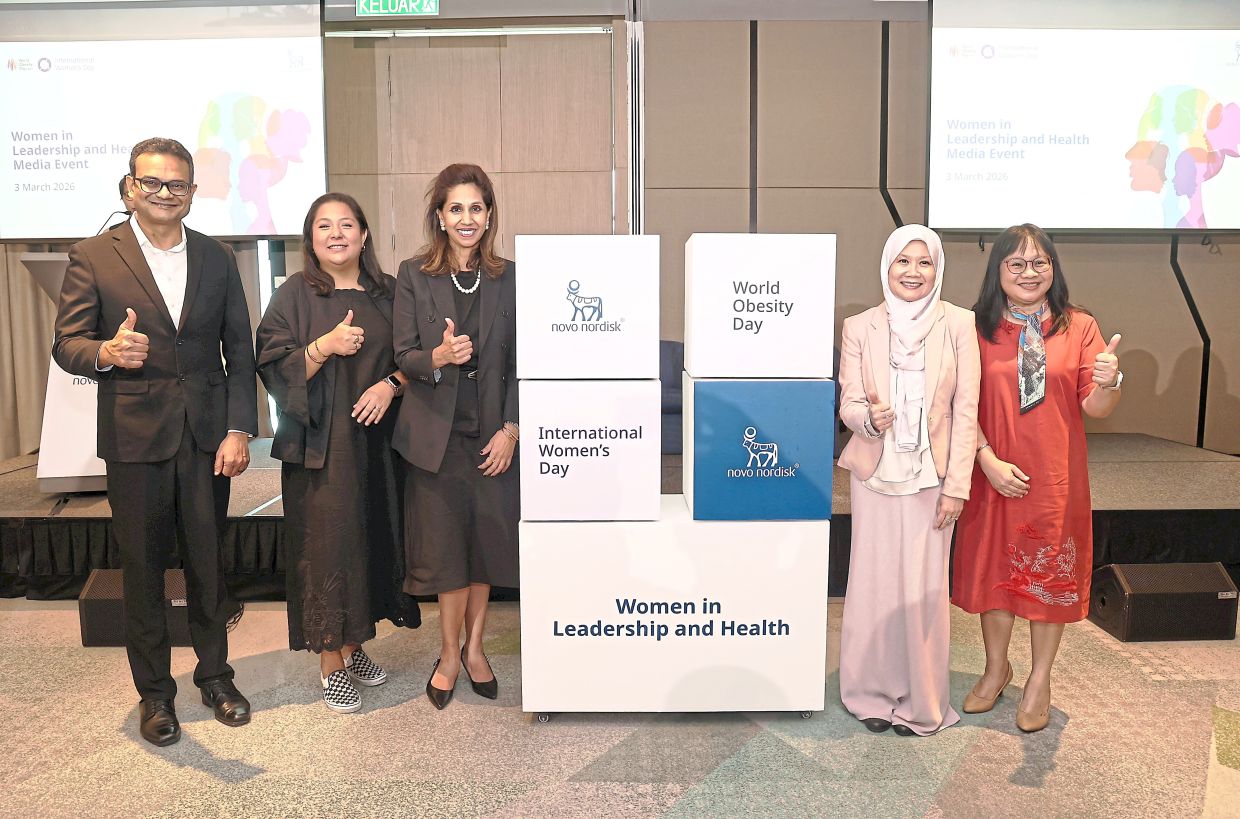
(From left:) Dr Chakkarwar, Ili, Kandiah, Prof Rohana and Foo at the 'The Women in Leadership and Health' forum.
Being surrounded with the right support system makes all the difference, says celebrity chef and health advocate Ili Sulaiman.
Foo says companies should invest in the right infrastructure and access to support women’s health.
Obesity is not a failure of willpower, but a chronic condition, says Prof Rohana.
Shireen says supporting women's health should not be treated as a peripheral human resource issue.
In Malaysia, women living with obesity or who are overweight often face a disproportionate burden, not only in terms of health outcomes, but also through societal stereotypes that frame weight as a measure of discipline, appearance, or personal failure, says Dr Chakkarwar.
Novo Nordisk Women in Leadership and Health forum panel session (from left) moderator Tee Shiao Eek, Foo, Prof Dr Rohana, Shireen and Ili. Photo: Novo Nordisk