




HOMESTAYS and cultural boutique lodges in Malaysia offer an array of retreats for travellers seeking authentic, immersive local experiences.
Guests can immerse themselves in historic shophouses in vibrant town centres, authentic traditional stilt architecture along riverine settlements, sun-drenched coastal escapes, peaceful village retreats and lush rainforest-framed stays.
Today’s travellers look for enriching holidays that combine traditional heritage, local arts and crafts, outdoor eco-adventures like waterfall hikes and cave explorations, regional gastronomy, fruit-picking in orchards and restful escapes in nature.
The widespread expansion of high-speed digital connectivity has completely redefined this eco-tourism landscape.
With robust Internet access, global and local travellers can seamlessly discover destinations, make real-time online bookings, utilise cashless e-wallets and navigate local routes with ease. In turn, hospitality operators across both town centres and countryside locations have transformed into dynamic, globally connected micro-enterprises that power regional economies.
At the centre of this nationwide digital evolution is Jalinan Digital Negara (Jendela), the national digital infrastructure plan driven by the Malaysian Communications and Multimedia Commission (MCMC).
Formulated to extend high-speed coverage, boost network quality and establish the core infrastructure for 5G, Jendela serves as an indispensable driver for digital inclusion and community empowerment.
Following the completion of Phase 1 – which achieved a 99.1% implementation rate – Internet coverage across populated areas surged to 99.71%, supported by 1,646 newly erected telecommunication towers and gigabit-capable fiber broadband extended to millions of premises.
Pushing connectivity further across the nation, Phase 2 allocates RM780mil under Budget 2026 to deliver high-speed mobile broadband and neutral host satellite Wi-Fi to 2,700 new locations, especially in rural and remote areas, bridging the digital divide and supporting grassroots tourism nationwide.
The tangible impact of MCMC’s infrastructure strategy is clearly reflected through the firsthand experiences of local hospitality operators, cultural lodge founders and association leaders who rely on daily digital connectivity to attract both local holidaymakers and international travellers.

Preserving culture and community
In Mukah, Sarawak, Diana Rose, 62, director and pioneer of the Lamin Dana Cultural Boutique Lodge – aptly described as the “House of the Living Legend” – shares how high-speed connectivity has transformed her Melanau heritage retreat.
Situated in a low-lying riverine area prone to flooding, the lodge is built on traditional wooden stilts to withstand tidal surges and rising river levels while combining cultural heritage preservation, youth and community development and social enterprise.
Lamin Dana offers a rich array of experiences, including Melanau heritage lodging, cultural jamming sessions, traditional dance practices, village games, local handicrafts and authentic gastronomic specialties. Guests also embark on guided longboat tours along the Tellian River to discover ancient Melanau burial poles, riverine lifestyles and the cottage sago industry.
Diana explains that robust connectivity makes her retreat instantly accessible to global travellers, emphasising that mobile connectivity connects guests with just a single click. “Landline is not a lifeline anymore,” she says.
She highlights that fast Internet makes a world of difference in promotion, bookings and seamless payments, adding that cashless transactions offer maximum convenience while minimising cash-handling risks.
Furthermore, Diana shares that her business generates direct and indirect income for around 50 villagers across various eco-tourism and cultural activities. ”If we close down, Mukah tourism will have a big hole.” she shares, adding that they communicate with operators and service providers via group chats and WhatsApp.
She explains that the Internet has brought new skills and opportunities to the surrounding community: “Now, they can sell their products, whether food or crafts, via WhatsApp, TikTok and YouTube, while promotions are done across various social media platforms.”
She says that having a strong digital infrastructure will definitely support Lamin Dana’s vision for sustainable rural eco-tourism.
Diana emphasises her satisfaction in seeing her vision thrive despite environmental challenges, highlighting that the entire expansion was accelerated through Internet infrastructure. “I feel satisfied knowing my ideas work and the whole process was sped up via the Internet.”
For Lamin Dana, reliable digital connectivity bridges Sarawak’s rich Melanau traditions directly to international guests, turning grassroots cultural preservation into a vibrant, self-sustaining community ecosystem.

Coastal gateway
In Kuala Penyu, Sabah, Monih Epin, 59, coordinator of Borneo Kuala Penyu Homestay, highlights how digital connectivity elevates coastal eco-tourism, noting that the homestay features pristine beach views, mangrove tours and mud volcano trips at Tenambak and Pulau Tiga, alongside traditional Tatana cultural performances and local delights.
“Previously, communication problems via calls, WhatsApp and Facebook with fellow operators and prospective guests occurred frequently,” Monih, who is a homestay entrepreneur and Sabah Homestay Association chairman, shares.
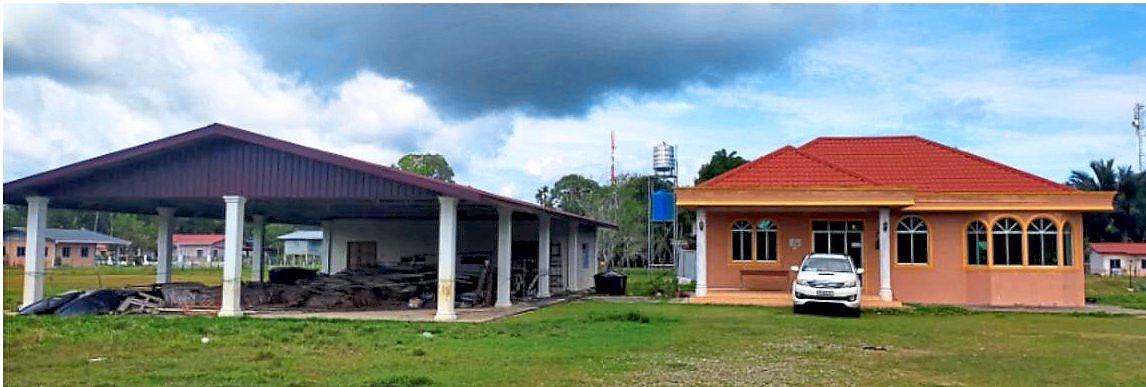
“Jendela’s infrastructure makes promoting our homestay so much easier and we have seen an increase in bookings and business transactions.”
He explains that fast Internet empowers local hosts, craft artisans, women entrepreneurs and youths who perform traditional Tatana dances.
“Increased connectivity directly encourages the younger generation to stay and work in local eco-tourism. Internet access gives more opportunities, such as learning digital marketing, online learning and e-commerce,” Monih adds.
“We feel proud that our community is now known globally.”

Inclusive growth
Paula Tan and Richard Chan, owners of 27 Ah Peng, operate a vintage homestay in Bentong, Pahang. Housed inside a restored 1930s shophouse, the stay pays homage to the past with original antiques and art while connecting guests to local markets, traditional craftsmen, homegrown eateries, Musang King durian orchards, hiking trails and Chamang Waterfall.
Tan highlights that MCMC’s infrastructure efforts have been a game-changer, giving their humble homestay a competitive edge that traditional advertising could never achieve.
“With the transition to reliable 4G, 5G and high-speed fiber broadband, network timeouts are all in the past,” she says.
“We can instantly respond to customer inquiries on WhatsApp, process real-time updates on Agoda or Airbnb and handle cashless payments smoothly.”
She points out that digital infrastructure now supports smart-home technology, such as Wi-Fi-enabled air-conditioning to reduce their carbon footprint, while enabling them to design attractive promotional content using modern design apps.
Tan explains that fast Internet attracts a new demographic of remote workers and digital nomads escaping the city to conduct online meetings and stream content. “We no longer have to rely solely on weekend crowds,” she notes.
Furthermore, Tan emphasises that they actively use digital platforms to cross-promote local vendors: “We easily link our guests to local fruit farms, traditional craftsmen, homegrown eateries and ginger shops via QR codes and digital maps, enabling small business owners to enjoy profits alongside us.
“A strong online presence gives us a broader platform to document, share and preserve Bentong’s unique cultural heritage, folklore and natural beauty for future generations.”
She adds, “Thanks to an Internet presence, we’ve had the good fortune to host not just local guests, but also international travellers from the United States, the Netherlands, Japan, China, Singapore and Australia.”
She says improved connectivity integrates neighbours directly into the tourism value chain, while better mobile coverage ensures safer travel for their guests. “Whether they are heading out to Chamang waterfall or exploring the surrounding nature trails, having a strong, consistent mobile signal gives them – and us – peace of mind. This makes Bentong a much safer, more attractive destination for all.”

Modernising hospitality
Datuk Sahariman Hamdan, president of Malaysia Homestay Entrepreneurs Association, views connectivity as a non-negotiable fundamental for modern hospitality businesses.
“It is all about who gets high-speed Internet – in the artificial intelligence (AI) era, everyone wants speed,” asserts Sahariman, who is also an advisor for Homestay Desa Murni and founder of Kampungstay Desa Murni in Temerloh, Pahang.
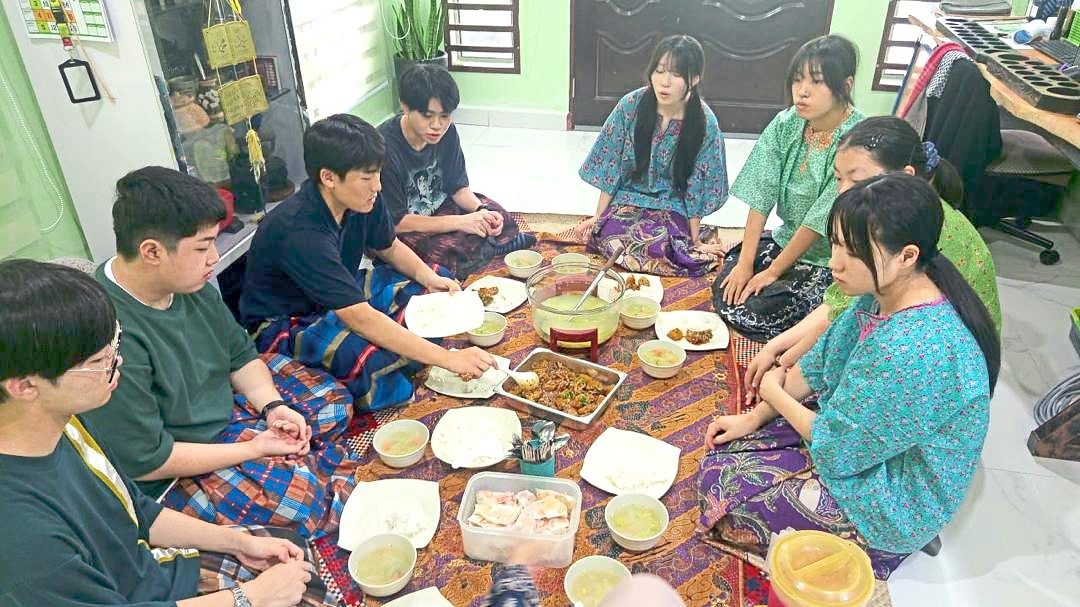
“High-speed Internet directly attracts customers and boosts our overall income.
“In Peninsular Malaysia, about 70 per cent of homestay operators actively use online platforms and social media to promote their homestays, while 50 per cent of operators in Sabah and Sarawak use digital platforms and social media.
“How can anyone work today without the internet?” he asks. “We rely on connectivity for everything, from security CCTV systems to WhatsApp communication and streaming services. “Fast Internet genuinely assists local communities in discovering new ways to improve their
livelihoods. MCMC’s ongoing efforts are wonderful – transitioning communities from slow to fast Internet directly uplifts the rakyat.”
Sahariman also reveals plans to launch the LamanKu Homestay website and franchise model in November, starting with an initial phase of 21 units. The remaining units – bringing the total to 100 – will be introduced in phases next year, all backed by reliable digital connectivity to offer experiential stays to domestic and international travellers.
He notes that as association members across the country embrace digital platforms, reliable network access becomes the primary catalyst for raising overall service quality and operator revenue.

Bridging reach
Zohaime Muhammad Sori, president of the Malaysia Kampungstay dan Homestay Association and chairman of Homestay Ayer Limau in Melaka, emphasises the broader socio-economic role of telecommunications infrastructure across 200 member clusters offering traditional heritage, craft weaving and local cuisine.
“Urban areas generally have no problem, but in more distant areas across Sabah and Sarawak, Jendela towers have helped significantly,” explains Zohaime.

“We hope more towers are built so deep interior regions get accessible Internet facilities. Reliable Internet makes online bookings, responding to public queries and handling reservations effortless, which directly increases income and creates local job opportunities.
“Young people often migrate to big cities because Wi-Fi is more accessible there,” he highlights. “Fast Internet encourages them to stay and work in local eco-tourism, allowing them to enjoy working from home conveniently.
“Strong digital infrastructure supports long-term community growth and showcases our heritage offerings, handcrafted items and local products and services to the world,” he points out.
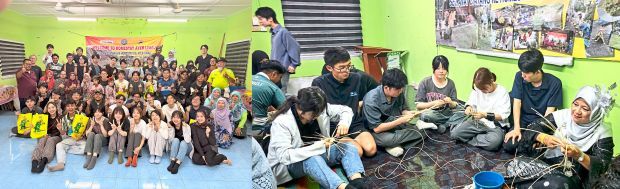
He shares that 40 university students from Japan recently visited their homestay to experience eco-tourism and traditional weaving heritage, a cultural exchange made seamless through digital coordination.
Eco horizons
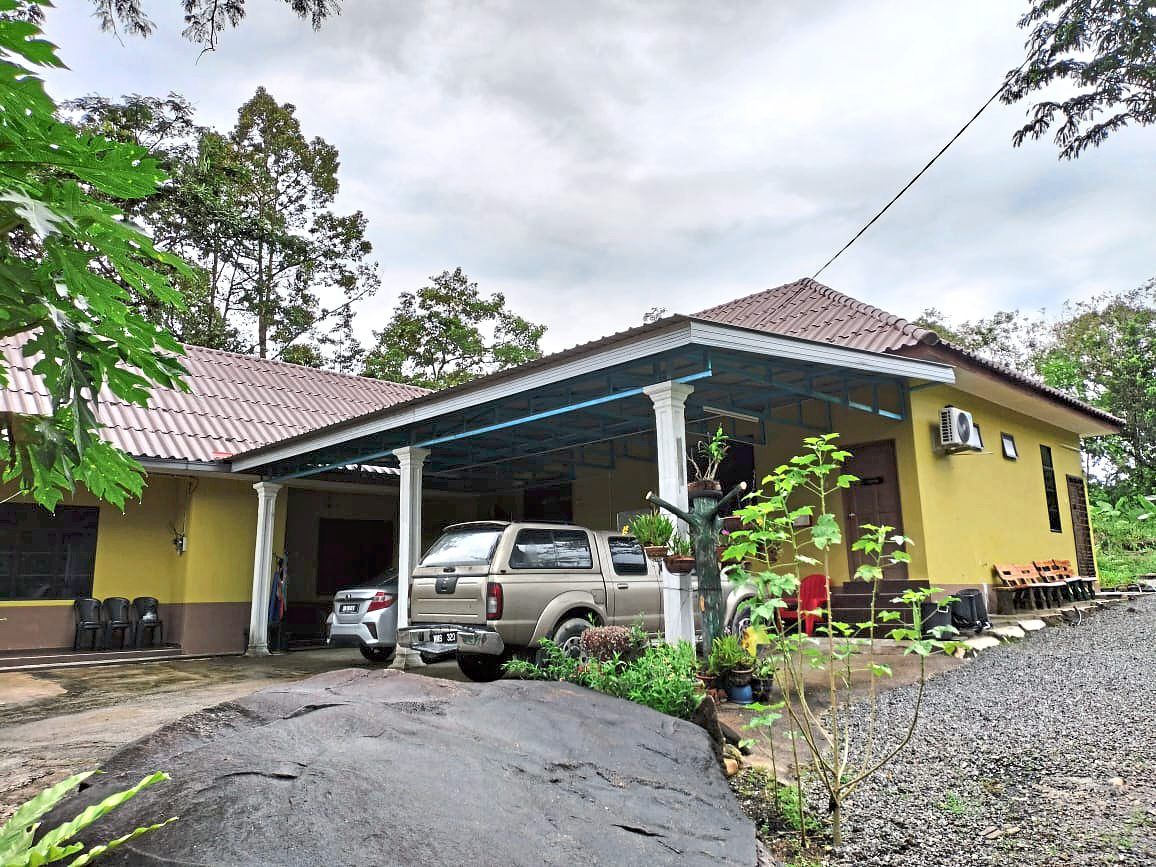
At Homestay Kampung Jelawang in Dabong, Kelantan, owner Nik Mahizan Nik Zainal Abidin leverages digital channels to showcase eco-adventures near the Stong Waterfall, cave explorations in Gua Gelap, Gua Keris, Gua Pagar and Gua Ikan, as well as seasonal fruit-picking and hiking at Gunung Stong State Park.

“Active utilisation of our Facebook page allows us to promote our homestay directly to travellers from Singapore, Indonesia, Belgium and France who love nature,” shares Nik Mahizan.
“Visitors can enjoy authentic village experiences, such as plucking fruits like durians, dokong, duku and rambutan directly from our orchard trees.
“As tourism grows through online visibility, homestays open vital job opportunities for locals – food stalls are opening in Dabong, boosting local incomes and spurring secondary micro-entrepreneurs such as local makers selling traditional snacks,” she highlights.
For more information, visit https://jendela.my/.


