
It's important for women to be financially independent, and while financial independence is sometimes equated with being rich, it’s not. It’s about having choices, confidence and the freedom to live life on your own terms.
For financial planner Annie Taw, it is more than just accumulating wealth. It’s about ensuring women have the resources and confidence to make decisions about their lives, even when circumstances change.
Yet, financial security can be difficult to attain when women juggle careers, family responsibilities and the expectations placed on them.
Having spent 28 years in the banking industry before becoming a financial planner, Taw has seen how women often put their families first while neglecting their own financial needs.
Some take career breaks to raise children or care for ageing parents, affecting their income, savings and retirement contributions.
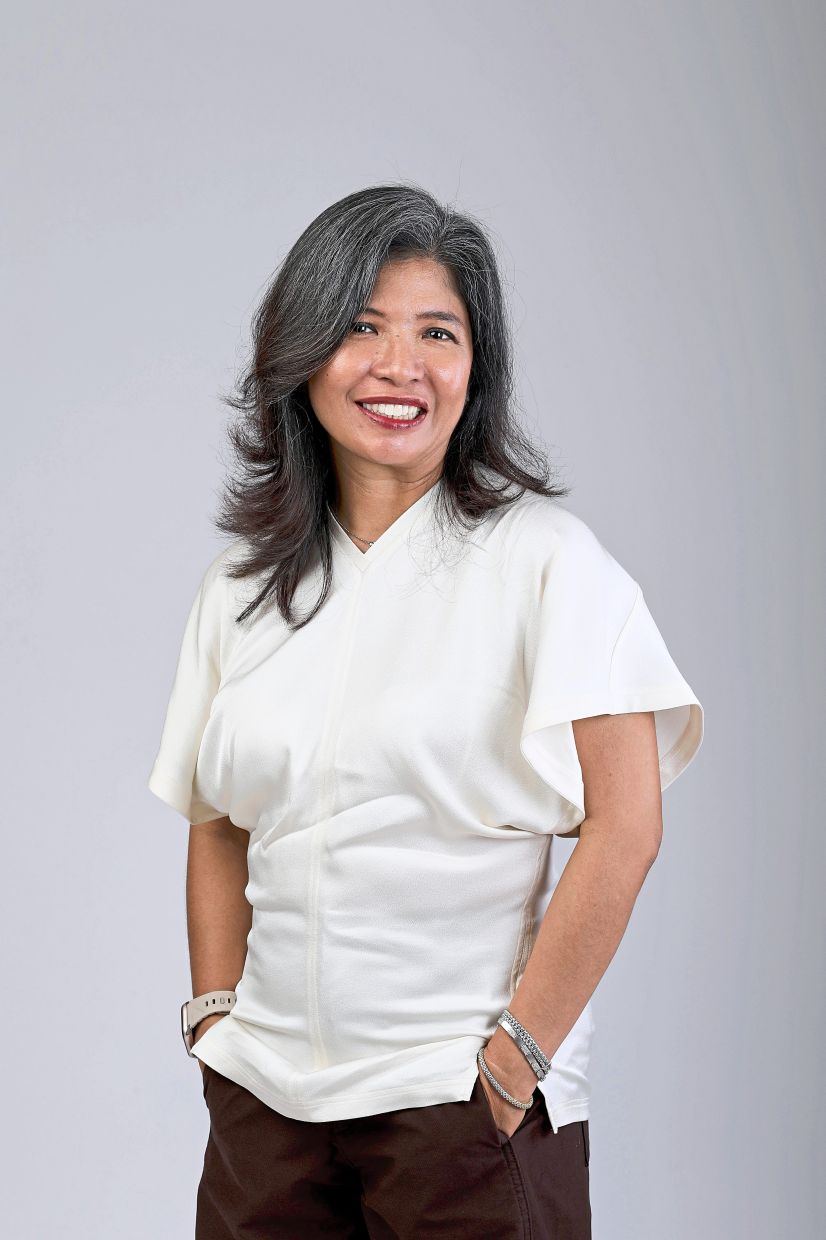
Meanwhile, strategic adviser Rejina Rahim agrees that women need to pay closer attention to their financial security, particularly because they may spend more years outside paid employment and face lower lifetime earnings.
Malaysia’s gender wage gap, especially at higher salary levels, can further affect their ability to accumulate wealth.
Rejina also points to the unequal distribution of unpaid domestic and caregiving responsibilities, which can limit women’s career progression.
She believes a major challenge for women isn’t simply a lack of money, but a lack of awareness about their financial position.
A woman may manage the household budget efficiently without knowing the full picture of the family’s wealth, including outstanding loans, investments and whether she can access money in an emergency.
The first step, Rejina advises, is to take stock of what you own, what you owe, how much money comes in and where it goes.
Women should also understand how assets and liabilities are held, understand the details of their insurance and Employees Provident Fund (EPF) savings and maintain access to personal savings and important financial documents.
Even when a spouse manages the household finances, both partners should understand their financial situation, she highlights.
Building financial security doesn’t require a high salary or a complicated investment strategy. Taw encourages women to prioritise personal savings rather than setting aside whatever remains after household expenses.
“A small amount saved consistently will make a difference,” she says, suggesting that women begin with an emergency fund and retirement savings.
Rejina recommends starting with a realistic savings target. This could be RM1,000, followed by one month’s essential expenses and eventually three to six months’ worth of living costs. Those with dependents or irregular incomes might need a larger buffer.
Bank Negara Malaysia’s 2024 Financial Capability and Inclusion Survey found that 61% of Malaysians reported difficulty raising RM1,000 in emergency cash, highlighting the importance of having accessible savings.
Women should also review their debts and prioritise dealing with expensive borrowings, such as outstanding credit card balances. They should ensure payments are made on time.
Insurance or takaful should be considered when it comes to financial risks a person can’t absorb alone. Women should also understand the coverage, exclusions and costs before committing to a policy.
For those beginning their careers, Rejina recommends tracking take-home pay, building savings habits and investing consistently once immediate financial needs and expensive debts are under control.

Both experts emphasise the importance of discussing money openly within the family, particularly when one partner takes a career break.
Rejina points out that the financial cost of caregiving extends beyond lost salary.
A woman who leaves employment may also miss employer retirement contributions, future pay increases and opportunities for career advancement.
Couples should therefore discuss how the caregiver’s savings, retirement contributions and financial protection will be maintained during the break.
Taw also encourages women to explore voluntary EPF contributions and check their eligibility for government retirement savings incentives.
Meanwhile, women returning to work should continue developing their skills and maintaining professional connections where possible.
For those caring for ageing parents, Rejina recommends discussing their income, savings and potential care needs early, while agreeing with siblings on how costs and responsibilities will be shared.
"The most available daughter shouldn’t automatically become the default payer and caregiver," she says.
Women should also understand their financial position in the event of divorce or widowhood, including joint debts, accessible cash and estate arrangements.
Investing can seem intimidating, particularly for women who are cautious about financial risks.
However, Rejina says caution should encourage informed decisions rather than prevent women from investing altogether.
Keeping all savings in cash (ie savings and fixed deposits) may feel reassuring, but inflation can gradually reduce their purchasing power.
Instead, women should identify the purpose of their money before choosing an investment.
Funds needed for emergencies or a home purchase in the near future require a different approach from money intended for retirement decades later.
Before investing, ask how a product generates returns, how much could be lost, what fees apply, how easily the money can be accessed and whether the provider is authorised to offer the investment.
Women should also avoid investing simply because friends recommend a product.
“Confidence comes from understanding your decisions and seeing how your plan behaves over time,” Rejina says.
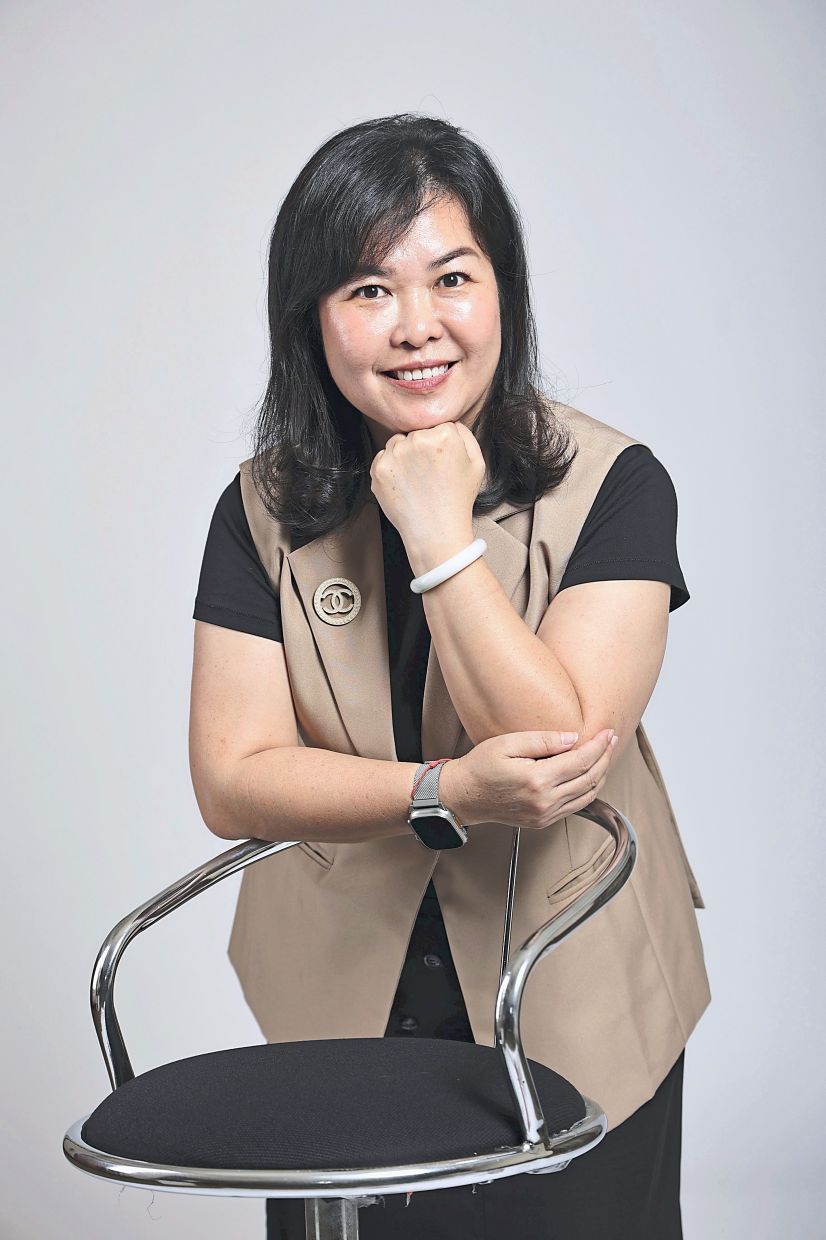
In their 20s, women can focus on budgeting, managing debt and establishing emergency savings. During their 30s and 40s, priorities may include protecting their income, managing family commitments and building long-term savings. From their 50s, reviewing retirement funds, healthcare costs and future living expenses becomes increasingly important.
Taw stresses that there’s no perfect age to begin. Women who haven’t started saving should focus on what they can do now rather than dwell on lost time.
Rejina adds that retirement plans should account for the possibility of living into one’s late 80s or 90s, as well as rising healthcare costs and the potential need for long-term care.
Ultimately, financial planning isn’t about having all the answers or achieving wealth overnight. It’s about understanding one’s circumstances, making informed choices and building habits that can withstand life’s uncertainties.
As Taw puts it, women shouldn’t have to abandon their dreams simply because they have family responsibilities.
With a clearer picture of their finances and a plan that reflects their needs, they can care for their loved ones while protecting their own future, conclude Rejina and Taw.