
In the narrow alleyways of Paharganj, a central district of the Indian capital New Delhi, the smells of street food stalls, incense sticks and rotting rubbish mingle.
A dense network of power lines hangs over the buildings. During the summer monsoon season, water often drains only slowly, and people sometimes have to wade through puddles and mud.
This bustling neighbourhood is known for its many cheap hotels and hostels, as well as its colourful market scene with budget souvenir shops and restaurants.
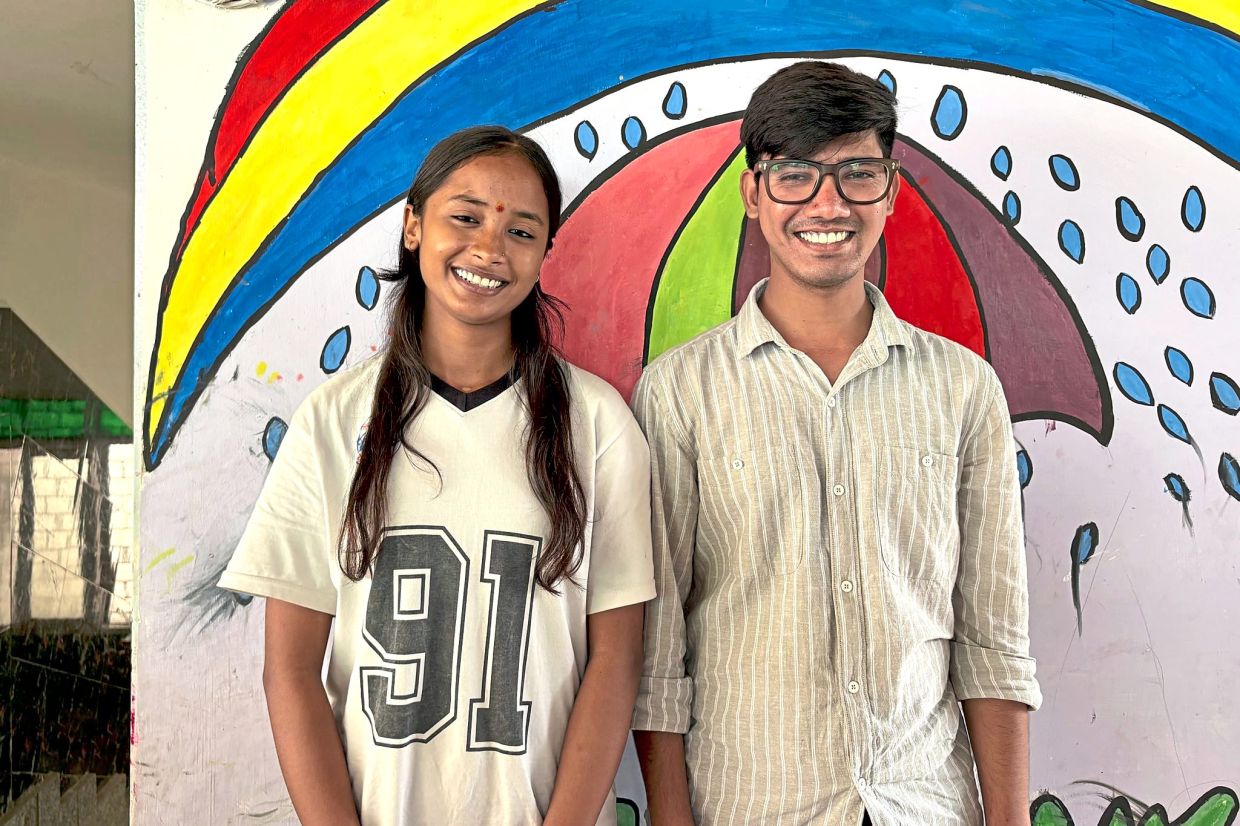
Many children and young people work here on the streets or live alone in the area around New Delhi’s New Railway Station, explain 18-year-old Shivani and 24-year-old Jafar.
Both work for the Salaam Baalak Trust and guide tourists around Paharganj. “Social workers from the Trust come here every day with the aim of rescuing children,” says Jafar.
“These children often have no choice but to work. They collect rags, work in small restaurants, shine shoes or clean car windows,” explains Shivani.
The Salaam Baalak Trust is one of several non-governmental organisations working with vulnerable children in and around the railway station.
Its outreach workers aim to build contact with children and their families to offer support ranging from emergency shelter and healthcare to schooling and vocational training.
Parents and children often need some persuasion before agreeing to take part in such programmes. But these efforts are not always successful, as many families depend on the income their children earn.
Hidden and invisible
New Delhi railway station is one of the city’s main long-distance hubs. Many children who run away from home or become separated from their families arrive in Delhi for the first time at this station, sleeping on its platforms or nearby.
Others travel with their families from other states in the hope of a better livelihood.
It is not known exactly how many street children there are in India.
An estimate from the government’s National Commission for Protection of Child Rights, which is already several years old, is often cited, suggesting that around 1.5 to 2 million children may be living on the streets.
Others assume the figures are significantly higher, as many children have no identity documents or fall into the clutches of criminal gangs. An often-cited Unicef study suggests 18 million, an estimate that has been criticised as conservative.
“Gangs at the railway station or bus stops lie in wait for the children,” says Jafar. According to Leher, a children’s rights NGO, street children in India are often described as “hidden” or “invisible.”
Railway stations: a hotspot
As early as the 1980s and 1990s, several organisations set up operations in Paharganj to reach children as soon as possible after their arrival.
The aid organisations claim to be filling gaps in provision; the authorities work with them whilst also monitoring their work.
The Salaam Baalak Trust runs separate shelters for boys and girls in several major Indian cities, providing medical care and education for children living on the streets.
“It’s important for us to offer them a safe place – that is precisely our mission,” says Mayurami Kakati, who heads the City Walk programme.
The youth-led social initiative offers city tours that help fund its projects while giving visitors an insight into the realities of life for street children.
An unusual city tour
The young adults leading the tours have themselves experienced life on the streets or grown up in poverty. Both Jafar and Shivani have also benefited from the Trust’s programmes.
Shivani still lives in an informal settlement in the Raghuvir Nagar neighbourhood, which she describes as a slum. When she was 13, social workers persuaded her parents to let her and her sister go to school.
Today, she studies at the University of Delhi. “At first, my father didn’t think education was necessary for girls,” she says in fluent English. With her mother’s support, she persevered and eventually won her father over as well.
Jafar lives in an informal settlement in Seelampur. As a child, he came into contact with teachers via a mobile school bus. Later, social workers helped him make the transition to a mainstream school.
He now holds a bachelor’s degree in political science and has been working as a tour guide for two years. He says: “I want to improve my communication skills and give something back.”
‘Sometimes parents don’t want their children back’
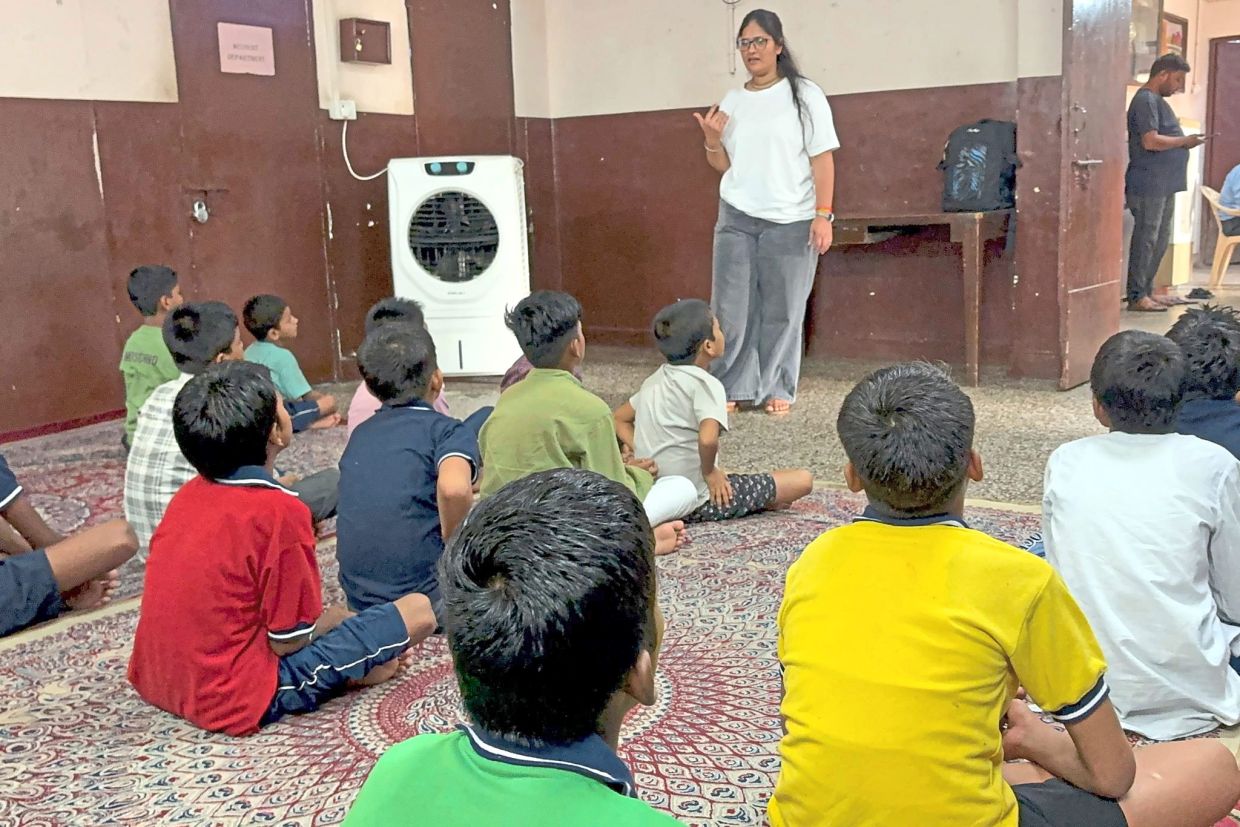
More than 20 children are currently living in a short-term shelter for boys in Paharganj. The Trust, in collaboration with the authorities, is trying to locate their families to reunite them with their children.
This can often take weeks or months, says social worker Sonu. “Sometimes a postcode, photos or memories of where they used to live are enough to help.”
However, some parents may refuse or be reluctant to take their children back because the children’s earnings are vital to the family, while the household may lack the resources to provide food, housing and schooling without that income.
Fourteen-year-old Abhishek is staying at the shelter temporarily. He arrived in Delhi from Assam, after a 2,000km journey, with friends a few weeks ago, spent several nights on train platforms and was eventually approached by social workers.
Today, he receives accommodation, meals and lessons. “He can already write a little in Hindi,” says his teacher, Kavita Bhatt. Around 40% of the children who arrive can neither read nor write.
The Trust has since made contact with Abhishek’s grandparents in Assam, with whom he lives. The organisation intends to arrange for his return.
The boy pulls a tiny piece of paper with a telephone number from his pocket. He has already spoken to his brother and is looking forward to go back home and see his family again. – dpa