



Security education should be introduced from a young age, and experts say schools must go beyond science, technology, engineering and mathematics (STEM) to help students – especially girls – understand the importance of strengthening cybersecurity, navigating artificial intelligence (AI) and protecting the economy.
Girls should also be encouraged to see themselves as part of the solution.
This was among the key messages from the "Understanding Asia-Pacific Architecture: Insights from Women in Security" roundtable in Petaling Jaya, Selangor on June 30. It was co-organised by German non-profit think tank Konrad Adenauer Stiftung (KAS) Malaysia and Asia Pacific Security Association (APSA).
The event was held in conjunction with the Asia-Pacific Roundtable (APR) 2026 which took place in Kuala Lumpur from June 30-July 2.
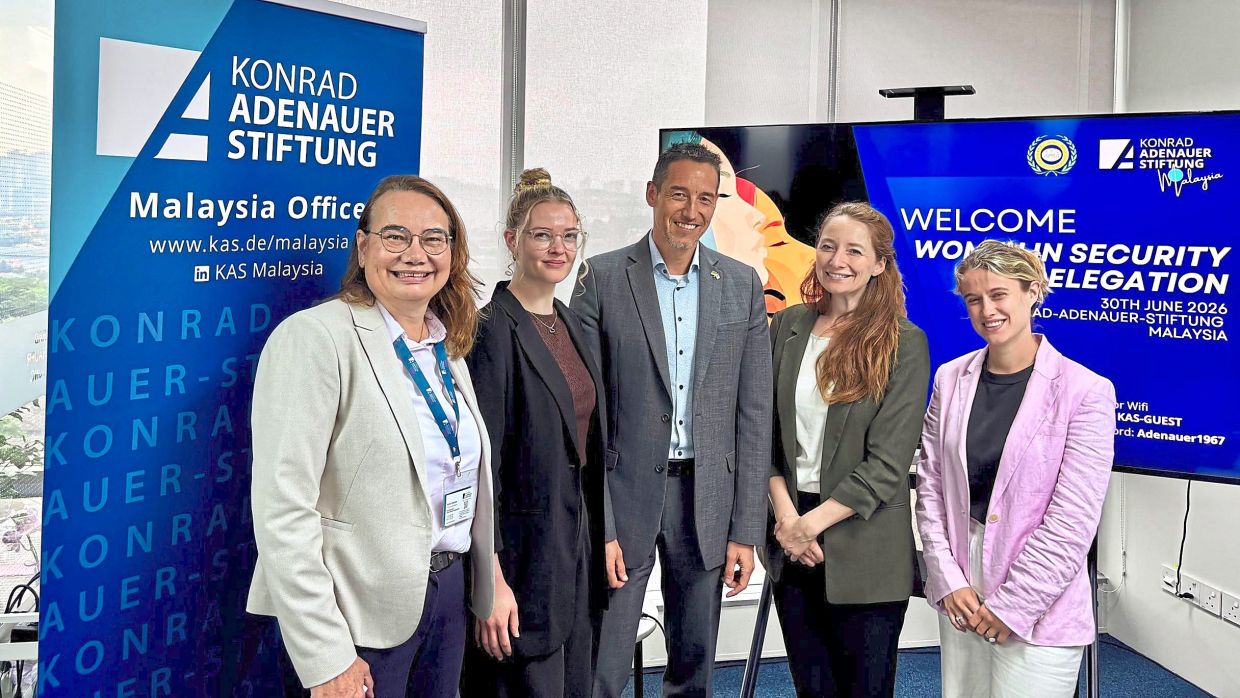
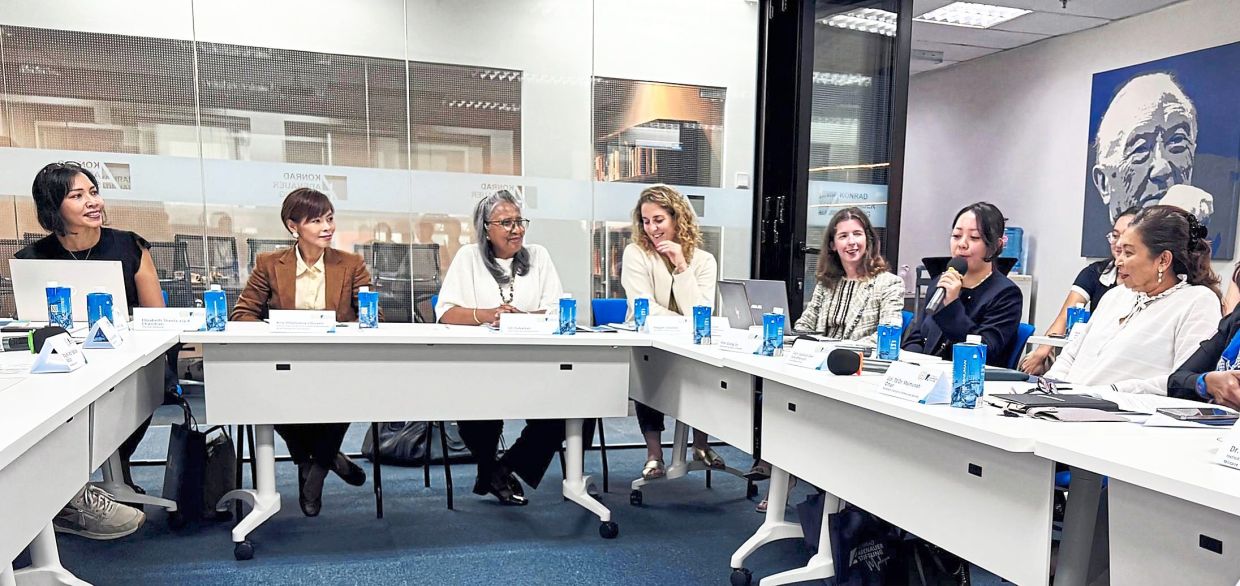
Bringing together practitioners and scholars from Malaysia, Europe and across the Asia-Pacific, the discussion explored how women's perspectives can contribute to addressing today's increasingly complex security landscape.
In attendance were German Embassy's Defence Attache Lieutenant Colonel (GS) Kai Nordsiek, KAS Malaysia country director Natalie Russmann, APSA member Siti Subaidah Mustaffa, Brigadier Jeneral (R) Datuk Fadzillah Abdullah and former Selangor deputy police chief Datuk Sasikala Devi Subramaniam.
A participant said fostering a security-conscious society begins in the classroom.
Participants stressed that security should be viewed as everyone's responsibility, with young people encouraged to understand that national security extends beyond the armed forces and police.
An expert said that the youth need to understand not only how technology works, but also how it shapes society and national resilience. While schools increasingly emphasise robotics and STEM education, greater attention is needed to help students understand the security implications of these fields.
Education must involve a partnership between schools, families and communities to build awareness from an early age. Families play an important role in shaping children's understanding of responsibility and resilience through early exposure to values, awareness and preparedness.
Underrepresented in the profession
Girls, in particular, should be encouraged to see security as a field that welcomes their participation, whether through public service, policymaking, technology or community leadership.
It was discussed that in Malaysia, women are still shy to enter the security sector. Greater exposure from a young age could help change perceptions and inspire more girls to pursue careers related to security.
Participants noted that while schools increasingly encourage students to pursue STEM, there is comparatively little emphasis on understanding the security implications of these fields.
They agreed that introducing these concepts early could also help build confidence among girls, who remain underrepresented in many traditional security professions.
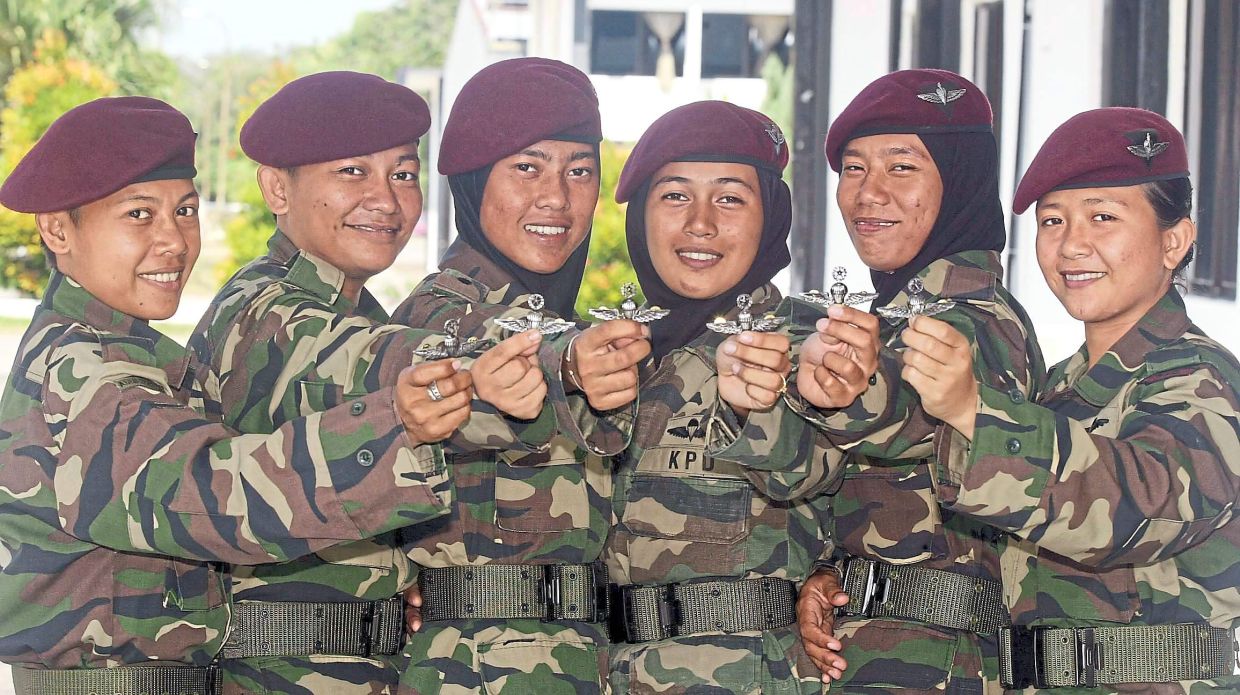
While women are making important contributions in areas such as policymaking, diplomacy, corporate governance and economic development, representation within the armed forces and law enforcement remains relatively low, particularly in senior leadership positions.
A participant noted that women comprise about 10% of Malaysia's Armed Forces, with far fewer reaching senior command roles.Rather than capability, she said, the bigger challenge today is creating supportive environments that enable women to balance career progression with family responsibilities.
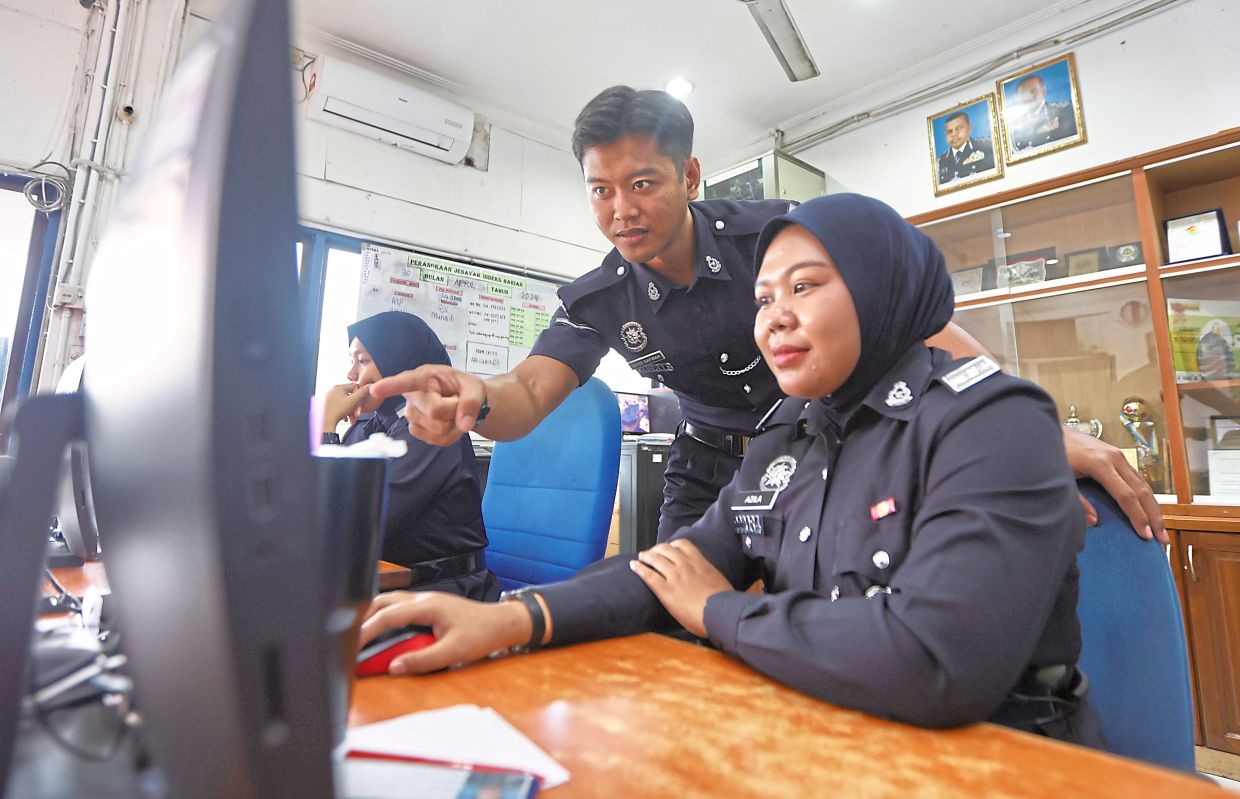
Similarly, from the Royal Malaysian Police, women account for around 12% of personnel. Although women have held senior appointments, they remain less represented in operational command positions, highlighting the need for better career development, mentorship and succession planning.
It can be challenging for women to climb the ranks in the police and armed forces, as many struggle to balance demanding leadership roles with family responsibilities. Some also face difficult decisions when promotions require relocation or greater operational commitments, leading a number of women to step back from higher-ranking positions despite being qualified.
A 2025 study by KL's Universiti Pertahanan Nasional Malaysia, "The Impact of Work-Life Benefit, Career Growth Opportunities and Job Security on the Job Attractiveness of Women in Joining the Malaysian Armed Forces," highlights the importance of balancing family responsibilities with military commitments and personal duties to prevent women from feeling overwhelmed and leaving their military careers.
The study, published in the International Journal Of Academic Research in Business and Social Sciences, suggests that he armed forces may develop a more inclusive and supportive culture by assisting women in effectively managing their time for self-care and family obligations.
Beyond institutional reforms, however, participants agreed that changing perceptions must begin much earlier.
A participant highlighted the need to strengthen women's confidence, awareness and access to opportunities, adding that building security awareness should begin from an early age through stronger collaboration between schools, families and communities.
Participants from other Asian an European countries also shared their views on women's representation in security forces in their respective countries. Also discussed were the need to redefine national security beyond defence, including areas such as food security, education and climate change and strengthening approaches at both community and government levels.
Education is key
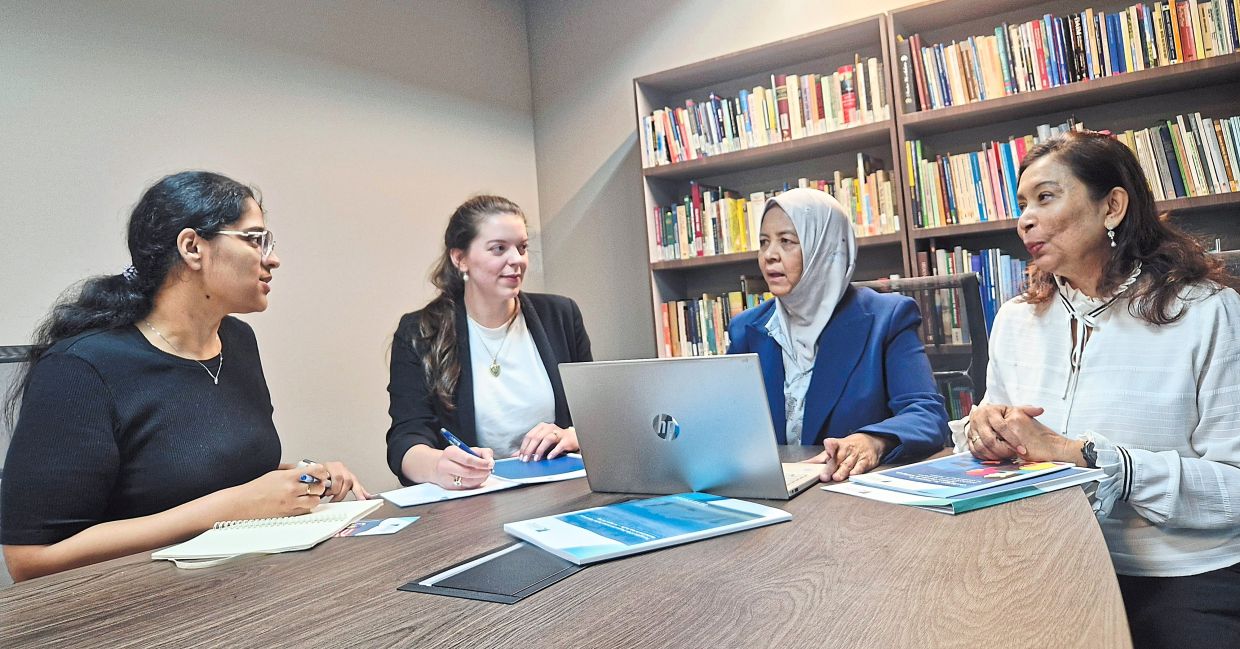
From left: German Insitute of Global and Area Studies doctoral researcher Mahima Duggal, Netherland's University of Leiden's doctorate candidate Cecilia von Ilsemann, Fadzillah and Sasikala discussing the need for policies that support greater participation of women in security and decision-making roles. Photo: The Star/Sheela Chandran
From left: Russman, Embassy of New Zealand in Germany policy advisor Hanna Gers, Nordsiek, political scientist, author and international peer platform Philia co-founder Nicole Bogott and European Parliament research administrator Julia Huntemann at the event. Photos: Natalie Russmann
More women in the Armed Forces bring diverse perspectives to security. Photo: Filepic
Participants at the roundtable meeting called for stronger policies to empower women and broaden perspectives in addressing evolving security challenges.
Photo: Natalie Russmann
Women police officers play an important role in strengthening Malaysia’s public safety. Photo: The Star/Zharafan Nasib
