
Brian Lee is 26 and he’s still learning things that many people take for granted. These include doing his own laundry and managing everyday tasks that will help the young man with Down syndrome live more independently.
His mother, special needs trainer Chan Oi Wah, 68, knows she must equip him with the skills to live more independently, especially for the future when she is no longer able to care for him.
“I’m nearing 70 and Brian is only 26. I need to prepare for the journey ahead. I keep journals and write short-term plans for Brian, focusing on things like cooking and handling small amounts of cash. They help me keep track of what he still needs to learn and what our family needs to work towards,” said Chan from Cheras, Kuala Lumpur.
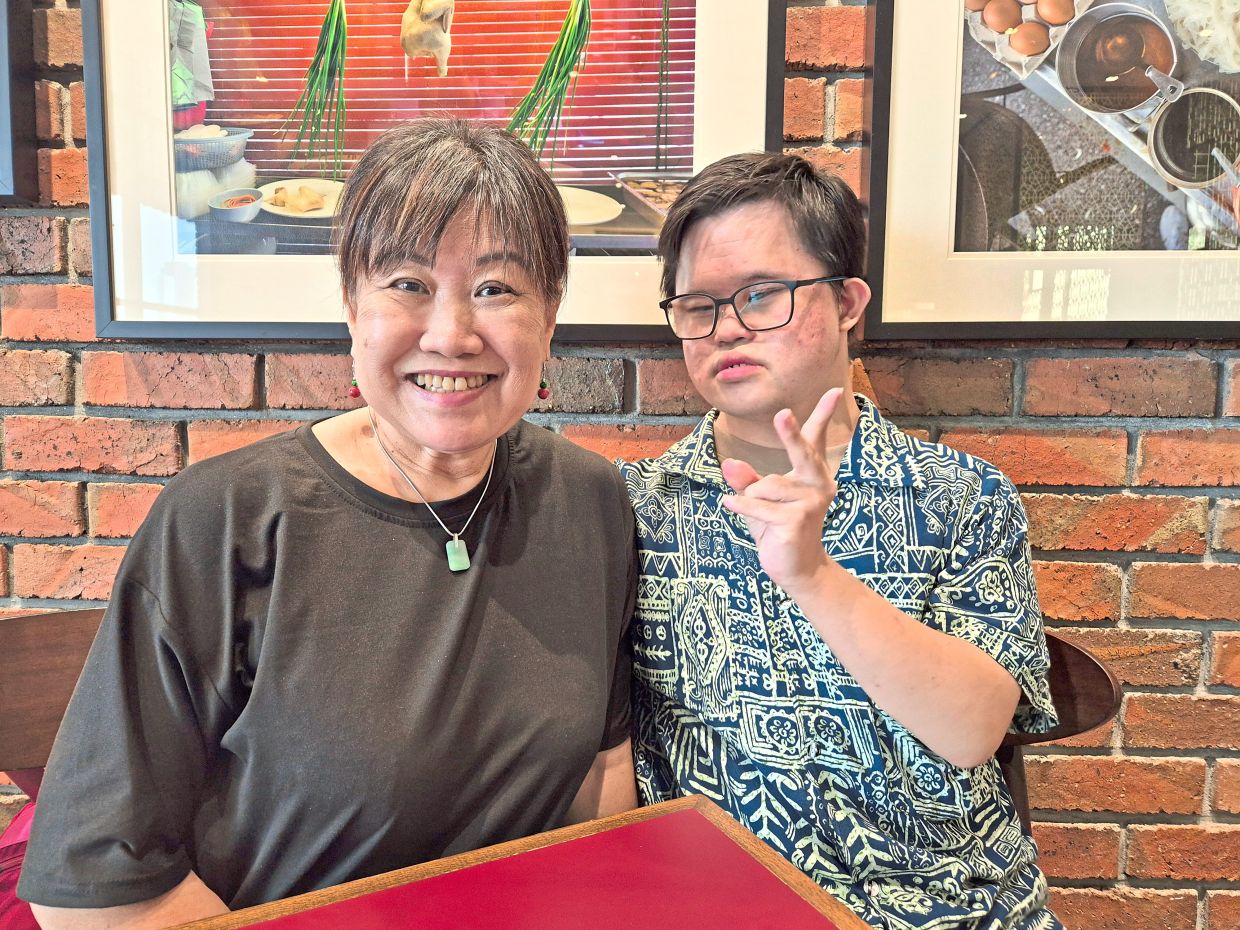
Lee has an older brother, but Chan knows she cannot assume that he will eventually take on the responsibility of caring for his younger sibling.
“I don’t know what the future holds for Brian. I cannot burden his brother to look after him,” she said.
“What I can do is help him become as independent as possible while building a support network around him.”
Chan, who quit her job at a dental clinic in KL in 2003 to look after Lee, is far from alone in worrying about what lies ahead. For many parents of children with special needs, there is always a pressing concern: who will care for their children as parents and caregivers grow older.

This issue was discussed at a forum entitled “The Next Chapter: Planning for Neurodivergent Lives and Ageing Families” held in KL on Sept 22.
Organised by the Malaysian Healthy Ageing Society (MHAS) in collaboration with Oasis Place, the forum brought together experts, caregivers and advocates to discuss neurodivergence, ageing and long-term care.
Women, Family and Community Development Minister Datuk Seri Nancy Shukri officiated the event.
The forum highlighted the importance of starting these conversations early, including planning for ageing, mental well- being, healthcare and financial and legal matters.
The next chapter
MHAS president Prof Nathan Vytialingam said neurodivergence needs to be understood as a lifelong journey rather than an issue that ends with childhood intervention.

“Malaysia is preparing for an ageing society, but we must also ask whether we are adequately planning for the families who have spent decades caring for neurodivergent and disabled loved ones.
“Their needs do not disappear when a child becomes an adult, and neither does the responsibility of ensuring that they can live with dignity, security and meaningful support,” he said.
Many families, he said, spend years focusing on education, therapy and day-to-day care, but could face a very different set of challenges as parents and primary caregivers grow older.
“Planning cannot begin only when parents reach a point when they can no longer cope. We need to look ahead at housing, healthcare, financial and legal planning, social participation, community support and continuity of care for the next stage of life.”
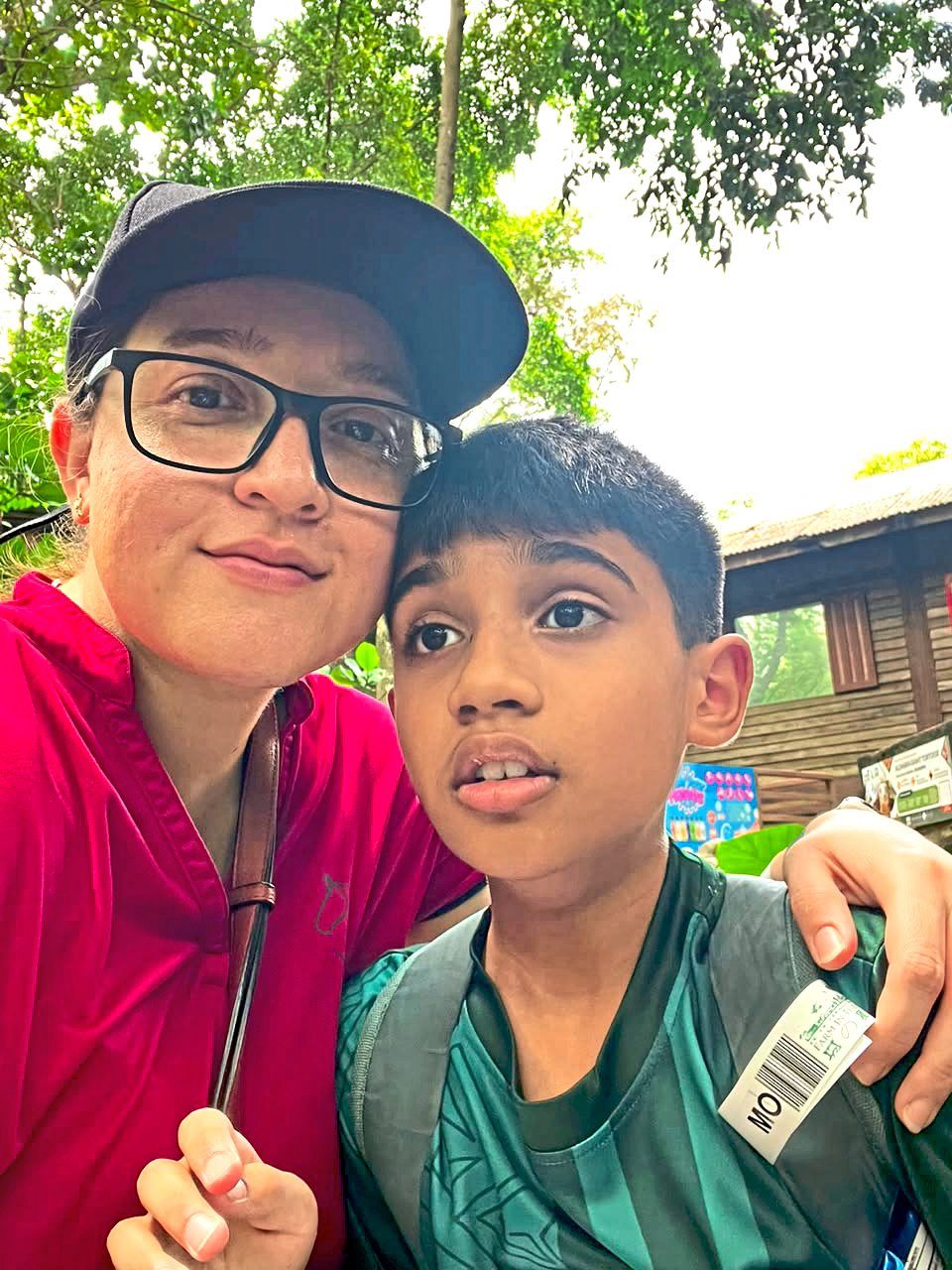
She believes Malaysia must consider the needs of neurodivergent people as they grow older. “While there is growing awareness of Malaysia’s ageing population, we must remember that our neurodivergent children are part of this population too.
“The question is whether our healthcare providers, support systems and communities are ready to meet their diverse needs as they grow older.
“We may be making some headway, but as a nation, we still have a long way to go.
“Such forums create space for important conversations and, more importantly, spark action – both big and small – to address gaps in holistic care for ageing neurodivergent individuals and their families,” says Desiree, a podcaster with Kita Family, which advocates for diversity and inclusivity.
Discussions during the forum are also relevant to the direction set out under the Malaysia Care Strategic Framework and Action Plan 2026-2030, which seeks to strengthen Malaysia’s care ecosystem through greater collaboration across government, communities, non-governmental organisations and the private sector.
The framework identifies five strategic thrusts covering legislation and governance, competency and career pathways, advocacy, strategic collaboration and research, and technology and data.
Malaysia’s care strategy also recognises the need for a more inclusive and sustainable care ecosystem supporting people across different stages of life, including older persons and persons with disabilities.
Prof Nathan said neurodivergent families must be considered within this wider national care agenda.
“As Malaysia plans for an ageing society, neurodivergent families must be part of that plan. We should not wait until families reach a crisis before asking who will provide care, where they will live or how they will be supported.”

Oasis Place founder Dr Choy Sook Kuen also stressed the importance of taking action early, building capacity and connecting services.
“Planning for adulthood and ageing must begin before families reach a breaking point. We need to increase our qualified allied health workforce while equipping families and carers with practical skills.
“Most importantly, health, welfare, education, training and community services must work together around the whole person and family, rather than operating in separate silos,” she said.
When caregivers grow old
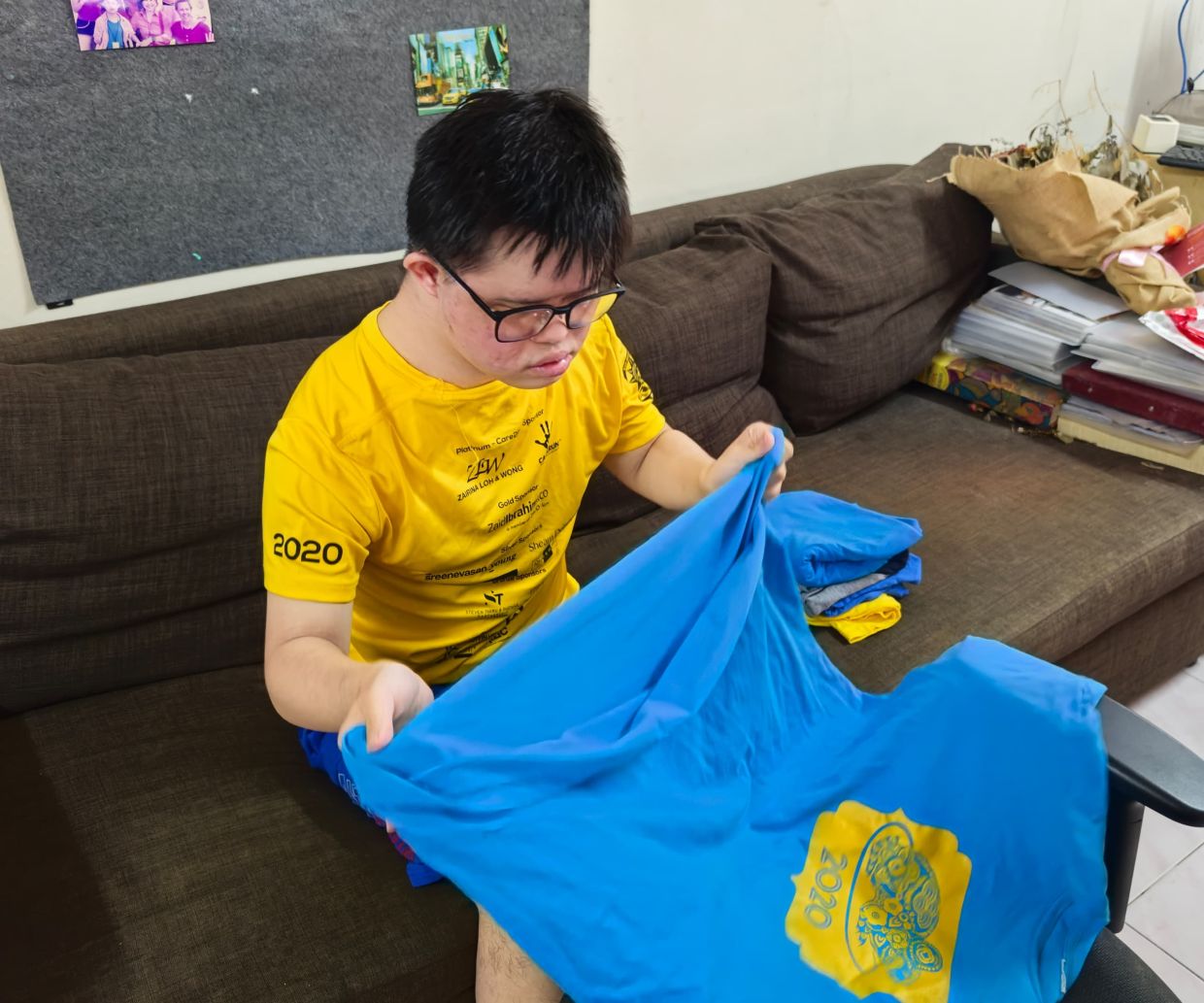
Lee is slowly learning daily living skills as he moves towards independence. Photo: Chan Oi Wah
Chan (left) with Lee, whom she is preparing for a more independent future. Photo: The Star/Sheela Chandran
Desiree (left), seen here with Nevyr, says more needs to be done to support the needs of neurodivergent people. Photo: Desiree Kaur
‘We should not wait until families reach a crisis before asking who will provide care,’ says Prof Nathan. Photo: Prof Nathan Vytialingam
As generations grow older, families must plan for the long-term care and support of loved ones with special needs. Photo: 123rf
Dr Choy believes that discussing inclusion and an ageing society are crucial as it amplifies diverse voices. Photo: KitaFamilyPodcast