
Shopping can be a welcome pick-me-up after a difficult day. A new outfit, handbag or gadget may provide pleasure or distraction from stress.
But when buying is one’s main way of managing difficult emotions, the line between occasional retail therapy and problematic shopping blurs.
For advertising executive Sherlyn Chan, 27, shopping has long been associated with stress relief. She describes it as fun and harmless, explaining that her purchases as carefully considered and within budget.
However, she also admits that she is influenced by those around her: seeing colleagues carrying the latest luxury bags and wearing premium labels makes her feel the need to keep up.
“I don’t consider myself a shopaholic – perhaps just kiasu (fear of losing out) – since I know what I’m buying and I’ve budgeted for it.”
While she enjoys the “high and satisfaction” of buying stuff, Chan adds that she’s happy with her purchases, uses them and doesn’t feel guilty afterwards. For her, shopping remains within boundaries she can control.
Mental health practitioner Anita Abu Bakar, founder and president of Mental Health Inclusion, Awareness, Support and Advocacy Association Malaysia (Miasa), says this distinction is important.
“Shopping in itself isn’t a negative thing. But if overdone continuously and repeatedly to give relief, it can become a negative spiral.”

According to Anita, occasional emotional spending is perfectly normal. Concerns arise when shopping becomes a way of managing underlying emotional pain, particularly stress, anxiety, sadness, loneliness or boredom.
But the relief doesn’t last.
“The anticipation of buying and sense of relief are real, but they’re temporary,” Anita says. “What happens though is that relief trains your brain.”
The reward associated with shopping reinforces the behaviour. Over time, a person shops more frequently to recreate the same feeling.
It becomes a vicious cycle: an uncomfortable emotion triggers the shopping urge; shopping produces a temporary lift; the feeling fades; the person shops again when difficult emotions return.
Shopping becomes particularly problematic when someone spends excessively on what they don’t need, with purchases left unopened or forgotten.
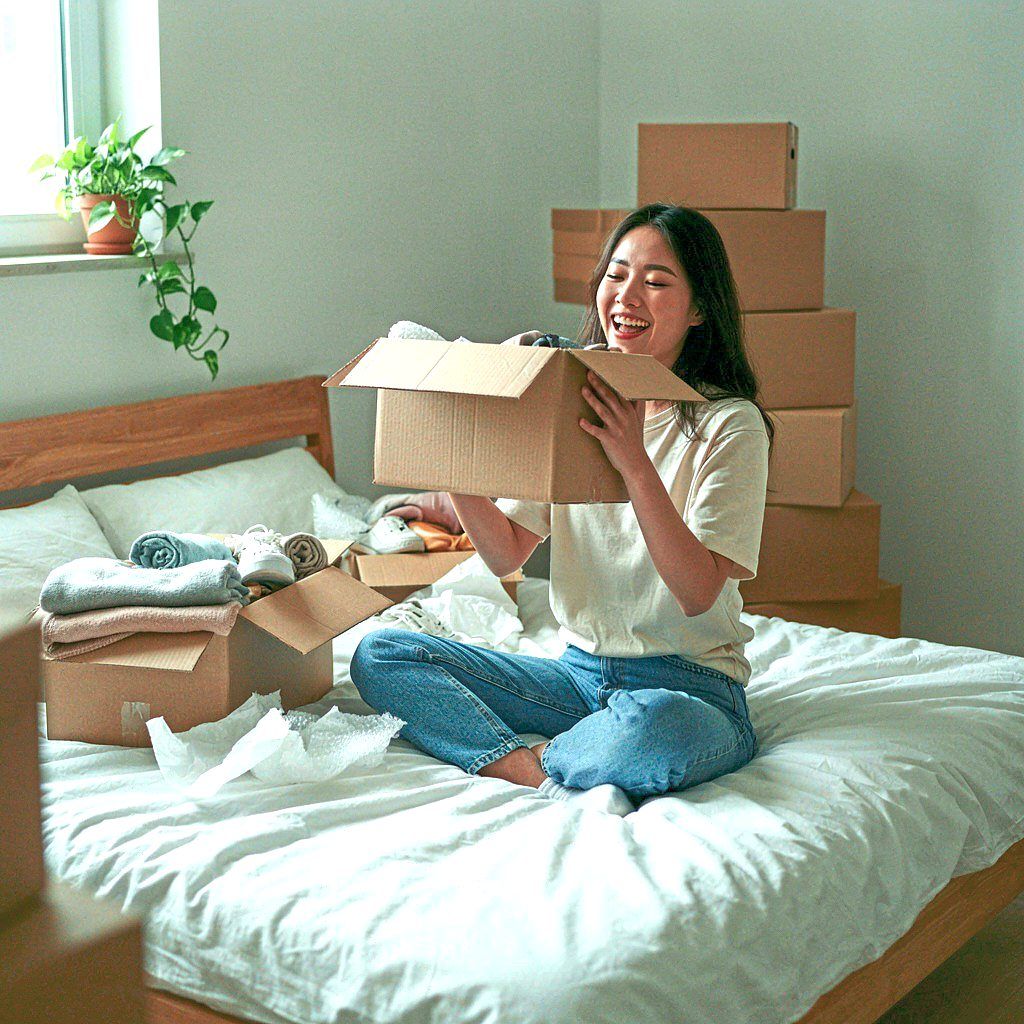
For consultant Umira S, 45, the warning signs became impossible to ignore.
“I’d buy something every time I went out,” she recalls. “It became a habit I couldn’t control.”
She might buy a black blouse or a beige handbag even when she already owned similar items. Her cupboards filled up while unopened packages accumulated at home.
She kept telling herself she’d eventually open the packages and use the items.
Some things were packed into boxes because she already had similar stuff.
When a friend jokingly said that she’d soon need to buy a new house to store everything, Umira realised she had a problem.
Five years ago, she sought help from a therapist and joined a support group. Today, she no longer buys impulsively and consciously takes stock of what she already owns before making purchases.
Her experience reveals several signs: repetitive purchasing, unnecessary items accumulating and products remaining unopened.
Another red flag is secrecy.
“Do you hide your purchases or receipts from your spouse or family members?” Anita asks.
She highlights the difference between wanting a product and the experience of buying it.
“Someone who genuinely wants the item is excited to receive and use it. With problematic shopping, the pleasure instead comes from buying it.”
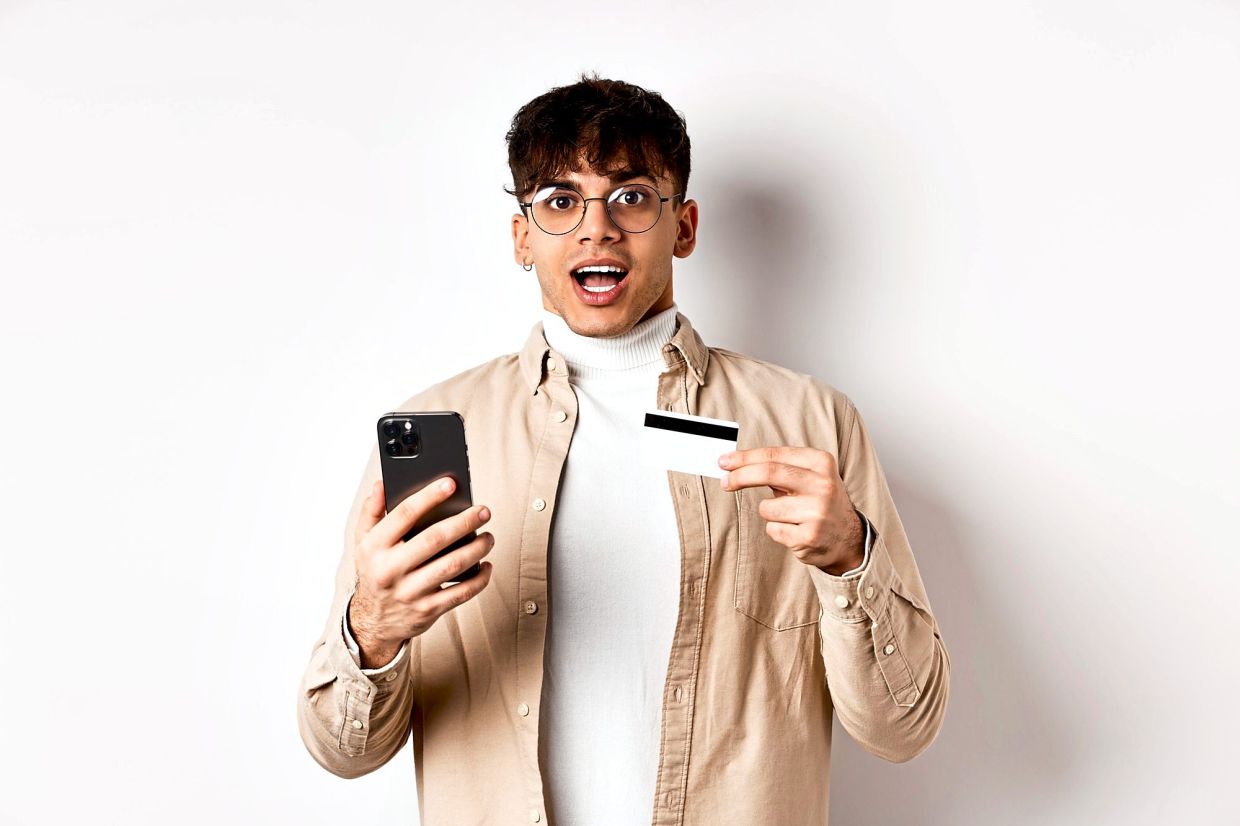
For office worker Ishak I., 23, the consequences were financial.
He initially treated himself whenever his salary came in, starting with inexpensive purchases such as shirts and belts.
Gradually, the purchases became more expensive.
He maxed out his credit cards and accumulated significant debt. At one point, he even considered taking out a loan to pay his credit card bills – and to buy more things.
“It felt good every time I bought something,” he says.
His family began questioning his spending as new watches, clothes and phones appeared regularly. Eventually, Ishak acknowledged he had a problem.
He locked away his credit cards and gave the key to his parents, asking them to hold him accountable. He also set aside money from his salary to repay his debts and kept a journal of his purchases.
“I’ve learnt to wait several days before I buy something,” he says.
“Occasionally I still see something I want to buy. But often, it’s a passing feeling.”
For Anita, continuing to shop despite financial constraints or debt is a significant indication that the behaviour has moved beyond harmless indulgence.
Compulsive shopping can affect both men and women. The purchases just look different. While clothing, handbags and beauty products are often associated with women, men tend to spend on gadgets, games, tools or other interests.
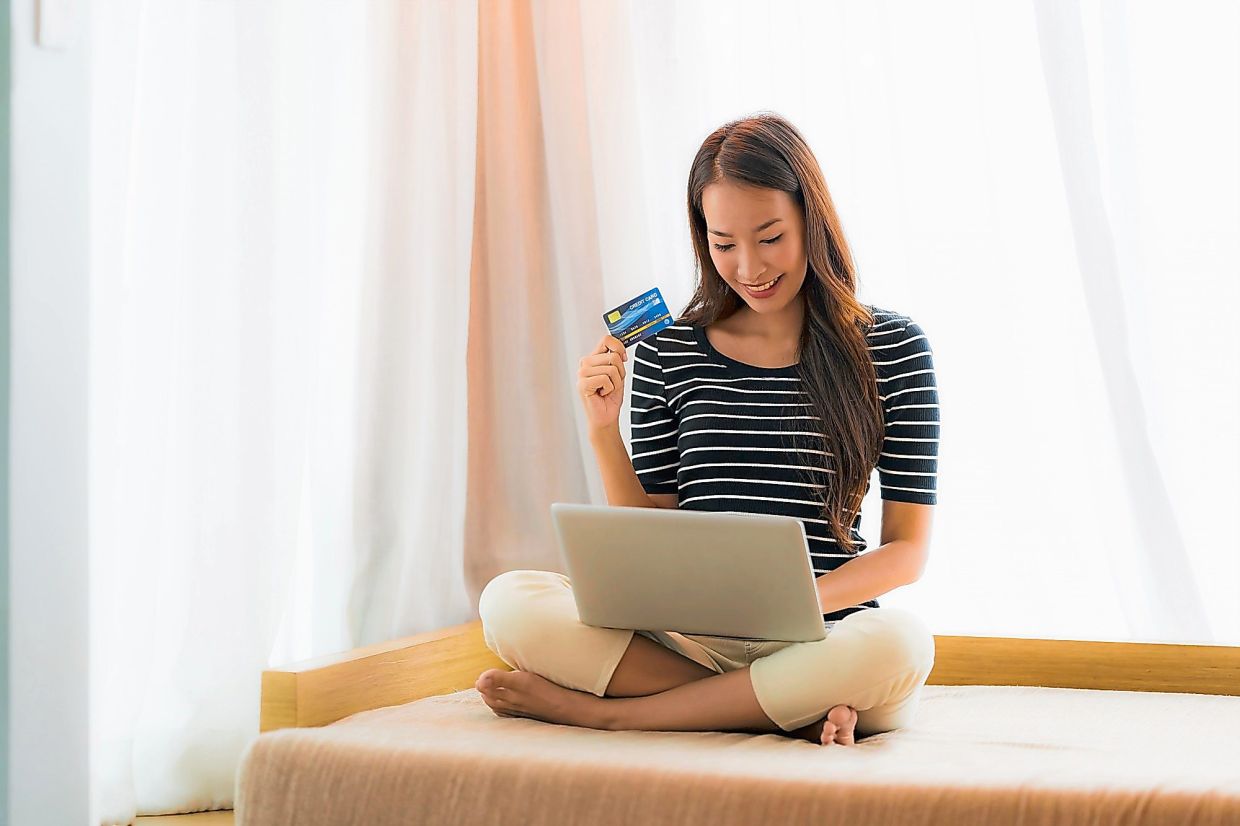
Young people are also vulnerable because of smartphones, online shopping and social media.
Peer pressure compounds the problem when purchases become connected to identity and belonging.
“If you belong to this group where everyone collects handbags, you’re going to feel pressured to buy them as well,” Anita explains.
The modern shopping environment can also exacerbate the issue.
Online platforms have removed many of the pauses between wanting something and buying it.
Shopping apps, flash sales, personalised advertising and social media keep consumers constantly exposed to opportunities to spend.
“For someone already using shopping to escape stress or other difficult emotions, that constant accessibility can make the pattern easier to repeat,” says Anita.

The answer isn’t necessarily eliminating shopping from one’s life.
Instead, Anita recommends developing other healthier coping mechanisms so shopping doesn’t become the automatic response to difficult emotions.
These include exercise, talking to a friend, watching a film, learning something new or pursuing a hobby.
Specific strategies can be developed for particular situations, such as turning to a trusted person during grief or having an activity to rely on when stressed.
Anita recommends establishing these coping mechanisms during periods of relative stability, rather than waiting until one feels overwhelmed.
Practical steps can also create distance between an impulse and a purchase.
These include deleting shopping apps, removing saved credit card information and monitoring spending.
For those who routinely buy something when visiting malls, changing the environment helps.
“Instead of hanging out at the mall, visit the park or a cafe instead,” Anita advises.
When compulsive shopping becomes difficult to control, professional support may be necessary.
Anita says compulsive buying- shopping disorder is classified under the ICD-11 (International Classification of Diseases 11th Revision) among other specified impulse-control disorders.
Support groups and therapy can help people address both the behaviour and emotional issues behind it.
Anita particularly recommends support groups, where people can share experiences, encourage one another and have accountability during recovery.
But perhaps the first step is recognising that shame is unlikely to solve the problem.
“Whatever challenges we go through, it’s always about the pain underneath,” Anita says.
Family and friends can help by approaching the person with empathy rather than criticism, asking whether something is troubling them and whether they want to talk.
Ultimately, retail therapy isn’t inherently harmful.
Shopping can provide pleasure, excitement or a temporary lift.
The warning comes when buying isn’t about the item; the behaviour becomes difficult to control; unwanted possessions pile up; spending is kept a secret; or debt and distress grow.
“The goal isn’t to shame someone for shopping.
“It’s to recognise when shopping becomes a substitute for dealing with something deeper – and to help find healthier ways to cope,” concludes Anita.