




Patients’ experience today vastly differ from those of previous generations
THE family waits anxiously outside the operating theatre, eyes fixated on an illuminated sign reading “Operation in Progress”.
Then the sign goes off and everyone stands with hope as well as dread. This scene has been rehashed thousands of times in dramas and movies and its imagery seared into our collective imagination.
For many people, heart surgery still evokes a similar image – a major operation filled with uncertainty.
Yet modern cardiac surgery has evolved remarkably and is far from what is still portrayed on screens today.
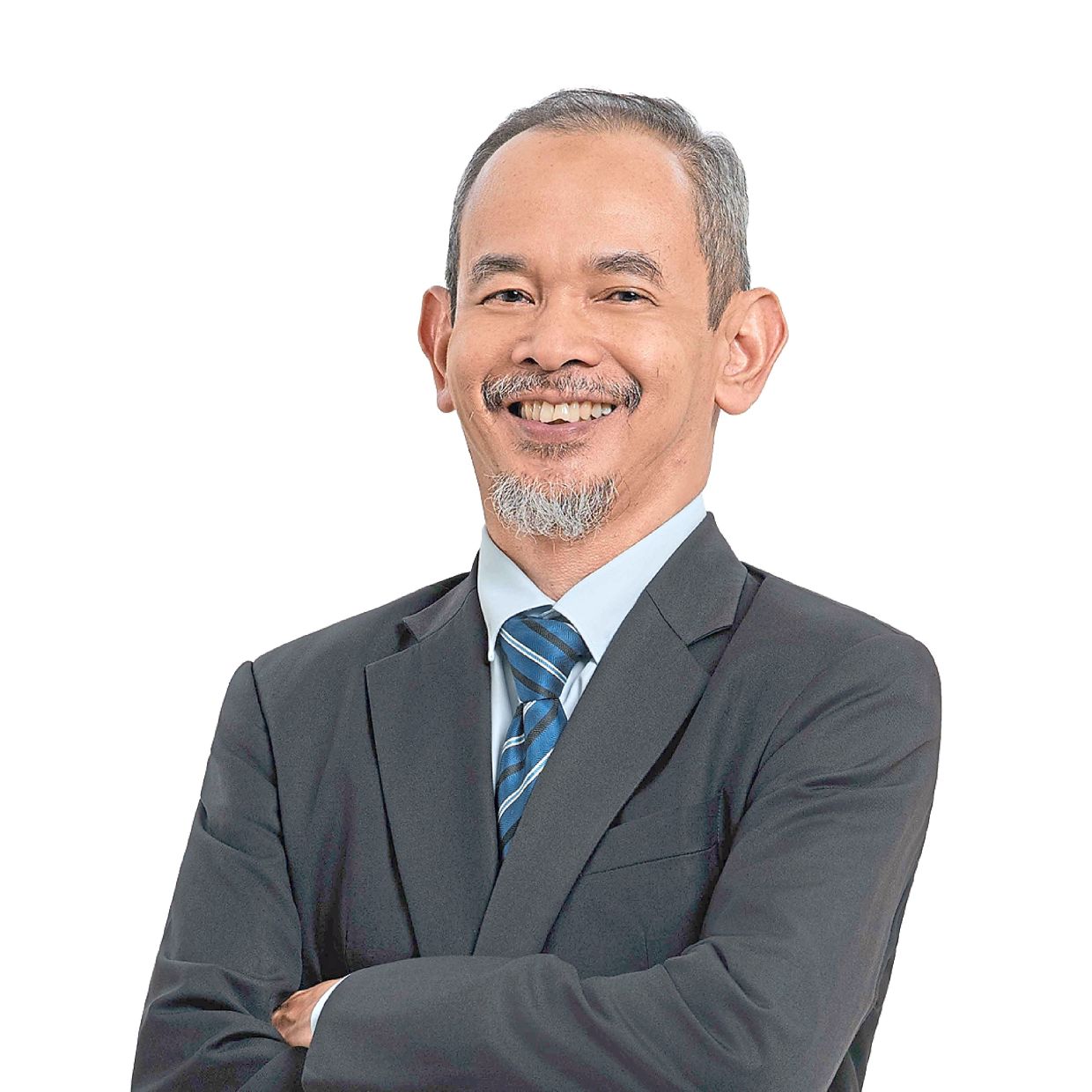
Cardiac Vascular Sentral Kuala Lumpur (CVSKL) consultant cardiothoracic surgeon Datuk Dr Mohamad Arif Muhammad Nor does acknowledge that heart surgery is a relatively new field in medicine compared to general surgery or other developments in healthcare, such as antibiotics.
“The history of modern heart surgery is fairly recent, beginning only after World War II.
“The development of the heart-lung machine made it possible to safely stop the heart and perform complex operations through a full median sternotomy (dividing the breastbone).
“The full median sternotomy became the standard approach for procedures such as coronary artery bypass grafting (CABG), valve repair or replacement and aortic repair.
“Initially, open heart surgery was associated with higher risk.
“Then in the 1980s to 1990s, surgical techniques, anaesthesia, myocardial protection and intensive care improved dramatically, making heart surgery safer with lower complication rates and better long-term outcomes,” he informs.
Cardiac surgery in Malaysia expanded rapidly from the 1990s onwards with the establishment of specialised cardiac centres.
Heart surgery is currently available in many centres across the country.
While conventional open-heart surgery remains the safest and most appropriate option for many patients today, minimally invasive techniques have expanded the treatment options by offering small incisions, fast recovery and excellent clinical outcomes to selected patients, without compromising the quality of surgery.
Heart conditions are often managed by two different specialties.
A cardiologist diagnoses and treats heart disease primarily with medications and catheter-based procedures, while a cardiothoracic surgeon treats heart conditions that require surgery.
They often work closely to determine the most appropriate treatment for each patient.
From large incisions to smaller approaches
Open-heart surgery has saved countless lives and remains the gold standard for many complex heart conditions.
Traditionally, heart surgeons reached the heart through a median sternotomy. Over time, however, advances in
cutting-edge surgical techniques, imaging technology, specialised instruments, anaesthesia and postoperative care have enabled surgeons to perform selected procedures through much smaller incisions.
Dr Mohamad Arif observes these advancements dynamically through the mid- to late-1990s onwards.
Heart surgeons began performing selected operations through partial sternotomies or mini-thoracotomies, aimed at reducing surgical trauma while achieving the same clinical results with better post-operative journey for patients.
Depending on the patient’s condition, only part of the breastbone is divided (partial sternotomy) or the heart can be accessed through a small incision between the ribs (mini-thoracotomy).
According to Dr Mohamad Arif, the goal of modern cardiac surgery has never simply been to make the incision smaller.
Instead, it is about reducing surgical trauma while delivering the same high standard of care, allowing patients to recover more comfortably and return to their normal lives sooner.
Also “minimally invasive” does not mean a simpler or less effective operation, rather it refers to the surgical approach used to reach the heart. The repair or replacement performed on the heart itself follows the same principles as conventional surgery.
Minimally invasive cardiac surgery is now used to treat a growing range of heart conditions in selected patients.
These include mitral valve repair or replacement, aortic valve surgery, tricuspid valve surgery, certain congenital heart defects (such as atrial septal defects), and also coronary artery bypass procedures, and in certain types of cardiac tumours.
However, suitability depends on several factors, which include the type of the heart disease, its severity, the patient’s overall health, condition, the presence of previous chest operations, and diversities of individual anatomy.
The right operation for the right patient
One common misconception is that minimally invasive surgery is always the best option. Dr Mohamad Arif emphasises that in reality, there is no single approach that suits everyone.
For some patients, particularly those with complex heart disease or conditions requiring multiple procedures, conventional open-heart surgery remains the safest and most effective treatment.
The focus is not on performing the smallest operation possible, but on safety, and achieving the best long-term outcome for the patient, reminds Dr Mohamad Arif.
“Even the weight of a patient may influence the decision to consider minimally invasive surgery. Overweight patients may pose difficulties for some surgeons who are less experienced in minimally invasive surgery.
So safety considerations are paramount,” he adds.
While a small incision is often one of the most noticeable differences, the benefits of minimally invasive cardiac surgery extend beyond cosmetic appearance.
Minimally invasive approaches usually offer reduced surgical trauma, less blood loss risk, early mobilisation after surgery, short hospital stays and subsequently fast return to daily activities.
“We had an 84-year-old patient who underwent a minimally invasive bypass surgery. He managed to return to bowling activities, which he loves so much just three months after surgery,” he shares.
Dr Mohamad Arif stresses that patients should understand that every operation carries risks, regardless of the size of the incision. The priority is always to perform the procedure as safely as possible while achieving a durable, long-lasting result.
After the operation
Patients are typically monitored in the intensive care unit (ICU) for a few days, and once they stabilise, they are transferred to a general ward. The emphasis is on early recovery.
Patients are encouraged to sit up, stand and begin walking as soon as it is medically safe to do so. Early mobilisation helps reduce complications while improving overall recovery.
Before discharge, patients receive detailed advice on wound care, medications, physical activity, diet, occupational therapy and follow-up appointments to help ensure a smooth recovery.
Going home marks the beginning of the next phase of recovery. It’s not the end of treatment.
During the first few weeks, patients are encouraged to gradually increase their physical activity. Walking is often one of the best forms of exercise during this period. Physical activity will increase progressively as strength returns.
The timeline for returning to driving, work and exercise varies depending on the type of
surgery performed, the patient’s occupation, and individual recovery. Some people recover relatively quickly, while others require more time.
What’s important is attending follow-up appointments, adhering to prescribed medications, and participating in cardiac
rehabilitation when recommended, says Dr Mohamad Arif.
Cardiac rehabilitation is a structured programme that combines nutritional and lifestyle, exercise, and emotional support to help patients regain confidence and reduce their risk of future cardiovascular events.
Patients should also know when to seek medical attention after discharge.
Dr Mohamad Arif advises that increasing operative redness or wound discharge, pain at the wound site, palpitations, worsening shortness of breath, persistent fever, presence of blood in the stools, or leg swelling should be assessed promptly.
Reassuring message
Cardiac surgery continues to evolve rapidly.
AI-assisted imaging, robotic-assisted surgery, and hybrid procedures that combine surgery with catheter-based interventions are expanding the treatment options available to patients. These advances are also making treatment increasingly personalised.
Rather than asking whether one should undergo surgery or an interventional procedure, specialists should consider which treatment – or combination of treatments – is most appropriate for that individual’s condition and long-term health.
The future of cardiac surgery will see more minimally invasive surgeries being performed, predicts Dr Mohamad Arif.
However, it’s important to remind patients that it’s not simply about making incisions smaller. It is about making treatment safer, more precise, and better tailored to each patient, he stresses.
Learning that heart surgery may be one of the primary options, is understandably frightening to the patient. However, today’s patients definitely have more treatment options to choose than ever before.
Ultimately, the most important step is seeking medical attention early, exploring all available options, and receiving the operation that is best suited to individual needs.
Dr Mohamad Arif reminds that patients with suspected heart disease should seek prompt assessment from a qualified medical professional rather than rely on social media information, traditional remedies or unproven alternative medicine as delaying appropriate treatment can lead to serious consequences.
With modern advances in cardiac surgery, many patients can look forward to resuming active, fulfilling lives after treatment.
Let’s hope that one day treatment for heart problems will be easily accessible to every corner of the country with more options on minimally invasive treatment choice, and more importantly, they are affordable to the public from all layers of income.
KKLIU 3984 / EXP 31.12.2028
Cardiac Vascular Sentral Kuala Lumpur
Jalan Stesen Sentral 5
Kuala Lumpur Sentral
50470 Kuala Lumpur.



