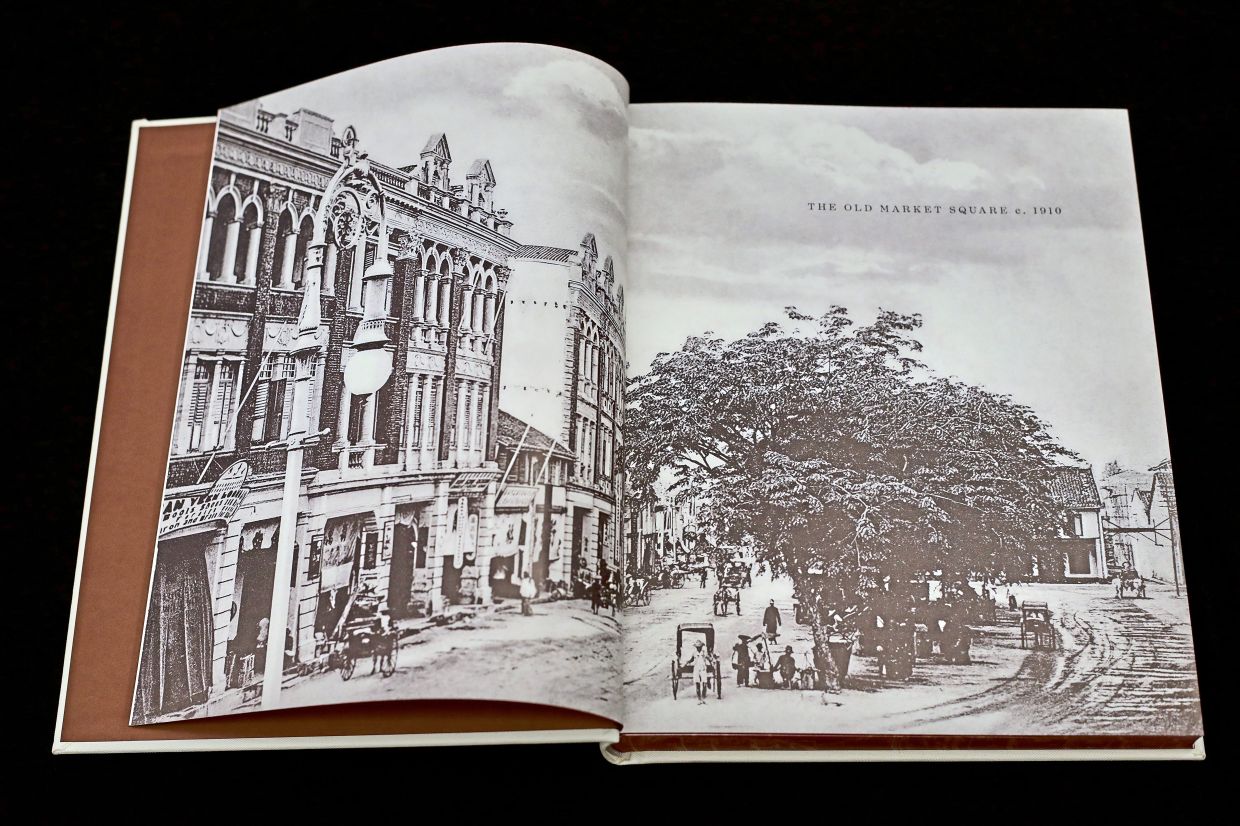
Kuala Lumpur's historic Medan Pasar, or Old Market Square, has witnessed the city's transformation from a tin-mining settlement into a bustling commercial centre.
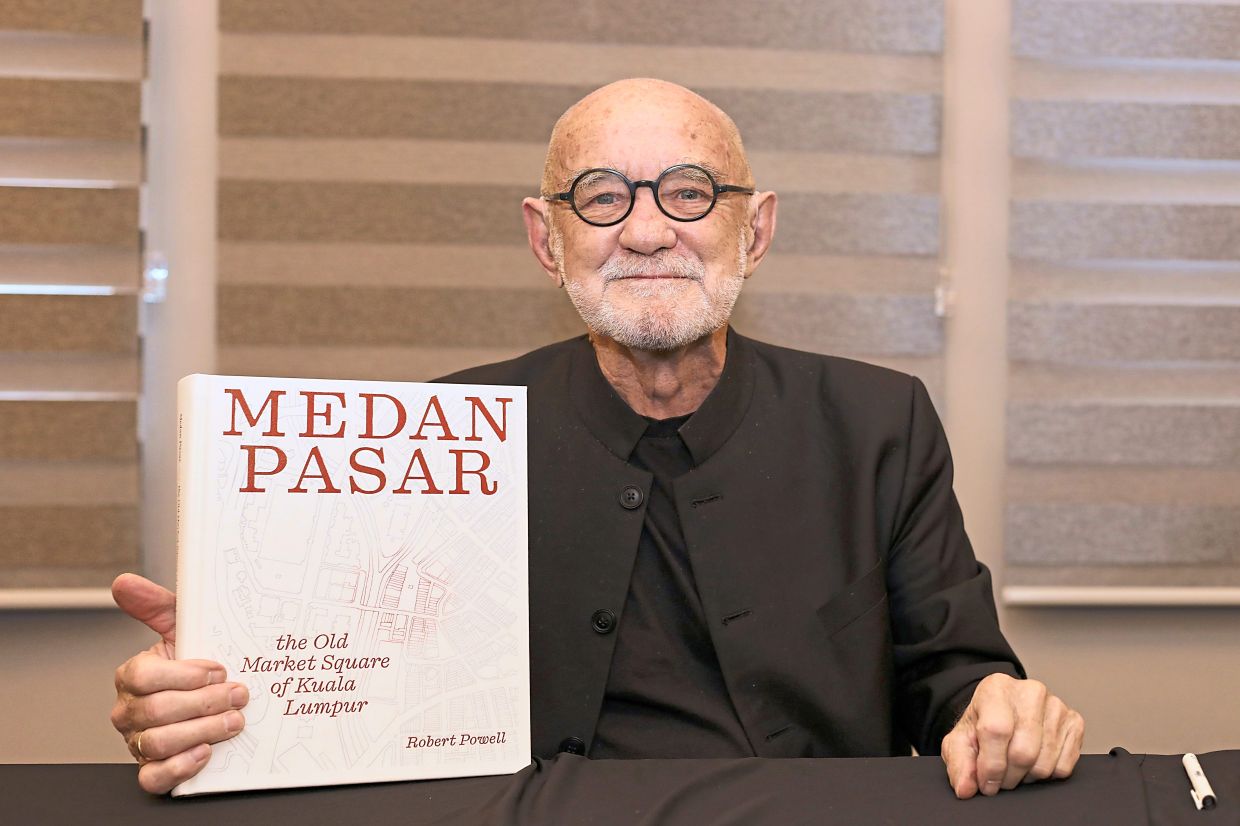
Documenting its history while highlighting the importance of preserving the capital's architectural and cultural heritage is a new book entitled Medan Pasar: The Old Market Square Of Kuala Lumpur.
Launched Oct 10, the 327-page hardcover by architect, urban designer and author Prof Robert Powell is published by Atelier International and supported by Creador Foundation.
The book draws on two years of research to trace the evolution of one of Kuala Lumpur's earliest urban centres. Featuring archival documents, historical maps, photographs and architectural sketches, it examines the people, buildings and events that shaped the square.
The book also follows the impact of fires and floods, the arrival of the British administration and the changing architectural styles that shaped the square.
Among its intriguing discoveries is the story behind Medan Pasar's iconic clock tower. Often associated with the 1937 coronation of King George VI, the structure may instead have been built to conceal an electrical substation. Prof Powell's research uncovered evidence suggesting that machinery beneath the tower was linked to a transformer serving surrounding buildings.
For Atelier International founder and editor Dr Tan Loke Mun, the publication represents a particularly meaningful addition to the publisher's work.
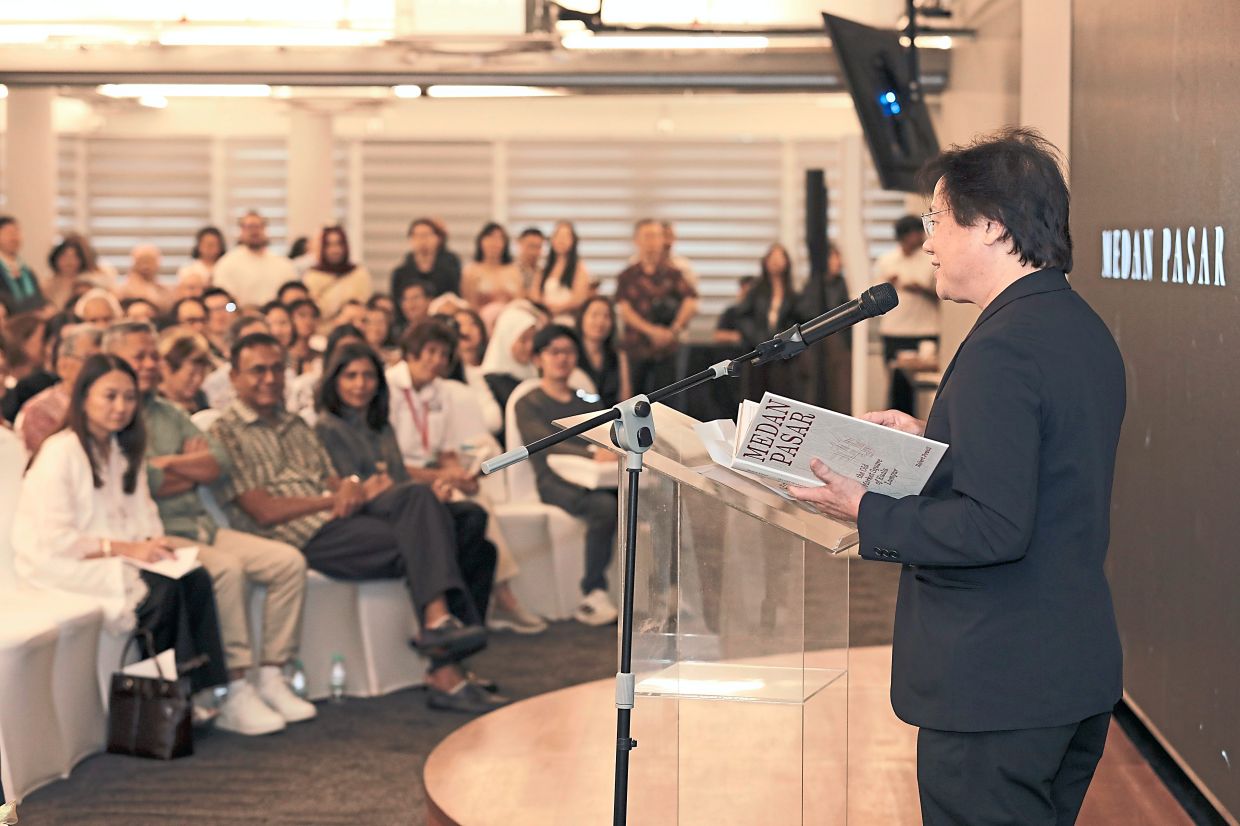
He described Prof Powell's extensive research and writing as central to the project's significance.
The book also arrives as efforts gather pace to revitalise Medan Pasar and reconnect the historic square with the life of the city, he said.
For Creador Foundation co-founders Brahmal Vasudevan and his wife, Shanthi Kandiah, the initiative to rejuvenate the Medan Pasar area began with the purchase of the historic Sin Seng Nam coffee shop in May 2023. They soon realised that restoring one building would have limited impact if the surrounding properties remained neglected.
Their plans expanded into a wider restoration initiative involving 55 shophouses, with the aim of preserving historic buildings while introducing new uses and attracting Malaysians and tourists to the area.
An art gallery housed in six restored buildings is scheduled to open Nov 1, with rotating exhibitions, while a performing arts venue with two auditoriums is also in the works. The wider vision is to make Medan Pasar a destination for arts, culture and heritage rather than simply a conserved architectural site.
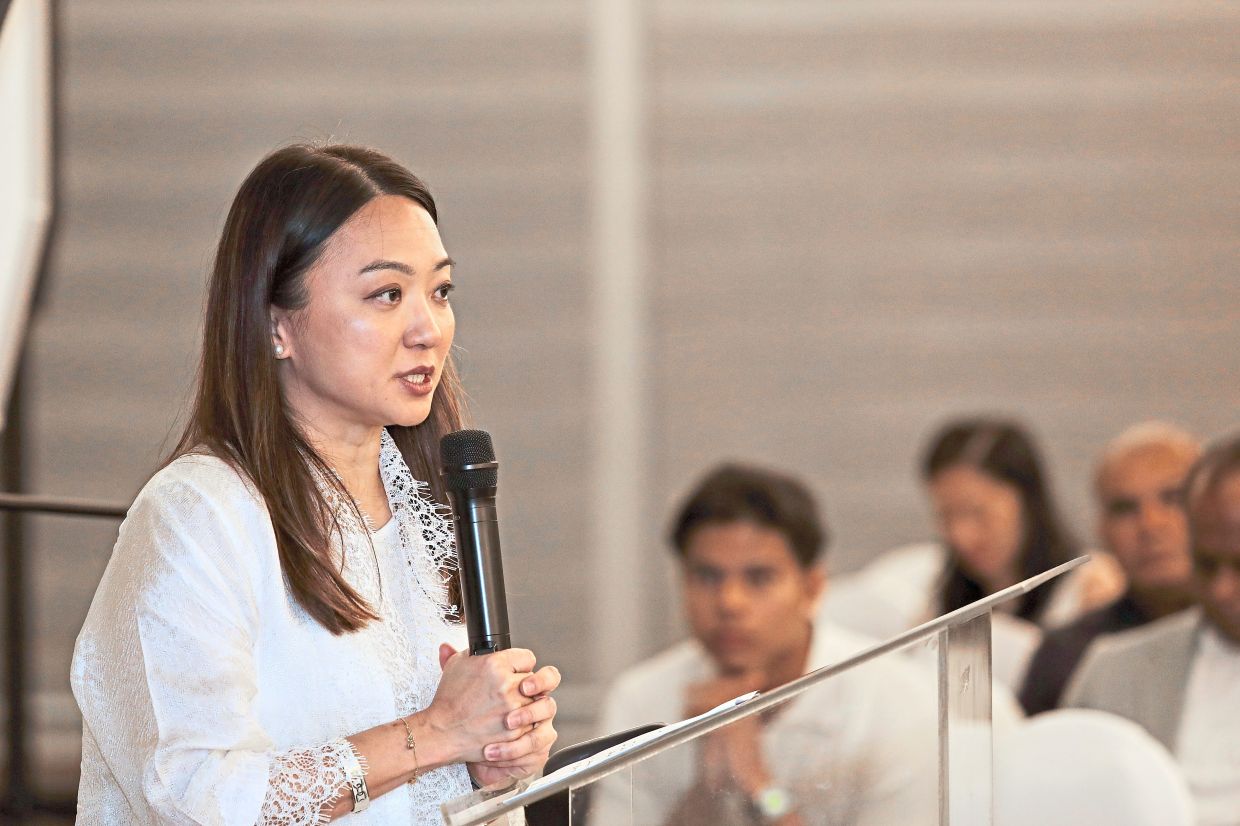
Minister in the Prime Minister’s Department (Federal Territories) Hannah Yeoh said historic places should be accessible and enjoyable for the public while retaining their identity for future generations. She also highlighted the importance of creating greener public spaces as part of Kuala Lumpur's wider urban development.
"My dream at the end of this term would be to turn KL into a sponge city," she said, explaining that green spaces could help absorb rainwater and alleviate potential floods. "I don’t want to fear the rain just because we have a lot of rain."
Yeoh highlighted that projects that transform the square into an open space or park with the capacity to store rainwater underground illustrate how public spaces can serve both recreational and environmental purposes. She also said 88 parks had been gazetted in Kuala Lumpur over the preceding eight months, with another 500 awaiting gazettement.
Her remarks underline how heritage conservation can sit alongside efforts to make the city more liveable and resilient.
Ultimately, Medan Pasar offers more than a record of the past. As restoration and public space initiatives move forward, the square's layered history provides an opportunity for Kuala Lumpur to preserve its identity while adapting to the needs of a changing city.
Where it all began
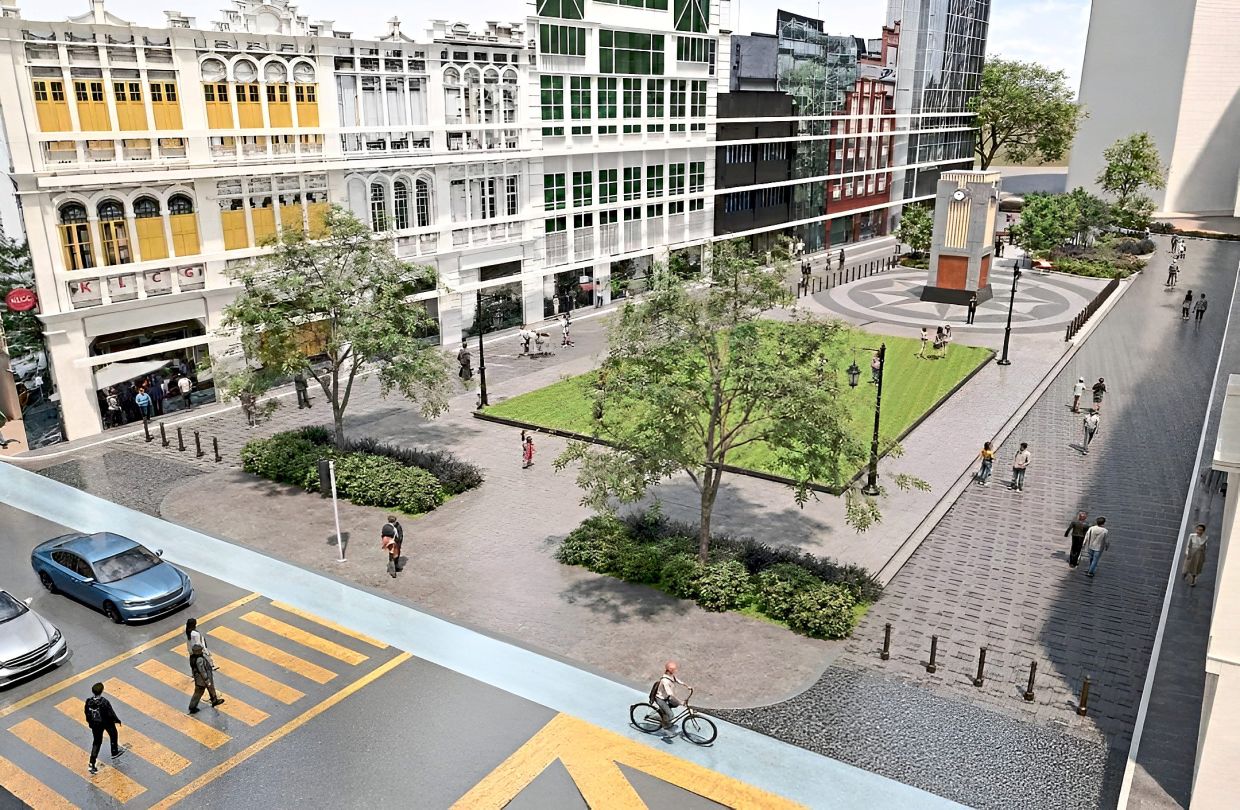
An artist’s impression of Medan Pasar after its upgrade. Photo: Hannah Yeoh/Facebook
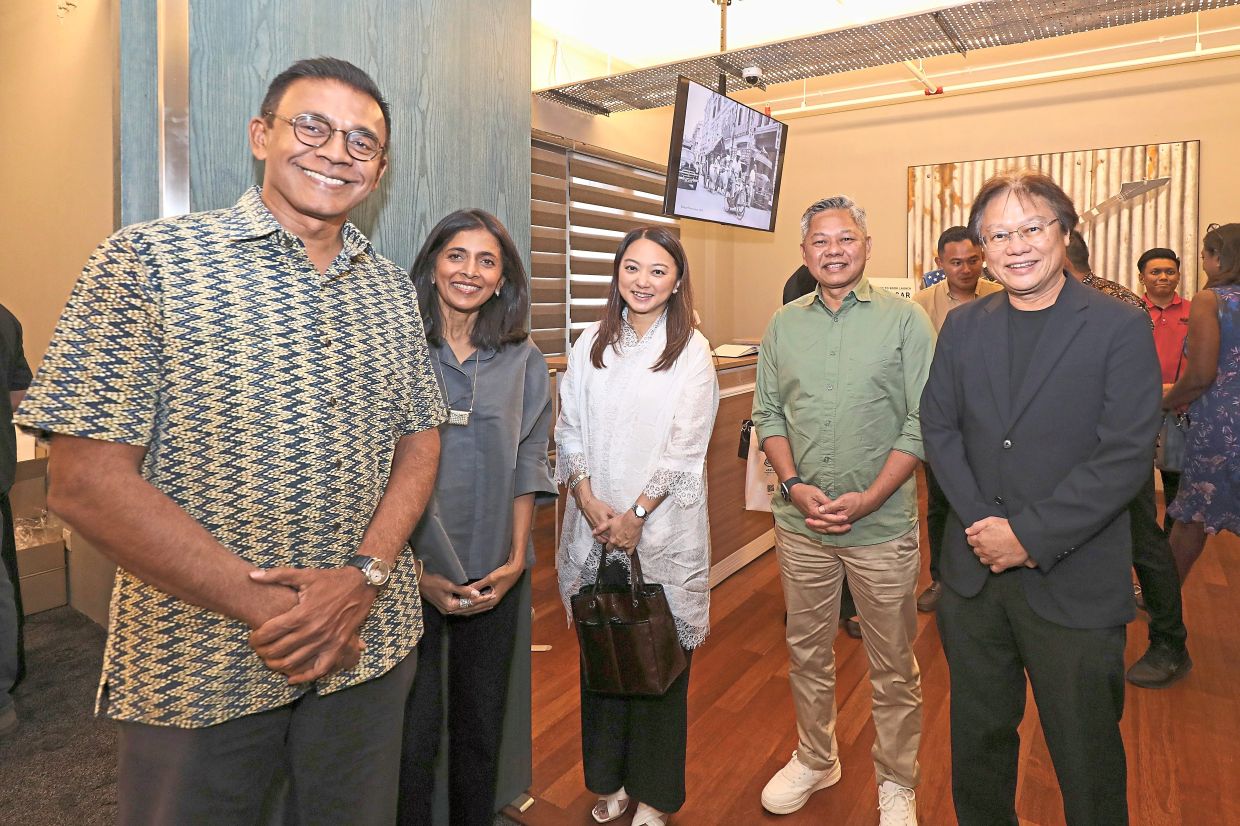
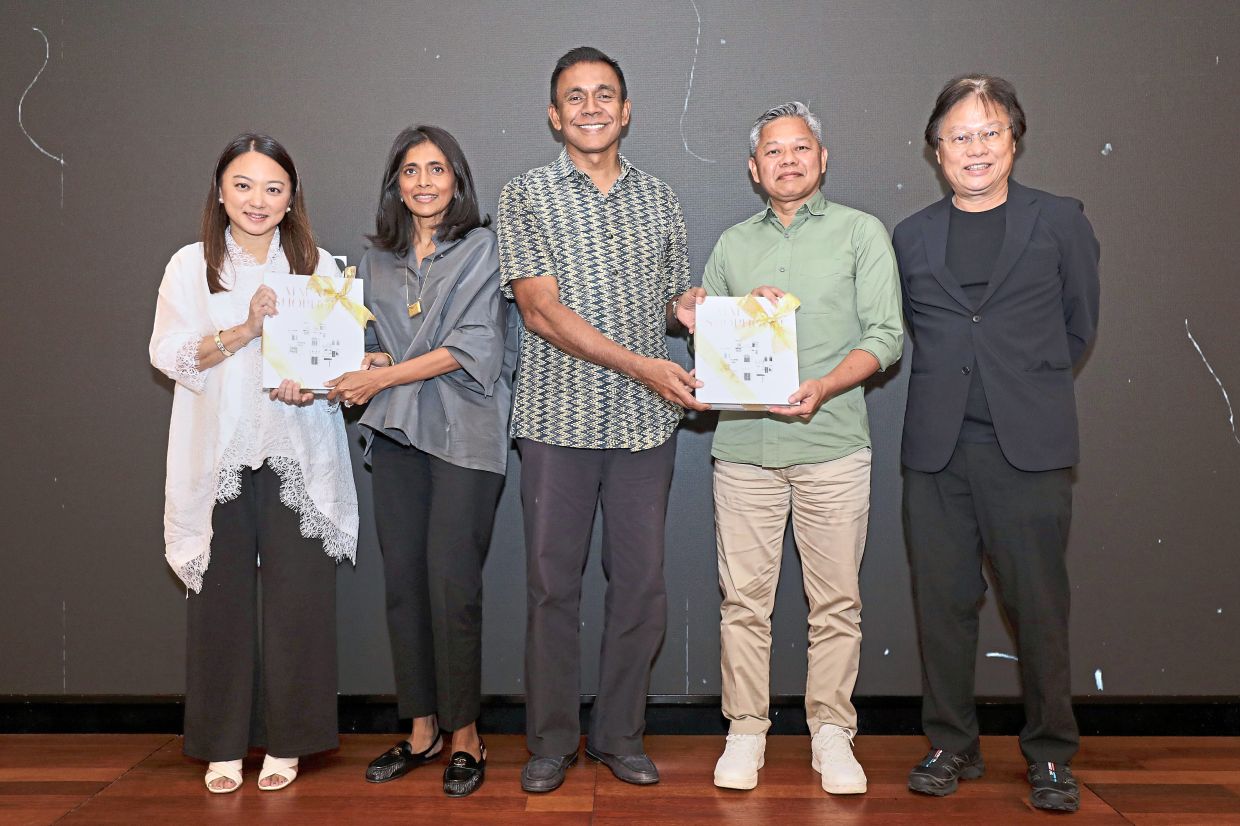
(from left) Yeoh, Shanthi, Brahmal, KL city mayor Datuk Seri Fadlun Mak Ujud and Tan at the 'Medan Pasar: The Old Market Square Of Kuala Lumpur' book launch.
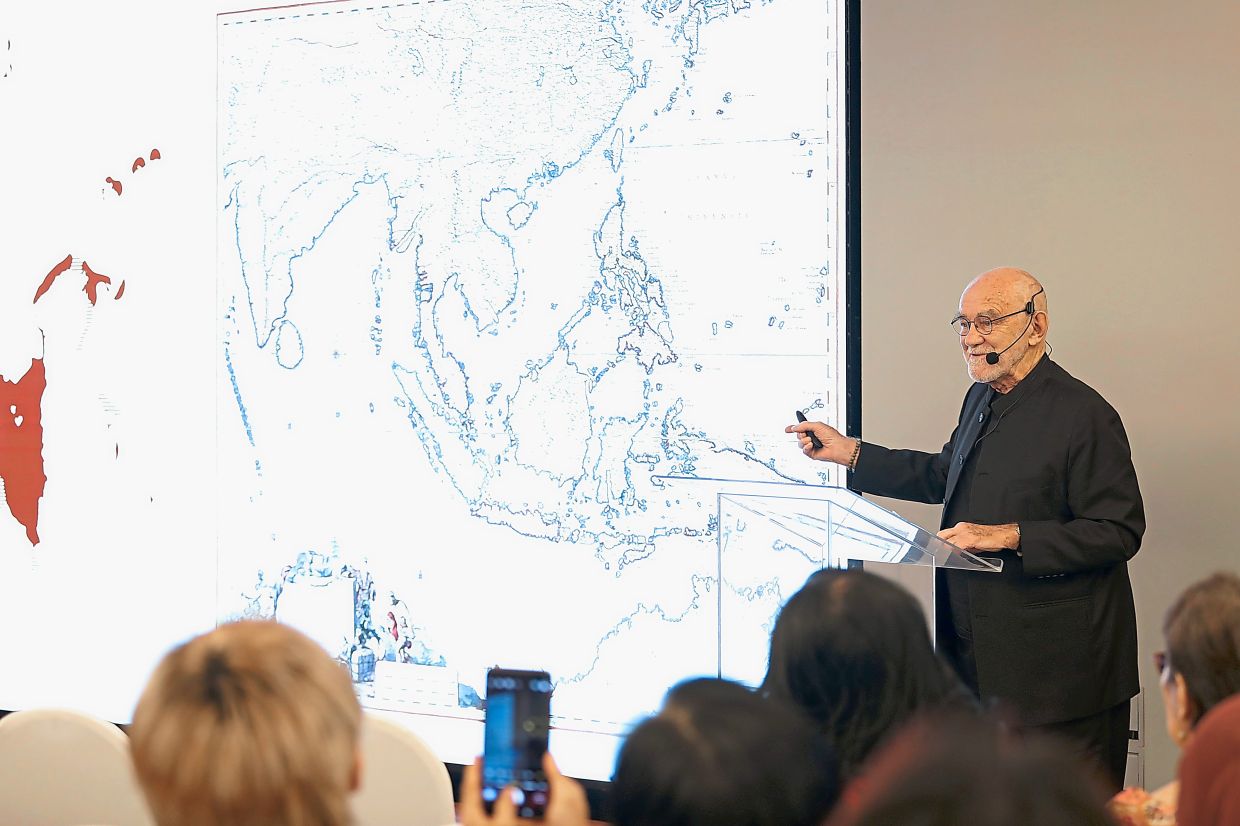
For Prof Powell, research for the book went beyond documenting buildings. It also uncovered lesser-known stories about the people and communities who helped shape Kuala Lumpur.
Tan emphasises the importance of documenting urban history at a time when Kuala Lumpur’s city centre is undergoing renewed transformation.
'Medan Pasar: The Old Market Square of Kuala Lumpur'
Prof Powell with his book 'Medan Pasar: The Old Market Square of Kuala Lumpur'.
(From left) Brahmal, Shanthi, Yeoh, KL city mayor Datuk Seri Fadlun Mak Ujud and Tan at the 'Medan Pasar: The Old Market Square Of Kuala Lumpur' book launch.
Our vision is to bring historic places like Medan Pasar closer to the public by making them more accessible, walkable and vibrant, while preserving their heritage for future generations, says Yeoh.