As Malaysia celebrates its National Day, the country’s architectural landscape offers another source of pride.
The PAM Awards 2026 showcases a profession increasingly confident in creating structures that aren’t only technically accomplished, but responsive to Malaysia’s climate, culture, communities and changing way of life.
Established in 1990, the PAM Awards is regarded as the highest honour bestowed upon the local architectural fraternity. This year, 145 submissions were assessed across 12 categories, with 44 projects shortlisted.
To chief juror Adrianta Aziz, the awards reveal the “growing maturity of architectural thinking in Malaysia”. The jury saw projects that went beyond aesthetics to embrace social responsibility, environmental stewardship, cultural identity and resilience.
A recurring theme was architecture rooted in place, responding thoughtfully to Malaysia’s tropical climate, local context and community needs. Sustainability, too, is increasingly being viewed holistically through passive design, adaptive reuse, material consciousness and environmental responsibility.
“The strongest Malaysian architecture often begins with an understanding of place,” says Adrianta.
That idea is vividly reflected in this year’s gold-winning projects.
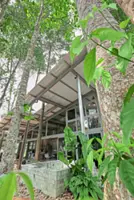
In the Single Residential category, Canopy House by Formzero Architecture demonstrates how a home can coexist with its natural setting. Designed for an artist, the 1.5-storey house sits at the edge of a forest reserve, its sloping roof following the terrain, wrapping around trees.
Only 130sq m of the 870sq m site is occupied, with the rest existing as open green space. Six existing trees pass through roof openings, while glass partitions, deep overhangs and passive ventilation create a fluid relationship between interior and landscape.
For architect Caleb Ong, designing in Malaysia is about expressing a sense of identity.
“It’s a way to express and contribute to our Malaysian identity, while showing the world that our local architecture is thriving, relevant and innovative.”
Also a Gold winner in the Single Residential category, Rainforest Residence by Choo Gim Wah Architect treats the forest as an integral part of home.
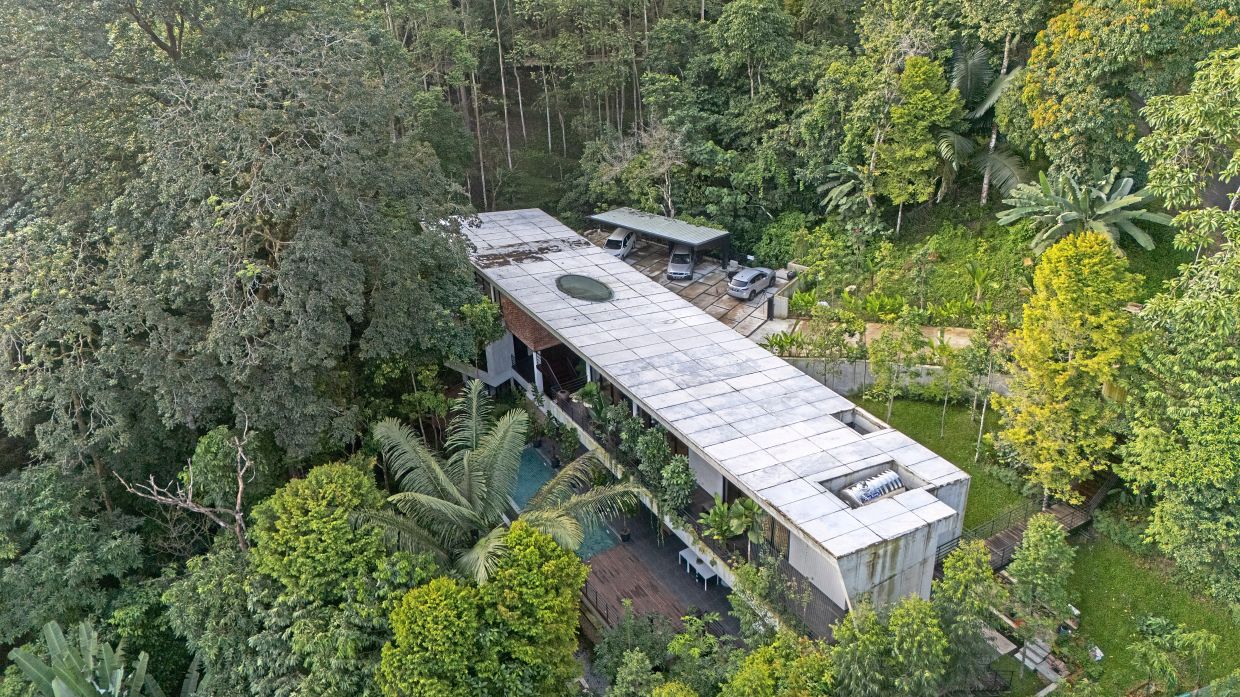
Describing it as “architecture in harmony with nature”, Choo adds that it’s designed for an artist-curator family with spaces for living, working and displaying art.
Built around the site’s existing terrain and trees, the concrete structure hugs the central valley while its interiors open up to the surrounding landscape through full-height glazing and 4.3m sliding doors.
A gallery with an undulating brick wall adds an artistic touch, while raw concrete, brick and timber celebrate material authenticity.
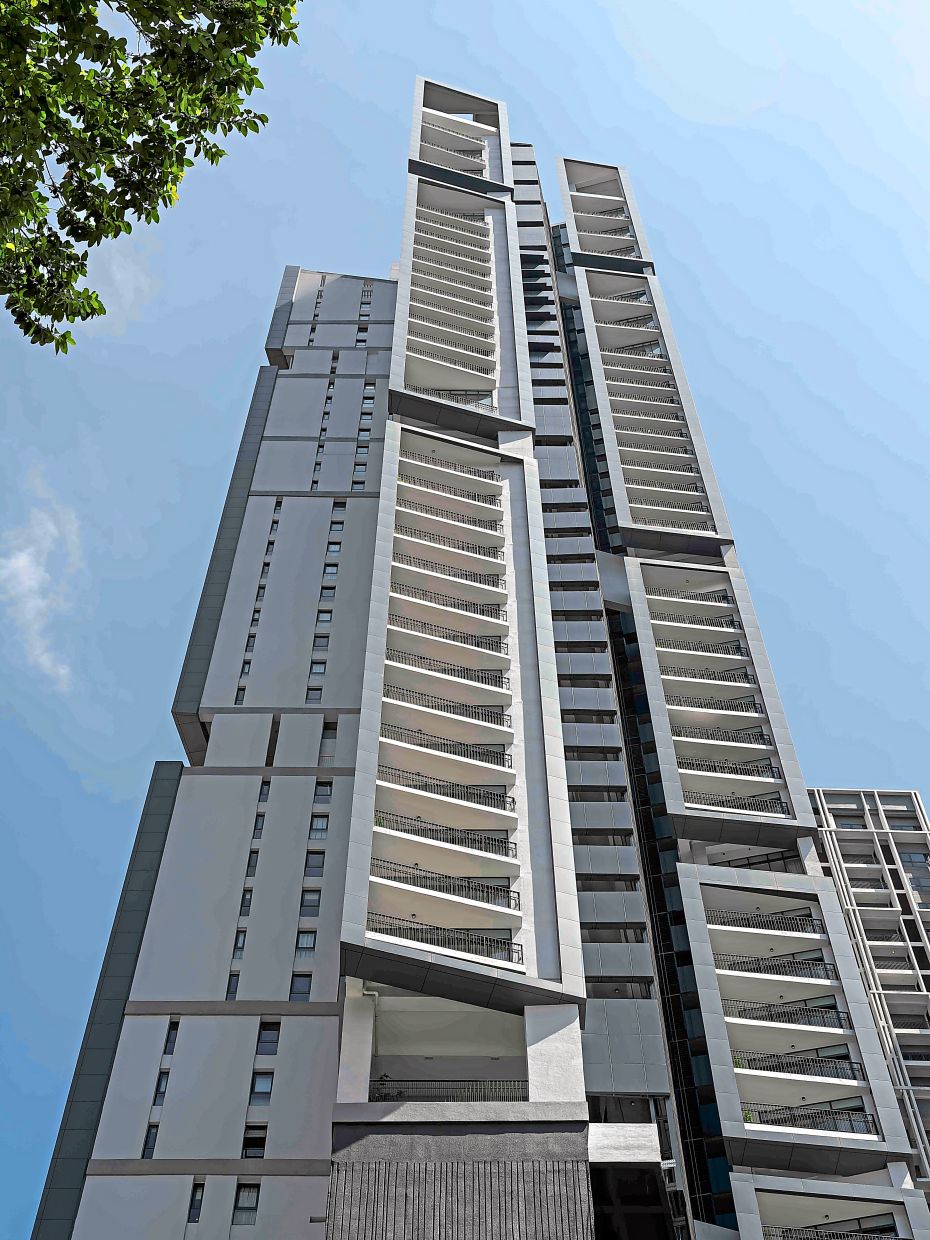
At the other end of the scale is Multiple Residential High-Rise Gold winner Isola Residences by Ken Wong Architect, a 52-storey residential tower in Kuala Lumpur. Rather than creating one imposing mass, the tower is broken into slender vertical elements, where each home occupies an entire floor, preserving views, daylight and ventilation.
On a compact 0.37-acre (0.15ha) site surrounded by tall buildings, the design creates a central “building’s eye” that gives residents a sense of openness.
Wong sees architecture as a social responsibility, noting that people will live with buildings for decades. His hope is to design ones that “have nice stories to tell, age well and take care of the people in them”.
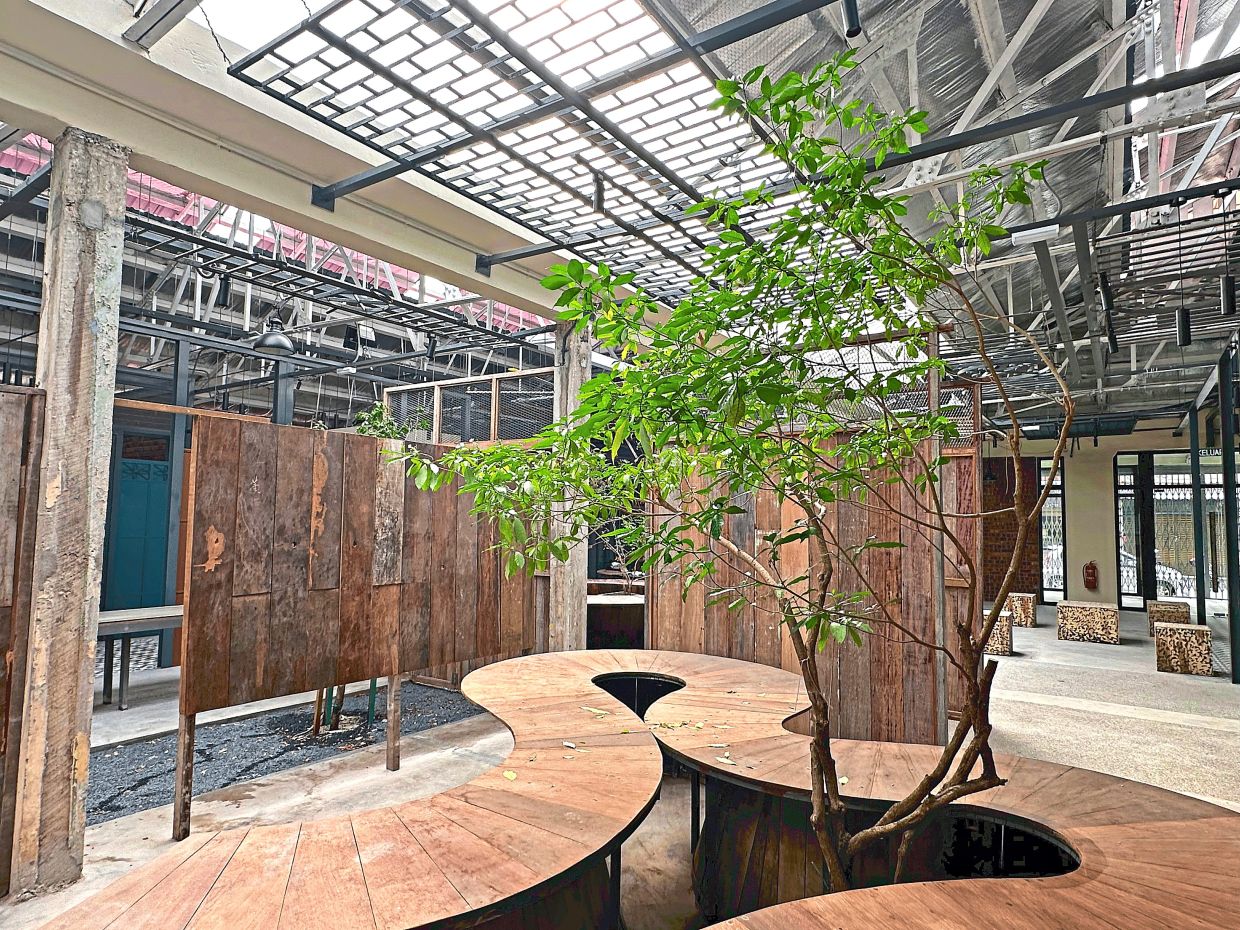
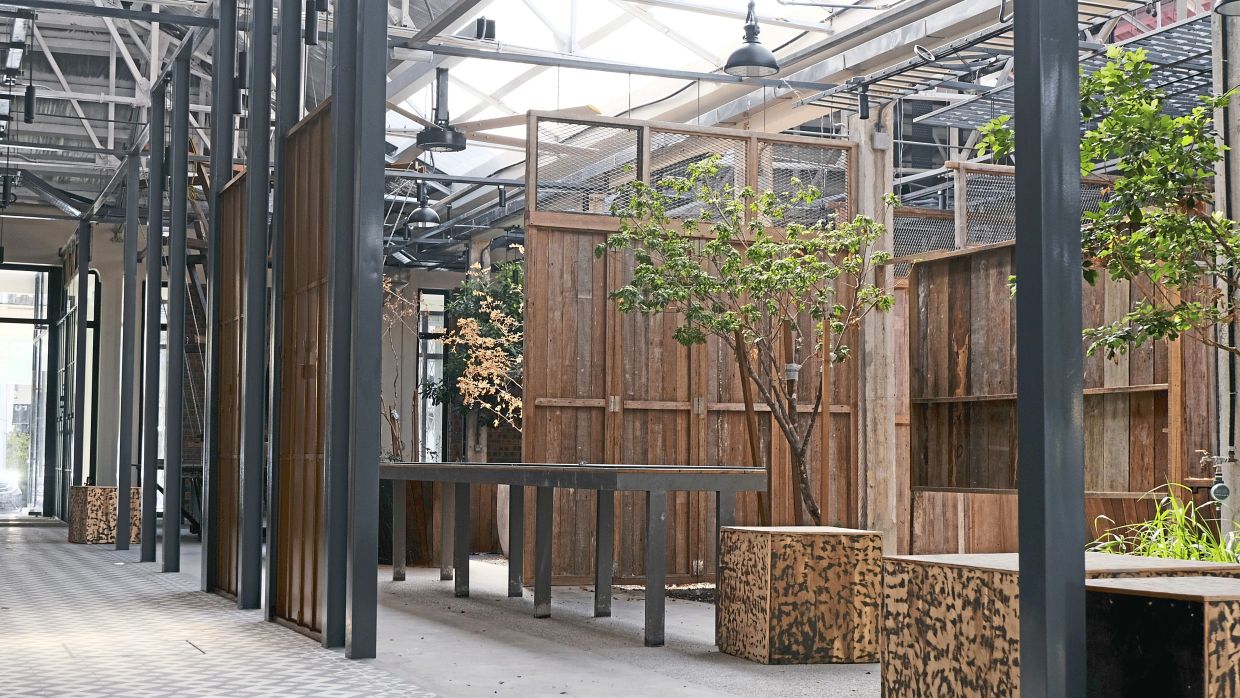
In Penang, Heritage Piccadilly Bazaar by CKHO Architect – which won Gold in the Adaptive Reuse category – takes a different approach to sustainability. Rather than demolishing a damaged heritage structure, it salvages and reuses what remains.
Charred timber, scorched bricks and other remnants of a burned building have been transformed into spaces for restaurants, retail and cultural activities.
Architect Ho Chin Keng calls the approach “heritage salvation”, retaining as much of the building’s memory, materials and character as possible while enabling it to live again.
“Ultimately, we hope people experience the space not just as a new destination, but one where history remains alive, materials are given a second life, and architecture can be sustainable without losing its soul,” he says.
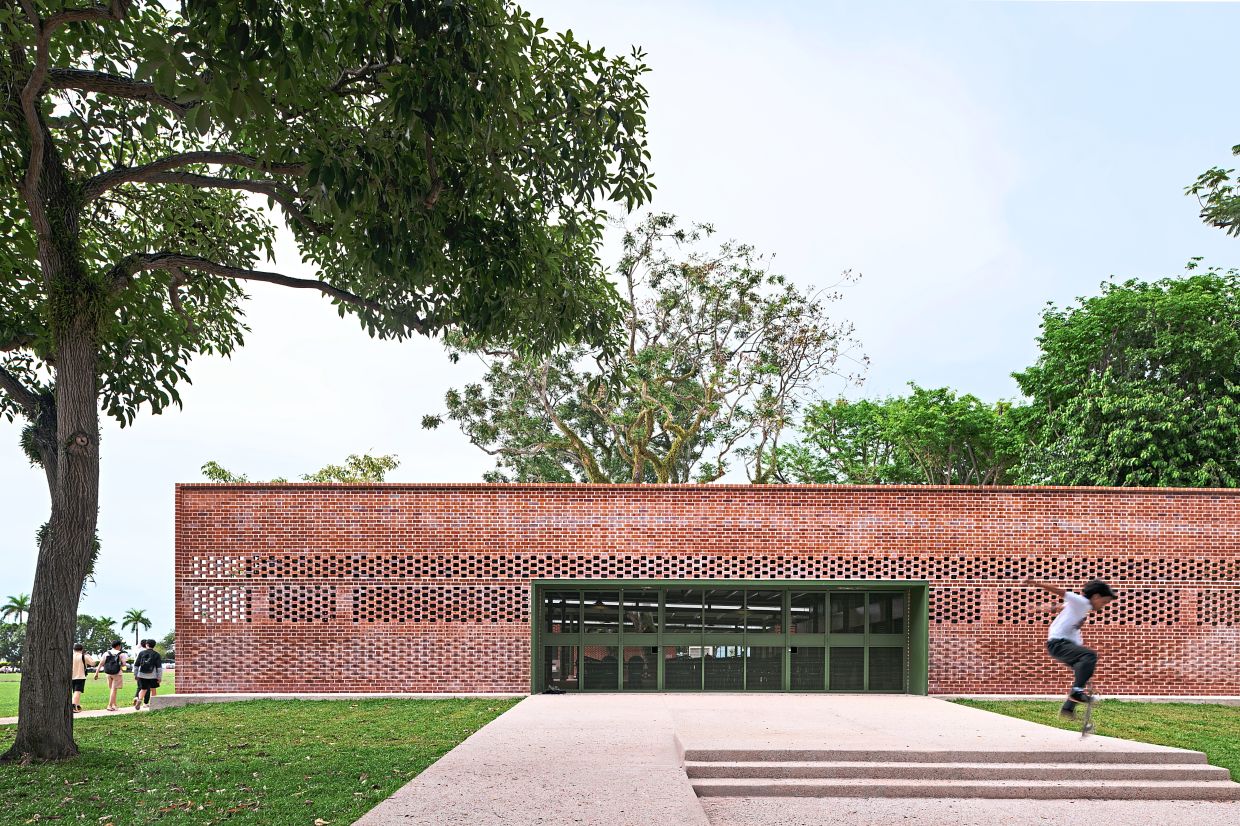
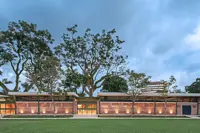
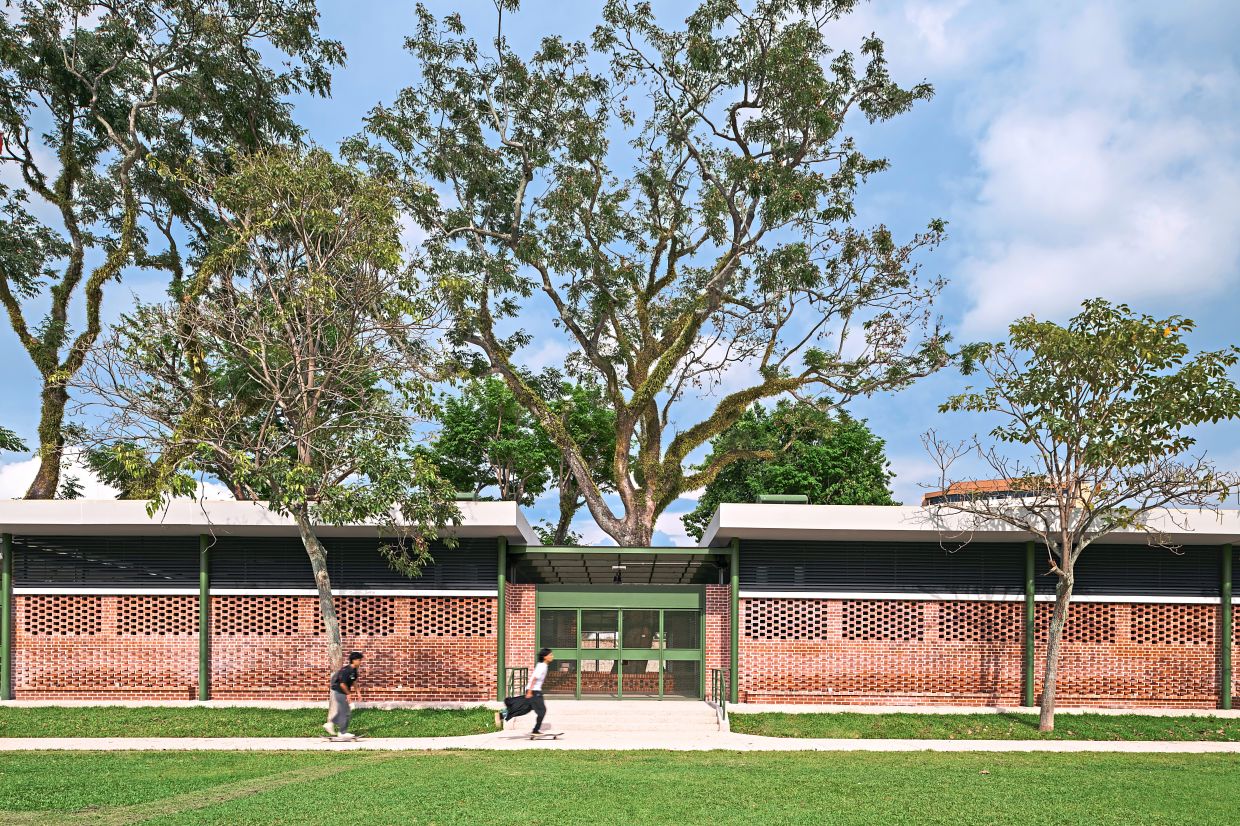
This year’s Building of the Year and also Commercial Low-Rise Gold award recipient, Astaka Kota Selera by EA Architects, shows that meaningful architecture doesn’t have to be monumental.
Located beside Fort Cornwallis within George Town’s Unesco World Heritage zone, the food pavilion was relocated to facilitate the reinstatement of the fort’s historic western moat.
The new structure accommodates 26 vendors while maintaining visual connections to the historic landmark. Trees were retained and integrated into the building, while passive cooling and green infrastructure enhance comfort and resilience.
Architects Lui Sy Ying and Liou Hung Woei say their approach begins with the people who’ll use the building.
“Good architecture isn’t just about aesthetics – it’s about creating spaces that are comfortable, resilient and meaningful for the people they serve.”
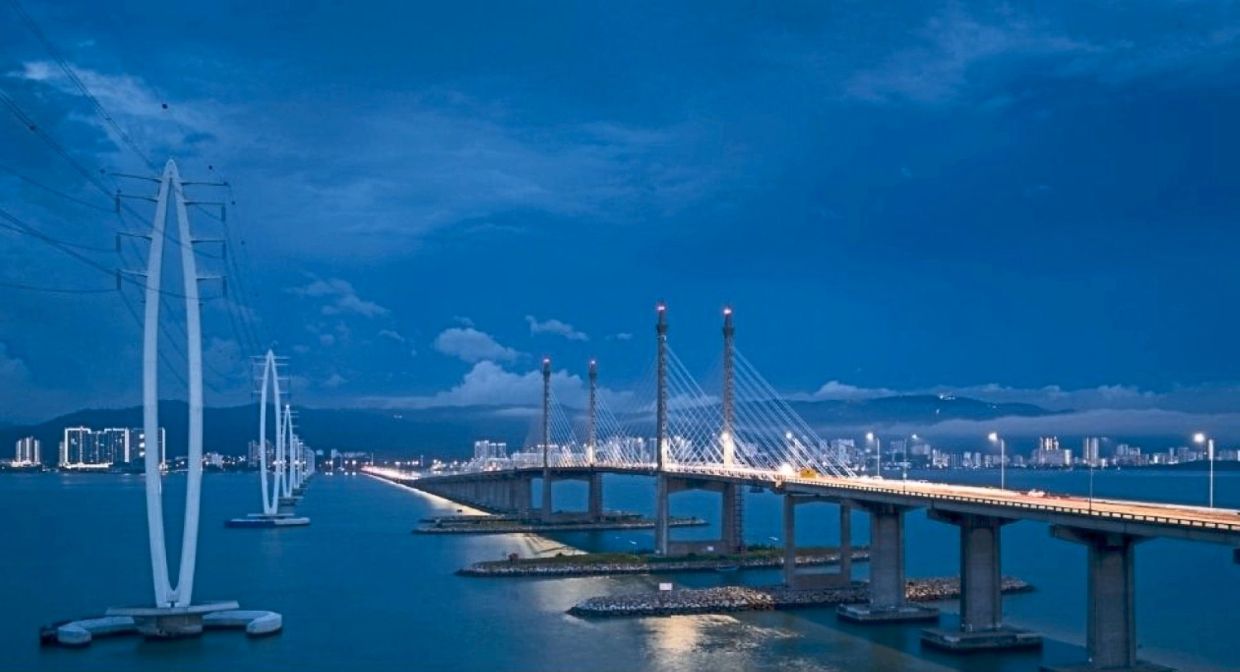
The Special category produced two Gold winners, one being the TNB Monopole Transmission Towers in Penang by TR Hamzah & Yeang.
The 22 transmission pylons, rising up to 125m across the Straits of Penang, are examples of how essential infrastructure can be turned into a visual landmark.
Inspired by the buah pinang and positioned alongside the Penang Bridge, their slender forms combine engineering requirements with a strong sense of place.
Architect Ken Yeang says the challenge was creating a signature design with a reference to Penang.
“Distinctiveness is achieved through the creative interpretation of our respect for culture and customs,” he says. “I believe architecture must be always related to its location and lifestyle at all scales, from planning to construction detail, from urban to rural.”
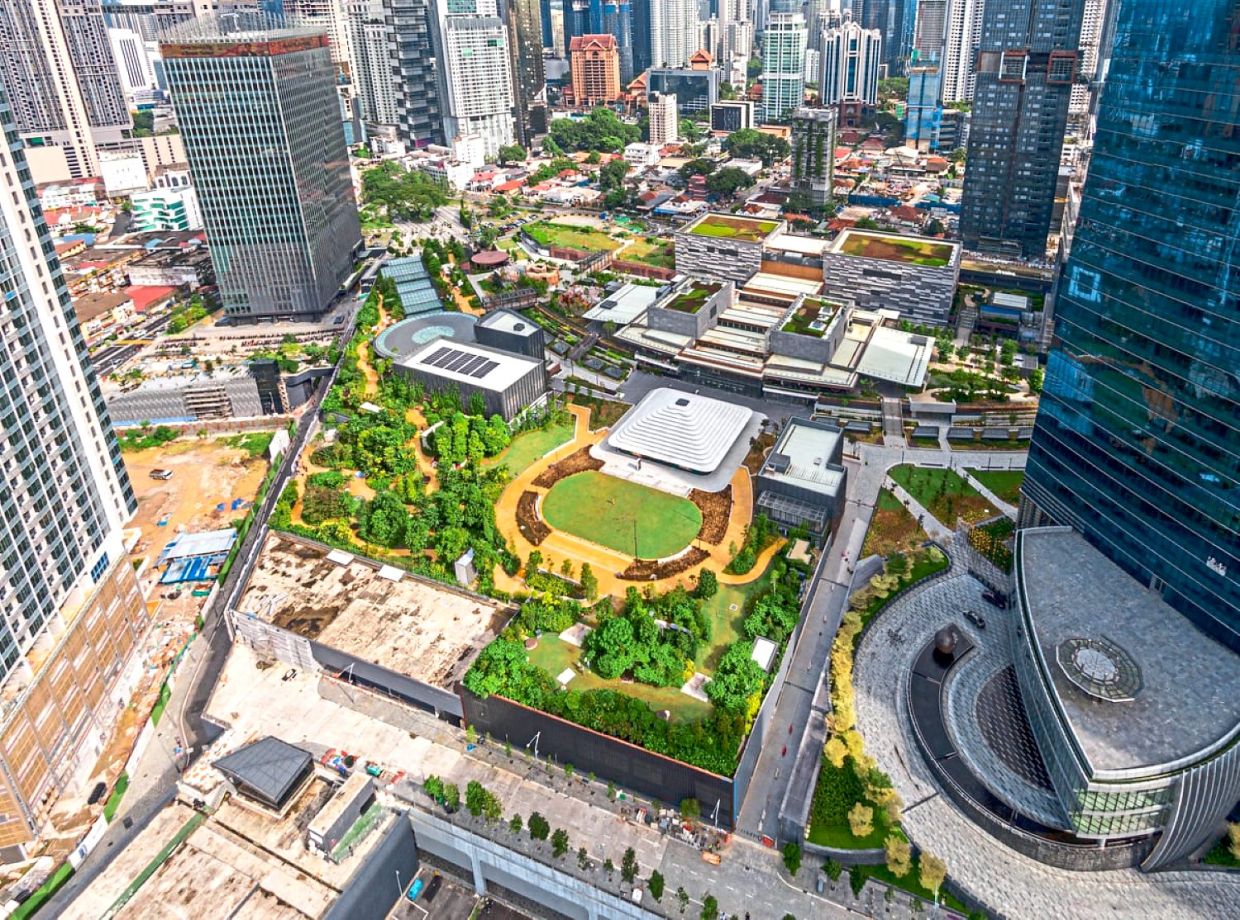
The other Gold awardee, Taman Bandar TRX @ TRX Citypark by GDP Architects & Oculus, expands the idea of what urban architecture can offer.
The over 10-acre (4ha) rooftop public park creates an elevated green oasis in Kuala Lumpur’s dense financial district, combining landscape, recreation, events, retail and public life.
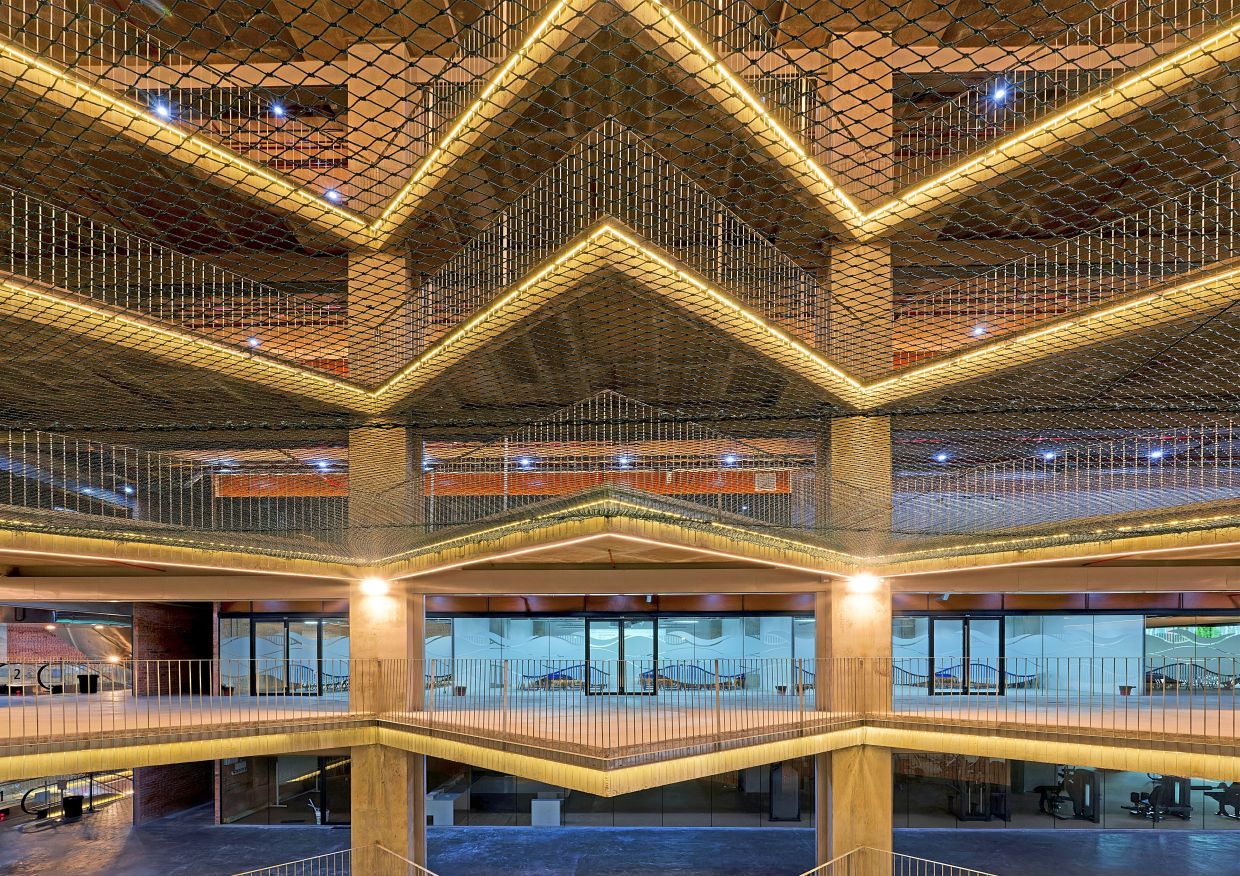
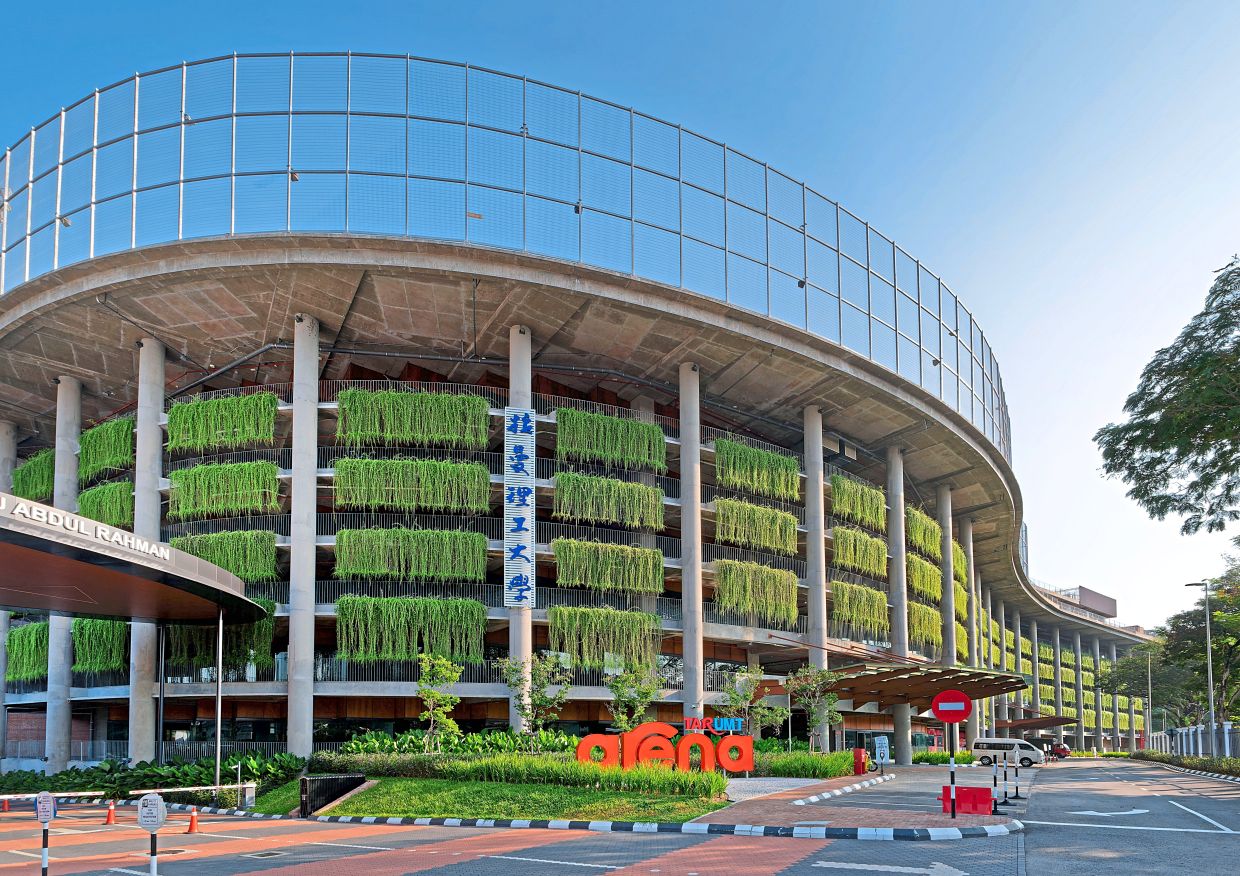
At Tunku Abdul Rahman University of Management and Technology, The Arena by DrTanLM Architect integrates sports, education, recreation, retail and social interaction in a new campus hub.
Inspired by the Roman Colosseum, the circular development is designed to draw people together, while a Student and Innovation Centre supports collaboration and entrepreneurship.
Winning Gold in the Education as well as Sustainable Development categories, it incorporates sustainability through passive strategies, energy-efficient systems and durable materials.
Tan describes it as “a new generation of multi-use building that is grand but welcoming and accessible to all”.
To him, architecture is closely tied to nation-building.
“Architects are nation builders,” he says. “Malaysian buildings should be rooted in local culture and way of life, tropical climate and the need for resilience in the face of climate change.”
For Adrianta, Malaysian identity isn’t just about decorative motifs or historic forms. It can emerge through responses to the country’s tropical climate, community, craftsmanship and cultural diversity.
As Malaysia celebrates its National Day, he believes the profession should have “the courage to create architecture that is unmistakably Malaysian – rooted in our place and culture, responsive to our tropical environment, yet progressive enough to contribute confidently to the global architectural conversation”.
Perhaps that is the most fitting message from the 2026 PAM Awards: building for Malaysia is not only about creating landmarks. It is about “creating places that understand where they are, serve the people who inhabit them, respect what came before, and remain relevant to those who come next”.
Celebrating design excellence
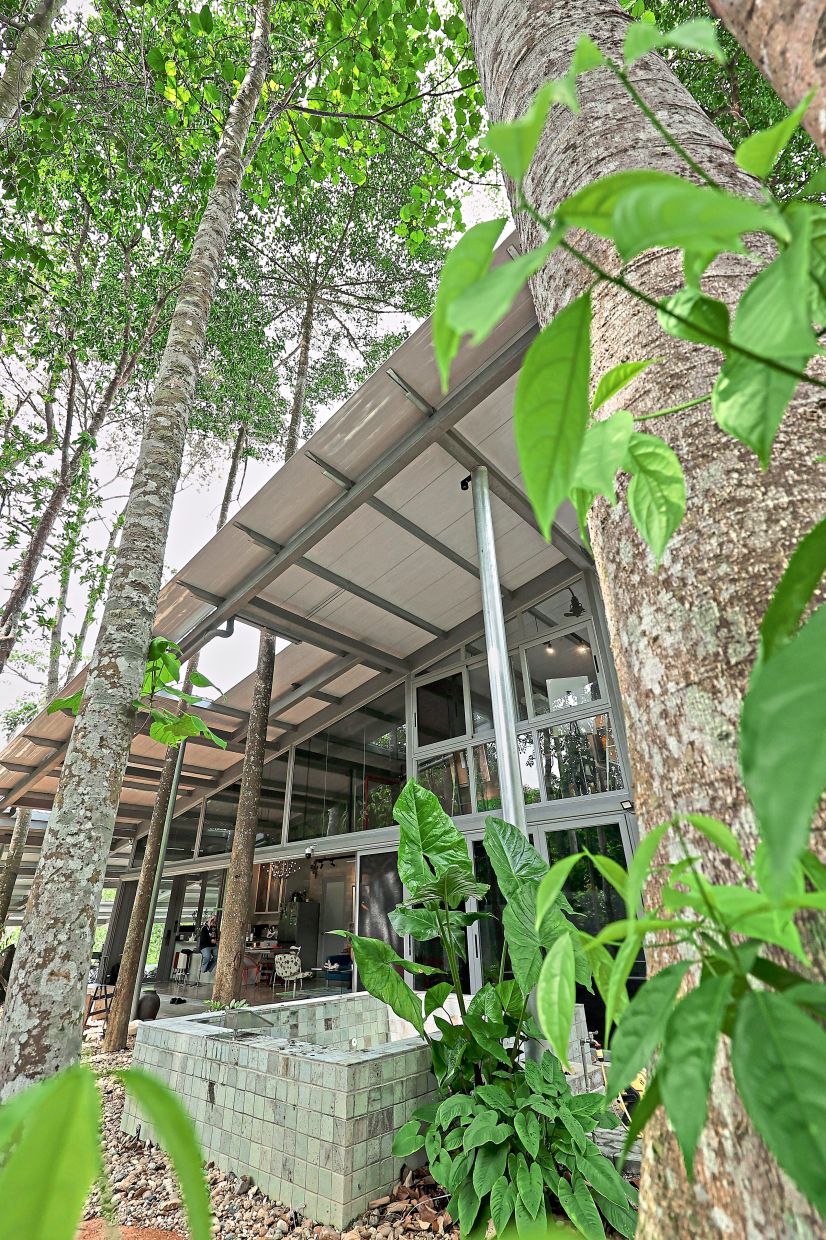


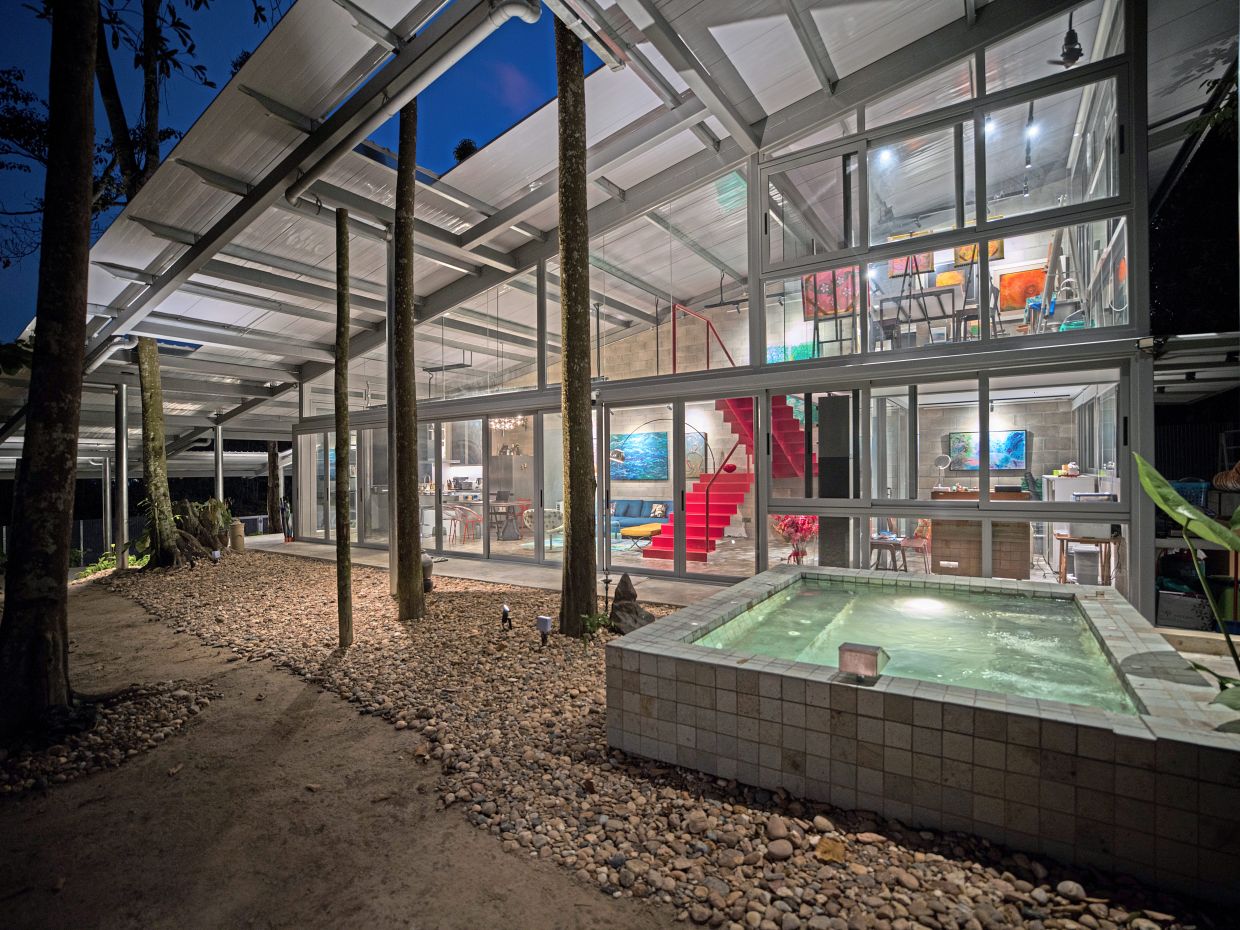
The 1.5-storey Canopy House sits at the edge of a forest reserve, its sloping roof following the terrain, wrapping around trees.
The TNB Monopole Transmission Towers (left) run parallel to the Penang Bridge. Photo: Yzhensiang Photography
The design of the TNB Monopole Transmission Tower Penang by TR Hamzah & Yeang is inspired by the buah pinang. Photo: Yzhensiang Photography
Heritage Piccadilly Bazaar by CKHO Architect. Photo: CKHO Architect
The Heritage Piccadilly Bazaar project demonstrates how adaptive reuse preserves memory while giving an old structure contemporary purpose. Photo: CKHO Architect
Astaka Kota Selera by EA Architects. Photo: Twjpto Studio
In the Astaka Kota Selera project – named Building of the Year – trees were retained and integrated into the building. Photo: Twjpto Studio
TAR UMT Arena by DrTanLM Architect. Photo: Lin Ho
The TAR UMT Arena integrates sports, education, recreation, retail and social interaction in a new campus hub. Photo: Lin Ho
An overview of Taman Bandar TRX @ TRX City Park. Photo: GDP Architects & Oculus
At the Isola Residences, the tower is broken into slender vertical elements, where each home occupies an entire floor, preserving views, daylight and ventilation. Photo: David Yeow Photography
Rainforest Resort by Choo Gim Wah Architect. Photo: Pixelaw Photography
The Rainforest Resort is built around the site’s existing terrain and trees. Photo: Pixelaw Photography
Canopy House by Formzero Architecture. Photo: Ameen Deen Photography