
Eating disorders (EDs) often remain hidden behind supposedly ordinary lives, with young people battling food, body image and self-worth in silence.
For 19-year-old Priya A., it began with something harmless: trying to eat better.
She became increasingly strict about food, believing she was being healthy and disciplined. But the more she restricted her eating, the more she lost control around food. Bingeing was followed by guilt, shame and purging.
For two years, she lived with bulimia nervosa while attending university, meeting friends and living what appeared to be an ordinary young life.

“From the outside, I probably looked completely normal,” says Priya, now 27. “Nobody knew what was happening behind closed doors.”
She became adept at hiding her struggles and for a long time, didn’t even realise she was ill.
“I thought I just had no self-control. I’d promise myself, ‘Tomorrow I’ll be better and eat properly.’ Then it would happen again, and I’d hate myself for it,” she reveals.
Priya’s experience highlights a key challenge in recognising EDs among young people: they do not necessarily have a particular “look”.

Clinical psychologist Dr Darlina Hani Fadil Azim, who is head of the Psychology and Counselling Department and a senior lecturer at IMU University, says EDs are increasingly seen among adolescents and young adults.
A study entitled, “Estimated Prevalence of Eating Disorders in Malaysia Based on a Diagnostic Screen” (Chua Sook Ning et al, 2022/2023), found that over half of adults surveyed reported symptoms or behaviours associated with EDs.
The proportion meeting diagnostic criteria for anorexia nervosa, bulimia nervosa, binge-eating disorder and avoidant/restrictive food intake disorder ranged from 0.1% to 4.8%. About 14% of university students were at high risk of developing an ED.
But numbers tell only part of the story.

“They usually arise from an interaction of different factors, including biological and genetic vulnerability, psychological and developmental factors, family or interpersonal environments, and wider sociocultural influences,” she says.
Individual vulnerabilities may include perfectionism, low self-esteem, depression, anxiety, neurodevelopmental issues, trauma and adverse childhood experiences. A history of dieting, weight-based teasing or bullying, or higher premorbid weight may also increase the risk of certain EDs.
For some young people, controlling food becomes a way of coping with difficult emotions or uncertainty.
Dr Darlina says young adults aged 18 to 29 can be particularly vulnerable as they navigate major life transitions, such as leaving home, starting university or a career, becoming financially independent and forming relationships.
“When emotional pain feels too abstract or unbearable, the physical focus on the body provides a tangible problem to ‘fix’,” she says.
Social media adds another layer, exposing young people to curated images and messages that equate thinness or muscularity with attractiveness, success and self-discipline.
However, Dr Tee cautions against viewing social media or diet culture as direct causes of EDs. Rather, these influences may interact with existing vulnerabilities.
For Priya, the struggle eventually became about much more than appearance.
“It was about control, anxiety, self-worth and feeling like I wasn’t good enough,” she says. “Every time I purged, I thought I was getting that control back. In reality, the disorder was controlling me.”

Chan Ai Nee, 22, never imagined she would develop an ED. She associated anorexia nervosa with people who were extremely thin and visibly unwell, unaware that her own experience was less obvious.
It began with growing concerns about her body and increasingly restrictive eating.
“Eventually, I felt I was no longer making choices about food,” she says. “The ED was making them for me.”
Chan continued attending classes, meeting friends and spending time with family, as though everything was fine. This made the illness easier to conceal.
Perfectionism also extended beyond her appearance, while the ED gave her a false sense that following strict rules could help her control everything.
Even when people noticed she was slim, comments such as “You’re already so slim, why are you still worried?” didn’t ease her thoughts.
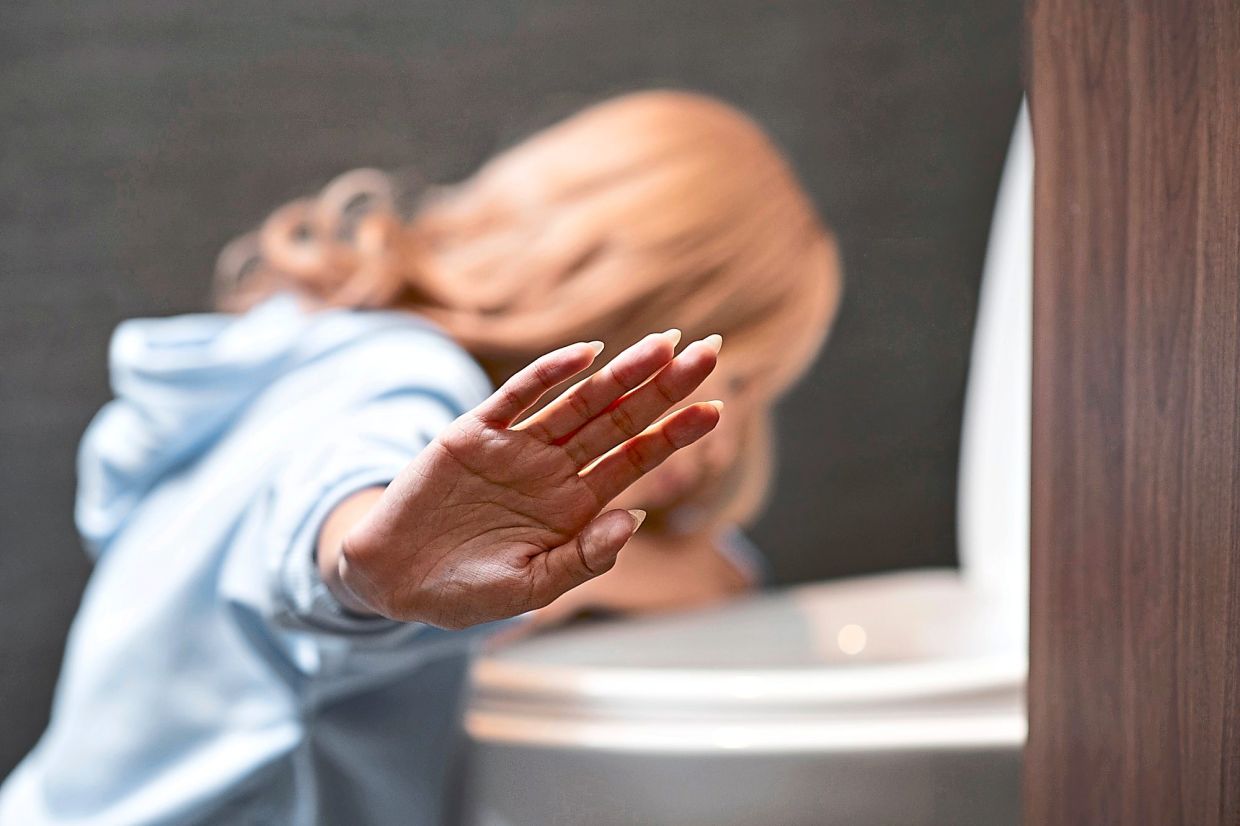
Dr Tee stresses that weight and appearance should never be the sole measures of whether someone has an ED. While anorexia may involve low body weight, people with bulimia or binge-eating disorder may have a normal or higher body weight.
“A young person can have an ED even if they aren’t underweight or overweight,” she explains.
Early warning signs include avoiding meals, frequent calorie or body checking, excessive exercise, fear of gaining weight, mealtime anxiety and social withdrawal.
Physical symptoms include fatigue, dizziness, feeling cold, constipation, hair and skin changes, menstrual disturbances and changes in heart rate or blood pressure.
Dr Darlina also highlights behavioural clues such as cutting food into very small pieces, rearranging food excessively, taking unusually long to eat, insisting on eating alone, disappearing after meals or secretly hoarding food.
However, these signs may not always be obvious, as some can resemble dietary or lifestyle changes.
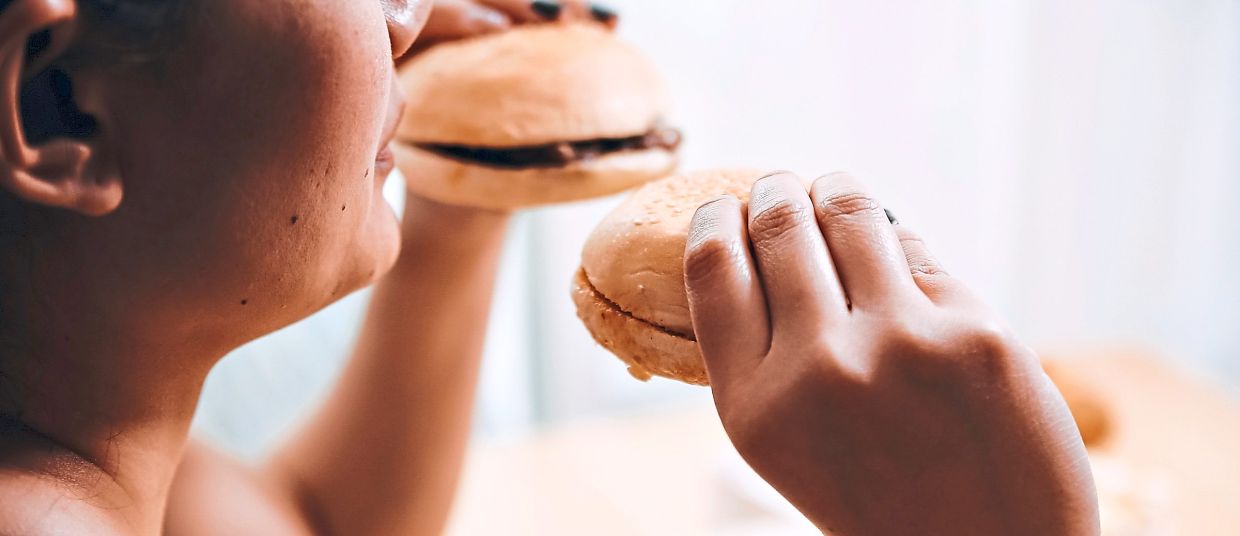
In Malaysia, food is deeply woven into family and social life.
“Dah makan?” is a familiar expression of care, while meals are central to celebrations and gatherings. People also often comment on changes in appearance or how much someone eats.
For someone struggling with an ED however, these everyday interactions become complicated.
Priya recalls comments about weight and appearance that were sometimes intended as jokes or casual observations.
“’Wah, you’ve gained weight’ or ‘You look so much better when you’re thinner’ seem harmless to the person saying them, but can linger in the mind of someone already struggling with body image,” she shares.
Dr Darlina says comments about weight can contribute to body dissatisfaction, internalised weight stigma and restrictive dieting.
At the same time, restrictive eating may be praised as healthy eating or dismissed as a personal dietary preference, making it harder to recognise when a young person is struggling.

For Chan’s mother, recognising the illness was not immediate.
“When you’re a mother, you think you’ll know or notice when something’s wrong with your child,” she says.
Initially, she thought her daughter was simply being careful about what she ate. When she realised Chan was struggling with anorexia, she experienced confusion and guilt.
“I kept asking myself, ‘Why didn’t I notice it earlier? Was it something I did?’”
Over time, she learnt that an ED is more complex than a parental comment or a young person wanting to lose weight.
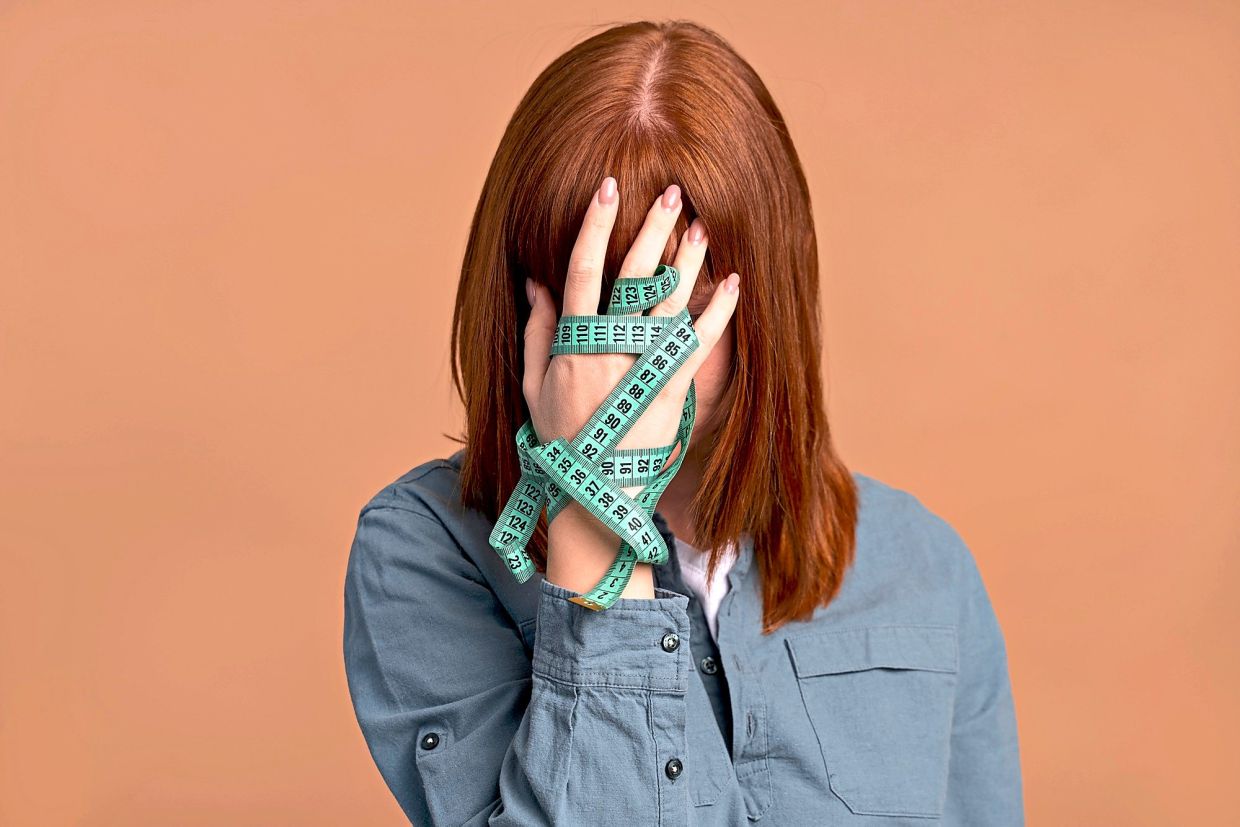
Telling someone with anorexia to “just eat” doesn’t address the issue either.
“I had to understand that telling her to eat more didn’t address the distress she was experiencing,” she says.
Instead of trying to fix the problem, she started listening to and supporting her daughter as the latter received professional treatment.
Chan is currently seeing a psychiatrist. Her mother has also learnt not to judge recovery by appearances alone.
“As a mother, you naturally look at your child and think, ‘She looks better today.’ But recovery isn’t something you can always see from the outside.”
Dr Darlina advises parents to approach concerns with compassion rather than blame. Instead of judging, they can describe what they have observed, such as missed meals or signs of fatigue.
“Choosing a quiet, private time to talk, using ‘I’ statements and avoiding comments about weight, ultimatums or turning mealtimes into battles can help create a safe space for communication.”
Professional help shouldn’t be seen as a punishment or handing the child to someone else to “fix”. Family involvement remains an important part of recovery.

Chan is learning to distinguish between the ED and the difficult emotions beneath it.
“There are still days when the thoughts are very loud,” she says.
She has also discovered that recovery can involve grief or sadness.
“You can miss the routines and rules that made you feel safe, even when you know they were hurting you.”
Priya’s recovery has similarly been gradual. After opening up to people she trusted and seeking help, she learnt to eat without guilt and understand that a meal didn’t determine her worth.
Today, she can have dinner with friends, eat birthday cake and socialise without feeling she has to “earn” her food.
“Those things might sound ordinary to others,” she says. “To me, they represent freedom.”
Dr Tee says treatment depends on the individual and severity of the disorder.
It may involve medical and psychiatric care, psychotherapy and nutritional rehabilitation, with family support playing an important role.
Early intervention is particularly crucial for adolescents who are still growing and developing.
Even those who aren’t extremely underweight may experience health complications following rapid or substantial weight loss. Prolonged energy deficiency can affect reproductive function and bone health, while anorexia may also affect growth.
Untreated EDs can further affect mood, concentration, academic performance, friendships and everyday activities.
“EDs are treatable and full recovery is possible when help is sought early,” says Dr Tee.
Dr Darlina adds that if thoughts about food, weight and body image are consuming a young person’s daily life, their struggle is valid.
Perhaps the most important lesson from the young women is to not wait until something drastic happens before seeking help.
“I wish I’d asked for help earlier,” they conclude. “There’s no shame in asking for help. You don’t have to wait until you hit rock bottom to seek help.”