For theatre practitioner and writer Adelia Khalid, building a career in the arts also means addressing the harassment and injustices that threaten the safety and livelihoods of creative practitioners.
This conviction led her to establish Seniwati, an independent feminist arts and advocacy collective working to create safer, more equitable spaces for women through theatre, film and visual art.
She has invested her own resources, time and effort in creating safer spaces for the arts. Among its initiatives is the Pentas Protection Program, a survey examining safety and abuse across eight arts sectors, where she serves as research lead.
The recent Seniwati Solidarity gathering at Dataran Merdeka in Kuala Lumpur on Oct 11 demonstrated how the arts can serve as a vehicle for social change. It called for policies and guidelines to hold perpetrators of violence in the arts accountable, as well as mechanisms to protect survivors who speak out.
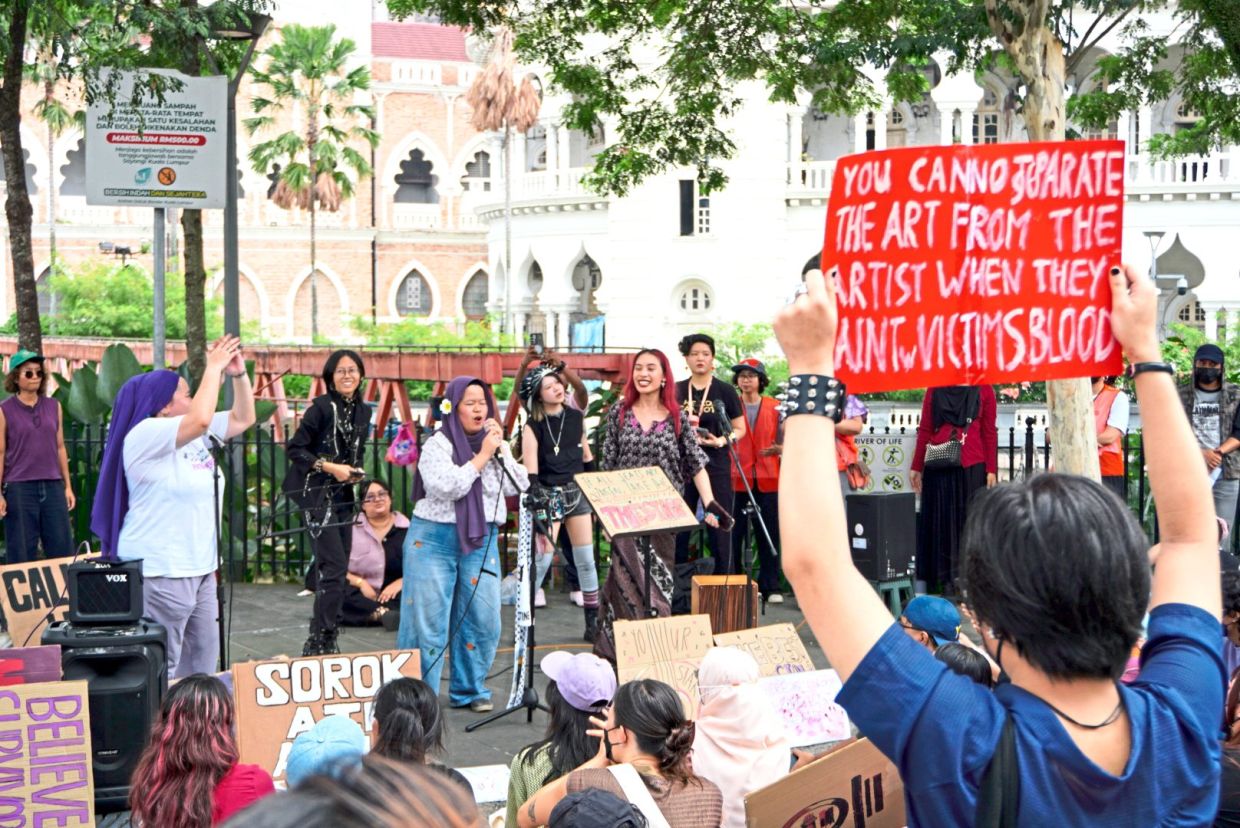
“I believe performing arts is an easier way to talk about uncomfortable topics like sexual harassment, topics that people perhaps don’t have the bravery to speak up about, not just in conversation, but in crafting 'palatable' scripts for theatre. But instead of curating the language to make it more accessible for audiences, Seniwati curates the venue, setting and space,” says Adelia, 25, in a recent interview.
Established in March this year in collaboration with independent KL theatre collective EJKLS Seni, Seniwati quickly expanded its reach to universities and other performing arts spaces.
Playwright Nabilah Baharin, poet and director Effa Qamariani, musicians Takahara Suiko and Noel Ng, and actress Tengku Hadhira are among the creatives who have joined the cause.
Seniwati's flagship projects include Pentasnita, an all-women theatre incubator lab in collaboration with EJKLS Seni, and Wayangnita, a film archive curated under Freedom Film Network's Emerging Curators Lab programme.
Other initiatives include Seniwati Sessions, which offers accessible arts events, and Kakak Connects, which brings creative workshops to lower-income children during Women of Will Community Day events.
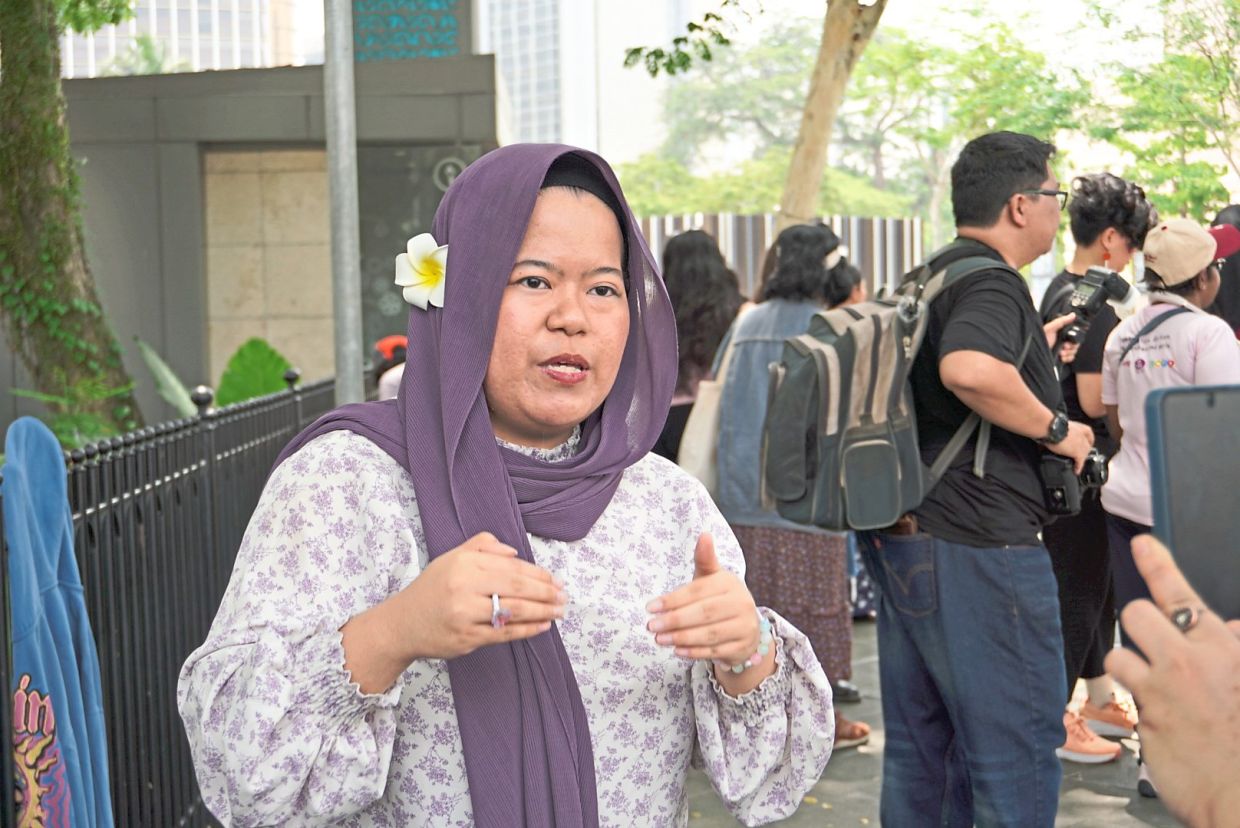
Together, these programmes seek to make the arts more accessible, extending beyond creative practice to address the practical skills needed to sustain a career.
“While there are many workshops that help make you a better writer or actress, I feel like the industry in Malaysia is not at the level where it can be only about technical skills, but it should include how to market yourself, how to navigate creative contracts, to protect your income and the necessary know-how needed to operate in the creative industry, which can make or break a career, especially a woman,” she explains.
On Oct 23, Seniwati will present the Wayangnita Film Archive, screening short films by women filmmakers as a starting point for discussions on keeping film sets safe.
The programme is part of the Freedom Film Festival 2026 at Nero theatre, PJPAC in Petaling Jaya.
The films will also be used at universities, while NGOs and women's organisations are encouraged to draw on the archive for awareness and training programmes.
“There have been many cases of aspiring arts practitioners who leave before they even get a chance to create something fulfilling. The people who seek arts as a way of moving on from terrible past experiences end up disheartened and traumatised. To all the women who have gone through that experience, I hope that Seniwati will be the space where you rediscover your passion for arts, as I did,” she concludes.