A lot can change in a decade. Things and places once familiar may no longer be as we remember them, or may have disappeared altogether.
In her new solo exhibition, Missing From The Scene, contemporary artist Sharon Chin presents a new body of work that traces these shifts – some palpable, others more subtle – that she has observed in her surroundings in Port Dickson, Negri Sembilan, where she currently lives.
Curated by Eric Goh, the exhibition is showing at The Back Room gallery, Zhongshan Building, Kuala Lumpur, until Nov 1.
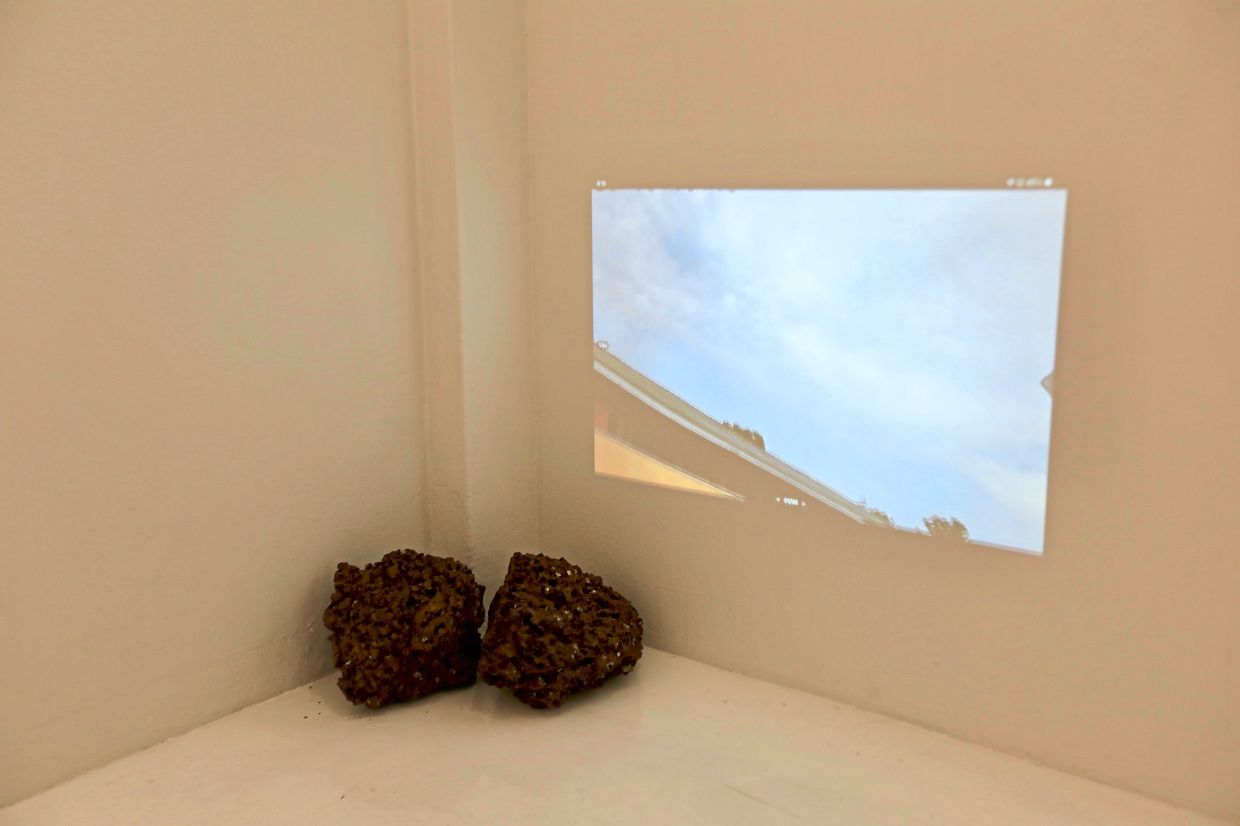
The exhibition features wayang kulit-inspired puppets, collagraph prints made from those puppets, and linocut prints depicting habitats from which the animals that once lived there are conspicuously absent. Working primarily with handmade processes and materials, Chin embraces the tactile, labour-intensive nature of these mediums, allowing the works to carry a sense of physical presence and community.
Set against a live feed (video) of an oil refinery’s flare stack visible from Chin’s home, these elements come together to weave an intricate narrative about loss, absence and the need to embrace change.
Alongside the exhibition, Chin is conducting a survey among local artists, posing the question, “What/who is missing from the scene?”, to spark a wider conversation about what – and who – is missing from Malaysia’s arts scene.
A visual metaphor
“The intention here is not to dwell in grief or grievance, but to recognise and name it, so that we can start to address it,” says Chin, 46, in a recent interview at the gallery.
Missing From The Scene is made up of three series of works: Missing Actors, Holding Form and Restless Spirits.
Chin first began developing the Missing Actors series from linocuts she originally created for Creatures Of Near Kingdoms, a 2018 book illustrating 75 animals and plants native to South-East Asia, which she published with her partner, writer Zedeck Liew.
In the new series, however, the main characters have “left” their scenes, leaving empty spaces where they once thrived.
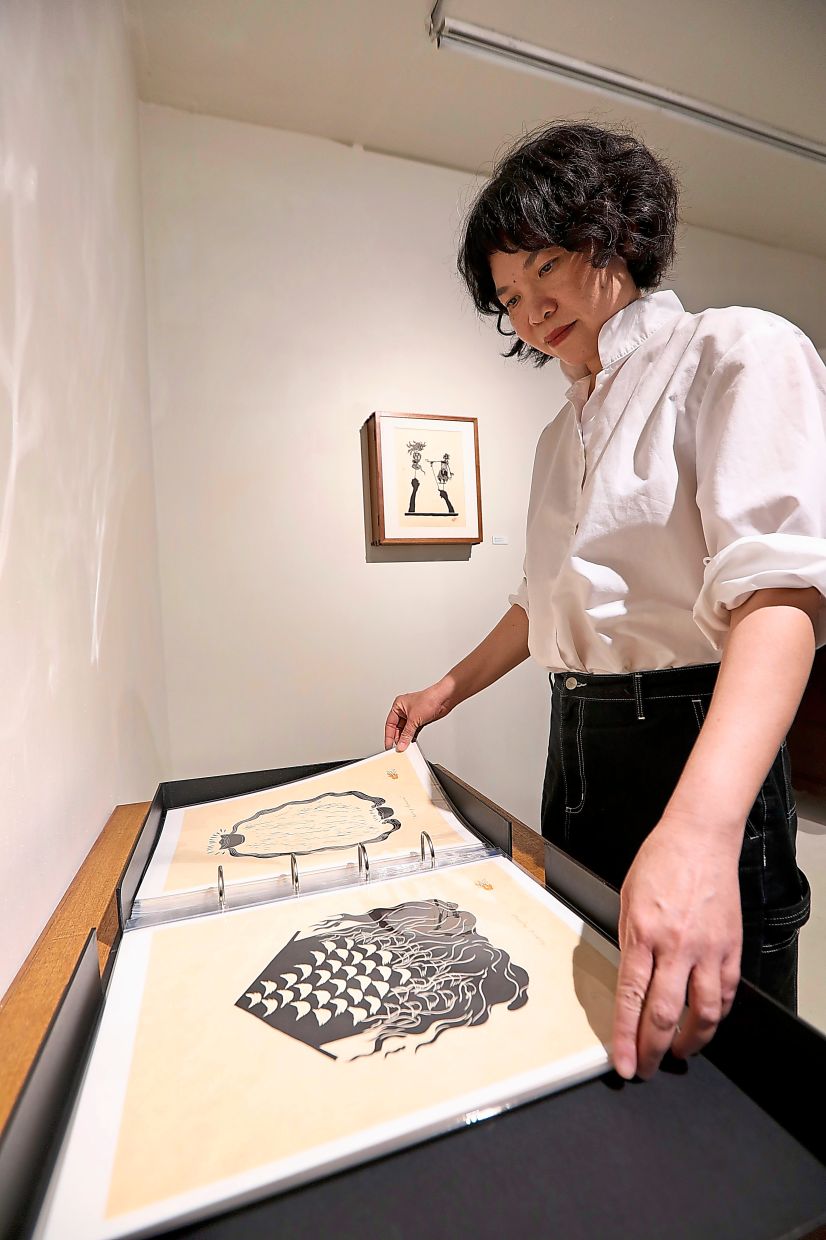
“It’s basically a visual metaphor for the changes I’ve been seeing over the years. When we first started working on the book in 2016, it had been about five years since we left KL for Port Dickson,” says Chin.
“The move had brought us much closer to the local flora and fauna. It’s certainly not like the city – we literally have squirrels coming in and out of the house,” she adds with a chuckle.
Even in a small-town setting like Port Dickson, the surroundings have notably changed.
“Those encounters with the wildlife were very inspiring. But now, a decade later, I can’t pretend as if things are the same as they were. So this series is a response to the present day – to the changes in my own life, but also in the wider environment that we see around us,” she says.
Missing From The Scene also reflects Chin’s commitment to incorporating sustainable practices into her creative process.
The exhibition space is furnished with antique pieces they already owned, refurbished specifically for the show, alongside rust-coloured rocks “borrowed” from local beaches.
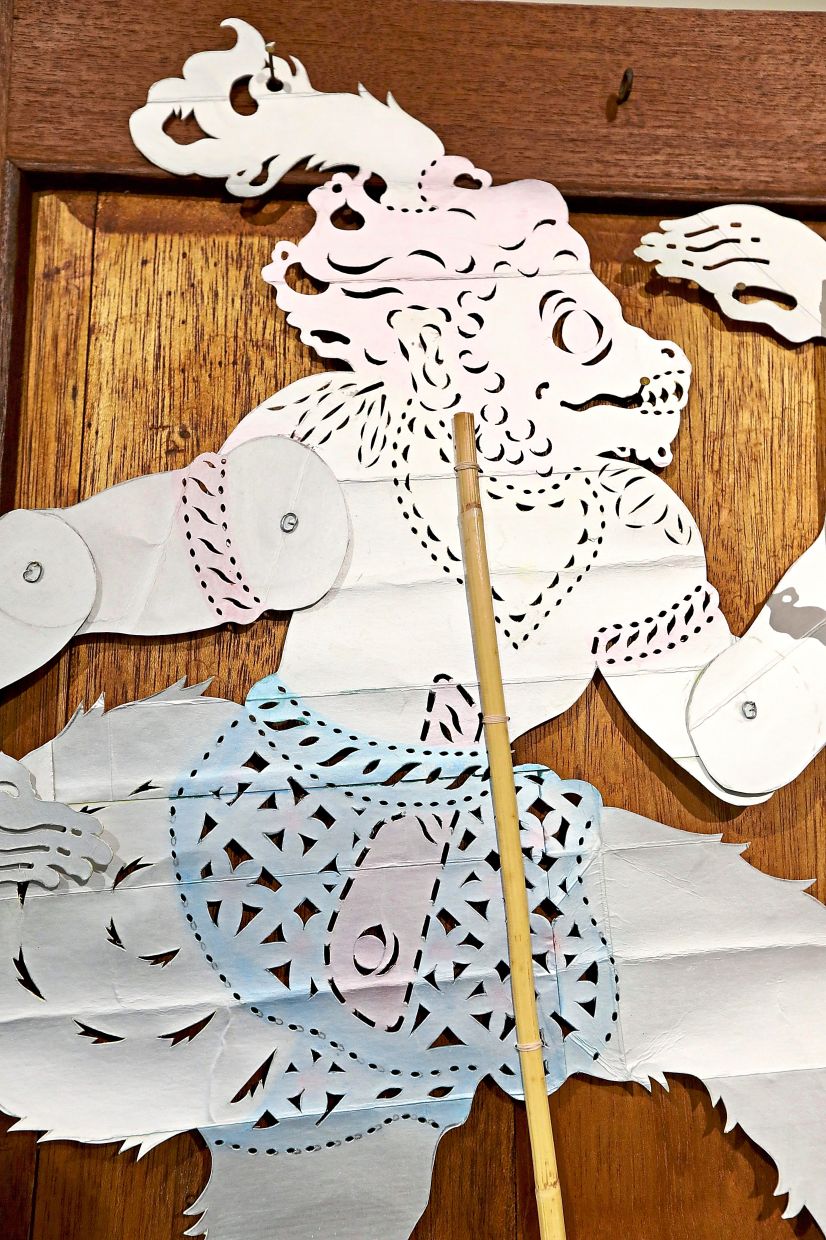
The wayang kulit-like puppets in the Holding Form series are similarly made from repurposed Tetra Pak containers. The series, comprising 30 shadow puppets, grew from Chin wondering what had happened to the creatures that once inhabited their habitats.
“Our folk stories are traditionally filled with all kinds of animals, especially the children’s tales that we grew up with, so what happens to these stories when the animals have gone? And where did the animals go?
“For this series, I imagined that the animals have become shadows, depicting a sense of loss because they are no longer with us,” says Chin.
While Chin has worked with shadow puppets before, Holding Form marks the first time she has created them with moveable limbs.
Her 2022 series Creatures On The Move (In The Death Of Night), shown at Ilham Gallery, featured photographs of shadow puppets backlit by the flare of the oil refinery near her home.
Learning to adapt
The last series for the exhibition, Restless Spirits, reveals where all the animals have ended up, showing them taking on a wholly new form.
The piece is composed of collagraph prints of the shadow puppets overlapping on sheets of Kitakata paper (made from gampi fibre from the Philippines), using a colour scheme derived from Port Dickson’s natural landscape.
“This series touches on how we need to leave one story behind completely in order to move into a new story. But change is very difficult. I think in many ways, we often don’t know what to change into,” admits Chin.
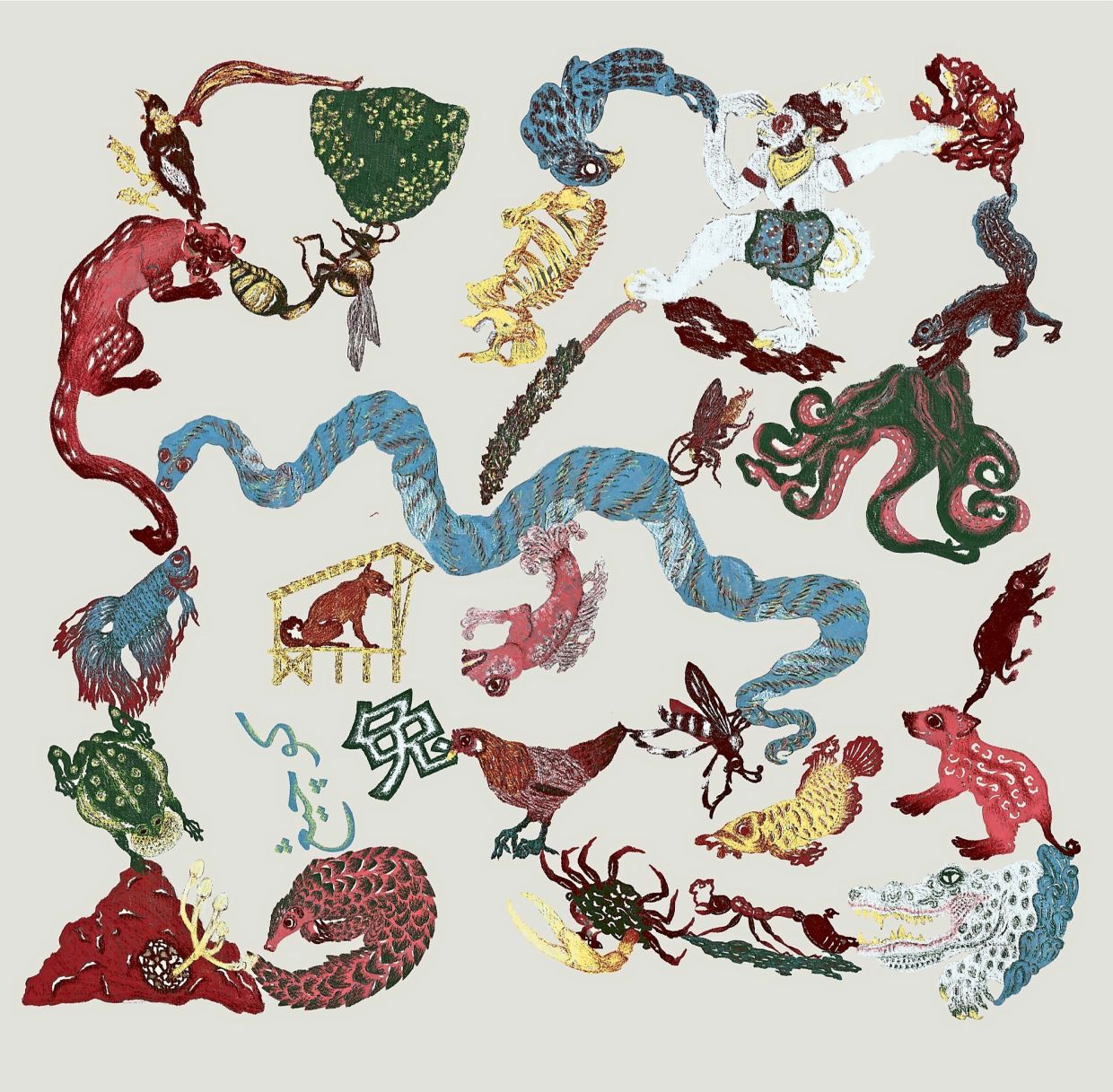
Where in Missing Actors, each character had its own little story, in Restless Spirits, they’re all together in one space – each character still has its own page, but now they’re also crossing into one another’s spaces.
“I wanted to show that none of us exist in isolation – we’re all a part of this wider community, interconnected by the world we live in. To take one page out from the series would be to render the whole piece incomplete,” she explains.
For Chin, Missing From The Scene is ultimately an extended metaphor for change.
“Change isn’t always a bad thing; it can be exciting as well to find new, different ways of being. Adaptation is something that we already do naturally as humans. But we cannot make the changes we need to make if we’re unable to recognise what needs changing,” she points out.
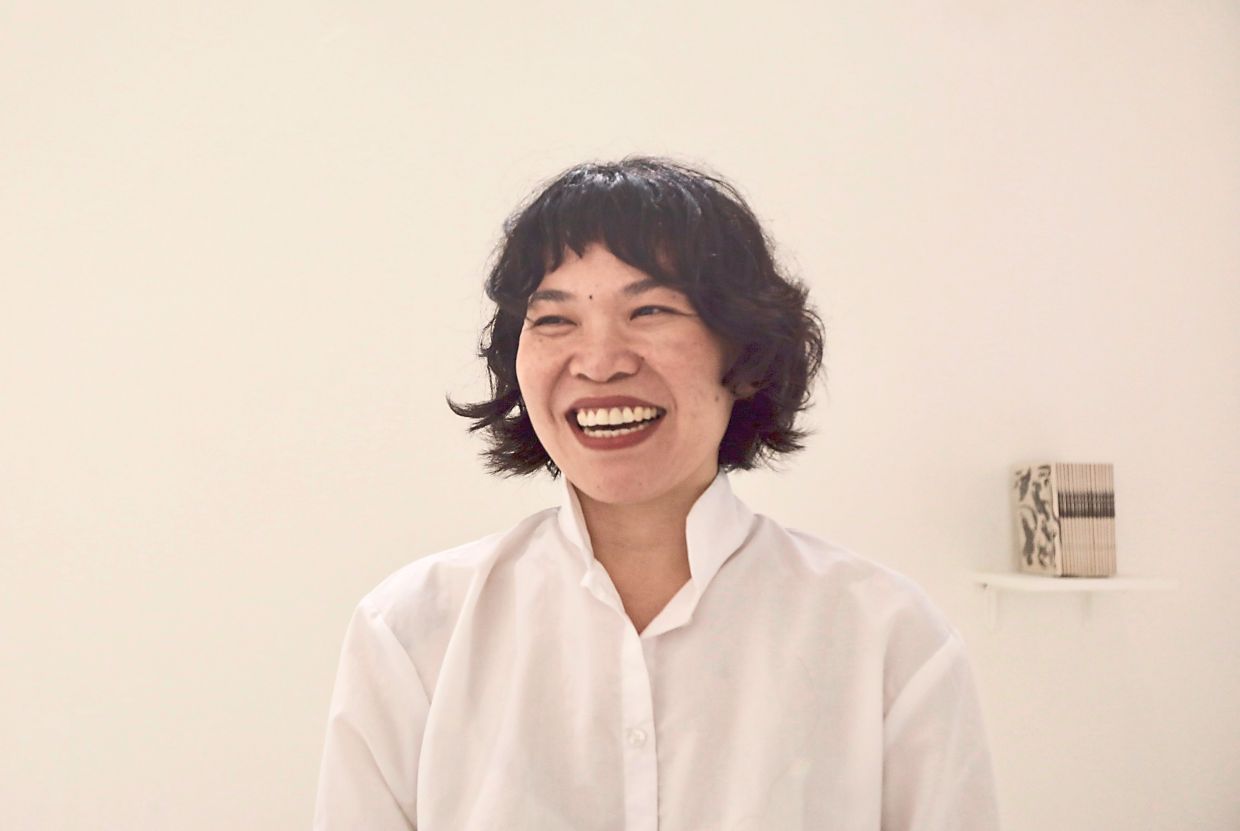
Looking back on the 15 years since she decided to leave the Klang Valley and put down roots in Port Dickson, both for practical reasons and a desire for a new environment, Chin says her work now carries a strong sense of place that was less apparent before.
“Previously, much of my work was either very personal or very general, touching on national issues. But in the time since my last solo show here, my works have evolved to become more tied to Port Dickson, and I would say it’s definitely as a result of the sense of belonging I’ve developed.
“Being in touch with the immediate reality that’s around me, which includes the neighbourhood, the refinery, the beaches, the landscape and the animals. Being able to really honour that and pay attention to that, gives me a deep sense of belonging,” she concludes.
The show’s run at The Back Room will be punctuated by artist talks, informal tours and forum discussions. It is accompanied by a zine publication, featuring essays by Eric Goh, Azzad Diah and Nau Suter.
Missing From The Scene is showing at The Back Room at the Zhongshan building, Kuala Lumpur until Nov 1. Free entry. Open: Wednesday to Sunday, noon to 6pm. More info: thebackroomkl.com, sharonchin.com.