Brickfields has a long and significant history, shaped by its brick-making industry, the railway, migration and generations of Indian and Sri Lankan communities.
But how much of that history remains?
In an effort to preserve the Kuala Lumpur neighbourhood’s heritage, arts and community initiative Project Future Malaysia embarked on a project documenting the people, places, memories and everyday experiences that have shaped Brickfields.
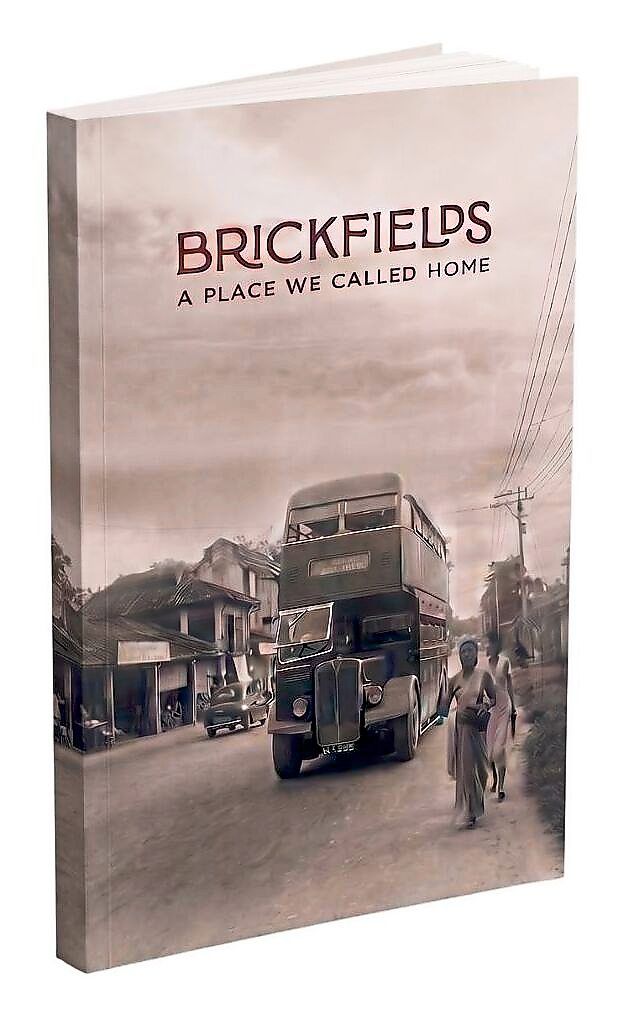
Brickfields: A Place We Called Home, supported by the Malaysian National Commission for Unesco, comprises a book and two short films, bringing together community photographs, oral histories, creative writing and moving images to explore how the neighbourhood has been experienced and remembered by those who have lived, worked and found community there.
The book, also titled Brickfields: A Place We Called Home, features photographs contributed by current and former residents, alongside personal stories and recollections of life in the area.
The short films comprise a documentary, sharing the same title as the book, directed and edited by Perassath and produced by Kevin Bathman, and a video essay directed and produced by Satpal Kaler.
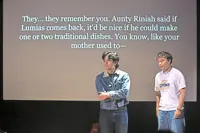
Among those interviewed in the documentary are Rev Balan Moses, Wong Yoon Loong, Vatsala Sivadas and Malar Gunaratnam, Tilak Leslie Jayawardena and the Moothathamby siblings.
The interviewees represent different facets of Brickfields, including the church, Buddhist temple, blind association and arts community.
The video essay, The Origins And Future Of Brickfields, follows the neighbourhood’s evolution from an industrial brick-making zone in the 1880s to today’s multi-faith community and transit hub, while examining the impact of urban development on its communities.
A personal connection
Bathman, the project’s creative producer and publisher, says it came together between March and October this year, but had been years in the making.
Project Future Malaysia, which operates collaboratively, has seen Bathman work with artists, writers and communities. Its previous projects since 2022 have explored migrant communities, art and cultural history, old trades, as well as reimagined stories of Malaysia.
This Brickfields project holds a special significance for him.
Bathman's family’s connection to Brickfields spans nearly a century. He lived in the Red Mansion flats on Jalan Berhala from 1975 to 1980, his father grew up in the neighbourhood, and his grandparents lived in a wooden house on Jalan Brickfields from the 1930s to the 1960s.
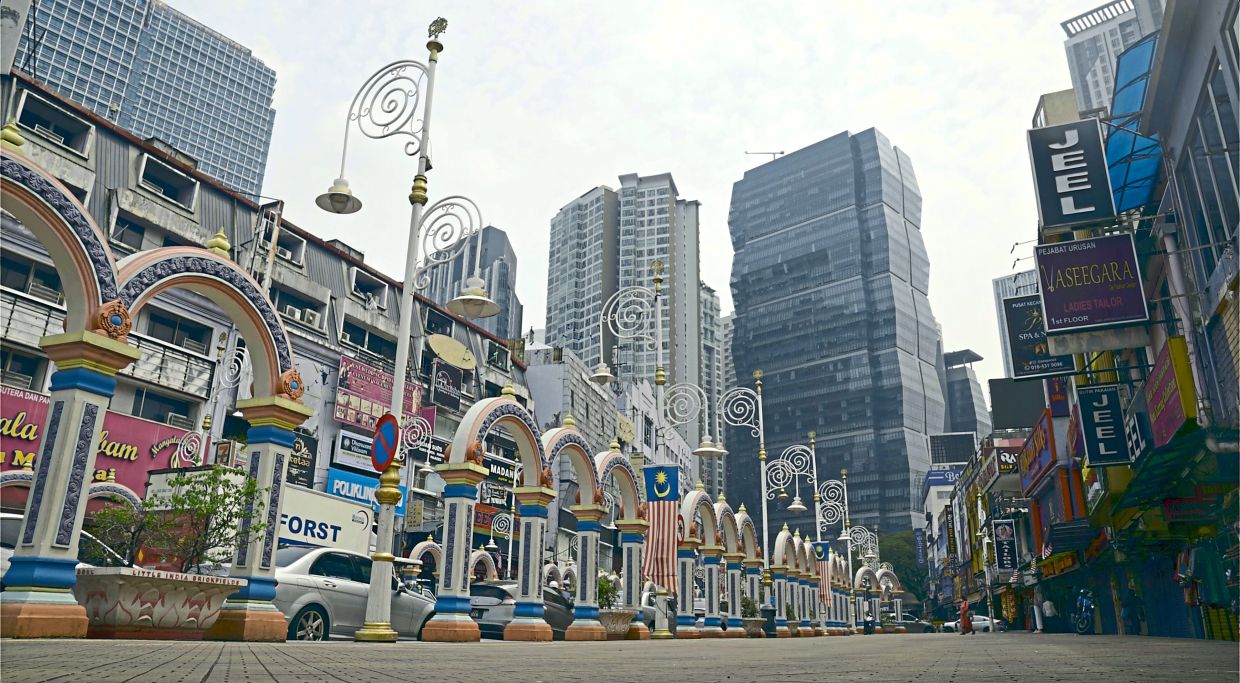
“What interested me was how much of Brickfields’ history exists in people’s memories rather than formal records. There were photographs in family albums, stories passed down through generations, and memories of homes, shops, schools, temples, churches and everyday life that were rarely documented. I wanted to capture Brickfields through that lens, rather than focusing only on its buildings or major historical events,” says Bathman.
“Brickfields has changed considerably, but I wanted to create a record of the people and communities who shaped it, and give those memories a place to remain accessible to future generations,” he adds.
One of Bathman’s biggest discoveries was how much of Brickfields’ history has disappeared, even as the neighbourhood remains familiar to many Malaysians.
“As we collected photographs, we kept seeing houses, shops and streets that no longer exist. Some showed places demolished years ago, and in some cases, the photographs were the only remaining record," he says.
The Hundred Quarters was one example.
"The homes were demolished without a single one being retained as a physical reminder of that part of Brickfields’ history."
More than an archive
Alongside photographs and oral histories, the book features 10 short works rooted in or inspired by Brickfields, by a multigenerational line-up of writers, poets and creatives including Damina Khaira, Malachi Edwin Vethamani, Melizarani T. Selva, Miriam Devaprasana, Mohan Ambikaipaker, Preeta Samarasan, Puvana Gnanasagaran, Sharmilla Ganesan, Sharmini Aphrodite and Sumitra Selvaraj.
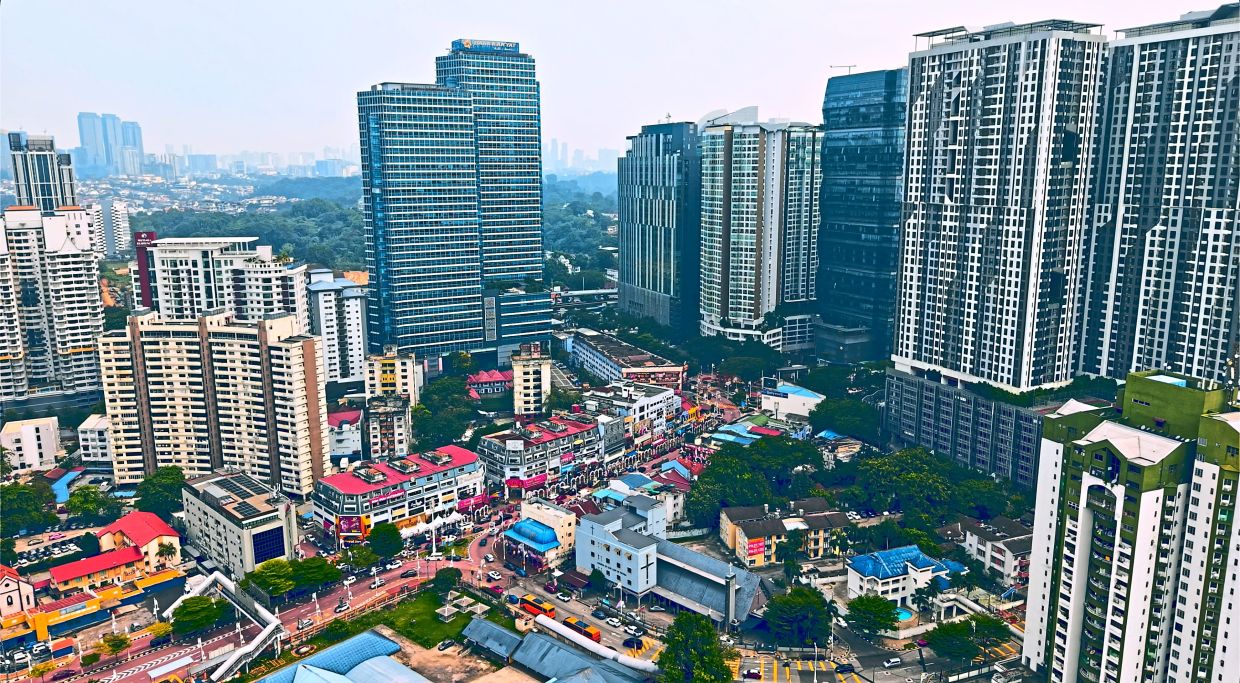
The writers were given the freedom to interpret Brickfields through fiction, creative non-fiction and poetry.
Bathman sees storytelling as a means of exploring social change and encouraging conversation.
“I didn't want the book to become simply an archive of facts and memories. Personal recollections tell us what people remember, and photographs show us what the neighbourhood looked like, but creative writing gives people another way to respond to a place. Through these different perspectives, I wanted to encourage readers to think about their own relationship with places and communities,” he explains.
The two short films also take distinct approaches to Brickfields, an intentional choice that Bathman says allows them to complement each other.
Brickfields: A Place We Called Home is grounded in lived experience and personal perspectives, while The Origins And Future Of Brickfields takes a more historical and investigative approach.
Bathman says community-led documentation is important in preserving history, often filling gaps left by official records.
“For me, this project is one small contribution to a much larger record of Kuala Lumpur. I hope it also encourages people to look at their own neighbourhoods differently and ask what stories are being lost as places change, and whose stories we need to preserve before they disappear,” he concludes.
The Brickfields project launches at Asoka Hall, Wisma Dharma Cakra, Buddhist Maha Vihara, Jalan Berhala, Brickfields in Kuala Lumpur, on Oct 17 at 3pm. Admission is free, registration is required.