The “line” – or “qadjai” in the Paiwan language – is a central concept in Indigenous Taiwanese epistemology.
From woven textiles and house construction to hunting traps, agricultural practices, fishing implements and the ornamentation of everyday objects, lines run through every aspect of life.
These connections are explored in the contemporary art and cultural exhibition Qadjai: Material Acknowledgements.
Showing at Pentago House in Kampung Attap in Kuala Lumpur, from Oct 15-17, the group exhibition brings together works by Indigenous artists from Taiwan, Australia, Indonesia and Borneo, tracing material connections across the Pacific Rim, from Austronesia to Australia.
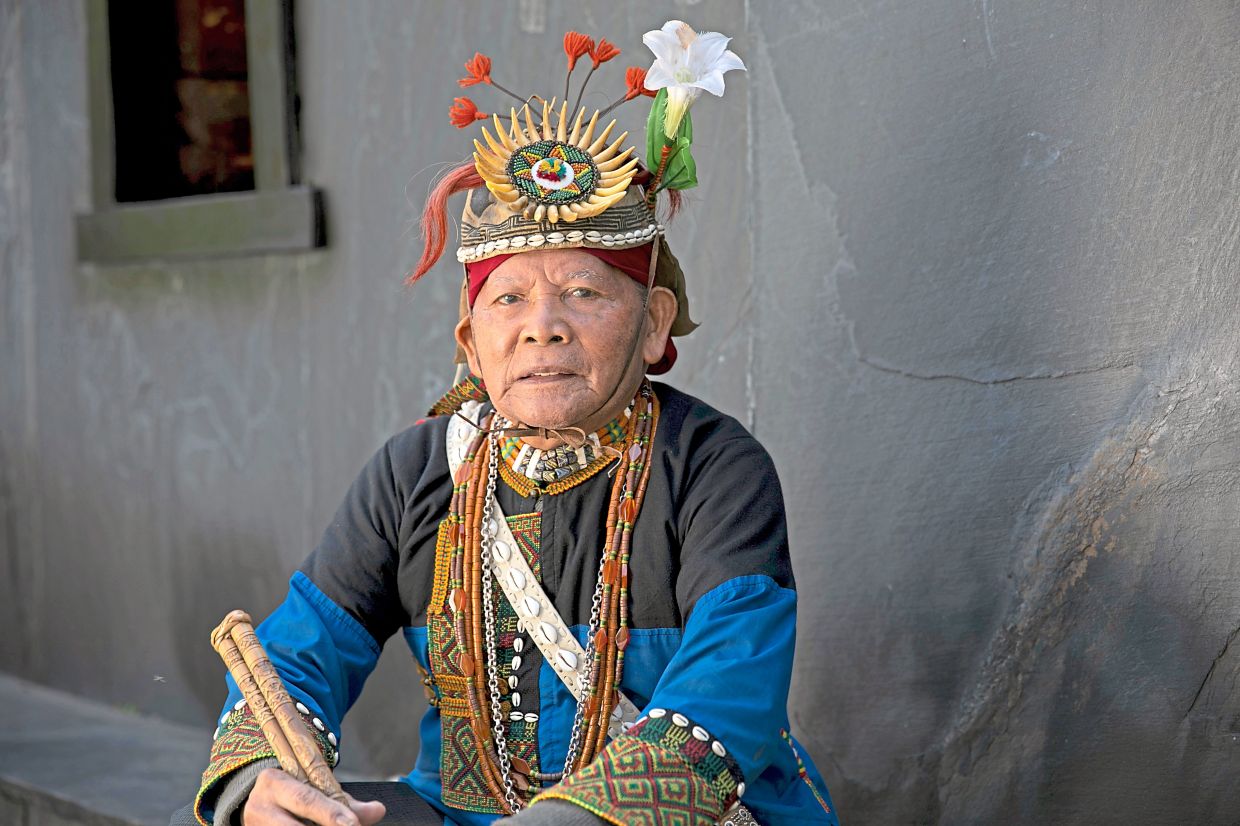
It is part of the Pacific Rim Art Cross Border Project, which has also visited George Town (Penang), Sabah and Sarawak.
“Qadjai is both a tangible line and an ethics oriented toward the future. It reminds us that genuine connection requires learning to listen across difference, to assume responsibility and to walk alongside one another,” says co-curator Chloe Ho, a Singapore-born art historian and cultural worker.
“It contextualises the individual within a life network community that includes ancestors and land and should thus be understood as a medium through which memory could be carried and knowledge could be transmitted,” she adds.
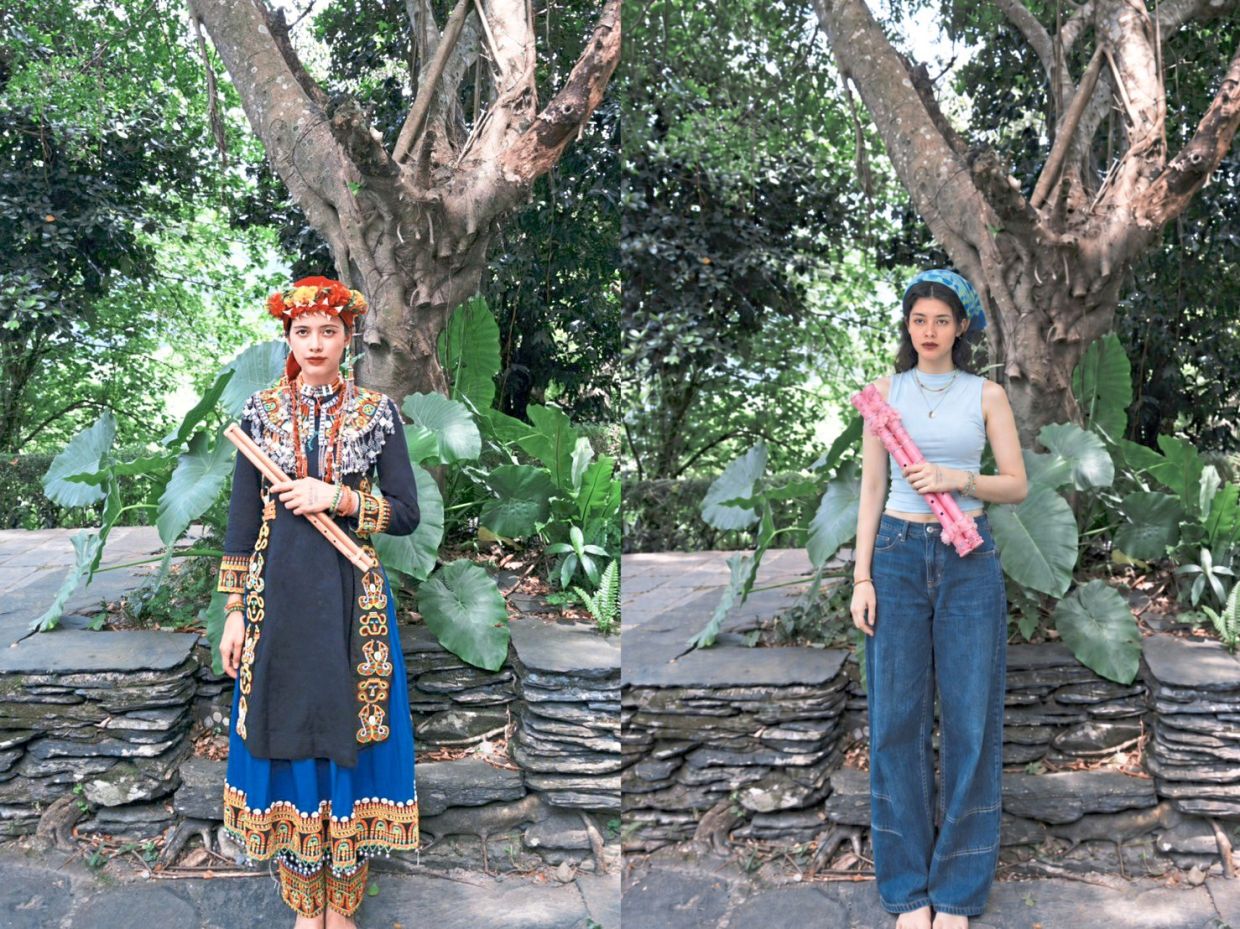
The accompanying programme includes a talk on vernacular architecture in Taiwan and Indonesia, a half-day symposium on the nature of festivals, and a performance by the Taiwan Kacalisian Performing Arts Troupe, the only officially recognised group of flautists from the Paiwan Ravar tribe, featuring the Paiwan double-piped nose and mouth flutes.
A feminine touch
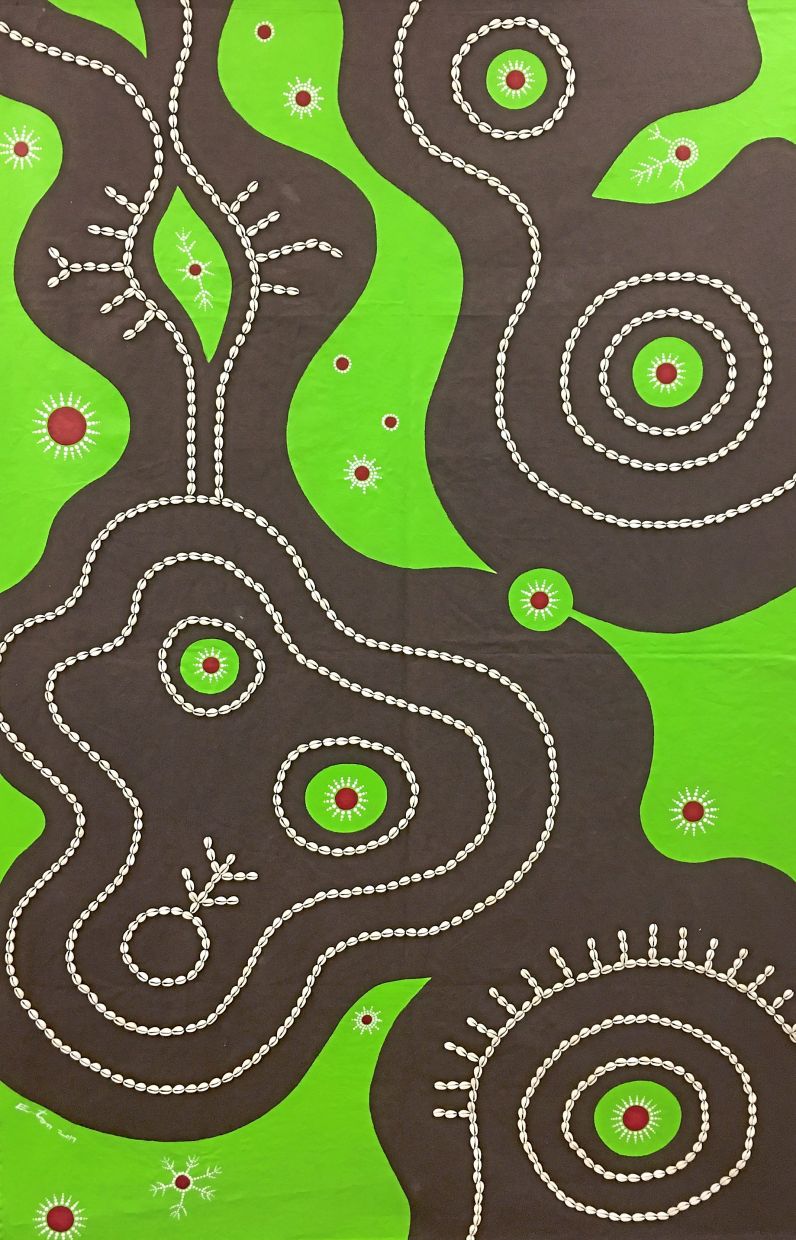
The exhibition features textile prints by senior Paiwan artist and co-curator Etan Pavavalung, which draw on Paiwan cosmology.
Originally conceived as wall-based positive wood carvings, the prints reflect a technique informed by similar carvings on the tribe’s distinctive double-piped nose and mouth flutes.
Also on display are lalingedan (nose flutes) made by Pavavalung’s late father, Pairang Pavavaljung. Crafted from jade bamboo found exclusively on his tribe’s sacred mountain, Tjaivuvu, the instruments are made from a material that is thin and delicate yet supple and strong, having withstood the mountain’s powerful winds.
The intricate carvings add another layer of difficulty. Dating from the 1980s, the instruments attest to Pavavaljung’s craftsmanship.
“Working with this material required immense patience and dexterity that Pavavaljung had gained from over 70 years of practice. When not handled carefully, the bamboo will crack and cannot be saved,” says Ho.
The exhibition also features coloured flute sculptures by emerging Paiwan artist Sutipau Tzarujalzum.
Traditionally a male-dominated art form, the flute has prompted Tzarujalzum to question a young woman’s place in its practice.
At a time when few Paiwan people remain interested in traditional Paiwan arts, Pavavaljung’s decision to formally accept two female students, including Tzarujalzum, was a radical step in keeping the tradition alive.
"When learning the flute, I was once told that I must imagine myself as a man to produce the true sound of the flute. This led me to reflect: if the sound of the flute is inherently meant to convey emotion, then what determines whether that sound is authentic? Is it gender, or the player’s own emotions and breath?" says Tzarujalzum.
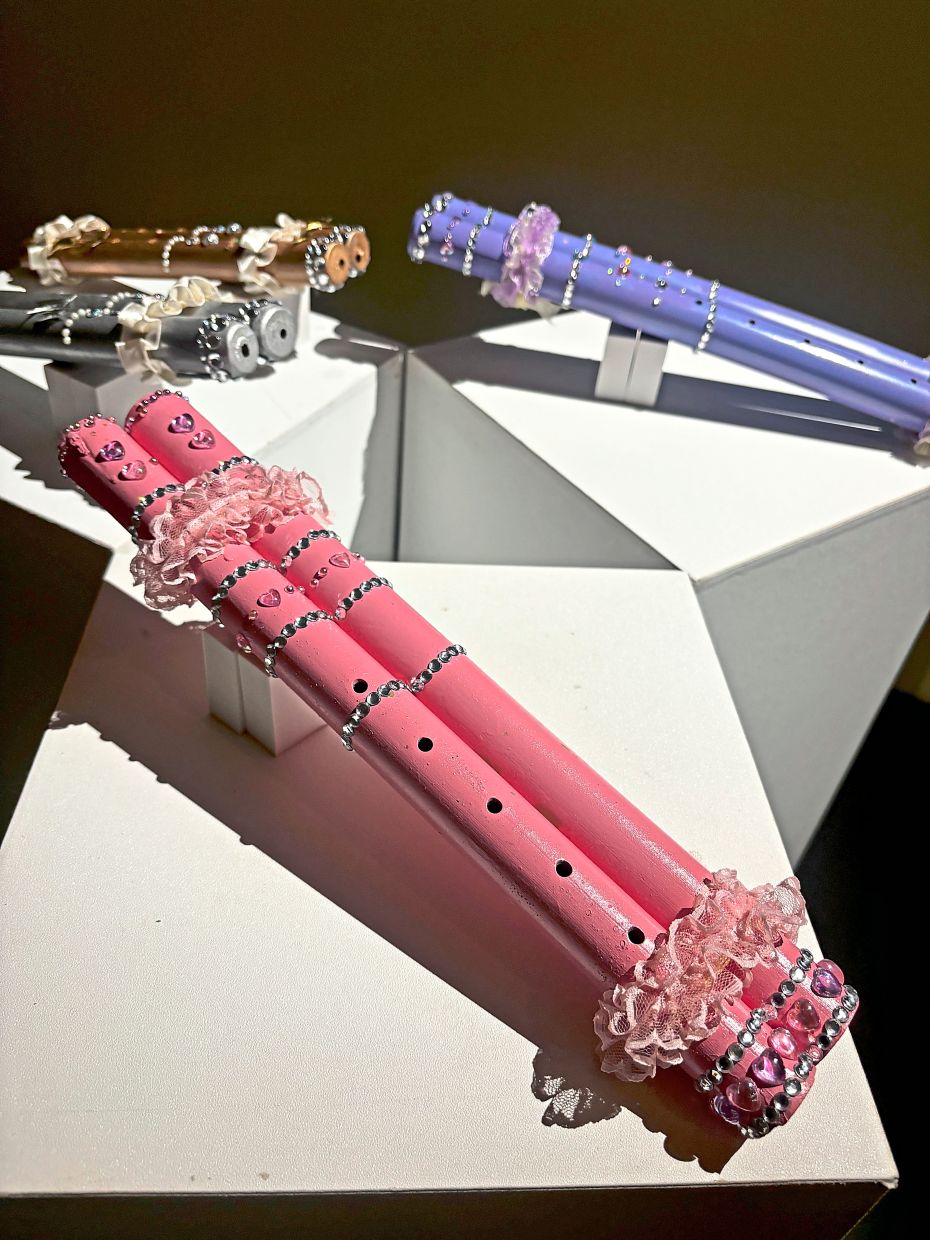
This reflection led to her Girls' Flute series. While retaining the construction and tonal structure of the double-piped mouth and nose flutes, Tzarujalzum incorporates lace, glittering embellishments and playful feminine details.
"These seemingly ‘girlish’ decorations are not simply meant to aestheticise the instrument, but represent my humorous intervention: I am placing the feminine sensibility previously excluded from the sound of the flute back onto the body of the instrument itself," says Tzarujalzum.
Cultures at risk
Wiradjuri tribe artist Ange Jeffery uses the board game Monopoly to examine how Indigenous lands in Australia have become a "game" that disregards local law.
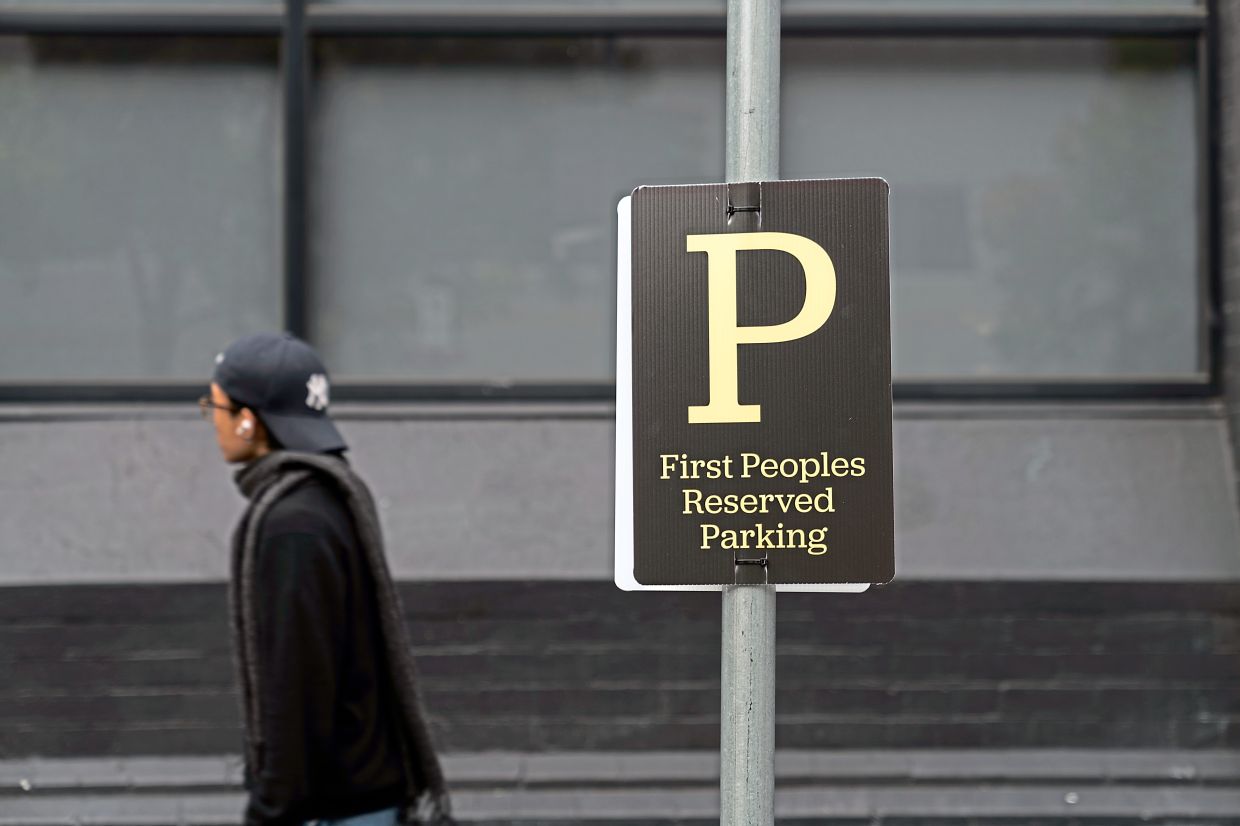
Australian artist and researcher Amy Spiers offers a tongue-in-cheek response to land grabs, proposing to reserve space for First Peoples of Australia and subverting conventional ideas of exclusivity.
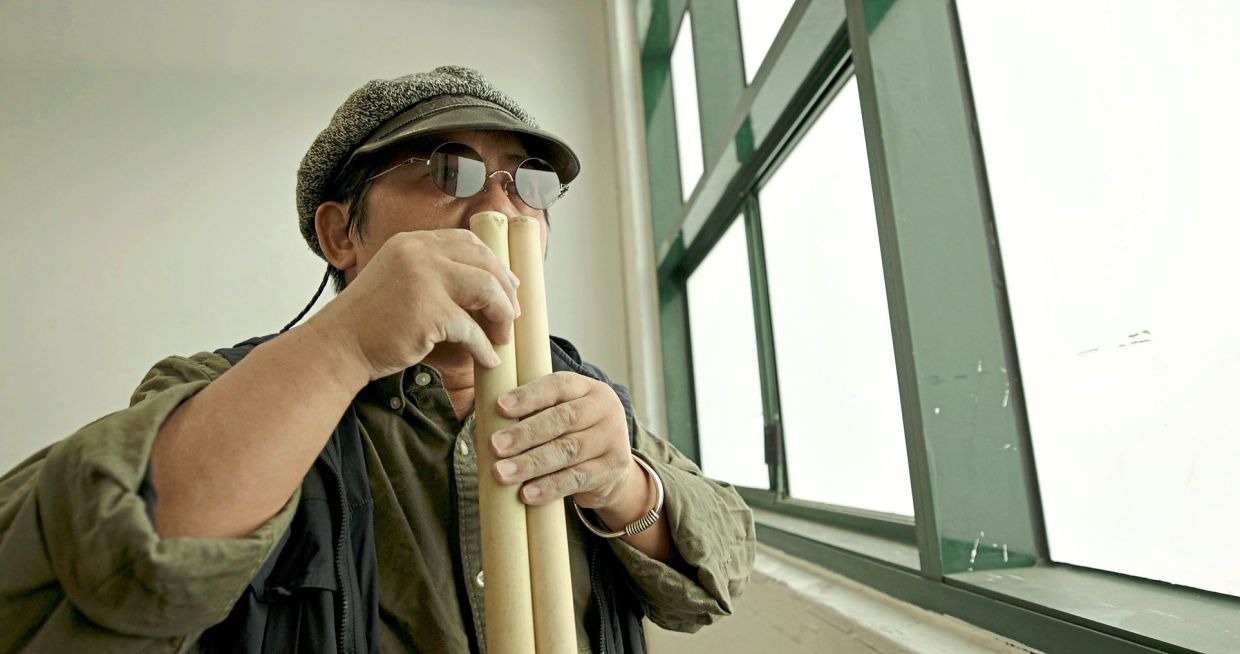
Working with the Taiwan Kacalisian Performing Arts Troupe, New Zealand-born artist Jen Valender takes on the role of documentarian. As Valender does not speak any Austronesian languages, the collaboration relies on background research, translated conversations and a shared sonic language.
The resulting two-channel video work features footage of their joint performance in Naarm/Melbourne in 2024, as well as the first double-pipe flute-making workshop held outside Taiwan.
For the exhibition’s closing event, Spiers’ reserved spaces will be occupied by Paiwan musicians performing on their double-piped mouth and nose flutes, creating an opportunity for cross-cultural exchange and solidarity beyond the limits of spoken language.
The exhibition is supported by Pentago House, Yayasan Lim Yee Hoh, Pertubuhan Kolektif Seni Budaya Sabah, the Ministry of Culture Taiwan, the Australian Research Council, RMIT University, Art+Australia and the University of Melbourne.
Qadjai: Material Acknowledgements is showing at Pentago House, Kampung Attap in Kuala Lumpur from Oct 15-17. Free admission. Registration needed for main events due to space limitations. More info here.