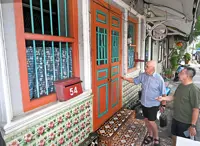
PENANG is in my blood, but this isn’t just hometown nostalgia talking. George Town – or Tanjung, as locals call it – has always shown what living culture actually looks like on the street.
Stand in the city’s old quarter on any given morning: The azan from the minaret of Masjid Melayu Lebuh Acheh drifts across clay-tiled roofs towards the Chinese clan houses; further down, the smell of jasmine garlands and incense from the Goddess of Mercy Temple on Jalan Masjid Kapitan Keling blends with the sound of temple bells coming from the Sri Mahamariamman Temple in Lebuh Queen.
Along those narrow five-foot ways, Malay-Peranakan songkok makers, Chinese wood sign carvers, and Tamil Muslim jewellers ran their trades side by side. It was never an art project or a staged diversity campaign. People made things, traded them, and survived because the work fed their families.
That honest street hustle is what Malaysia’s creative economy ought to be about.
There are plans in motion by the government to set up a national council for the orange (aka creative) economy. On paper, it brings welcome hope. At the very least, it admits our heritage and stage arts are worth far more than polite five-minute shows put on for visiting foreign VIPs.
If this new council wants to make a difference, it has to break that habit of staging little shows by working with individuals representing traditional artisans, like the Tok Dalang (master puppeteers), village weavers, traditional dancers, and independent stage performers who live the reality every day. Without their voices, any policy will simply miss the mark.
Anyone who has watched cultural policies come and go over the years knows how easy it is to slip into old habits and treat cultural practitioners like charity cases with a small grant here, an expo booth there, and a certificate of appreciation on the wall. Well-meaning as they are, these measures only provide fleeting relief.
But the National Department for Culture and Arts’ partnership with the Skills Development Department (under the Human Resources Ministry) to accredit cultural practitioners with the Malaysian Skills Certificate is a vital step towards formal recognition. Yet institutional validation alone won’t feed families unless it is backed by commercial avenues and true economic independence.
The council’s primary job shouldn’t be handing out token money. It has to help build real market avenues so artists can stand on their own two feet without waiting on ministry goodwill. They need direct links to serious buyers and fair contracts that stop middlemen from walking away with 80% of their hard work.
Their intellectual property rights need real teeth, too. Artisans shouldn’t be fobbed off with “free exposure” while commercial fashion brands lift their motifs or gaming companies take native stories without permission.
Traditional makers deserve binding contracts and proper royalties whenever their work gets used.
At the same time, we have to connect these traditional masters with young contemporary creators.
Picture an elderly master puppeteer sitting down with a young digital artist, or a classical Indian dancer working alongside an indie music producer. When deep cultural roots meet modern production, you get original work people anywhere in the world will gladly pay to see.
Our youth already know their way around modern digital tools and artificial intelligence. If we point that technical confidence towards our own cultural roots, artists of all generations can finally earn a decent living and hold their heads high.
HESMEL FAZNEE AHMAD FAISAL
Kuala Lumpur
The writer is a cultural administrator with the National Department for Culture and Arts in the Tourism, Arts, and Culture Ministry. The views expressed here are entirely his own and do not represent those of the department or ministry.
Already a subscriber? Log in
Get 20% OFF The Star Digital Access
Cancel anytime. Ad-free. Unlimited access with perks.