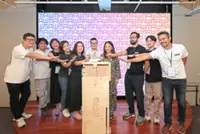
When Malaysian Architecture Week (MAW) 2026 made its international debut in Jakarta recently, it was more than an exhibition crossing borders. For the architects behind it, the journey represented a larger purpose: to reconnect architecture with the people and communities it serves.
Following its successful showcase in Indonesia, MAW 2026 was recently launched in Kuala Lumpur, bringing home a "travelling exhibition" that highlights the work of 23 Malaysian architectural practices while sparking conversations about the future of cities, communities and the built environment.
Held at UR-MU @ The Toffee in Jalan Raja Chulan, Kuala Lumpur, this year's exhibition revolves around the theme "Design Code", exploring the systems, values and thought processes that shape architecture beyond what is immediately visible.
Design code in architecture refers to a set of illustrated rules and parameters that dictate the physical standards, appearance and layout of a building or development area, explains MAW 2026 curator Beh Ssi Cze.
Beh uses the arithmetic symbols of addition, subtraction, multiplication and division to explain it in a way that the public can relate to.
"A lot of people only see the final form. We wanted to make it easier for the public to understand how architects think beyond form and function," he says. "Addition represents what goes into a project. Subtraction reflects what is omitted from the project. Multiplication examines strategies that create wider impact, while division asks a more challenging question: how architecture can contribute to a more equitable society."
Beh of LCSC Architects' contribution demonstrates this approach through an ongoing rural revitalisation project at a durian orchard in Broga, Negri Sembilan.
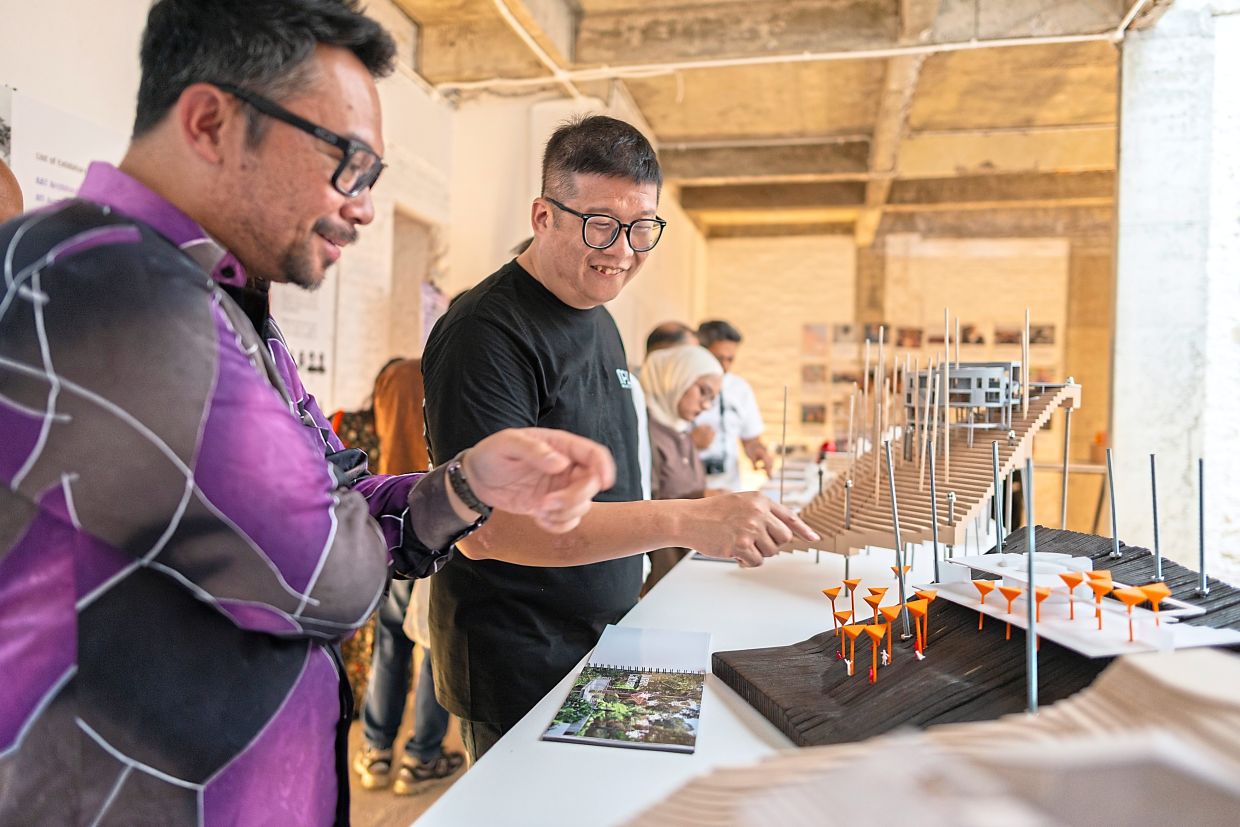
Rather than constructing a conventional walkway that might disrupt the landscape, his team has designed a path that integrates planting zones near durian trees. The solution serves a practical purpose – safely catching falling durians – while preserving the orchard's natural character.
The project is only the first phase of a broader masterplan that includes a treehouse, visitor centre, animal garden and spaces where people and animals can interact.
"A lot of the time, we only talk about humans and ecology," says Beh. "We don’t really talk about other species."
This emphasis on coexistence reflects one of the recurring themes throughout MAW: architecture's responsibility to engage with larger ecological and social systems.
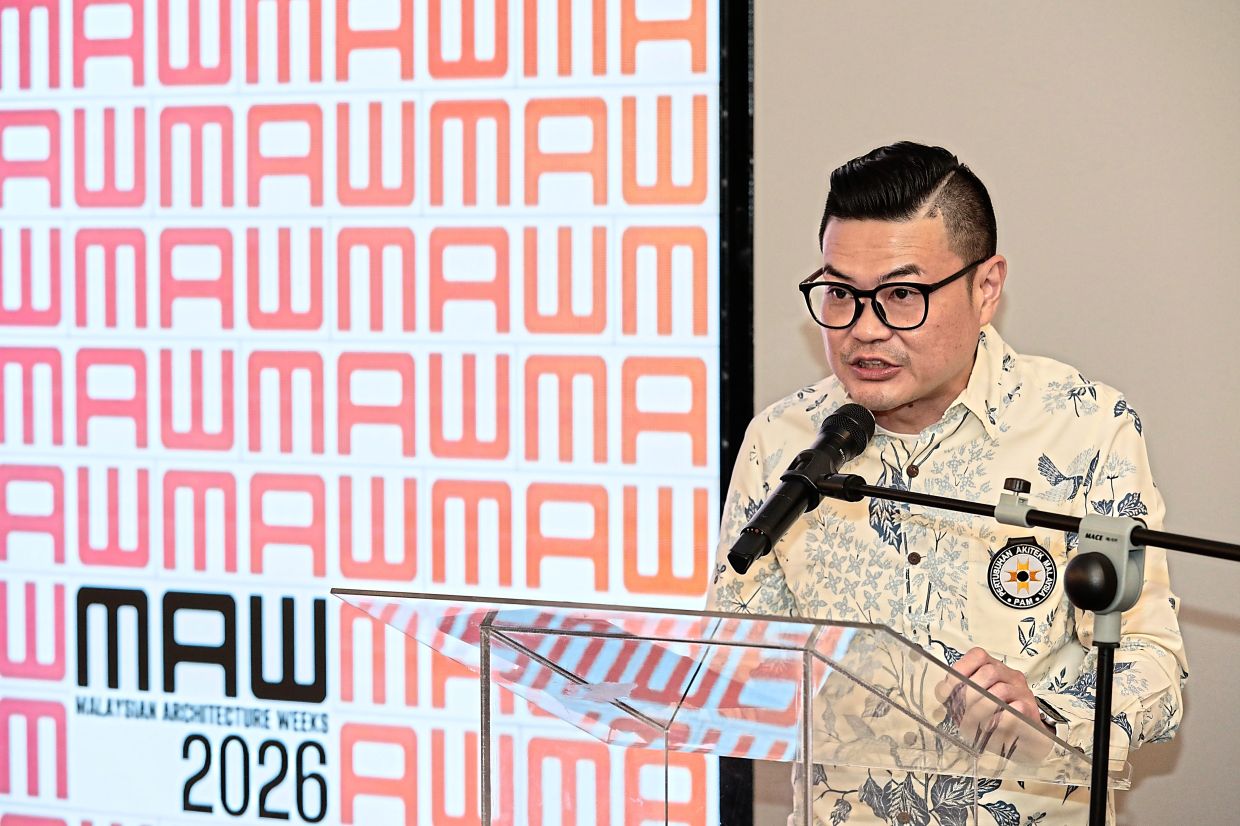
For PAM (Malaysian Institute of Architects) president Dexter Koh, this broader perspective reflects a growing shift within the profession.
"Architecture is not only about buildings," he says. "It is about dialogue, exchange, friendship and shared cultural understanding."
The recent Jakarta exhibition reinforces this belief, bringing Malaysian architects into conversation with Indonesian peers and exposing them to new perspectives on regional identity, tropical design responses, material culture and the evolving role of architecture in South-East Asia. That philosophy can be seen across many of the featured projects. Some explore future cities elevated above ground level as a response to climate change. Others investigate adaptive reuse, medical tourism facilities, modular housing and community-centred urban development.
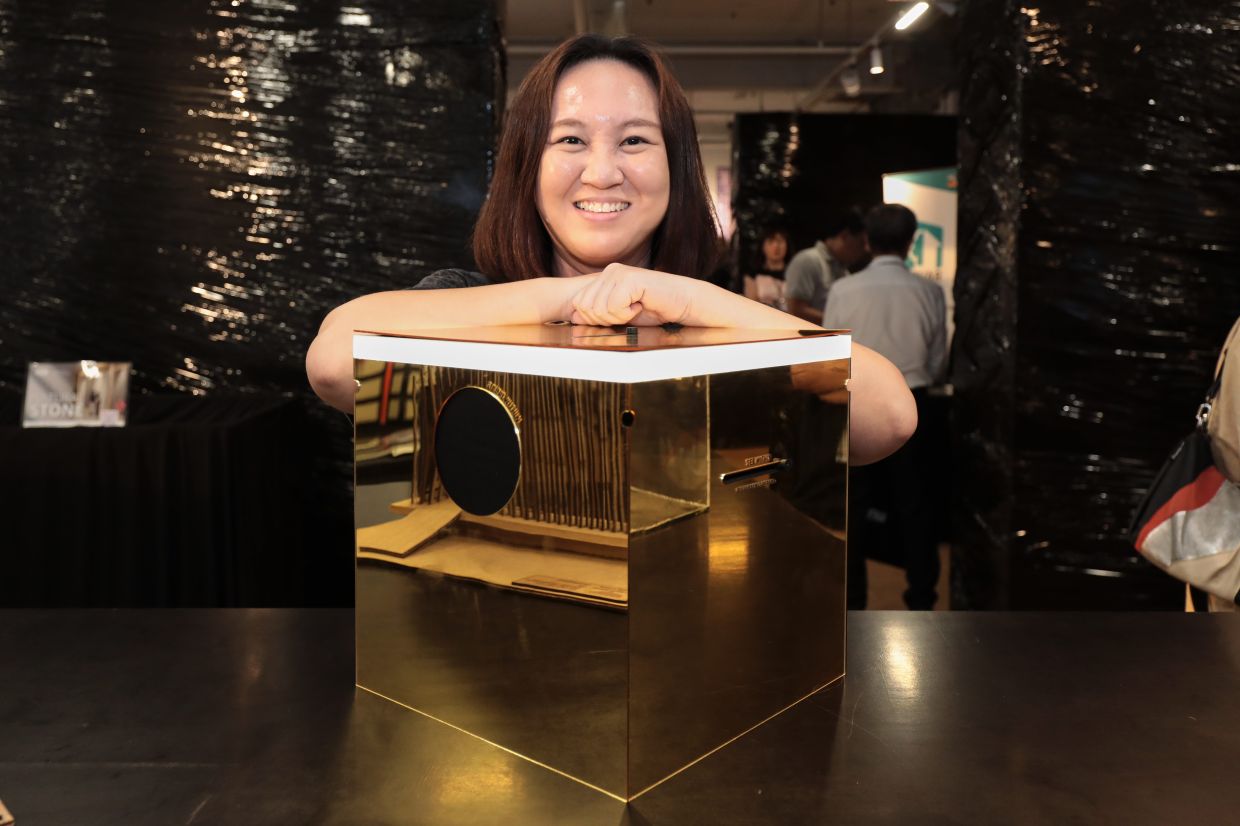
Architect Wong Lot Yee of Dekoda Architects' interactive installation "Ambient Element" focuses on sensory architecture and asks visitors to slow down and pay attention to their surroundings.
The installation encourages people to look, listen and touch, drawing attention to environmental details that often go unnoticed.
"In a world where change is happening very fast, we wanted people to focus on what is most important – our senses and awareness of our surroundings. This is important in relating architecture back to the community and environment," she explains.
Architect Hedzril Jaffar of HXA Architects presented a proposal for a community centre in Sungai Penchala, Kuala Lumpur, designed to support youth entrepreneurship in underserved communities.
The project seeks to preserve existing urban farming activities by elevating the building above ground, allowing agricultural spaces, community events and income-generating activities to continue beneath. Rather than imposing a new identity on the site, the design builds upon what already exists.
"It's very important to preserve the nature of a locality, and build with it rather than to change it and introduce something completely different because that might be difficult for the community to accept," Hedzril says.
Such projects illustrate how architecture increasingly intersects with community development, economic opportunity and environmental stewardship.
The exhibition's international journey reflects a similar commitment to collaboration. Unlike many large-scale architectural showcases, MAW was realised through a grassroots approach. Participating firms collectively crowdfunded the initiative and contributed resources, expertise and time to make it happen.
"We want people to join us because this platform not only celebrates architectural excellence, it's also a learning platform," says Beh.
The collaborative spirit extends to the curatorial team itself, which includes Beh, Wong, Yong Leng Chee, Afi Jamalludin, Hedzril, Firadaus Khazis, Cheryl Quan and Choong Wei Li.
The Jakarta exhibition marked a significant milestone as MAW's first international destination. Last year, the inaugural edition travelled only within Malaysia, going from Kuala Lumpur to Melaka and Johor.
Koh describes the international debut as an important milestone not only for MAW but for Malaysian architecture as a whole.
"In many ways, MAW Jakarta continues the same spirit of regional and international dialogue by sharing our work, learning from others and positioning Malaysian architecture within a larger Asian conversation," he says.
He notes that the experience has encouraged participants to reflect on how Malaysian architecture is perceived internationally and how it can continue contributing meaningfully to society.
This year's overseas expansion was inspired in part by a landmark moment in Malaysian architectural history. In 1985, seven Kuala Lumpur architects brought an exhibition titled "Houses: 7 KL Architects to Tokyo", introducing Malaysian residential architecture to an international audience.
More than four decades later, MAW seeks to continue that legacy.
The team is already planning another international showcase in Tokyo later this year, creating a symbolic link between past and present generations of Malaysian architects.
Yet, despite the growing international profile, Beh emphasises the mission remains rooted at home.
"We want to tell the Malaysian story, and to celebrate Malaysian architecture, which is constantly growing and evolving," he says.
That idea resonates with Minister in the Prime Minister's Department (Federal Territories), Hannah Yeoh, who officiated the Kuala Lumpur launch.
Addressing architects and policymakers alike, she emphasises the importance of stepping outside familiar environments and engaging with diverse communities and perspectives.
Until and unless we have seen and understand more of Malaysia, will we be able to create something that represents Malaysia at its best, she said.
Ultimately, that may be the most important message emerging from MAW 2026.
Koh hopes MAW will continue evolving into a platform that connects architects across borders while nurturing younger voices within the profession.
"I hope MAW can continue to become a regional platform in connecting Asian architects, encouraging younger voices and strengthening architectural discourse across borders," he says.
For him, the most valuable outcome of the exhibition isn't just in the drawings, models or installations themselves, but the human connections formed through the process. As he observed after Jakarta, "perhaps the most important code is the human connection behind architecture".
In an era defined by rapid urbanisation, environmental pressures and social change, architecture is no longer just about creating structures. It is about creating connections – between people and places, communities and their histories, and the built environment and the society it serves.
Making a better impact
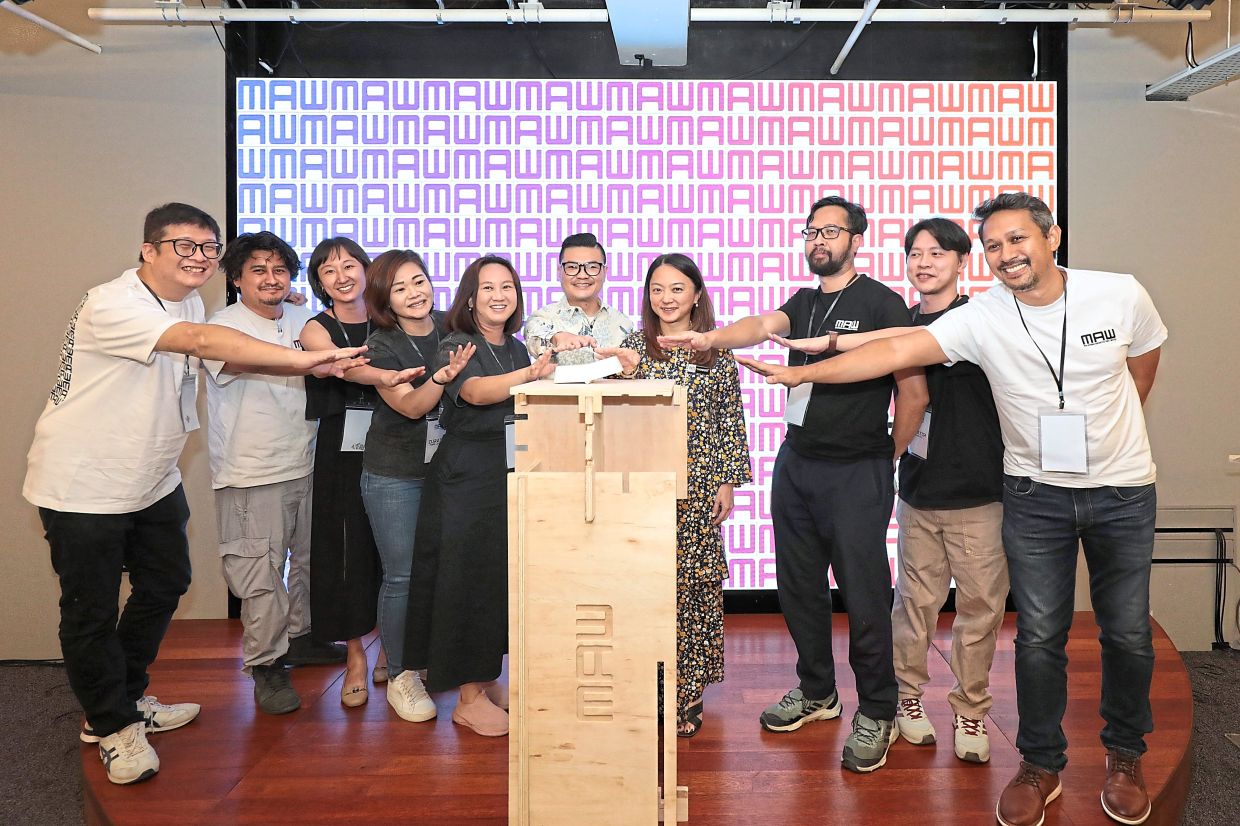
The MAW 2026 Kuala Lumpur launch was officiated by Yeoh (centre).
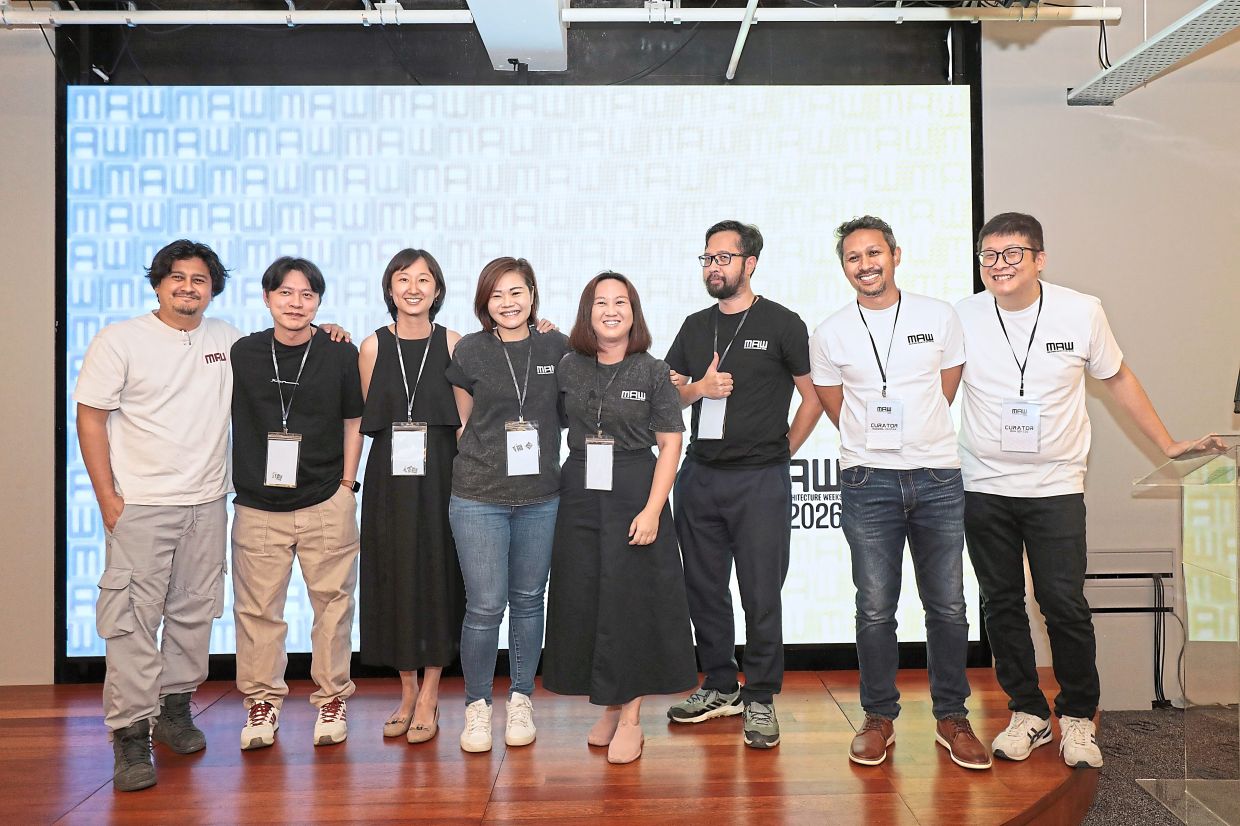
The curatorial team of MAW 2026 at the KL launch.
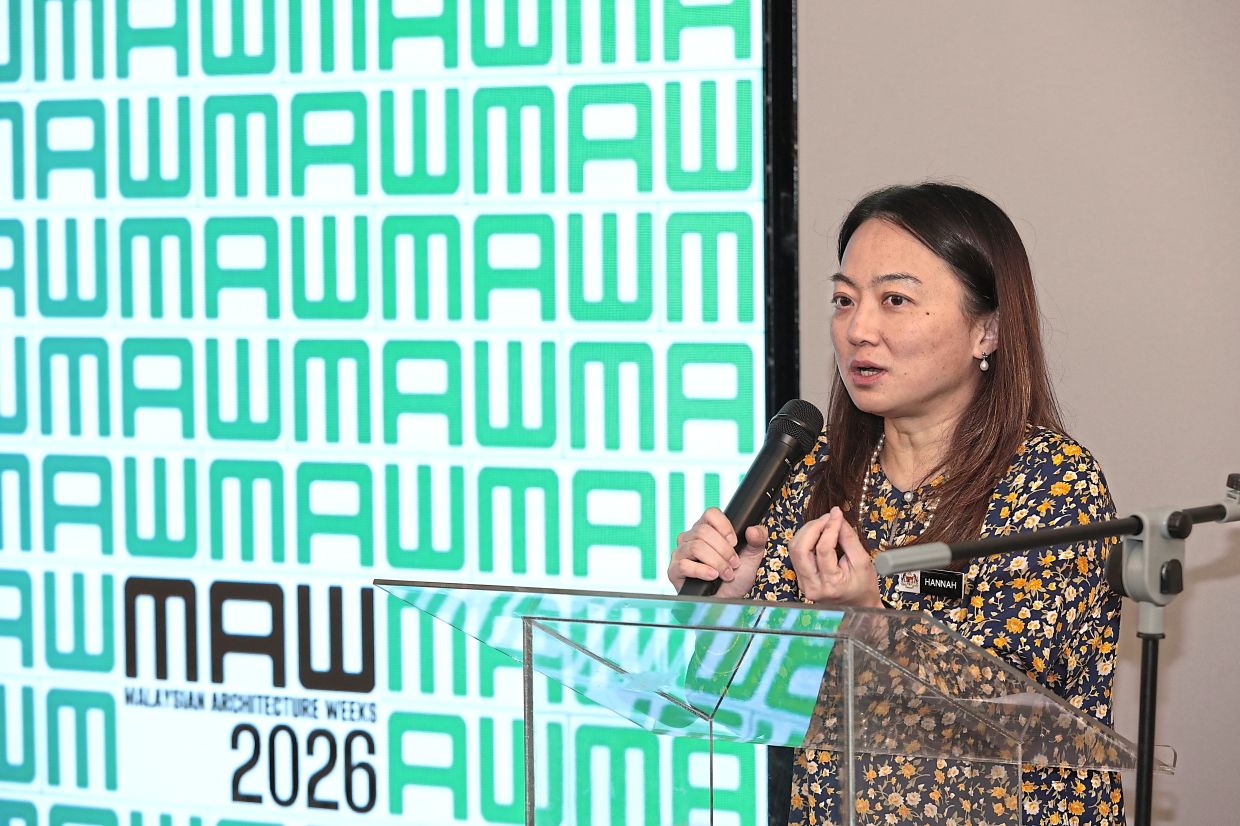
Yeoh officiating the MAW 2026 launch in KL.
Koh speaking at the MAW 2026 launch in KL.
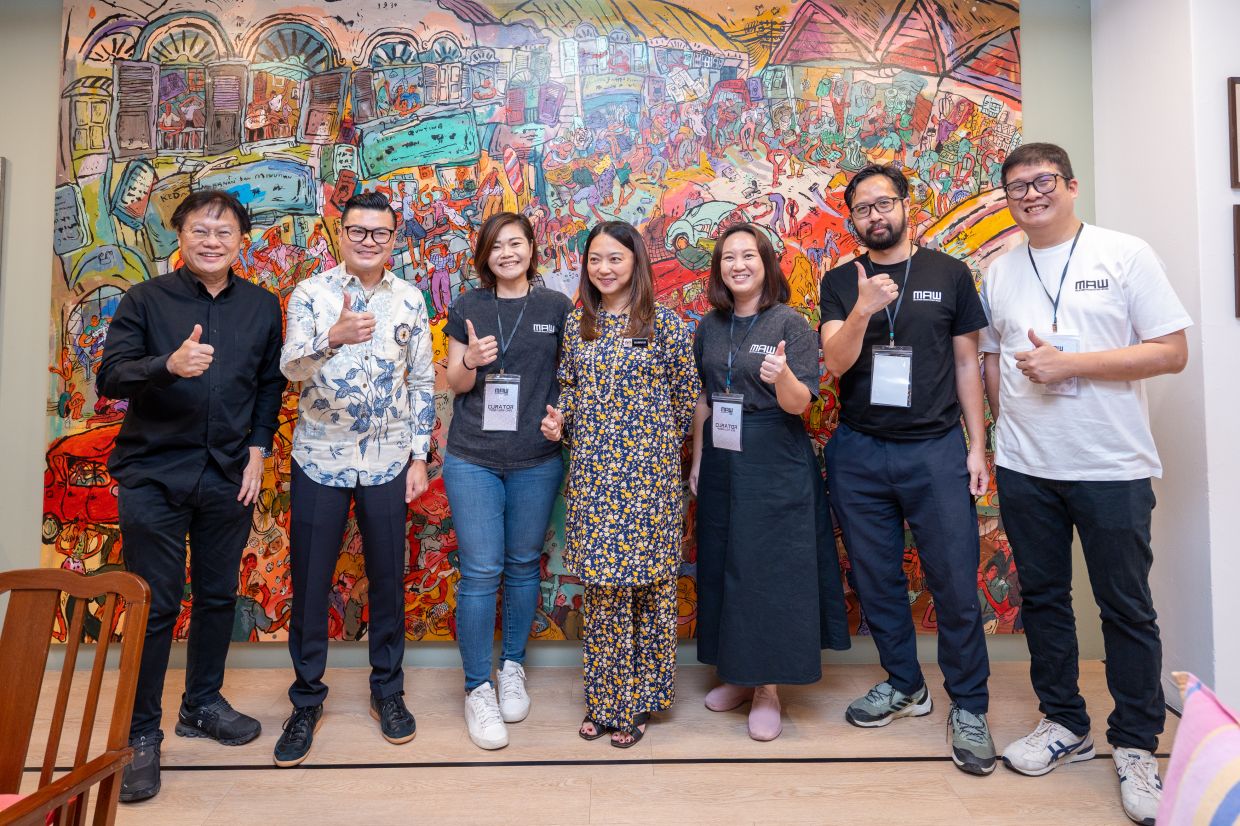
MAW 2026 was officiated by Yeoh (centre), who is pictured with (from left) UR-MU founder Dr Tan Loke Mun, Koh, architect Yong Leng Chee, Wong, Afi and Beh. Photo: Irvin Seow
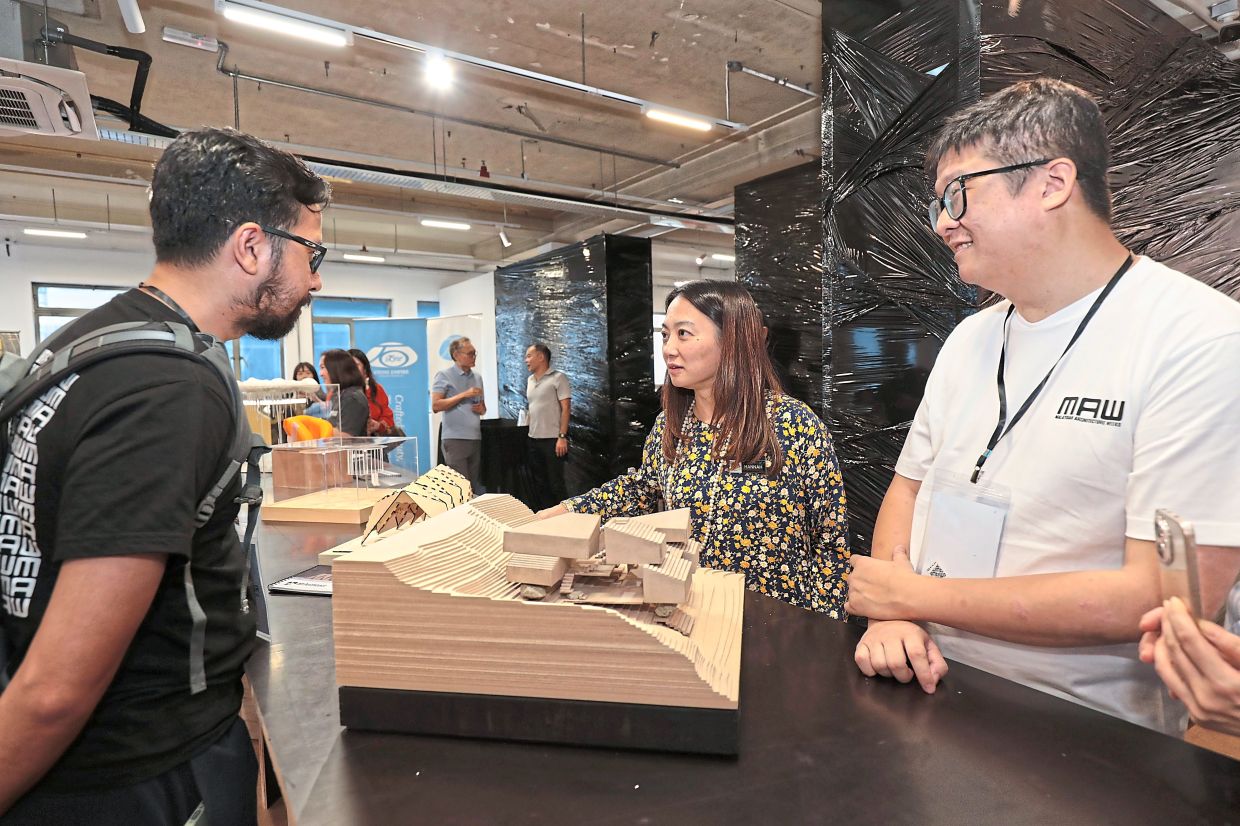
Architect Afi Jamalludin of Afi Architect shares more about his social housing prototype to Yeoh (centre) and Beh (right) at MAW 2026 Kuala Lumpur.
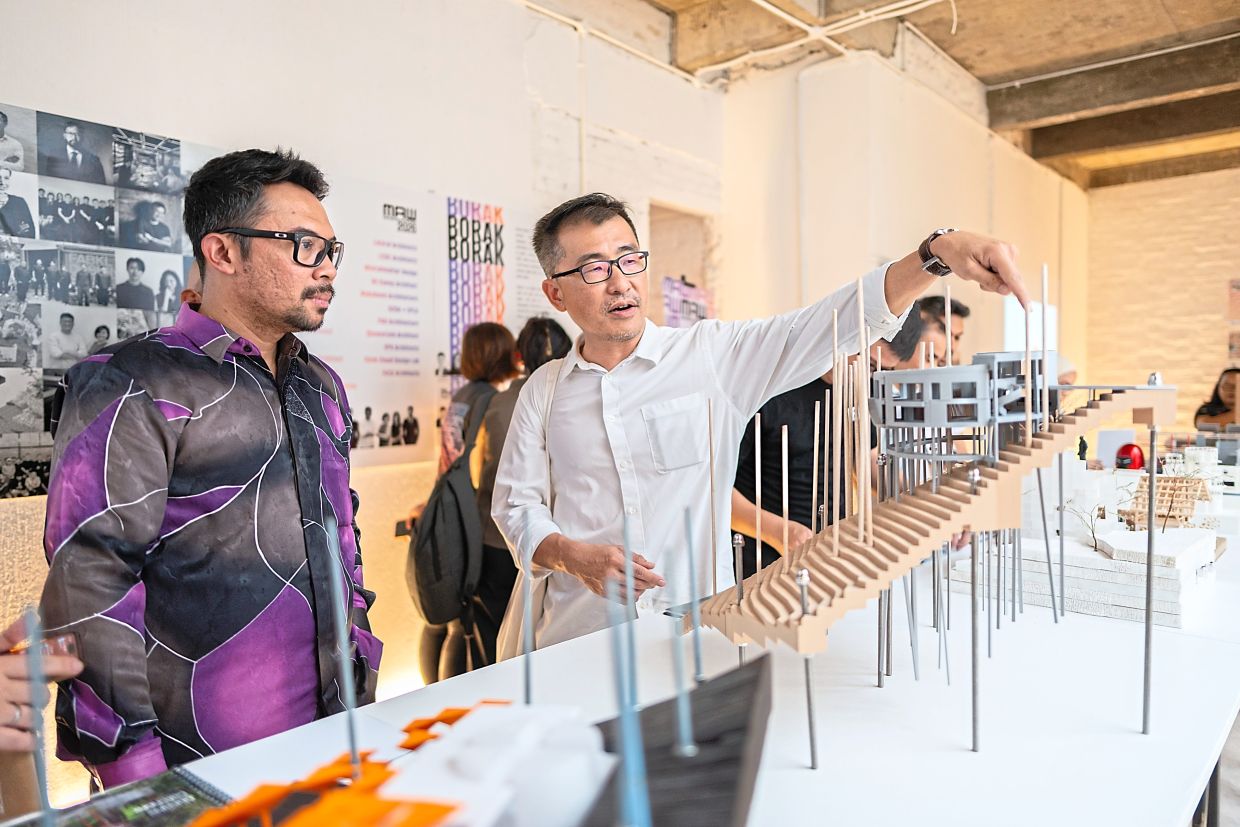
Architect Alan Teh (right) of Atelier Alan Teh Architect at MAW 2026 Jakarta, presenting his model of a spiral house perched on a forested slope to Farzamie Sarkawi, Chargé d’affaires of the Malaysia Embassy in Jakarta. Photo: Tirta Winata
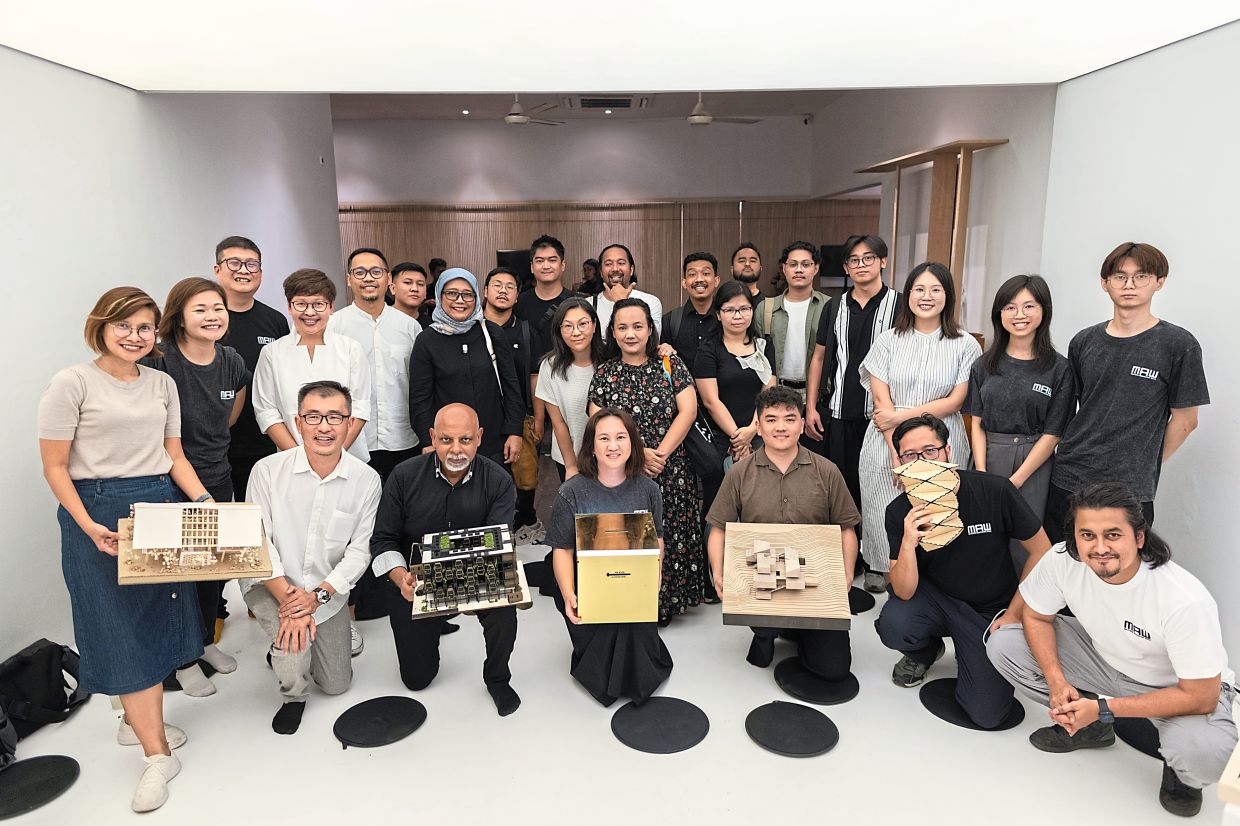
Architects from Malaysia and Indonesia, including representives from Ikatan Arsitek Indonesia (IAI) at MAW 2026 Jakarta. Photo: Tirta Winata
Beh (right) presenting his model of durian catcher canopies at a durian orchard visitor centre. Photo: Tirta Winata
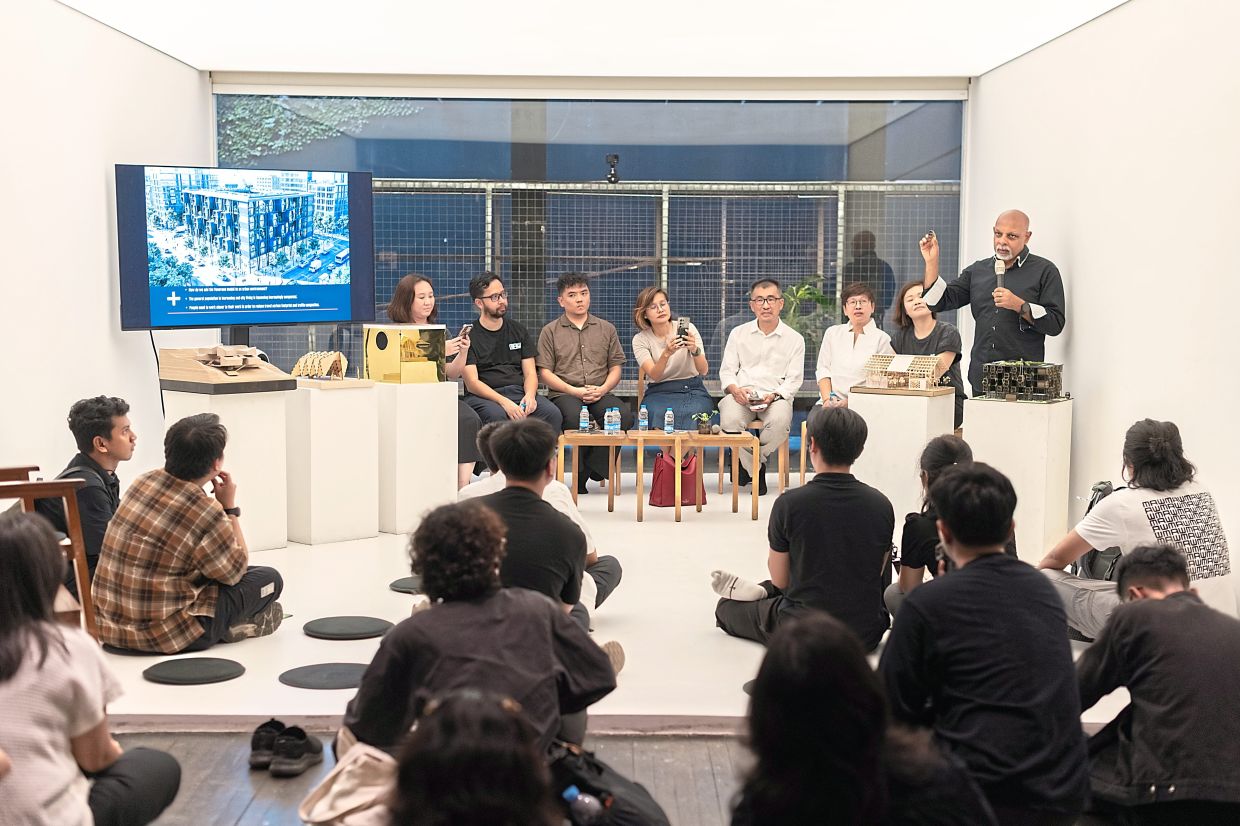
Presentation of models and ideas by participants at MAW 2026 Jakarta. Presenter is Melvyn Kanny (standing). Photo: Tirta Winata
Wong with her 'Ambient Element' exhibit which focuses on sensory architecture and encourages visitors to slow down and pay attention to their surroundings.