
When people think about healthcare careers, the first professions that come to mind are often doctors, nurses and pharmacists.
Yet, behind every patient monitor, medical imaging system, rehabilitation device and digital health platform is another group of professionals helping to shape modern healthcare: biomedical engineers.
As healthcare becomes increasingly technology-driven, the role of biomedical engineering is growing in importance.
Advances in artificial intelligence (AI), medical imaging, wearable health devices, medical electronics as well as hospitals’ facilities planning and management are transforming the way healthcare is delivered.
Thus, it creates demand for professionals who understand both engineering principles and clinical needs.
At its core, biomedical engineering brings together two disciplines that have traditionally operated separately: engineering and medicine.
The goal is simple but powerful – to develop technologies that improve patient care, support healthcare professionals and create more efficient healthcare systems.
This convergence is especially relevant as healthcare systems worldwide face mounting challenges: ageing populations, rising rates of chronic disease and the need for accessible, affordable services.
Engineering solutions such as assistive devices and data‑driven diagnostics are increasingly part of the answer.

For students interested in both science and technology, biomedical engineering offers a unique opportunity to contribute directly to these innovations. The Bachelor of Biomedical Engineering Technology (BBET) (Hons) at the University of Cyberjaya (UoC) is designed around this interdisciplinary approach.
Students gain exposure to medical instrumentation, biomedical electronics, healthcare systems, rehabilitation technology, biomedical signal processing, tissue engineering and medical imaging – all areas where engineering meets real healthcare challenges.
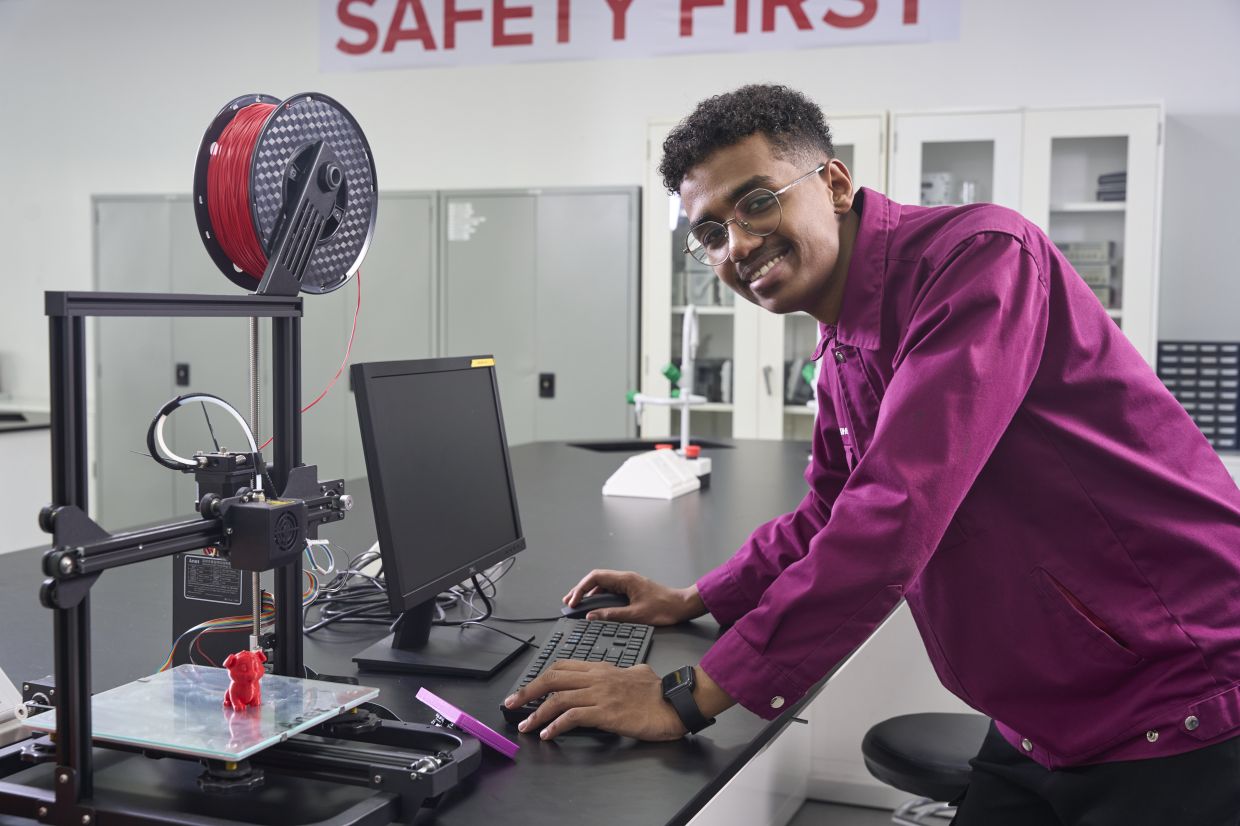
Learning extends well beyond the classroom. Laboratory work, simulation‑based learning and industry exposure ensure students develop practical skills and problem‑solving capabilities that reflect the realities of medical technology environments.
This applied approach bridges the gap between theory and practice, preparing graduates to contribute effectively from the start of their careers.
School of biomedical engineering (SBME) head Assoc Prof Dr Nor Kamalia Zahari explains: “Biomedical engineering technology plays an important role in supporting modern healthcare, from medical devices and digital health systems to emerging healthcare solutions.
“At UoC, our BBET programme focuses on developing graduates with the technical knowledge and practical skills needed by the healthcare technology sector.
“This reflects our commitment to ‘Engineering Technology for the World’ by preparing graduates who can contribute to better healthcare solutions for society.”
The programme is accredited by the Engineering Technology Accreditation Council (ETAC) under the Board of Engineers Malaysia (BEM).
Through ETAC’s signatory status to the Sydney Accord, the programme is internationally recognised, demonstrating compliance with global quality standards and facilitating graduate mobility and professional opportunities in participating countries.
Graduates are prepared for diverse career pathways across hospitals, medical device companies, healthcare technology firms, research institutions and regulatory bodies.
Whether developing rehabilitation devices for stroke recovery, advancing AI-enabled imaging for early detection, or designing smarter healthcare systems, BBET graduates are equipped to make a tangible impact.
For students seeking to combine an interest in engineering, technology and healthcare, biomedical engineering offers a pathway into a field where innovation directly improves lives.
Prospective students and parents can learn more about the BBET and other programmes at the UoC Open Day on July 18 and 19, where they can meet academic staff, explore facilities and discover future-ready pathways in healthcare innovation.
Register here