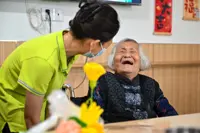
THE word “care” is a simple, four-letter word, but the work it represents is anything but.
Much of it happens quietly behind closed doors: in homes, communities and families, which is why the care economy is often described as invisible.
At its core, the care economy encompasses both paid and unpaid work.
Paid care includes childcare providers, nurses, caregivers, domestic workers, eldercare providers and social workers.
Unpaid care, meanwhile, takes place quietly every day – parents raising children, adults caring for ageing parents, family members accompanying loved ones to medical appointments, preparing meals, managing households and providing emotional support.
When we think about economic growth, we naturally look towards investment, innovation and technology. Yet none of these can flourish without people.
Someone must raise tomorrow’s assets, support today’s workforce and ensure older persons and vulnerable family members receive the care they need.
Without care, society simply cannot function as it should.
Changing demographics, changing needs
Currently, Malaysia finds itself at an important demographic crossroads. According to the National Policy for Older Persons (DWEN), a country is considered an aged nation when 15% of its population is aged 60 and over. Malaysia is projected to reach this point by 2036.
At the same time, fertility rates continue to decline while life expectancy improves. Malaysians are living longer, families are becoming smaller, and more households rely on two working adults.
Together, these demographic and social shifts mean that more people need care, fewer family members are available to provide it and more working adults are balancing employment with caregiving responsibilities.
As a result, both the demand for care and the way it is provided are changing.
According to the United Nations Development Programme’s 2024 report, Enabling Investments into the Malaysian Care Economy, developed in collaboration with the Women, Family and Community Development Ministry (KPWKM), every RM1 invested in care services can generate returns of up to RM7 through increased employment and productivity.
The benefits extend beyond financial returns. Investment in the care economy creates opportunities for businesses, improves the quality of care and protection for vulnerable groups, and enables more people to participate in the workforce, supporting sustainable and inclusive economic growth.
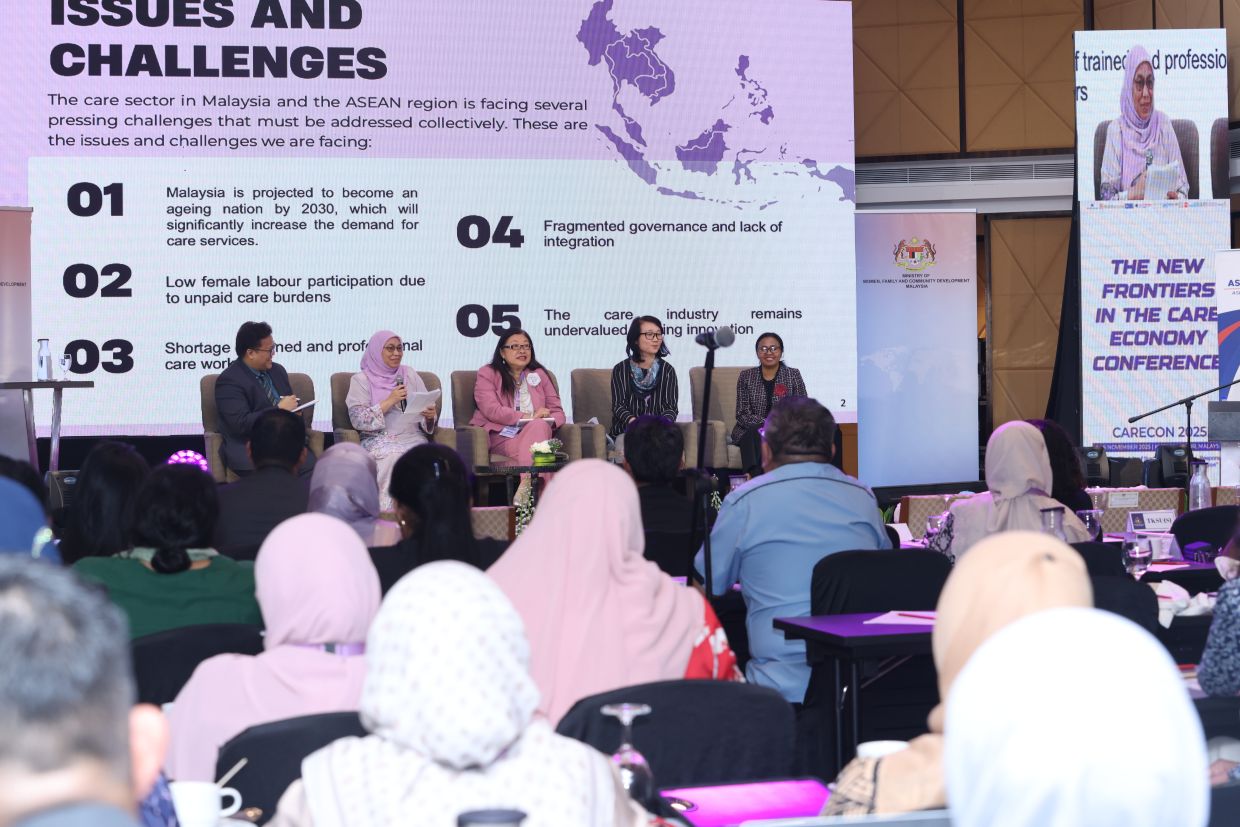
Research by the Institute of Strategic and International Studies (ISIS) Malaysia estimates that unpaid care and domestic work contributes approximately RM379bil annually, an amount broadly comparable to Malaysia’s entire manufacturing sector.
At the same time, an estimated 3.2 million Malaysians, predominantly women, face barriers to participating fully in the workforce because caregiving responsibilities limit their employment opportunities.
These figures highlight an important reality: strengthening care systems is not only about improving social well-being but also unlocking economic potential.
With more accessible and dependable care services, more people with caregiving responsibilities can remain in or return to work. This allows more Malaysians to contribute to the economy, with the resulting increase in workforce participation and productivity estimated to generate about RM77bil annually. That is equivalent to around 5% of the country’s gross domestic product (GDP).
Rethinking care
Care should no longer be viewed solely through the lens of welfare or social protection but an issue of economic resilience.
Malaysia is not alone in confronting these challenges. Across the Asia-Pacific region, countries are adapting to ageing populations, declining birth rates and changing family structures.
The World Health Organization has projected a global shortage of approximately 10 million health and care workers by 2030. At the same time, care providers are navigating rising operating costs, workforce shortages and growing demand for specialised services.
These trends demonstrate that ageing is a global reality and strengthening care systems is becoming an international priority.
In Malaysia, we must respond through coordinated planning, stronger governance, and a long-term vision that recognises care as a fundamental pillar of national development.
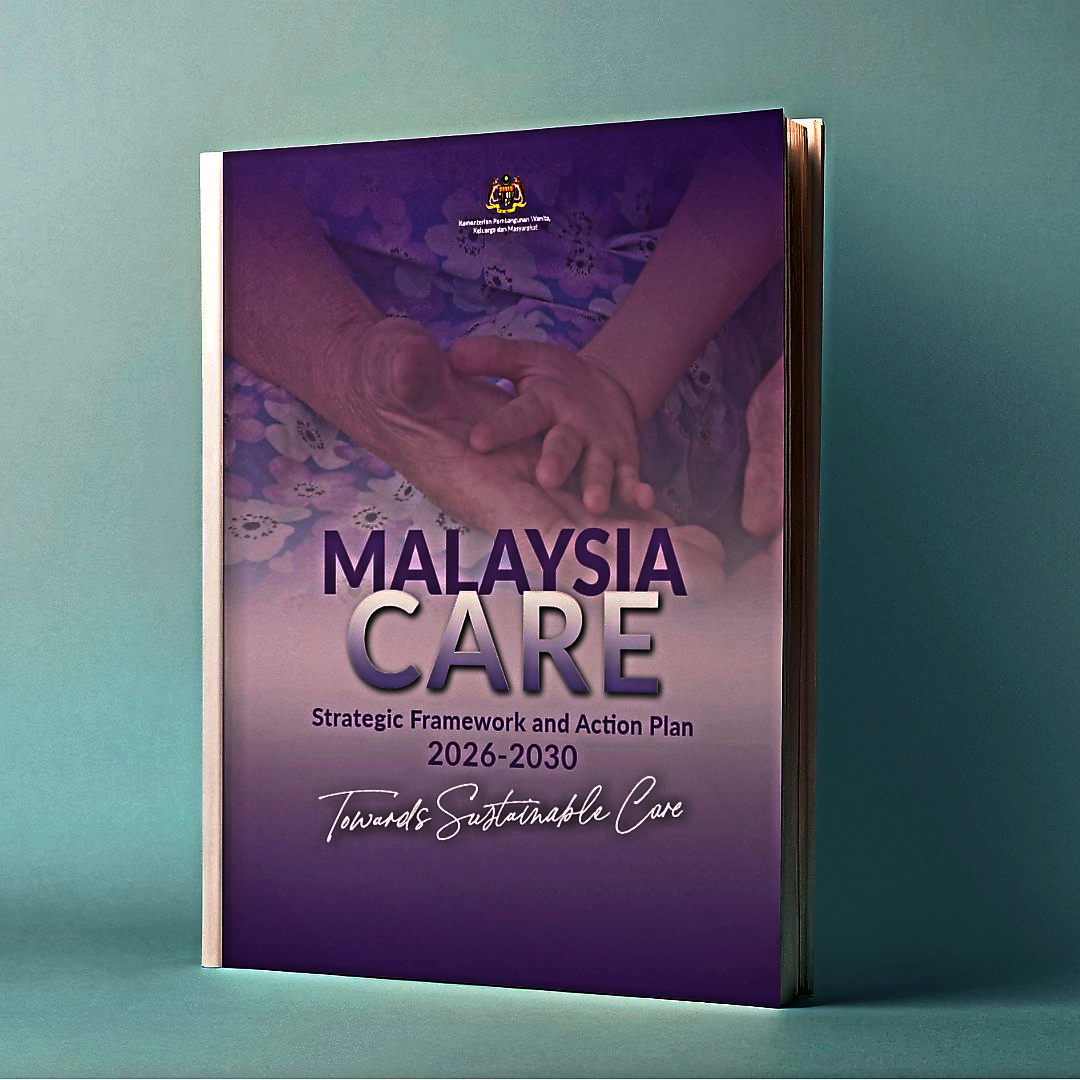
The Malaysia Care Strategic Framework and Action Plan 2026–2030 (MyCare), launched by KPWKM, provides a clear roadmap for strengthening the country’s care ecosystem through a more strategic and integrated approach.
Apart from expanding care services, the framework aims to strengthen governance and legislation, recognise the contribution of the care workforce and caregiving as a profession, encourage collaboration across sectors, enhance research capabilities, integrate technology and improve the collection and use of data.
At the heart of these efforts is investment in the people who deliver care.
As demand continues to increase, Malaysia will need a larger pool of skilled and qualified caregivers supported by clear career pathways, professional accreditation and opportunities for lifelong learning.
Developing a sustainable care economy means recognising caregiving as a respected profession with meaningful career prospects rather than simply an extension of informal care arrangements.
Formalising and uplifting the care sector is equally important. Higher standards, stronger oversight and better training will improve the quality, safety and consistency of care services across the country.
To support this objective, the Ministry has introduced several important initiatives.
Funding has been allocated under Budget 2026 to implement caregiving training through the Caregiving Programme, with the aim of developing competent caregivers equipped with practical skills in caring for older persons and persons with disabilities.
The Ministry is also developing the National Care Standards for Older Persons and Persons with Disabilities, which will establish clearer benchmarks and standards of care to ensure quality, accountability and safety while safeguarding the dignity and rights of care recipients nationwide.
Together, these initiatives represent important steps towards building a care ecosystem that is more professional, coordinated and sustainable.
Nevertheless, the government cannot meet the growing demand for care on its own. Achieving a strong and sustainable care economy requires a whole-of-society approach, and no country can achieve this in isolation.
Recognising this, KPWKM has established strategic partnerships with United Nations agencies, The Asia Foundation (Malaysia) and the Australian High Commission to help accelerate Malaysia’s care economy agenda. These partnerships bring together international expertise, technical support and best practices to help Malaysia strengthen its care ecosystem in response to the needs of an ageing population, persons with disabilities, children and caregivers.
They also support efforts to strengthen policies, raise care standards, develop the care workforce, and improve the quality and accessibility of care services nationwide.
Strengthening Malaysia’s care system will require strong partnerships among public institutions, care providers, researchers, non-profit organisations and local communities, to name a few.
Employers, in particular, have an important role in creating workplaces that better support employees with caregiving responsibilities through more inclusive and family-friendly practices.
Demographic change should also be viewed as an opportunity. Growing demand for healthy ageing services, rehabilitation, assistive technologies and innovations within the silver economy presents significant opportunities for investment, entrepreneurship and job creation.
A strong ecosystem
As care needs evolve, so too must the systems that support them. We need to be aware that access to care depends not only on the availability of services, but also the overall ecosystem which includes transportation, housing, digital connectivity and the broader community.
That is why future care models will need to be more adaptive and community-oriented, responsive to changing lifestyles.
This matters most for those who are often the most vulnerable: older persons living alone, persons with disabilities and individuals without strong support networks.
During the Ministry’s visits to communities and care facilities, we have met older persons who are bedridden, individuals living with disabilities and families doing their very best to care for loved ones despite limited resources.
For many of us, they may one day be someone we love. We may also find ourselves navigating the realities of ageing or becoming caregivers.
Building a stronger care ecosystem today means ensuring that no one is left without the support they need tomorrow. It is an investment in people, families and Malaysia’s future.
The decisions we make today will determine whether every Malaysian can live with dignity, independence and the assurance that care will be there when it matters most.
Datuk Dr Maziah Che Yusoff
Secretary-General
Women, Family and Community Development Ministry