Kindness is often associated with how we treat fellow human beings. But what about the animals that roam our neighbourhoods or struggle to survive on the streets?
For them, kindness can mean the difference between life and death. Unable to speak for themselves, animals depend on humans for protection, care and sometimes, a second chance at life.
Five Malaysians who have dedicated their time to helping animals share how everyone can play a part, even without adopting or becoming a rescuer.
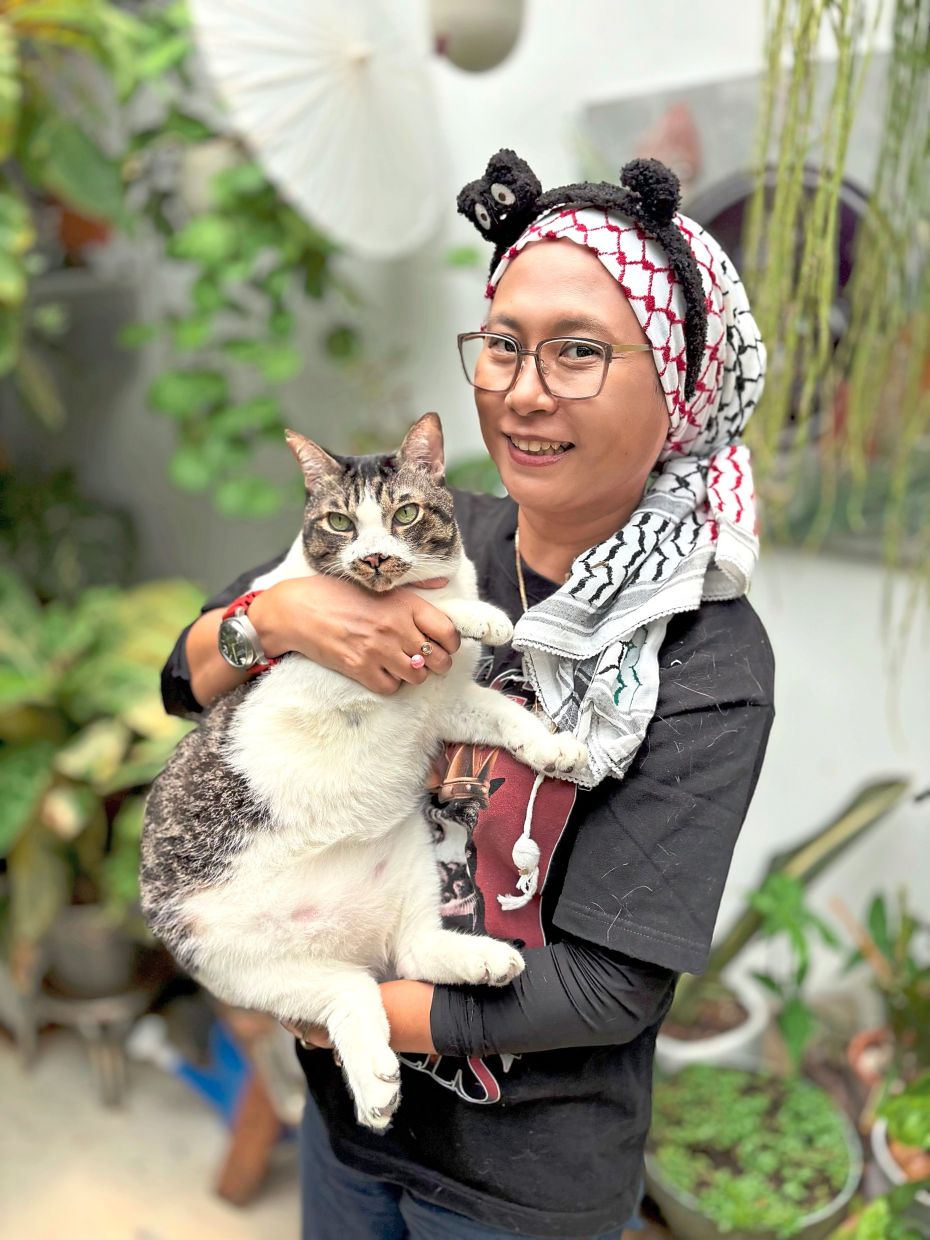
Her first rescue among all her feline companions is Foxy, a tabby kitten abandoned behind her mother’s house in Shah Alam in 2014.
“There were actually a few kittens from that litter but I could only get to her because it was raining heavily and the rest of the kittens ran off,” she recalls.
Growing up, Jan watched her mother adopt unwanted animals, including cats found at markets and food stalls. The habit of helping animals in need stayed with her into adulthood.
Although she can’t take in more cats, she continues to support animal welfare organisations and independent rescuers.
She says people don’t have to rescue every animal they encounter to make a difference.
“Try to do one good deed a day,” she says, sharing that she often carries cat food and treats in her bag.
However, she emphasises that kindness must be accompanied by good judgement. People should verify animal welfare organisations before donating and check prospective adopters or fosterers to ensure animals are not being exploited.
Jan also advocates humane approaches to managing stray populations, including trap-neuter-release (TNR), which helps manage overpopulation.
Rather than resorting to violence when an animal becomes a nuisance or appears threatening, she urges people to seek help from trained rescuers or relevant authorities.
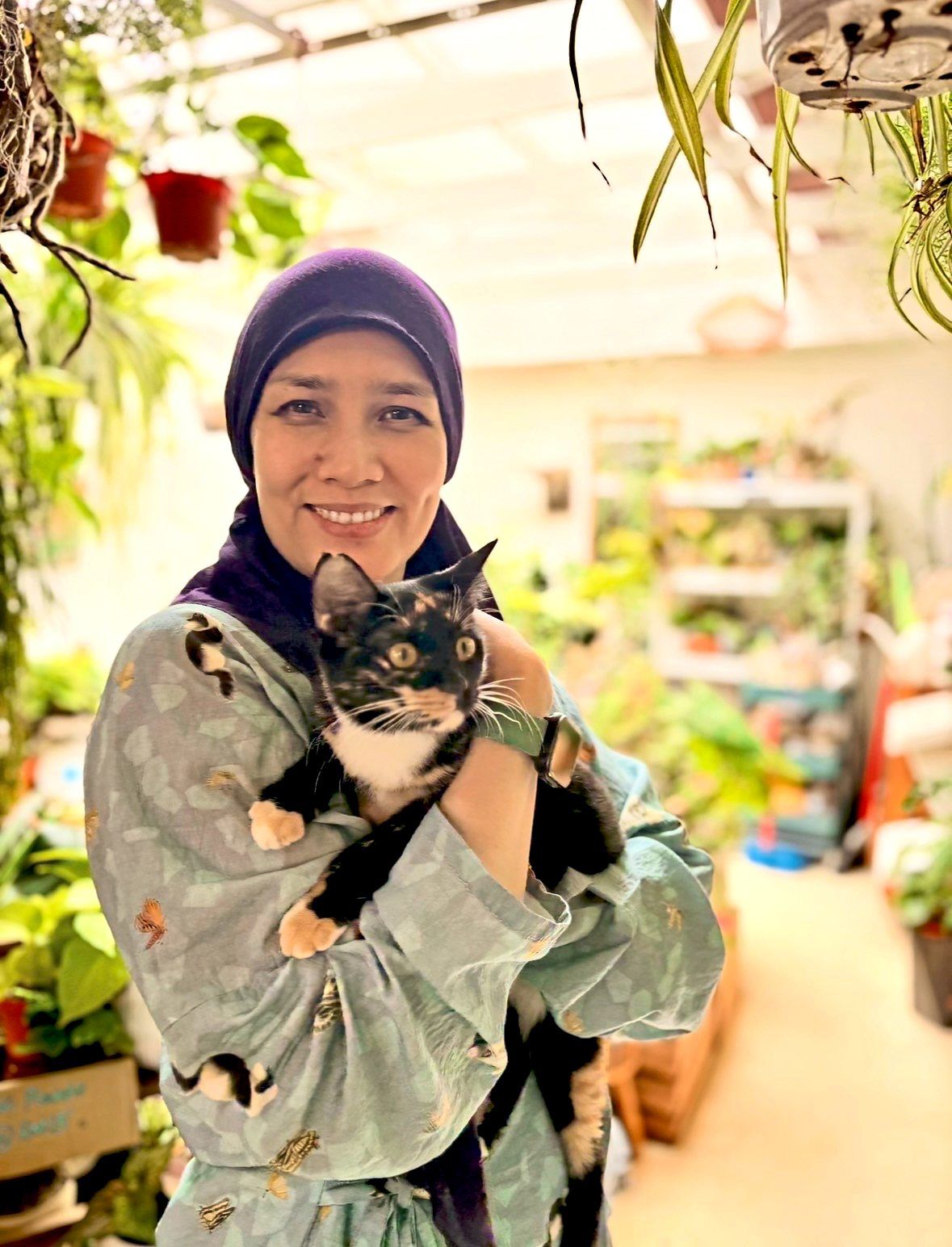
She calls them “micro rescuers” – individuals who take in one or two cats at a time without the resources or experience of established animal welfare organisations.
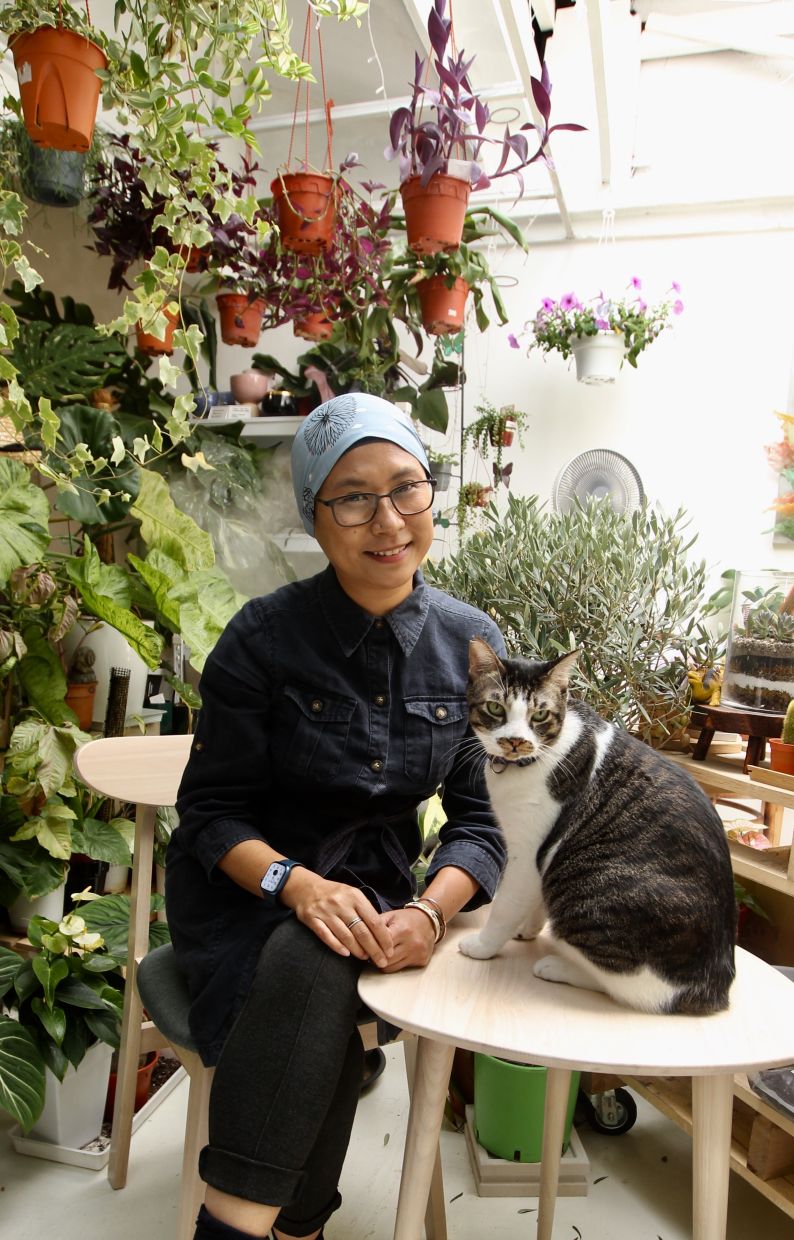
To help them, Jehan turned her business into a platform where they can showcase cats for adoption and receive support with their care. Her involvement started after someone abandoned a cat outside her premises.
“I felt it’s my calling to help these cats. It just came naturally,” she says.
Having witnessed animals being neglected or abandoned after adoption, Jehan believes “finding a home should never take priority over finding the right one”.
Her adoption process includes screening prospective owners and asking them to show their home environment through a video call. She also discourages giving cats as gifts, preferring to assess the person who will actually care for the animal.
People sometimes underestimate the commitment involved in pet ownership, she says. A kitten may seem appealing initially, but feeding, cleaning, veterinary expenses and daily care continue long after the novelty wears off.
“We want to know whether the person is qualified or responsible enough to take care of a life,” she explains.

The Kuala Lumpur-based web developer adopted Rosie in 2022 after she was found abandoned in a box with her siblings.
One kitten died, while another was adopted by its fosterer because of its disabilities.
Taha adopted another kitten, Finn in 2023 to keep Rosie company when he started working in an office. Rosie had separation anxiety when she was left alone at home.
The two cats have since become part of his family, each with a distinct personality.
“They bring so much joy into our home – yes, even when they’re naughty, they create many wonderful memories for and with us,” he says.
Taha believes adoption is meaningful because many urban animals have become dependent on humans for food, shelter and medical care. Yet he recognises that not everyone has the resources to bring an animal home.
His suggestion is to help within one’s means, whether by connecting an injured stray with a rescuer, finding organisations that can provide assistance or supporting sterilisation efforts. He strongly advocates spaying and neutering.
For Taha, kindness also comes with a lasting obligation.
“They don’t live as long as humans, so they’re there for a portion of our lives but we’re there for their whole lives,” he says. “Essentially, we’re their whole life.”
The first was a female cat found in a monsoon drain. Moi climbed in to rescue her and brought her to a veterinarian for a check-up and vaccinations.
The couple initially brought her to an animal shelter but changed their minds after seeing the number of cats there and learning about their uncertain prospects if they weren’t adopted.
They brought her home instead. She is now 18 and lives safely indoors.
Their other two cats were found in a stranger’s car engine and abandoned outside a veterinary clinic.
Looking back, Moi believes kindness doesn’t require grand gestures.
"Sometimes, kindness is people like you and me, doing what we can in our own way to help, because you know it’s the right thing to do,” he says.
Even carrying extra kibble to feed strays, sharing adoption appeals on social media or giving a rescued animal a loving home can make a difference.
He also believes that people who have lost a beloved pet can honour that bond by opening their hearts to another animal in need when they feel ready.
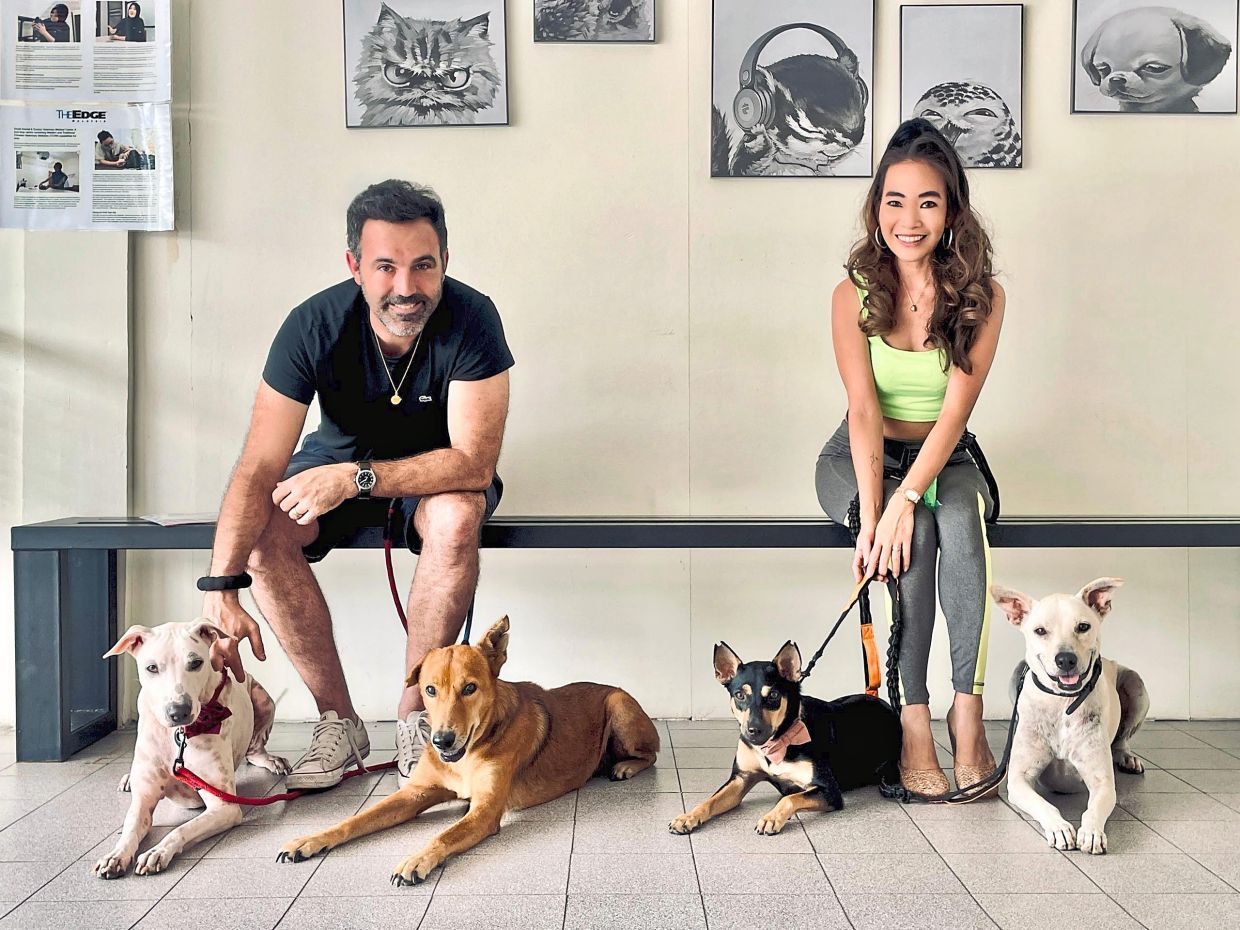
While individual acts matter, animal welfare activist Sue Ann Kong believes Malaysia also needs a more coordinated approach to show kindness to animals.
“Kindness without responsibility is sentiment. Responsibility without compassion can become cruelty. We need both,” she says.
Responsible ownership means understanding the long-term commitment involved in keeping a pet, providing veterinary care, vaccinating and sterilising animals, and never abandoning them.
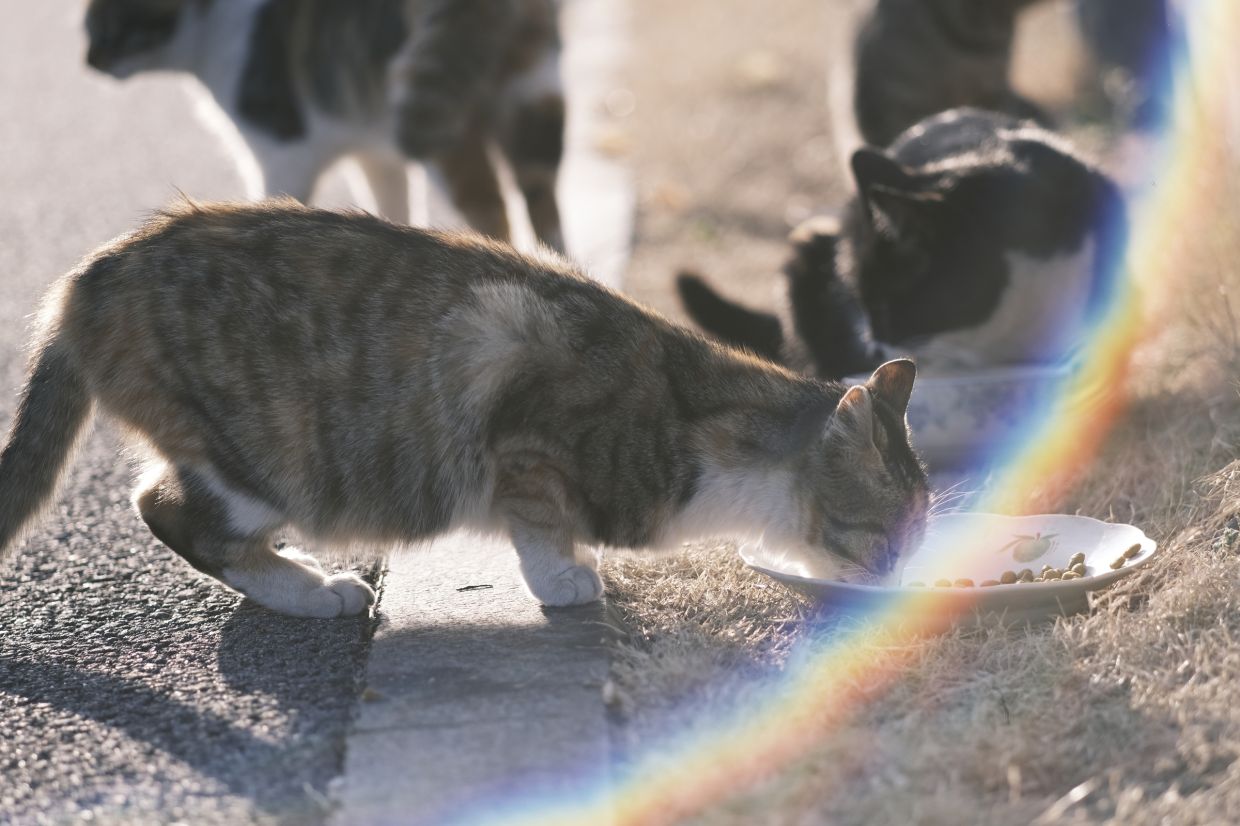
For community members who feed strays, she stresses the importance of keeping feeding areas clean and ensuring that food is provided responsibly.
Feeding without addressing sterilisation and abandonment, she says, can’t solve the problem of stray overpopulation.
She also encourages the public to report cruelty through the Department of Veterinary Services (DVS) online reporting portal, document incidents safely and follow-up with the relevant authorities.
She advocates supporting and volunteering with legitimate animal welfare organisations and joining long-term efforts to improve animal welfare. Ultimately, she believes how a country treats its animals reflects its values and commitment to becoming a more humane society.
The stray saviours
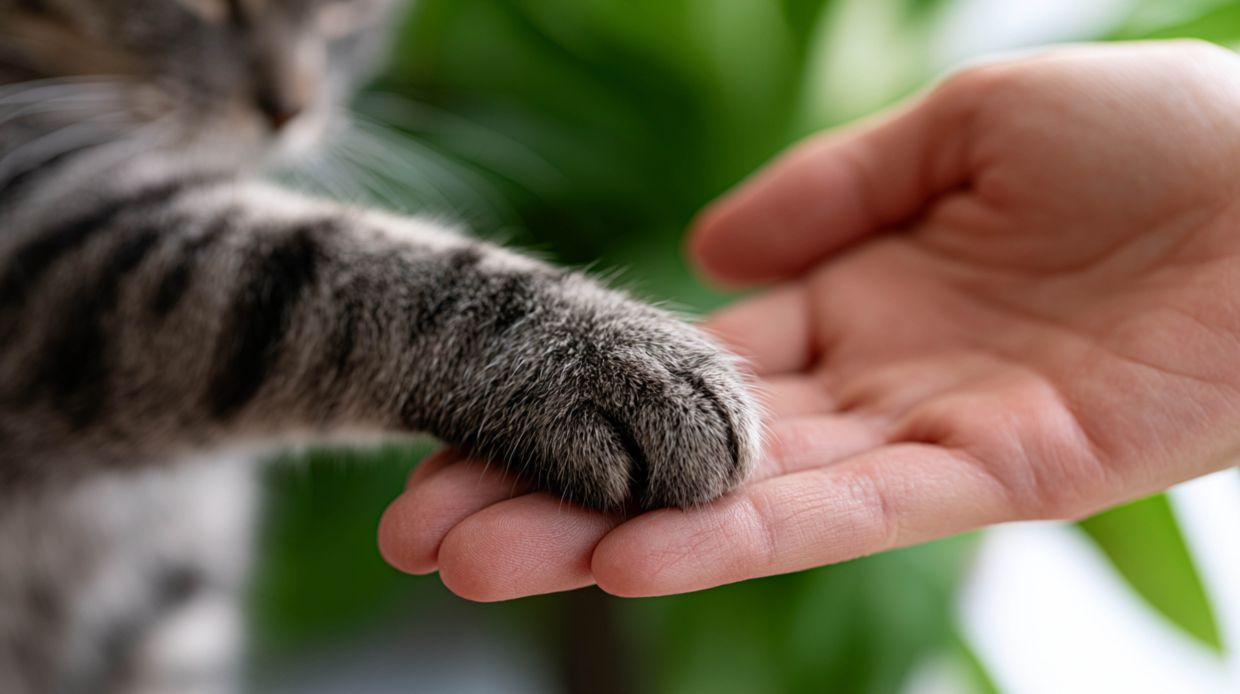
We can show kindness to animals in many ways: feeding, rescuing, fostering, adopting, and others. Photo: Vecteezy
Jehan with one of her foster cats which is up for adoption.
Taha, who adopted two cats says kindness to animals is reciprocal.
Jan with Biggie Smalls, a cat that was involved in a bad accident where his tail had to be amputated, and who is now living his best life after being adopted by her.
Kong (right) and husband Mazime Galinier with their four rescued furkids (from left) Cherry, Uncle David, Kopi and Scallop. Photo: Sue-Ann Kong
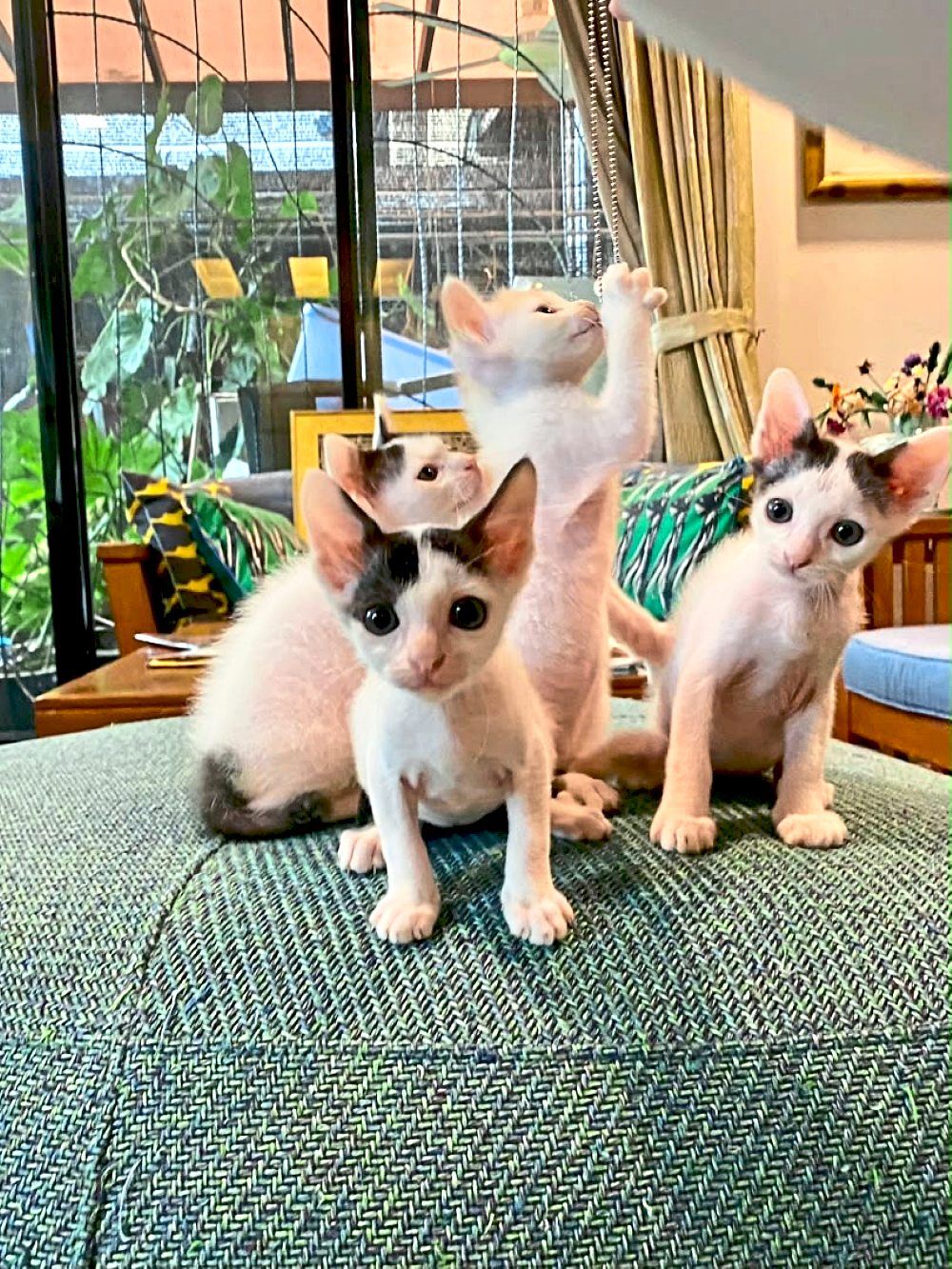
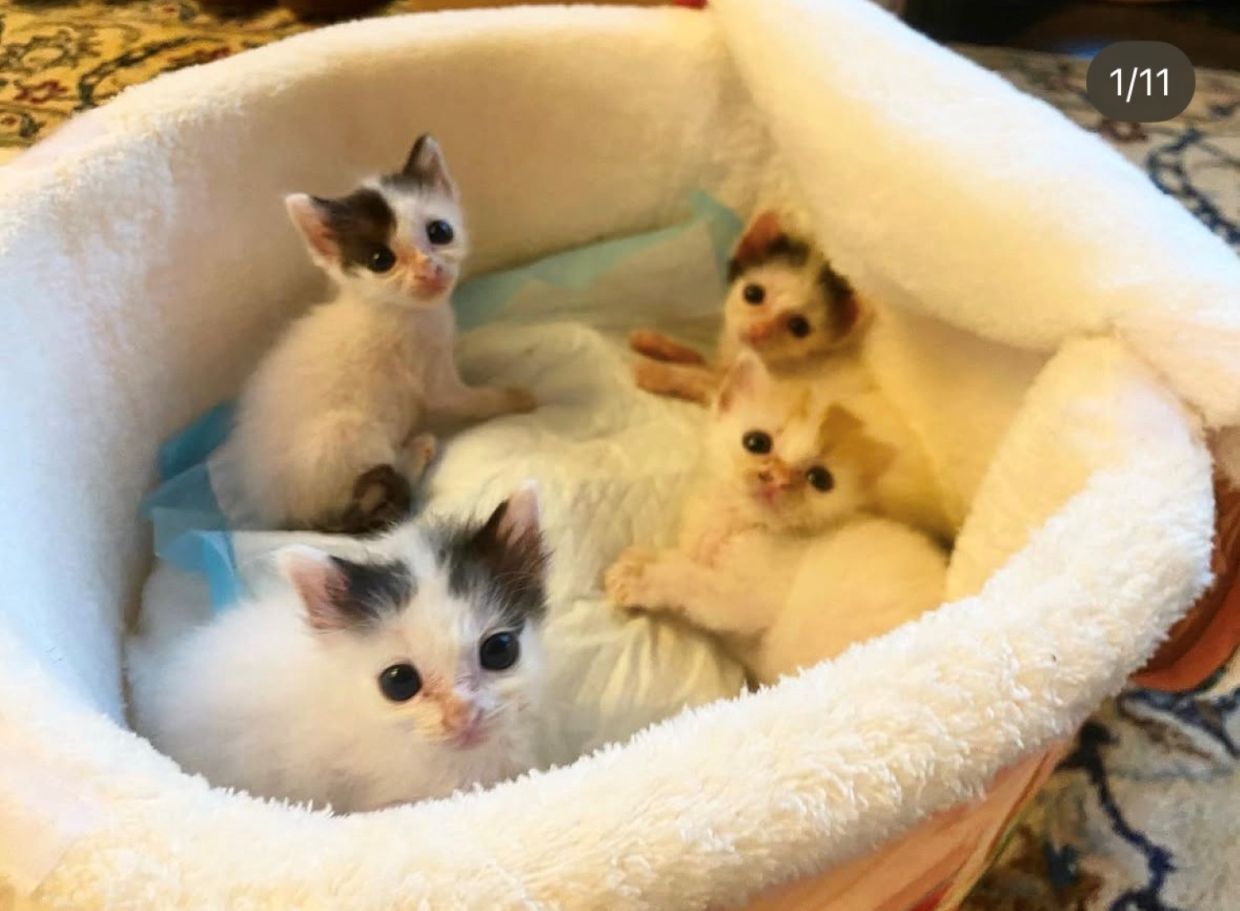
The four kittens found abandoned in a field were rescued and adopted by Jan. Photo: Taman Hati
One of Jan's latest rescues are these four kittens found abandoned in a field near her cafe. Photo: Taman Hati
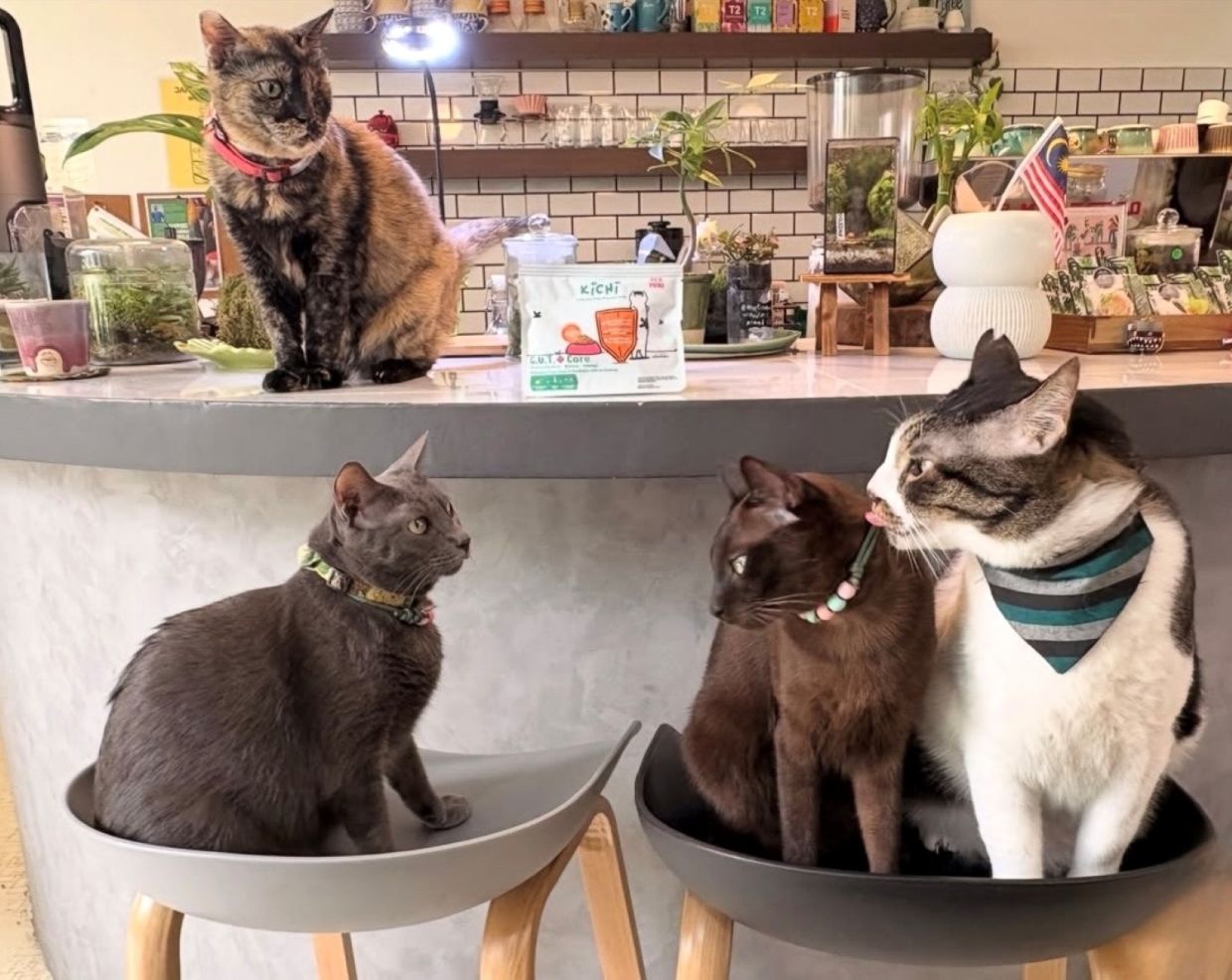
Jan's four rescued cats (from top left) who are now permanent residents: Jenny One Eye, Se7en, Mocha and Biggie Smalls. Photo: Taman Hati
Every little bit of kindness helps, even feeding stray cats responsibly. Photo: Vecteezy
Jan with one of her rescues, Biggie Smalls. Photo: Kamarul Ariffin/The Star