
One of the best ways to learn about a new destination is by visiting local museums, as they often give curious travellers a glimpse into the location’s culture, history and people.
These spaces typically display artefacts and documents from bygone days, but some actually defy the norm, putting on exhibits that are either unique or a little odd.
For example, instead of a roomful of beautiful art, a museum in the United States shows off “bad art”. There’s also a museum that shows visitors the many different types of lavatories found around the world, and throughout the years.
Weird? Yes. Fascinating? Most definitely.
If you are one for visiting off-kilter attractions, here’s a list of nine museums that you may want to add to your travel list.
1. Sulabh International Museum of Toilets (India)
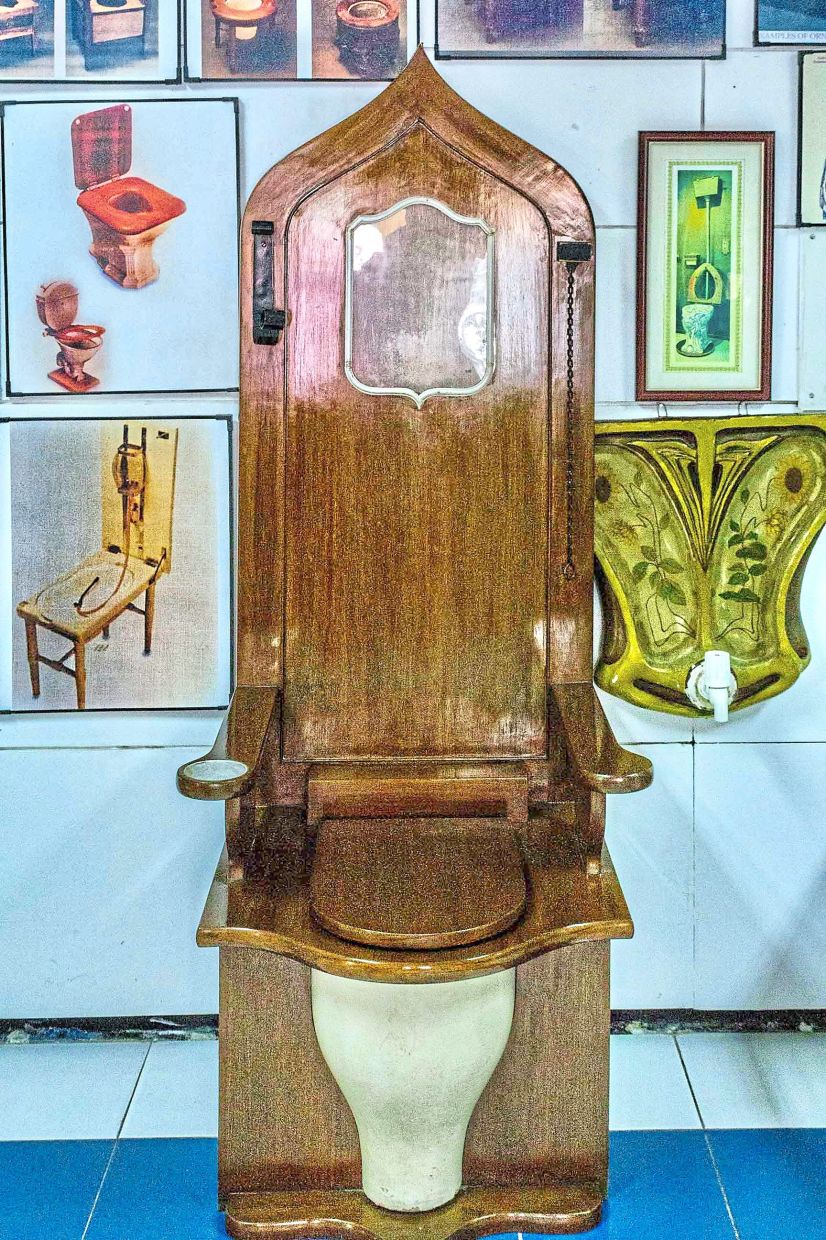
Here’s a museum that’s dedicated entirely to toilets. This bizarre spot in India’s New Delhi delves deep into the history of sanitation from around the globe.
Among its many interesting exhibits is the replica of French King Louis XIV’s throne, which has a built-in commode so he could conduct court business in public while taking care of ... his bodily “business”.
Founded by social activist Dr Bindeshwar Pathak, the Sulabh International Museum of Toilets – opened in 1992 – is part of the Sulabh International Social Service Organisation, which has been advocating sanitation in India for decades.
Having an extensive collection from ancient chamber pots to ornate Victorian toilet seats, the museum earned itself a spot in Time magazine’s list of Top 10 Weirdest Museums in the World in 2014.
You will also find China’s toy commodes and electric toilets from the US here.
More than just for entertainment or educational purposes, however, the museum also sheds light on important issues. For instance, India’s struggle with poor sanitation is driven not only by poverty but also cultural attitudes.
It is said that the absence of working toilet facilities in many households in the country was largely due to the perception that having a toilet inside one’s home is unhygienic. Things began to take a positive turn in recent years when the government launched an initiative to build toilets for homes in India.
Learn all about the evolution of toilets for free at the Sulabh International Museum of Toilets.
2. Hair Museum of Avanos (Turkiye)
Whenever you travel, you often want to bring home a keepsake to remember your trip by. But in Cappadocia, Turkiye, there is a place where you can leave something behind instead – your hair.
Located in the basement of a pottery shop, the Hair Museum of Avanos is an unusual attraction.
Forget the hot air balloons. This unique museum showcases over 16,000 locks of hair – unless you work in a hair salon, we bet you will never see so much hair in one place in your life – each donated by women from around the world.
Hanging from the arched ceilings and covering the walls, each lock comes with a handwritten note bearing the donor’s name.
The museum was Turkish potter Chez Galip’s idea.
It all began when a friend of his had to leave town and as a farewell gift for him, she cut off a piece of her hair. Upon learning this, other women started giving a piece of their hair to Galip, leading to his vast collection today.
According to the museum’s website, twice a year (in June and December) a special visitor to Galip’s shop is invited to pick 10 hair samples from the walls.
The women of the selected hair will supposedly win a free week-long holiday in Cappadocia, where they can also participate in pottery classes led by Galip himself.
It’s his way of giving back to the women, who helped turn his collection into one of the world’s most peculiar museums.
3. Torture Museum (Netherlands)
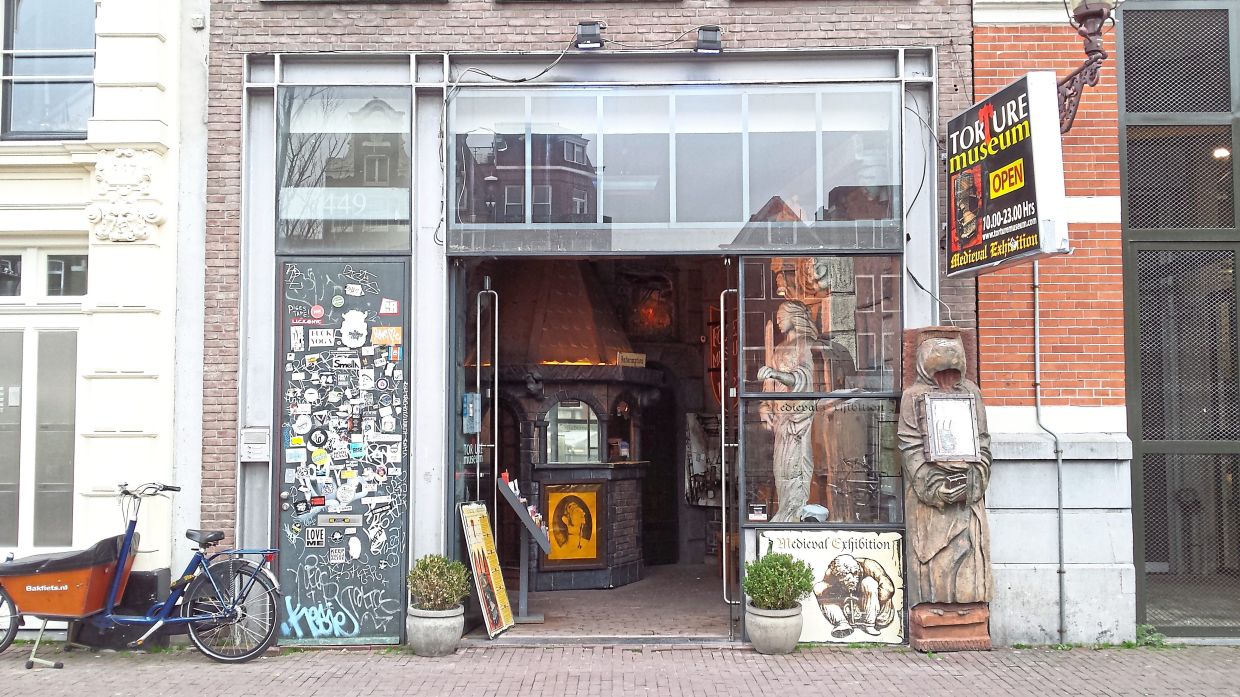
The Medieval era is often remembered as a dark and brutal time in Europe. Stepping into the Torture Museum in the heart of Amsterdam, in the Netherlands, you will find yourself transported back to the Medieval times.
This museum houses some 40 instruments of punishment, and each one tells of a haunting story of the past.
Among them are a torture chair covered with spikes on its armrests, back and seat, and a guillotine.
Collected from different parts of Europe, the exhibits come with explanations in several languages, providing insights into cruel punishments that were once regularly administered.
There are also posters with graphic images illustrating how each instrument was used. It is definitely not for the faint of heart.
For those who are curious enough, though, book a guided tour via the museum’s official website to learn more about the painful history of Europe’s past.
4. Museum of Bad Art (United States)
When you think of art, you would naturally picture something pleasing to the eyes. But in truth, art isn’t always about perfection, and the Museum of Bad Art proves just that.
This quirky museum celebrates creativity in its raw form (and as its website says, “in all its glory”), preserving works that traditional art galleries would reject.
What started in the basement of someone’s home in Boston, Massachusetts has grown into two locations: One inside Dorchester Brewing Company that’s also in Boston, and another at Salon du Bad Art in Quebec, Canada.
Over the past 30 years, the museum has amassed more than 800 pieces of such artworks. Some were donated by artists while others came from garage sales, flea markets and even dumpsters.
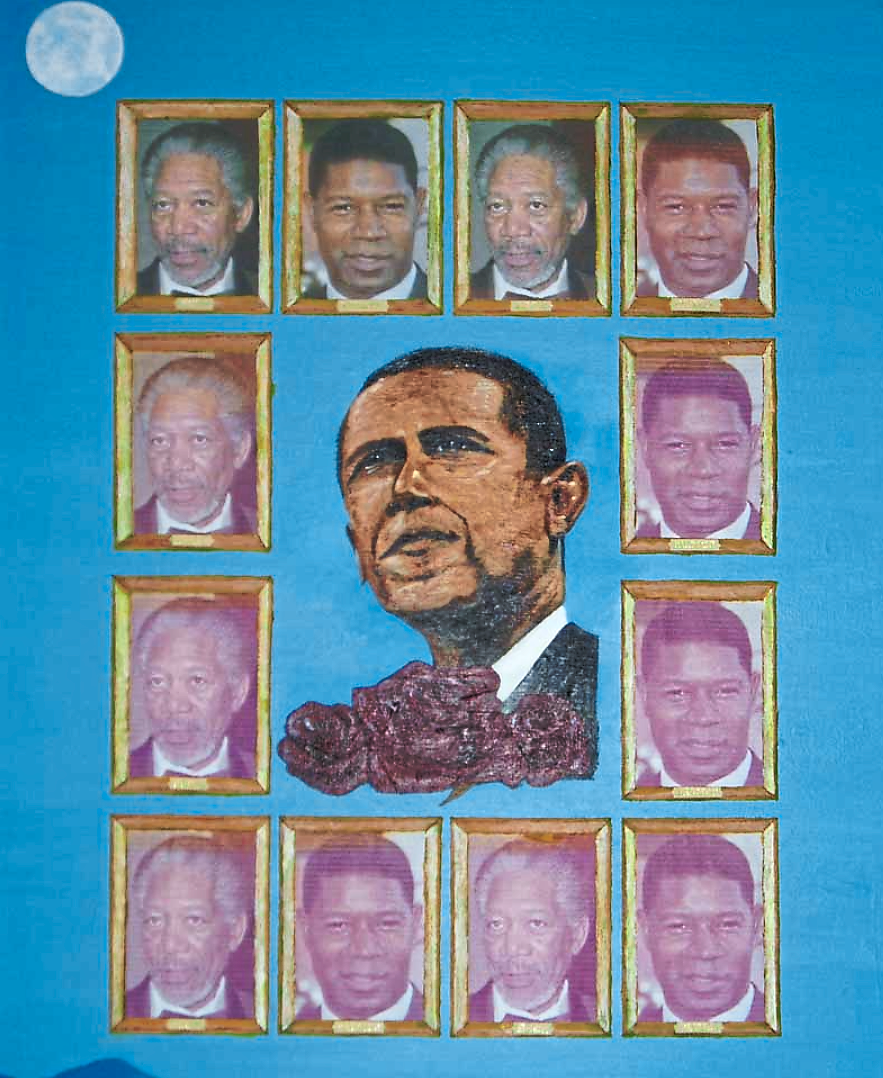
The collection includes segments like “Dopplehangers” and “Poor Traits”.
As its name playfully suggests, Dopplehangers are paintings meant to vaguely resemble real-life people like the former US presidents Barack Obama and Bill Clinton.
The Poor Traits, meanwhile, is a series that highlights flawed features. Imagine wonky proportions and odd perspectives.
This museum illustrates that art is highly subjective and does not have to be perfect to be worth appreciating.

5. Dog Collar Museum (England)
Within the expansive compound of England’s historical Leeds Castle lies a treasure trove of canine collars.
At the Dog Collar Museum, you can find more than 130 rare collars that go as far back as over 500 years ago.
That said, one of the oldest collars on display once belonged to a Spanish iron herd mastiff in the late 15th century.
Dog collars, historically made of leather and sometimes embellished with spikes, were designed to protect dogs from attacks by wild animals, especially from bears and wolves targeting their necks.
Over the centuries, the designs of collars evolved, too. They leaned toward beauty, with some having intricate designs, symbolising wealth.
The museum’s collection began in the 1970s when Gertrude Hunt donated her prized collars from across Europe – in memory of her husband – to the Leeds Castle Foundation.
Since then, the collection has continued to grow, with contributions from the public, making it a one-of-a-kind celebration of dogs through history.
6. Museum of Broken Relationships (Croatia)
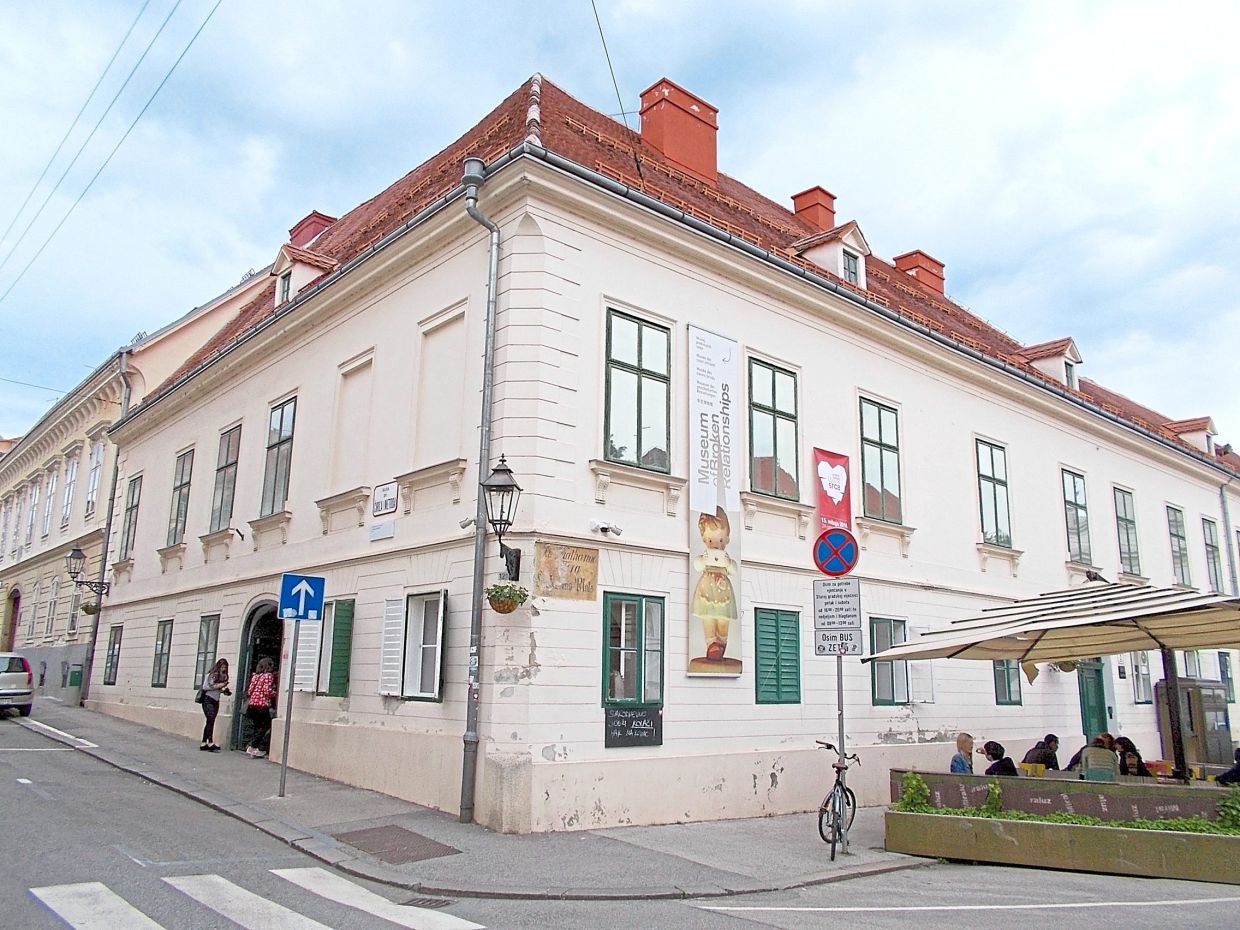
Don’t toss out that trinket from your past relationship just yet, as you can give the item a second life at the Museum of Broken Relationships in Croatia.
The museum is a home for everyday objects of lost love. Each consists of a bitter memory of a relationship gone wrong.
This is not exclusively for romantic partners, but also relationships with family and friends that have gone askew.
Interestingly, the unique space was founded by former lovers Olinka Vistica and Drazen Grubisic. Their breakup inspired what was originally a travelling art project, touring 68 cities and 35 countries, before turning into a permanent museum in Zagreb in 2010.
Venturing inside the museum today, you will find items like an ex’s belly button lint, a lone stiletto heel (the other shoe was kept by the ex as a memento) and even discarded appliances, now reminders of love stories that didn’t last.
Among the appliances are a hairdryer and an iron. The latter comes with only a short but bittersweet note, “This iron was used to iron my wedding suit. Now it is the only thing left.”
Late last year, the museum opened a second home in Thailand’s Chiang Mai, offering a space for similar relics.
7. Museum of Paris Sewers (France)
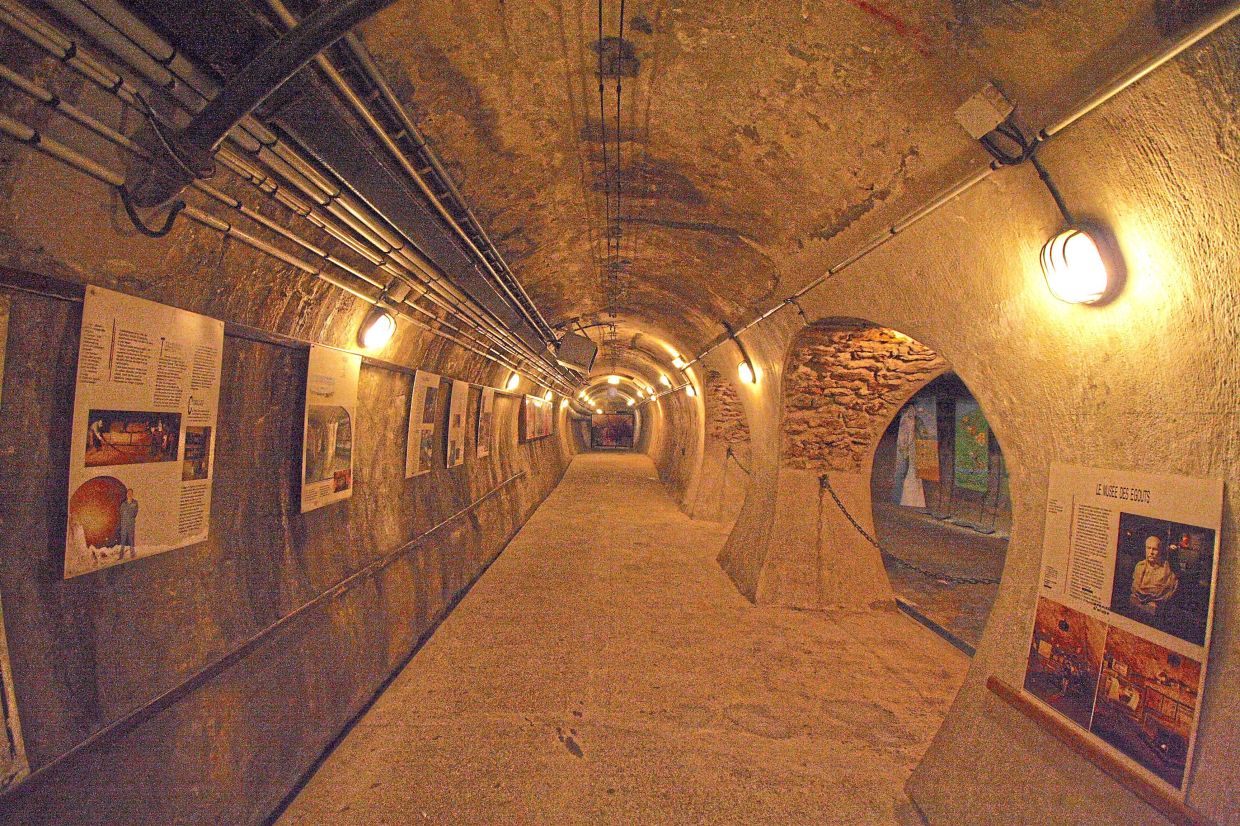
Some dream of visiting the City of Light, while a few others wonder about what goes on beneath it. If you are one of them, then check out the Museum of Paris Sewers in, er, Paris.
This museum is actually the city’s vast underground sewer system that has existed for centuries. Sections of it are open for viewing.
Since opening its doors to the public in the 1970s, the museum has welcomed visitors from all over the world who want to explore its tunnels and learn how the intricate network keeps Paris moving.
Measuring 2,600km, the sewers house immersive exhibitions, covering its fascinating history and transformation of the city’s sanitation in an interactive manner.
When you are here, you will not only discover how waste and rainwater are filtered and cleaned, but also about the people who work tirelessly to keep the system running. Guided tours are available upon booking.
8. Meguro Parasitological Museum (Japan)
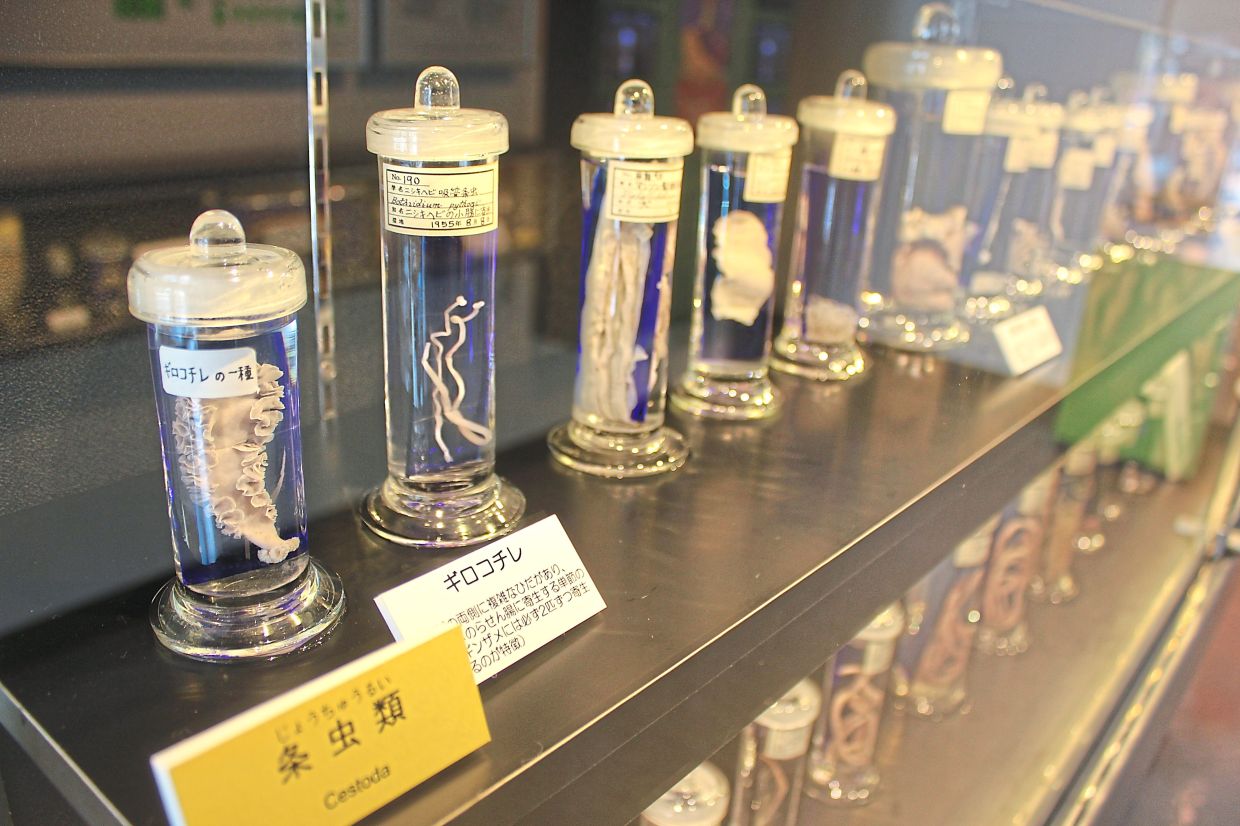
We have heard of the danger of parasites in food, which usually thrive in raw and unclean food. At Japan’s Meguro Parasitological Museum, you can see these creepy creatures up close (without risking your health).
Opened more than 70 years ago, the museum houses a whopping 60,000 specimens, with about 300 on display to the public.
It was the brainchild of Dr Satoru Kamegai, who began collecting parasites from patients at a time when poor sanitation left Japan plagued by parasitic diseases. It was also aimed to raise awareness of these organisms that live inside both animals and humans.
The museum’s most eye-catching exhibit is an 8.8m-long tapeworm, preserved in a jar. It once “resided” in a man’s intestines; he had unknowingly eaten a parasitic egg that was living in a serving of raw salmon in 1986. Within just three months, the parasite grew into the metres-long specimen in his body.
Although Satoru passed away in the early 2000s, his museum continues to educate and fascinate many visitors.
9. Disgusting Food Museum (Germany)
Food has always been more than just something to eat; it is a way to immerse yourself in the local culture.
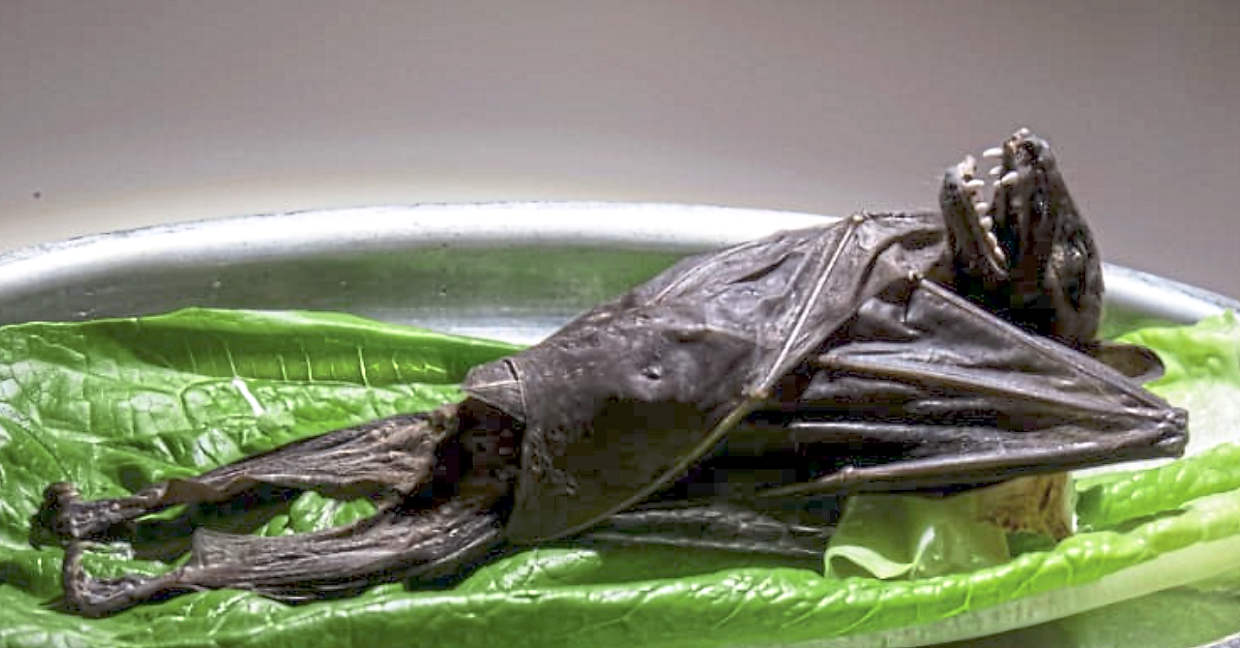
But Sweden’s Disgusting Food Museum in Malmo has a different idea. Instead of showcasing the typical everyday food found across the country, it shines a spotlight on some of the world’s most “revolting” foods, or rather, what some may consider an acquired taste.
With over 80 types of unusual foods that you can see, smell and even taste, the museum’s intention isn’t to gross you out, but to challenge the way you perceive food.
You will probably stumble upon South-East Asia’s king of fruits, the durian.
Among the delicacies you can try are Peru’s roasted guinea pigs (locally called cuy), Sweden’s fermented herring (surstromming), and Italy’s casu marzu, a maggot-infested cheese.
But these aren’t even the most extreme. Ttongsul is a traditional Korean wine with child faeces that is believed to have had medicinal benefits.
So, head to the museum’s tasting bar and treat yourself to some of these so-called “disgusting” foods.
If you can’t make it to Sweden, Berlin in Germany also has similar exhibits.