
Since spring began in March, flowers have been blooming everywhere. Japan, specifically, is gently veiled in a soft, luminous filter of colour.
From bustling city streets, open parks and riverbanks, to ancient castles, temples and shrines – everywhere you turn, there are blossoms.
Let’s start with the sakura. The Somei Yoshino variety blooms like a tide – grand in scale, yet tender in hue. When a breeze passes through, petals fall like snow, landing lightly on the ground, as well as on shoulders and heads.
People sit beneath the trees, lift cameras and phones to capture fleeting moments of light and shadow. The soft “click, click” of camera shutters is more than a sound – it’s as if spring itself is being preserved frame by frame.
Yet while today, this activity is enjoyed by everyone and everywhere in Japan, it has not always been the case.
If we turn back the clock to the 19th century, sakura appreciation was largely reserved for the aristocracy and the samurai class. The one who brought it into the lives of ordinary people was Japan’s 122nd emperor, Emperor Meiji.
In 1868, at just 15 years old, he reclaimed imperial power and demonstrated remarkable vision in shaping the nation’s future. A lover of cherry blossoms, he ordered the widespread planting of Somei Yoshino trees across the country, transforming what was once ornamental into something shared.
Roadsides, parks, riverbanks, schools, and residential areas all began to fill with sakura.
This was not merely horticulture, it was the beginning of cultural democratisation. Those who planted the trees created shade for future generations.
More than 150 years later, when people gather beneath them in the gentle warmth of spring, they are unknowingly partaking in a “gift” rooted deep in history.
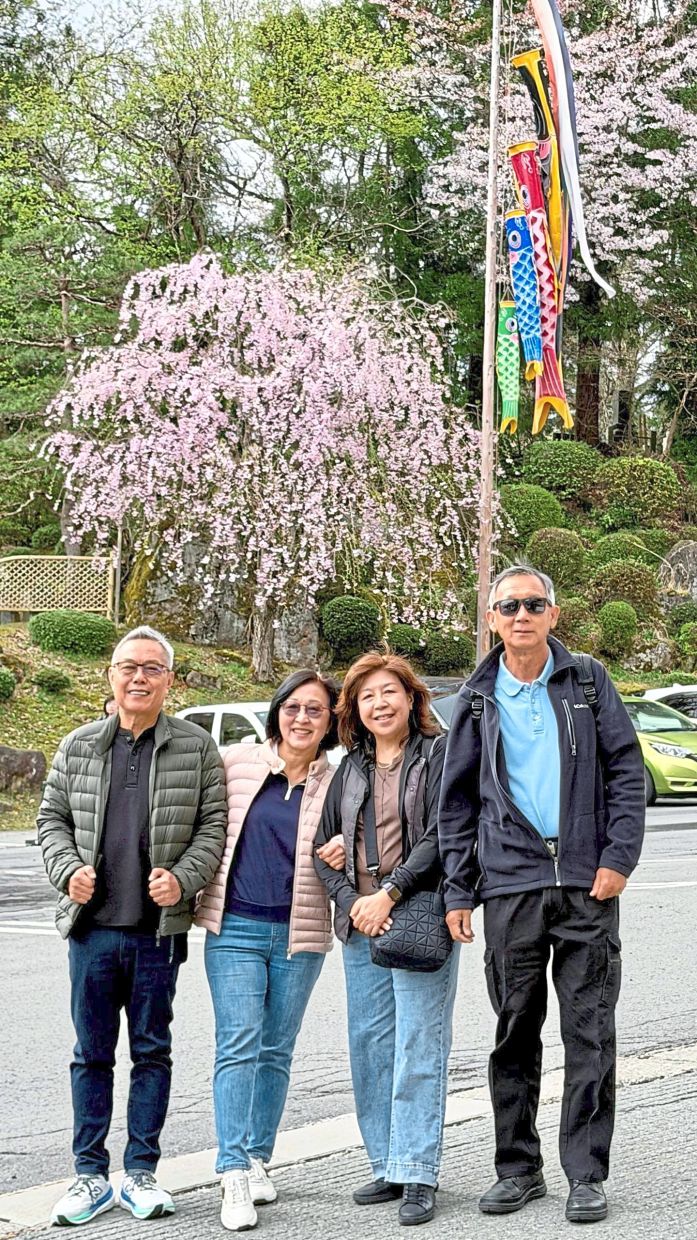
We stepped into the Meiji Shrine in Tokyo. Passing beneath towering wooden torii gates, surrounded by over 10,000 century-old cypress trees, the city’s noise seemed to vanish in an instant, leaving only the sound of footsteps and wind.
By chance, we encountered several couples getting married. Some brides wore traditional white shiromuku, while others came from distant lands, yet all chose this sacred space for a Shinto ceremony. In that moment, tradition and modernity, East and West, blended seamlessly.
Behind it all lies the great transformation that reshaped Japan – the Meiji Restoration.
“Leaving Asia, entering Europe” may sound radical, but at the time it was a necessary jolt. Within just a few decades, Japan leapt from a feudal system into a modern nation. People began wearing suits and bowler hats, dancing Western dances, listening to classical music, enjoying French cuisine and wine.
Beef, once taboo, became a staple, while bread entered daily life. European languages, too, became essential learning. Politically, Japan introduced parliamentary and electoral systems, established a constitutional monarchy, and appointed Ito Hirobumi as its first Prime Minister, serving four terms in total.
In short, Japan didn’t just catch up with the West – it reinvented itself at astonishing speed.
By April, under blue skies and drifting clouds, carp streamers (koinobori) flutter across towns and countryside. This 400-year-old tradition was originally meant to bless boys aged three, five, and seven – to wish them strength, health, and resilience. Following the Meiji era reforms, May 5th became known as Children’s Day, expanding the meaning of this tradition.
And then comes the highlight: Golden Week. From late April to early May, the entire country enters motion. In 2025, over 20 million domestic trips were made in just eight days. For the tourism industry, this isn’t peak season, it’s printing season (a time to boost marketing and promotions).
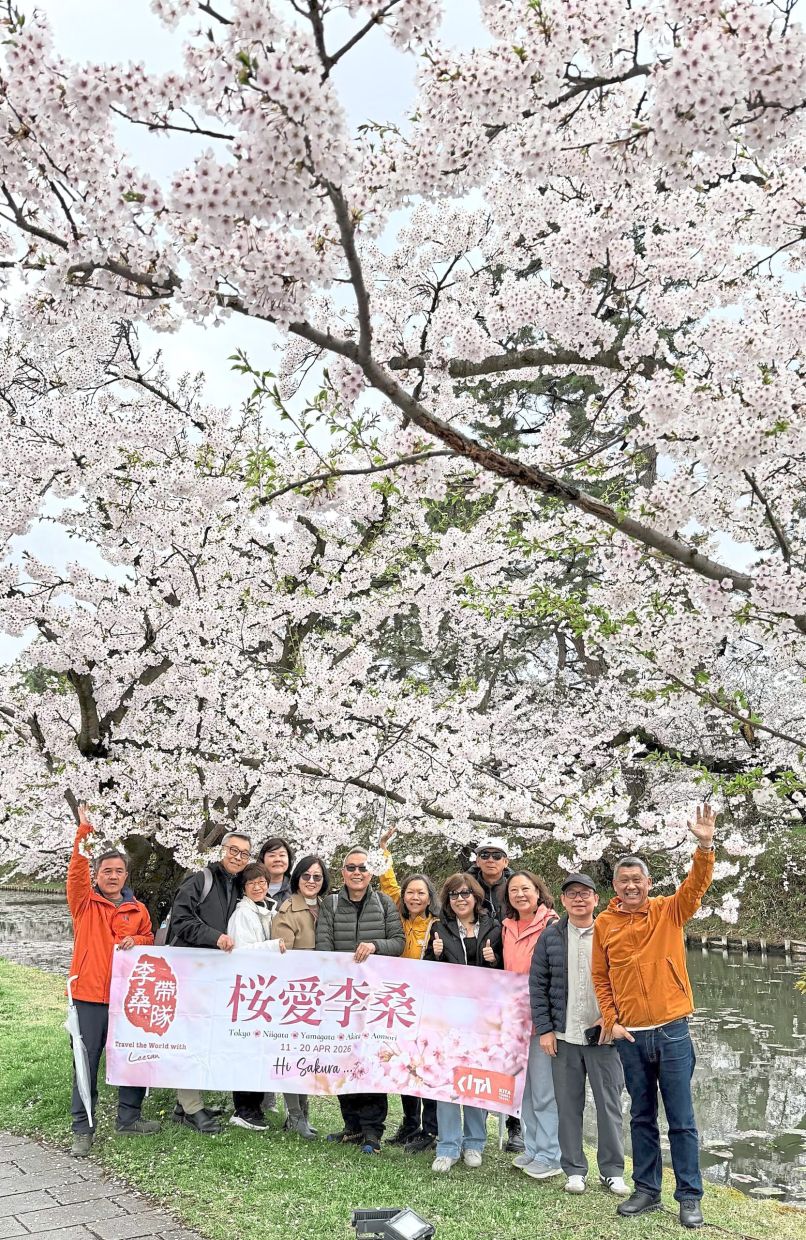
Zooming out further, Japan welcomed 42.68 million international visitors in 2025, with 11.3 million arriving between March and May alone. In other words, cherry blossoms are not just flowers, they are gateways of attention and movement.
Japan plays this masterfully. Rather than crowding visitors into one place, they leverage the “sakura front” – the blooming trail that moves from south to north. Travellers are gently guided along this path: Kyushu to Kansai, Kansai to Kanto then to Tohoku, and finally, Hokkaido.
As a result, regional cities like Miyazaki, Matsuyama, Kakunodate, Hirosaki, and Hakodate all share in the flow. This isn’t luck, it’s design.
Impressive? Very.
A single flower, mobilising a nation’s economic engine. And right behind the sakura come wisteria, moss phlox, lavender ... it’s an ongoing seasonal performance.
With the yen’s depreciation, the sakura boom has reached unprecedented heights. The so-called “cherry blossom economy” is no poetic metaphor, it is a tangible industrial chain: transport, hotels, dining, retail, cultural products, regional tourism. There’s layer upon layer of interconnected activities.
The blooming period lasts only seven to 10 days, yet it unleashes consumption worth hundreds of billions.
This is not merely nature, it is a meticulously orchestrated, time-sensitive national tour.
Of course, commerce is never absent. An international coffee chain released limited-edition sakura cups that make for the cutest collectible. Convenience stores roll out endless variations of sakura bento and desserts; red bean daifuku often sells out as soon as it hits the shelves.
What you think you’re buying is simply a snack, but what you’re really buying is a moment in time.
Miss it, and it’s gone.
This “limited-time romance” is something Japan understands deeply.
But still, the true charm of sakura lies not in economics, but in its brevity.
Seven to 10 days – from full bloom to falling petals – clean, decisive, without hesitation. Just as you grow accustomed to its presence, it starts to leave. Many call it melancholic; I find it honest. Life is much the same: no bloom lasts forever, and there is no need to cling to permanence.
Even more beautiful is that by the time the petals fall, fresh green leaves have already begun to emerge. This translates to: while you are still mourning a passing, the new cycle has already started.
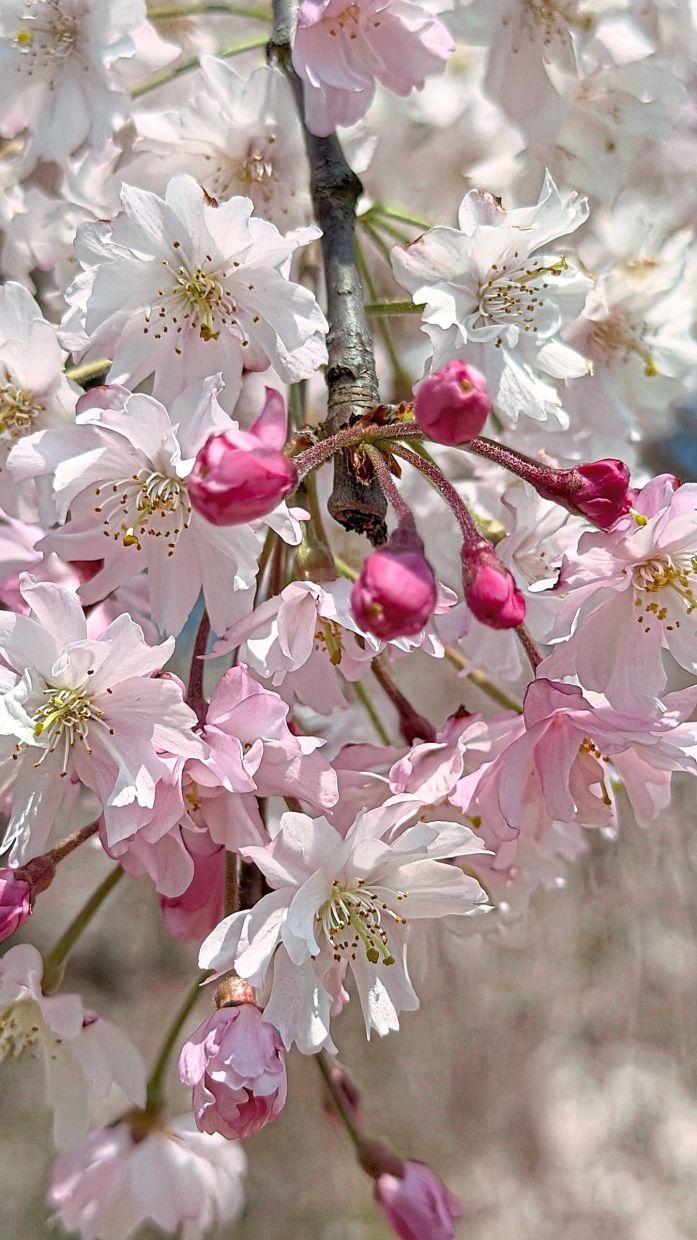
This quiet transition is perhaps the most moving aspect of cherry blossoms. Which is why, when the petals fall, people are not sorrowful, but instead carry a sense of release, as if a promise with spring has been fulfilled.
Perhaps this is what sakura truly teaches us. Life is not an endless banquet, but a series of seasons, each with its own fleeting bloom. What matters is not how long we blossom, but how fully we do so. When the moment comes, bloom wholeheartedly; when it passes, take your bow with grace.
This is what it’s like with flowers, and so it is with people.
That’s why I often tell my travel companions that viewing cherry blossoms is not about chasing flowers, but about understanding what it means to be “just right”. The right weather, the right mood, the right people beside you. You were there when it bloomed, and you witnessed it falling too. That is enough.
Because you never know which season of blossoms will turn out to be the most perfectly timed one of your life.
The views expressed here are entirely the writer’s own.
Leesan, the globe-trotting traveller who has visited seven continents, including 164 countries and territories, enjoys sharing his travel stories and insights. He has also authored six books.