THE world is undergoing a profound demographic transformation. By 2030, the number of people aged 60 and above is projected to rise to 1.4 billion, while in Malaysia, the elderly are expected to comprise 15% of the overall population.
This accelerated demographic shift is placing increasing pressure on healthcare systems and long-term care.
“Current systems are largely not designed for long-term, complex ageing needs. Healthcare professionals must be trained to provide integrated, person-centred care, manage multiple conditions safely, and address geriatric syndromes, a group of complex and multifactorial conditions including falls, frailty, cognitive impairment, and urinary incontinence,” said Newcastle University Medicine Malaysia (NUMed) consultant psychiatrist, Assoc Prof Dr Suraya Yusoff.
Medical schools are at the forefront of addressing this challenge. Here, the Malaysian Society of Geriatric Medicine (MSGM) has introduced a national undergraduate curriculum to ensure all medical schools cover essential skills like cognitive assessment and management of geriatric conditions.
Over half of them currently adopt an integrated approach, incorporating ageing-related topics across clinical modules. NUMed is one of them.
“We emphasise a holistic approach to patient care, ensuring that students are trained to not only manage diseases but also promote healthy ageing,” explained NUMed Biomedical Sciences dean and the School of Biomedical, Nutritional, and Sport Sciences head, Assoc Prof Dr Madihah Rushaidhi.
“This includes the knowledge and skills to support prevention, early intervention, and long-term management of age-related conditions, with a strong focus on maintaining function, independence, and quality of life.”
A key strength lies in NUMed’s close academic alignment with Newcastle University, UK, where ageing studies are a core research focus.
Students benefit from an evidence-based learning environment, in which clinical decision-making is informed by current research and supported by strong academic expertise.
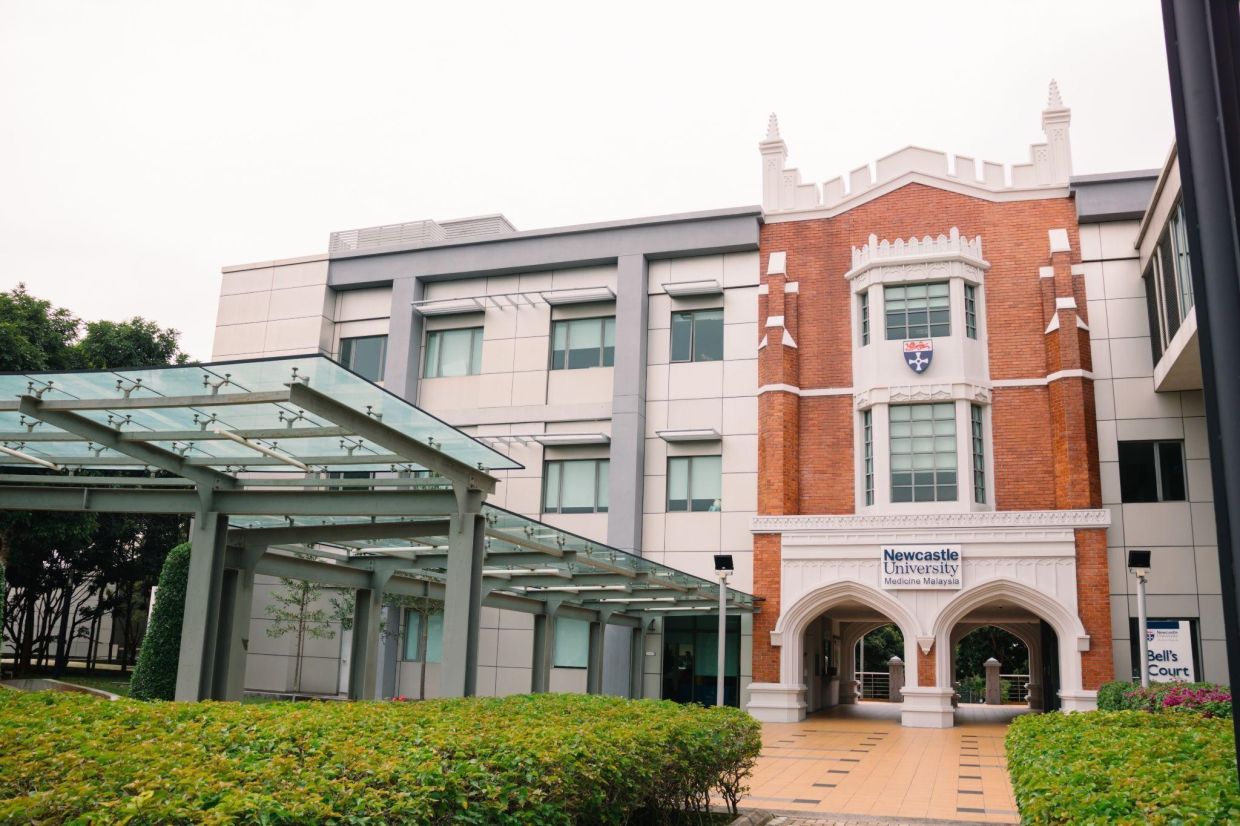
NUMed consultant psychiatrist Assoc Prof Dr Kartini Mohd Nor remarked that in NUMed’s Bachelor of Medicine, Bachelor of Surgery (MBBS) programme, geriatric sciences are introduced in the second year of medical studies.
“Students are taught about biological changes of ageing, the impact of ageing on health in later life, and healthcare policies related to ageing.
“The curriculum increases students’ awareness of the sociological and ethical aspects of ageing and explores changes needed to meet the future healthcare needs of the ageing population,” she said.
According to her, students undergoing clinical placements and clinical assistantships at partner hospitals in Johor learn about the effects of ageing on cognitive function, as well as physical and mental health, through interactions with patients and their caregivers.
Students are taught the importance of recognising caregiver stress, as the challenges involved can affect the well-being of caregivers and the quality of care provided.
Furthermore, the curriculum emphasises the active involvement of caregivers and patients in shaping more ageing‑centred and supportive healthcare policies.
“Students also have the opportunity to apply for a summer research programme at the Campus for Ageing and Vitality at Newcastle University, UK,” she added.
BSc Biomedical Sciences students are introduced to geriatric concepts with an emphasis on research and evidence-based practice.
They develop a strong foundation in normal human structure and function before critically examining, through current research and clinical evidence, how these change with ageing.
This approach enables them to understand the continuum from normal physiology to age-related alterations and disease processes, while learning to interpret and apply evidence in biomedical and clinical contexts.
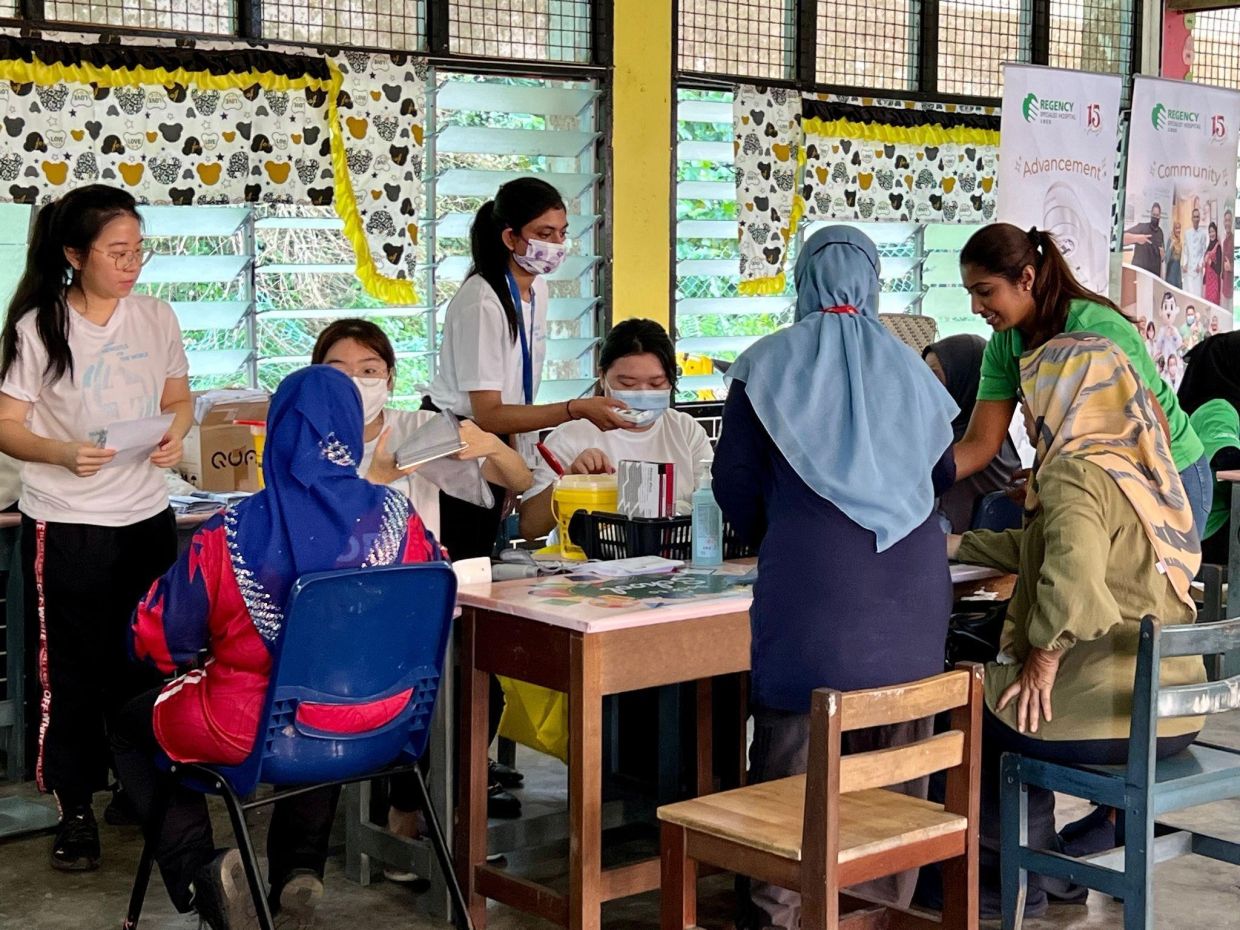
NUMed continues to translate theory into practice through community-driven initiatives, such as the Health Camp at Dewan Serbaguna PPR Larkin, on May 16 – organised by final-year MBBS students.
By offering comprehensive health screening and consultation services, the initiative not only enhances health literacy but also embodies the holistic, patient-centred care models essential for addressing the complex needs of ageing populations.
“Community engagement activities like this, alongside structured clinical teaching sessions, help students develop essential communication skills, empathy, and a deeper understanding of the social, psychological, and functional aspects of ageing,” Suraya added.
Take the next step in shaping age-inclusive healthcare. Find out more at http://www.newcastle.edu.my, email admissions@newcastle.edu.my, call +607-555 3800, or WhatsApp +6011-1231 5411/+6012-784 9456.