If you are prone to blush blindness, the latest beauty trend may be just what you need.
Blush blindness describes the inability to gauge how intensely blush appears on the skin, often after repeated applications or prolonged scrutiny in the mirror.
Enter anti-blush, a corrective approach that favours understated shades designed to look natural and complement the face’s existing contours.
Colour still plays a role, but fiery corals and vibrant pinks give way to muted mauves and barely-there beiges, which lend the skin a subtle wash of pigment.
Read more: Vanity Fare: Dessert-like fragrances are serving up sweetness with a twist
The aim is to sculpt the face while adding a healthy, understated flush to the cheeks.
One of the trend’s proponents is television personality Kim Senser, who described the technique as ideal “when you don’t want anyone to know you’re wearing blush, but you still want the benefits of blush”.
In a social media clip that has since garnered millions of views, Senser applied a plum-brown powder blush with a soft, grey undertone. She began with a small amount of product, concentrating the pigment on the apples of her cheeks before gently diffusing the edges.
The most crucial step, however, was knowing when to stop.
It resulted in a softly sculpted finish that blended seamlessly with the natural tones of her complexion.
While the terminology may be new – the internet does love a catchy beauty buzzword – the technique is hardly unfamiliar to the industry.
Muted blush has long been a favourite among celebrity makeup artists, especially when the intention is to let other elements of a look take centre stage.
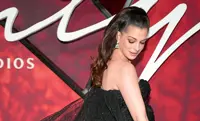
At the recent New York City premiere of Verity, for instance, actress Anne Hathaway opted for understated glamour, allowing her jewellery to shine.
Her cheeks were given just enough colour to enliven her complexion without competing with the rest of her look.
This approach to balancing visual weight has been employed time and again, including within the Asian beauty sphere, where softer, more subdued colours can complement delicate features.
Read more: What are multitasking cosmetics and why are they now a go-to beauty choice?
In Chinese beauty culture, a similar concept is known as “shrinking colours”, referring to low-saturation shades that create a slimming effect rather than simply brightening the complexion.
At their core, both approaches embrace the same principle – less is more.
Rather than overpowering the face with pigment, they work with an individual’s natural colouring and features to create a finish that feels effortless.