From lip-and-cheek tints to skincare-infused makeup, hybrid products are changing the way we approach our daily routines.
Designed to streamline makeup bags without sacrificing performance, these multitasking formulas promise convenience, versatility and value.
Modern consumers are busier than ever, balancing careers, family, travel and increasingly fast-paced lifestyles.
Rather than lengthy beauty rituals, many are looking for products that work harder, offering multiple benefits while simplifying their routines.
Buying with intention
Multi-use products are often described as a response to changing consumer habits, but those working within the industry see it as more than a passing trend.
“For me, it comes down to how people actually live their lives nowadays,” says Kamelia Nisha, founder and director of homegrown brand Kamelia Cosmetics.
“Most consumers don’t want long makeup routines anymore. It’s not because they don’t care about beauty. They’re simply juggling work, travel, family and content creation. Everything is more fast-paced, so efficiency becomes valuable.”
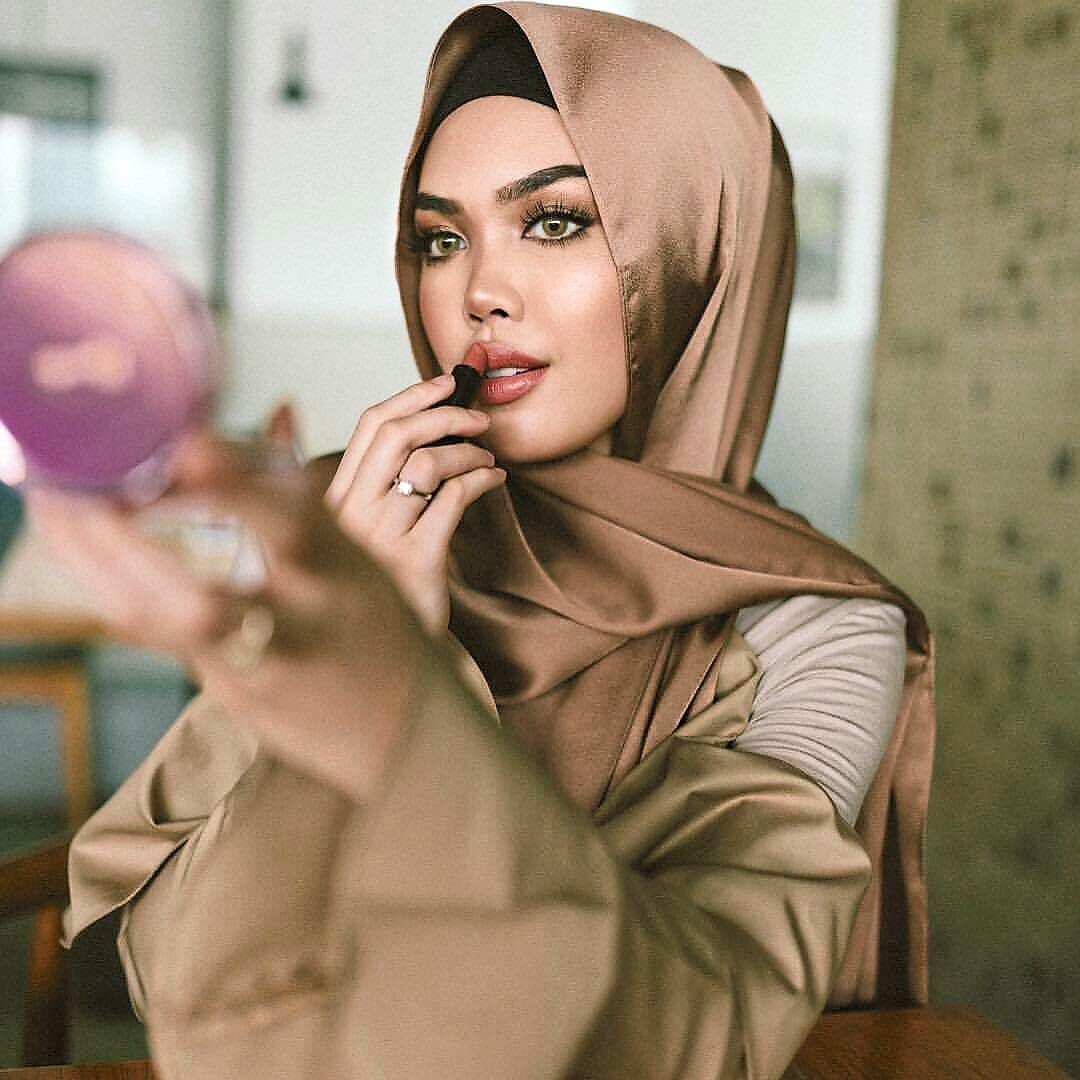
That shift has also changed purchasing behaviour. Rather than buying separate products for every purpose, consumers are increasingly looking for formulas that can work across multiple needs without adding clutter to their makeup bags.
“People are much more intentional about what they buy,” she says.
“Instead of having two different products for two separate functions, they’d rather have one that works across multiple needs and feels easy to use every day.”
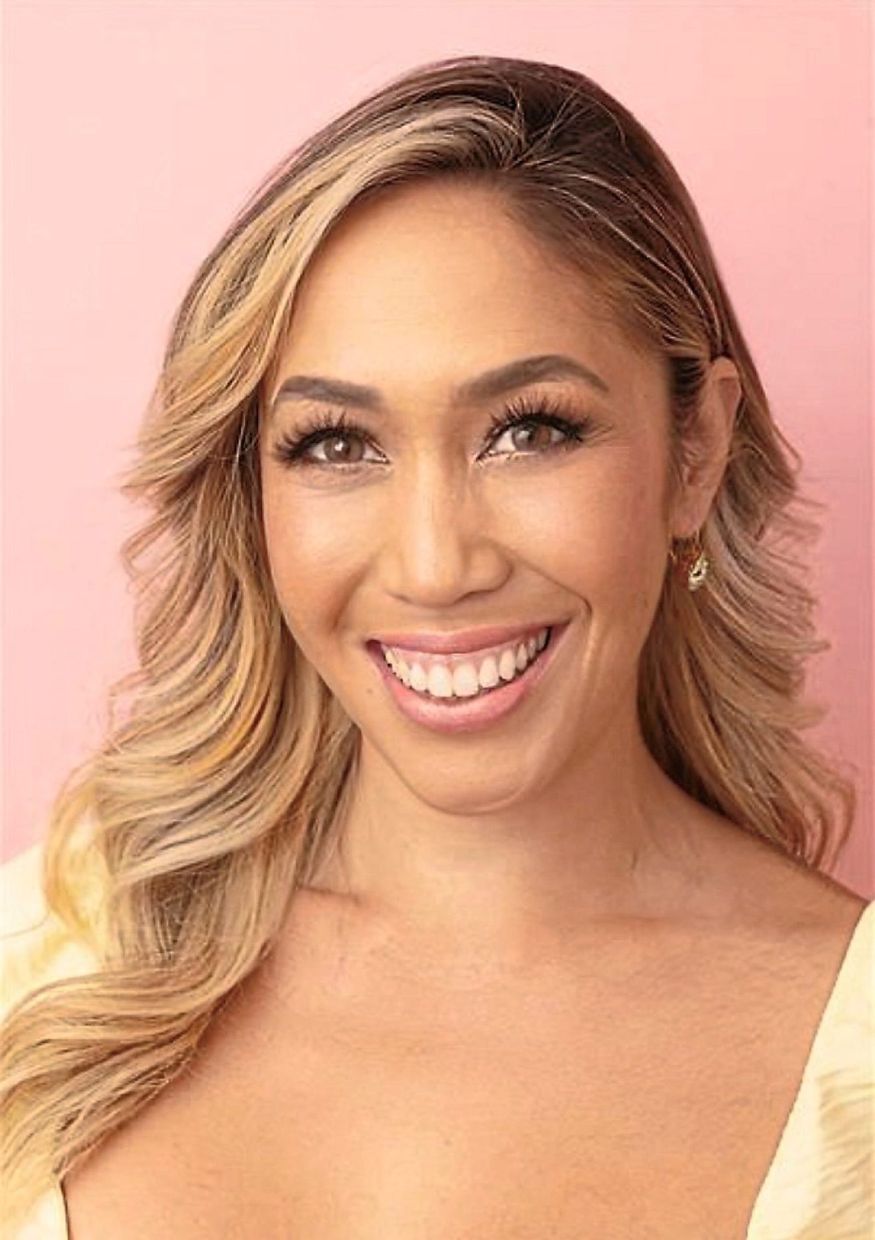
Pixi Beauty global educator and brand ambassador Colleen Nicole Lota sees the same behaviour reflected globally. She believes consumers are becoming increasingly conscious of getting more value from every purchase.
“A lot of consumers nowadays want to see how they can extend their dollar,” she says. “If they know that a blush can also be used on their eyes, cheeks and lips, then it’s a no-brainer.”
Read more: From mori to Douyin makeup, Malaysians are creatively remixing beauty trends
Beyond affordability, accessibility also plays an important role.
Lota recalls meeting consumers who rarely wore makeup because they assumed application was complicated, only to discover how approachable multi-use products could be.
“They saw how easy it was to blend products using just their fingertips, and were like ‘this is multitasking, multi-purpose and beneficial for the skin’,” says Lota.
The concept of multitasking beauty isn’t entirely new, but it has gained momentum recently through social media and minimalist beauty trends.
Some brands have been exploring the philosophy for decades.
“Founder Petra Strand, being a makeup artist and a mum, goes, ‘whether people have children or not, we don’t have a lot of time to pull ourselves together’,” says Lota.
“So she wanted to simplify that routine, and she knew that everyone will be able to benefit from skin-loving ingredients.”
Yet simplicity should never be mistaken for simplicity in formulation.
“It’s very easy to keep adding benefits on paper,” says Kamelia. “But it’s much harder to make everything work beautifully in real life.”
When one product promises skincare benefits alongside makeup performance, or multiple applications across the face, every adjustment creates another compromise.
“If you push too much skincare, the texture can become heavy,” she explains.
“If you prioritise makeup performance, you might lose some of the skincare benefits. A lot of product development is really about refining the formula until it feels effortless but still performs well.”
That process doesn’t end once a product reaches consumers. In many cases, real-world use becomes the most valuable research tool.
“What we think is ‘multi-use’ during development doesn’t always match how people actually use the product,” says Kamelia.
“They’ll use it in different climates, layer it differently or expect performance in situations we didn’t originally design for. I appreciate feedback so much because it often pushes us to refine small but important things like texture, blendability, longevity, and even packaging usability.”
For today’s beauty consumer, multitasking products represent more than convenience, as they also support thoughtful consumption, which means buying fewer products that fit seamlessly into everyday life.
While multi-use products promise versatility, performance still depends on thoughtful formulation and realistic expectations.
“Multi-use makeup products are typically designed for use on different areas of the face. However, their performance largely depends on the formulation and texture of the product,” says makeup artist Michelle Tan.
According to her, a product intended for the lips should provide comfortable wear, rich colour and hydration without drying, while on the cheeks, it should blend seamlessly into the skin with a natural finish.
For the eyes, they should be able to be applied smoothly and evenly, resist creasing or settling into fine lines, and be safe for use in this area.
Rather than chasing perfection in every category, many brands are now focusing on creating products that perform consistently across several uses while remaining effortless to wear.
Even so, professional makeup artists don’t rely solely on multitasking products – particularly when longevity and precision are essential.
“I don’t rely on a single product, but instead choose flexibly based on the desired look and my client’s needs,” says Tan.
For everyday makeup, she says hybrid products are excellent for creating a harmonious, natural finish and are particularly useful when time is limited.
“Multi-functional (hybrid) products are excellent for creating a cohesive, harmonious look and are especially useful for quick applications.”
“For special occasions, or when longer wear and more precise effects are required, I typically opt for individual products, as they are specifically formulated for the lips, cheeks or eyes, allowing for more targeted and professional performance,” she adds.
Read more: Ask The Expert: The essential beauty guide to colouring your hair
Made for real life
If there is one place where multitasking makeup proves its worth – or reveals its weaknesses – it is Malaysia’s tropical climate.
Heat and humidity place demands on makeup that laboratory testing alone cannot replicate.
“It’s one of the most important considerations,” says Kamelia. “If a product doesn’t hold up in heat and humidity, it doesn’t matter how good it looks when you first apply it. The formula has to remain comfortable, breathable and stable throughout the day.”
“For me, the ‘wear test in real life’ is extremely important. Because in reality, people are outside moving, sweating and living their lives. If a product can’t survive that, it’s not ready to be released,” she says.
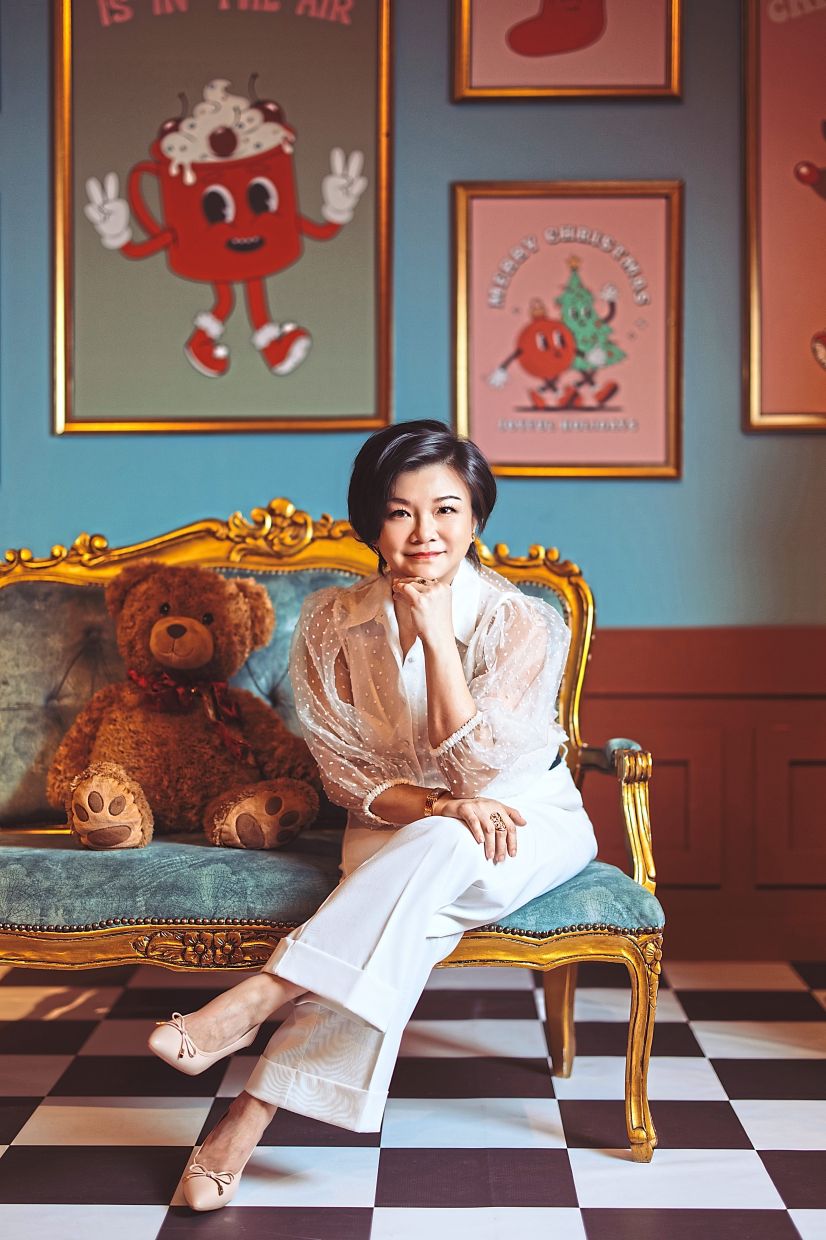
Tan agrees that multitasking formulas have their limitations.
“Under strong lighting, sweating or long hours of wear, skin texture or uneven application can become more noticeable,” she explains. “The product may fade or smudge more easily and will require touch-ups.”
She also notes that certain situations still call for specialist products. Weddings, outdoor events and occasions requiring all-day wear generally benefit from dedicated formulas that offer greater durability and precision.
That doesn’t diminish the value of hybrid products, it simply means knowing how to use them.
Tan recommends applying thin layers of cream or liquid products before setting them with powder or setting spray using what she describes as a “sandwich technique”.
“It helps makeup last longer while keeping it looking fresh, dimensional and skin-like, rather than flat or cakey,” she says.
Ultimately, all three experts agree that multitasking beauty reflects a broader change in how consumers think about makeup.
The goal is no longer an overflowing vanity but a curated collection of products that earn their place.
“I don’t see it as a trend,” says Kamelia. “I believe it’s a permanent shift in how people think about beauty. Consumers are much more educated now. They understand ingredients, performance and are more selective about what deserves space in their routine.”
It’s a sentiment echoed by Tan, who sees multitasking makeup not as a shortcut, but as a practical evolution in modern beauty.
“They’re a legitimate makeup technique,” she says. “When time is limited, they can help create a quick makeup look while still maintaining a natural and presentable finish.”