
Over the years, Bibo Aswan has established himself as one of Malaysia’s most recognisable fashion photographers, celebrated for images that balance creativity with clarity.
Although he insists a person does not need to love fashion to excel behind the camera, his actions suggest otherwise.
When approached for this interview, Bibo immediately embraced the opportunity.
He assembled a team – with grooming by Eranthe Loo and styling by Masyadi Mansoor – and even enlisted a fellow photographer to help realise his vision.
He directed his own portrait session, borrowing clothing from Lord’s Tailor and Fred Perry to ensure every detail was carefully considered.
In effect, he put together a fashion shoot from scratch in a matter of days.
For someone who claims fashion is not a prerequisite, he approaches it with unmistakable enthusiasm.
Yet, Bibo, 36, says he started his journey with little more than “interest”.
“Back in high school, I remember watching behind-the-scenes footage of photoshoots on TV – the energy, the movement, the controlled chaos, and then seeing the final polished images,” he recalls.
His description of it is almost poetic: “It felt like watching a storm come together just before the rain hits.”
Read more: Fashion ties that bind: Siblings at the heart of Malaysian label Yuleza
Born and raised in Petaling Jaya, Bibo began experimenting with photography around 2010, shooting friends and teaching himself through real-world practice.
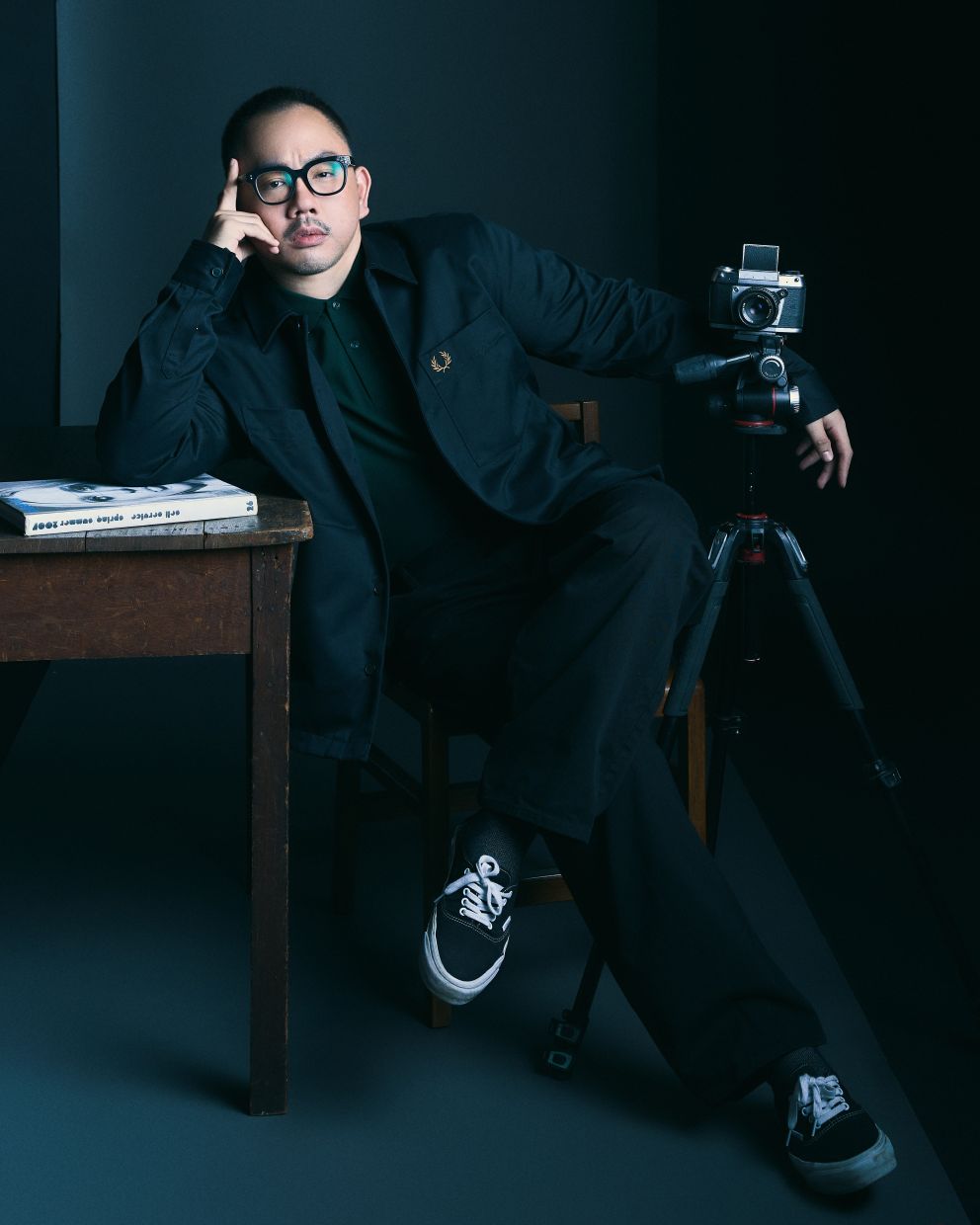
In 2012, he landed his first commercial assignments, primarily fashion campaigns, lookbooks and magazine editorials, marking the point when photography became his full-time career.
“It was very hands-on and built through trial and error, but that process shaped my foundation,” he says.
That organic path has continued to inform his instinctive approach to photography and broad visual language.
Looking back, Bibo credits much of his growth to Malaysia’s close-knit creative community.
“There are many photographers I look up to locally, and being around that energy pushes me to keep improving,” he shares.
In your view, what sets fashion photographers apart from other photographers? What does it take to succeed in this space both in terms of skills and sensibility?
What sets fashion photographers apart is the understanding of movement, lines and how garments come alive on a body. It’s not just about capturing a subject, it’s about directing energy, shaping silhouettes, and creating something aspirational.
What matters more is your ability to elevate a subject, to make them look desirable, intentional and refined.
Fashion photography today is incredibly diverse, there’s no single standard anymore.
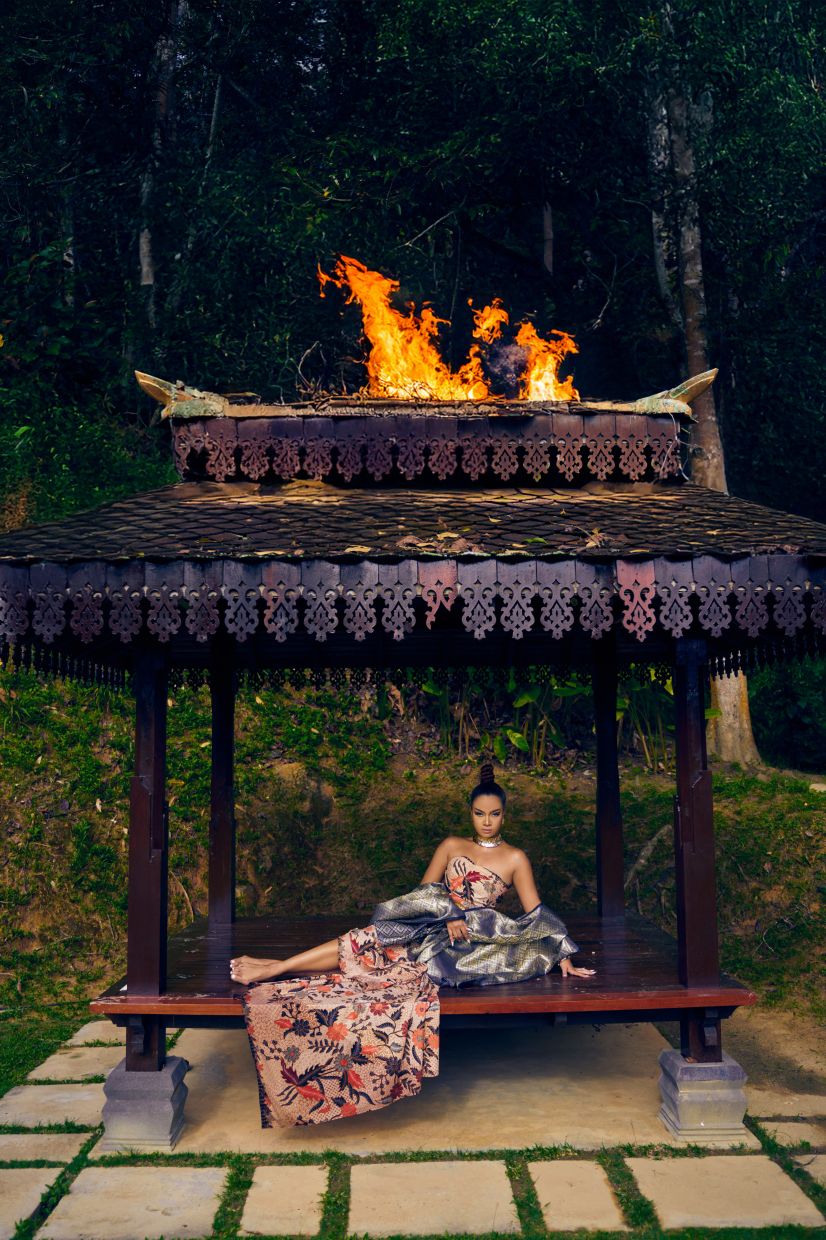
There’s a common perception that fashion shoots are fun and glamorous. Can you walk us through the process of planning and executing a fashion spread?
It’s definitely not as easy as it looks, even though that’s the final impression. There’s a lot happening behind the scenes.
It starts with pre-production – understanding the brief, building the concept, aligning with the creative team and doing recce for locations. Then comes the shoot itself, where you’re managing time, energy, direction and also adapting to unexpected challenges on the day.
After that, post-production shapes the final outcome. Every stage requires intention and collaboration.
From stylists to makeup artists to photographer assistants and fellow creatives, everyone plays a role in bringing the image to life.
The process can be chaotic at times, but that’s often where the magic happens.
What are some of the most memorable shoots you’ve worked on? How have these experiences shaped your career?
The most memorable projects for me are always the ones where I’m given full creative trust.
When a brand believes in your vision and allows you to shape the concept from the ground up, it’s incredibly fulfilling. It feels validating in a very real way.
Those experiences pushed me to think beyond just taking photos and instead focus on building visual worlds.
They also taught me how to balance creativity with responsibility, making sure the work not only looks strong but also delivers for the brand.
Each project sharpens your instincts. Over time, you start to understand not just what looks good, but what truly works.
Have you photographed any personalities or celebrities who left a lasting impression? How does your approach differ when working with models versus celebrities for such shoots?
I’ve worked with quite a number of personalities, but one that stood out was with actress Susan Lankester for a magazine cover. We styled her in a high-end suit to reflect her strength and presence in the industry.
What made the experience memorable was how collaborative she was.
She took the time to understand the concept, trusted the process and brought her own depth into the shoot.
It was also a reminder that beyond the status, famous people are still human, grounded and open to creating something meaningful together.
Working with models is a bit different. With them, we’re often building a character or narrative from scratch. They’re trained to interpret direction and embody a vision quickly.
With celebrities, it’s more about drawing out who they already are and translating that into the visual. It becomes more personal and more intuitive.
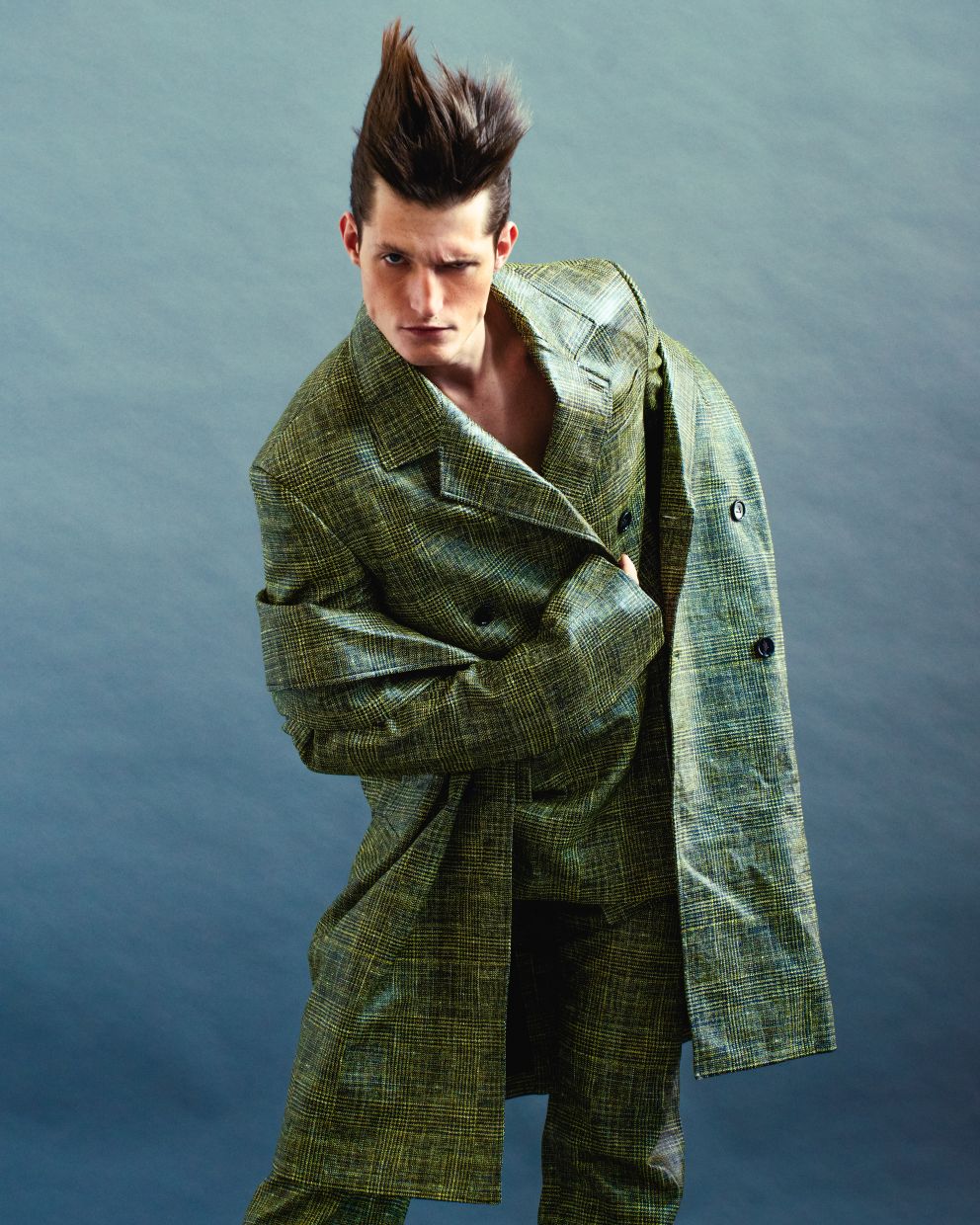
Which fashion photographers have influenced your work? How do you see your style in relation to theirs?
I’ve always been drawn to photographers with a strong visual identity, those who treat fashion as both storytelling and spectacle.
I’m inspired by Mert Alas and Marcus Piggott for their high-gloss, hyper-polished aesthetic.
Nick Knight for his experimental approach. Helmut Newton for his bold narratives. Herb Ritts for strong silhouettes, and Irving Penn alongside Peter Lindbergh for their timeless, character-driven imagery.
Read more: Ask The Expert: Advice from a top fashion model on how to elevate your look
What are some of the key challenges facing fashion photography today? With shrinking attention spans driven by social media, do you think the craft is still fully appreciated?
Attention spans are definitely shorter now. Images are consumed in seconds, sometimes even less. There needs to be an immediate impact, something that makes people stop and actually look.
That said, I don’t think the craft is lost. It has simply evolved.
The challenge now is to create work that captures attention instantly while still holding depth when viewed longer.
If anything, it has made the industry more competitive.
There are many strong creatives out there, especially in Kuala Lumpur, and that keeps everyone on their toes. It pushes you to be sharper and more intentional with your work.
How has the rise of AI impacted your work? Have you seen any shifts in client expectations or demand for traditional fashion photography?
AI has definitely shifted the landscape. Clients are more aware of what can be done digitally, and expectations around speed and output have increased.
Personally, I don’t believe in relying on AI to create everything from scratch.
For me, AI works better as an extension or a supporting tool, not a replacement.
There’s still something irreplaceable about real photography – capturing real people, real textures and real light. The human element, the unpredictability on set and the collaboration between creatives are what give fashion imagery its depth.
On a personal note, I’ve also started exploring directing for smaller projects.
It’s been an exciting shift, working with a team I’ve handpicked to bring ideas to life.
I’m still learning and refining that craft, and hopefully growing into a stronger director over time.
Bibo Aswan has an eye for visually-striking fashion
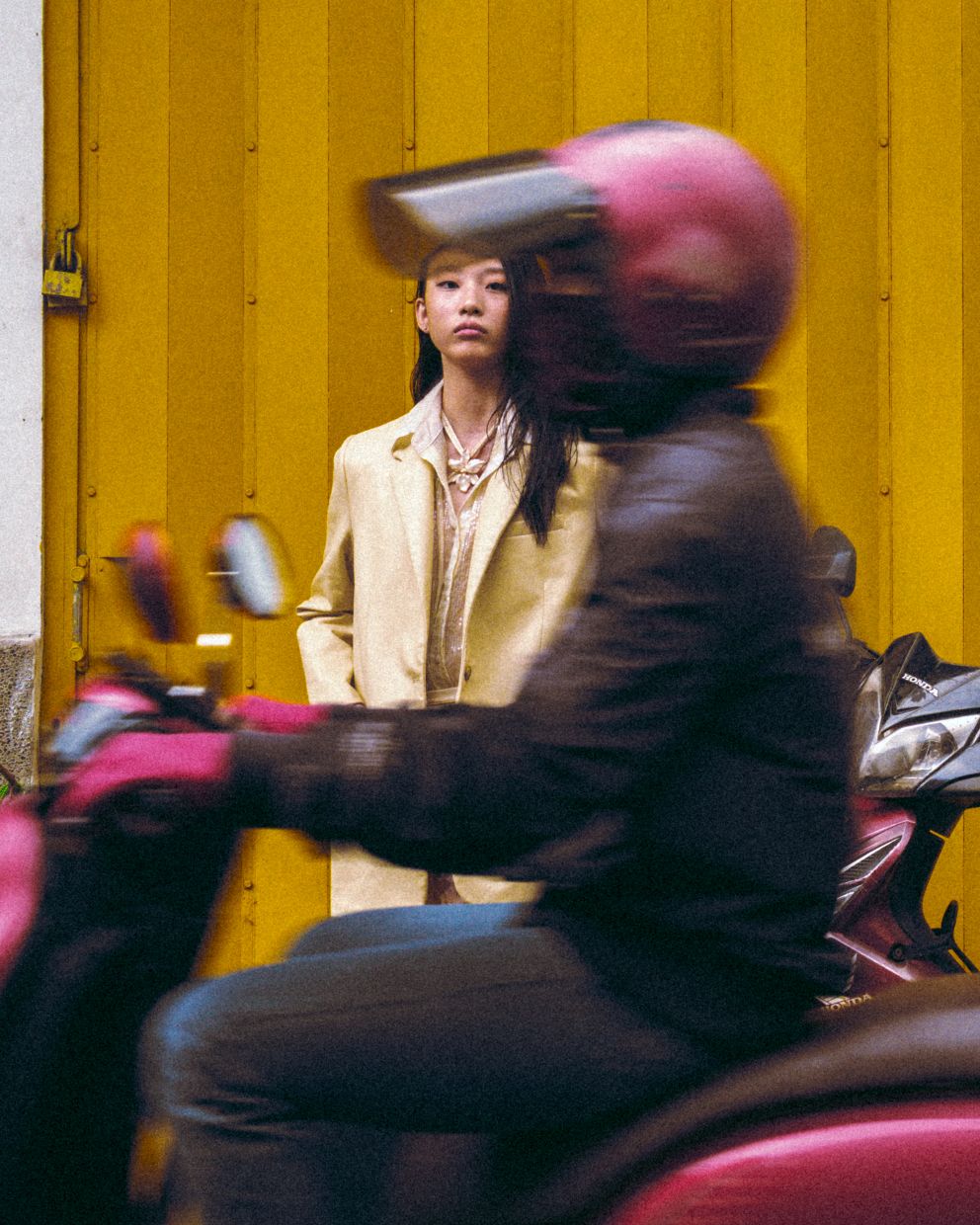
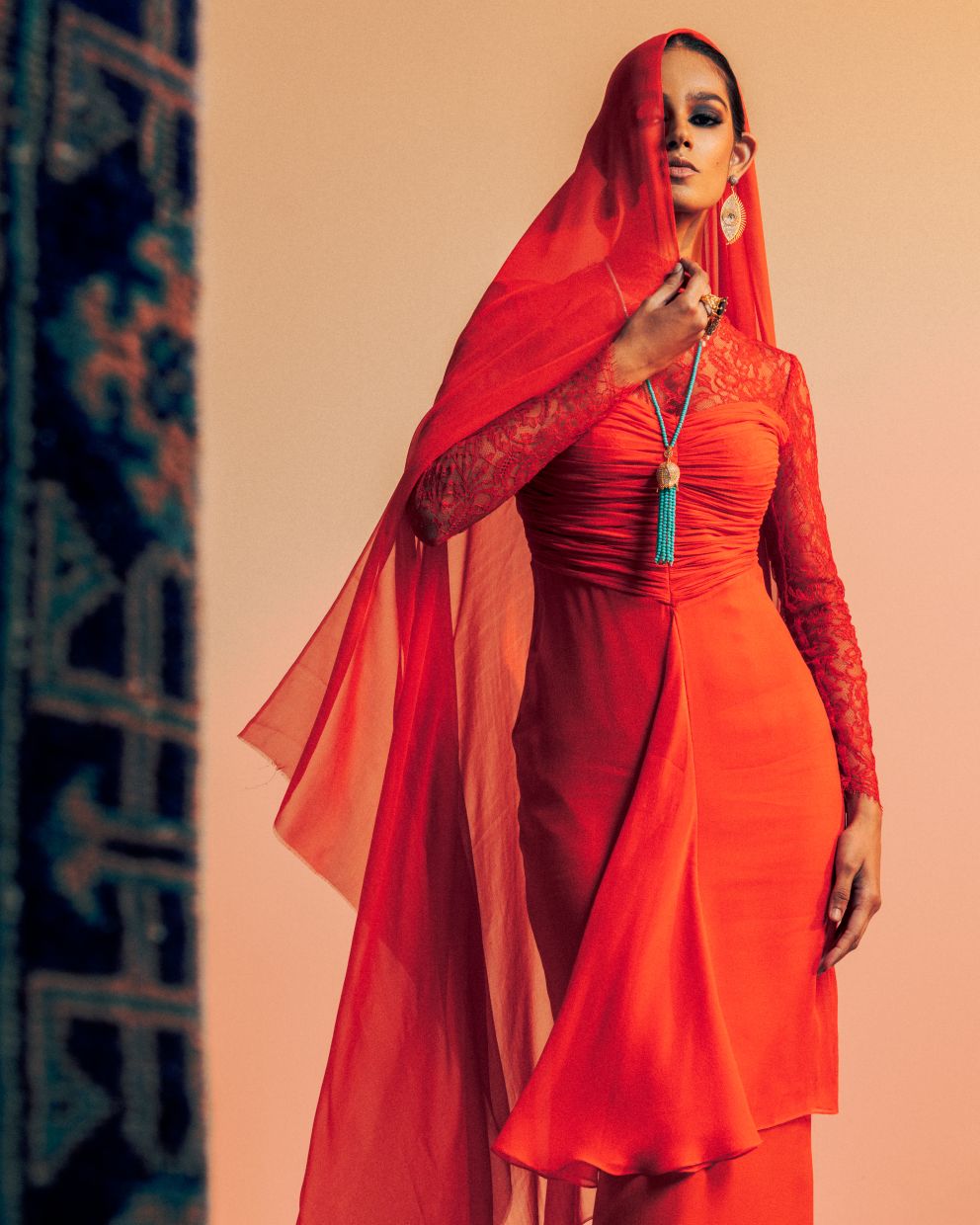
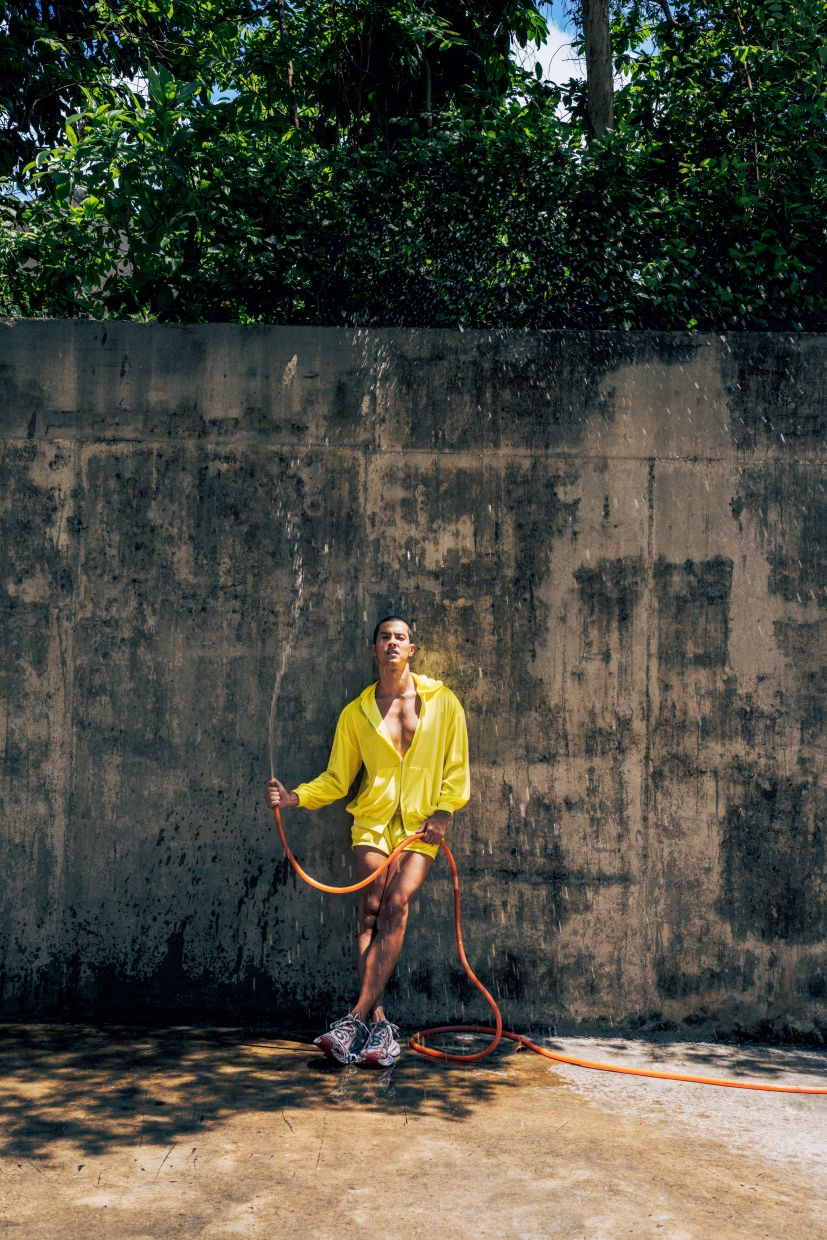
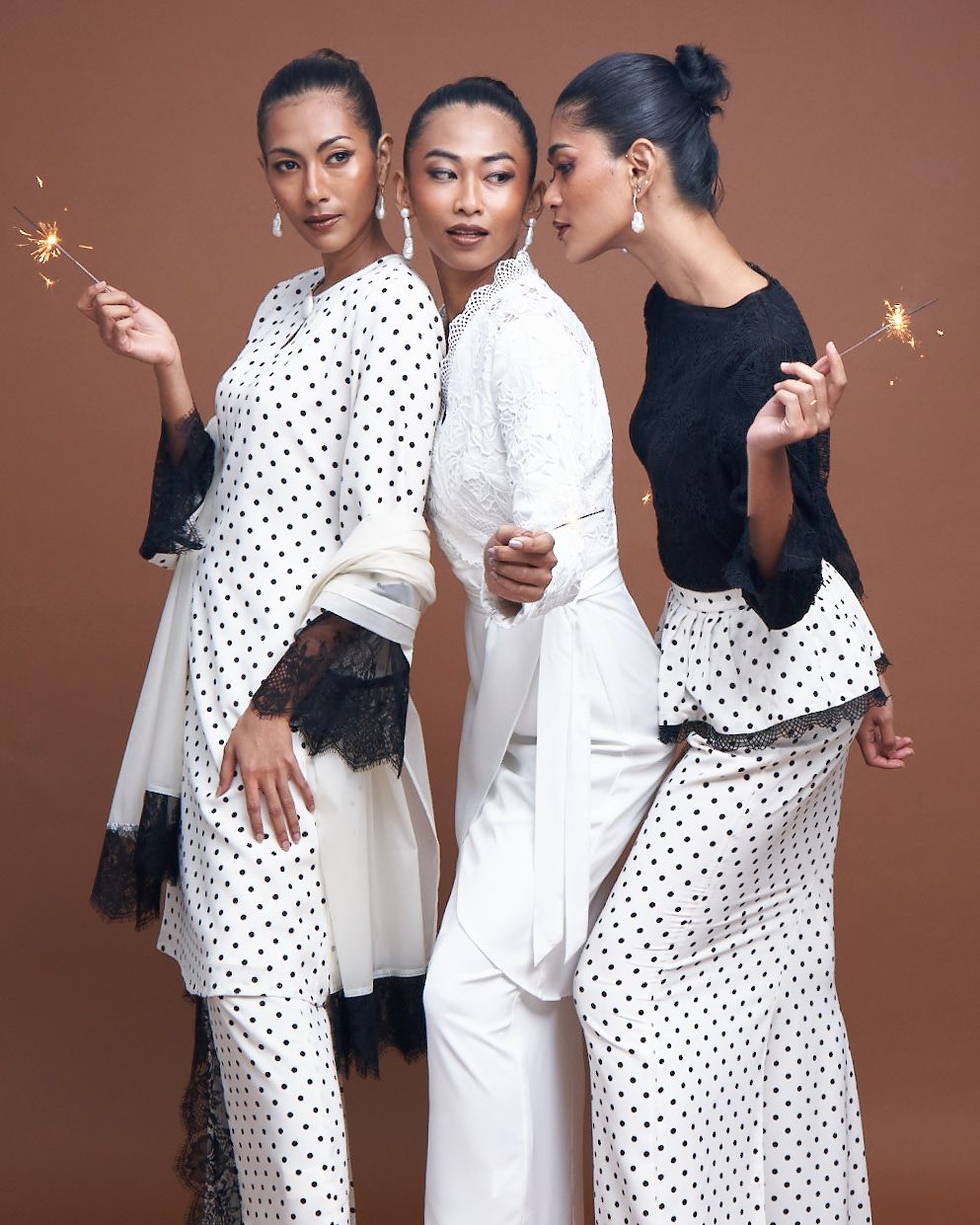
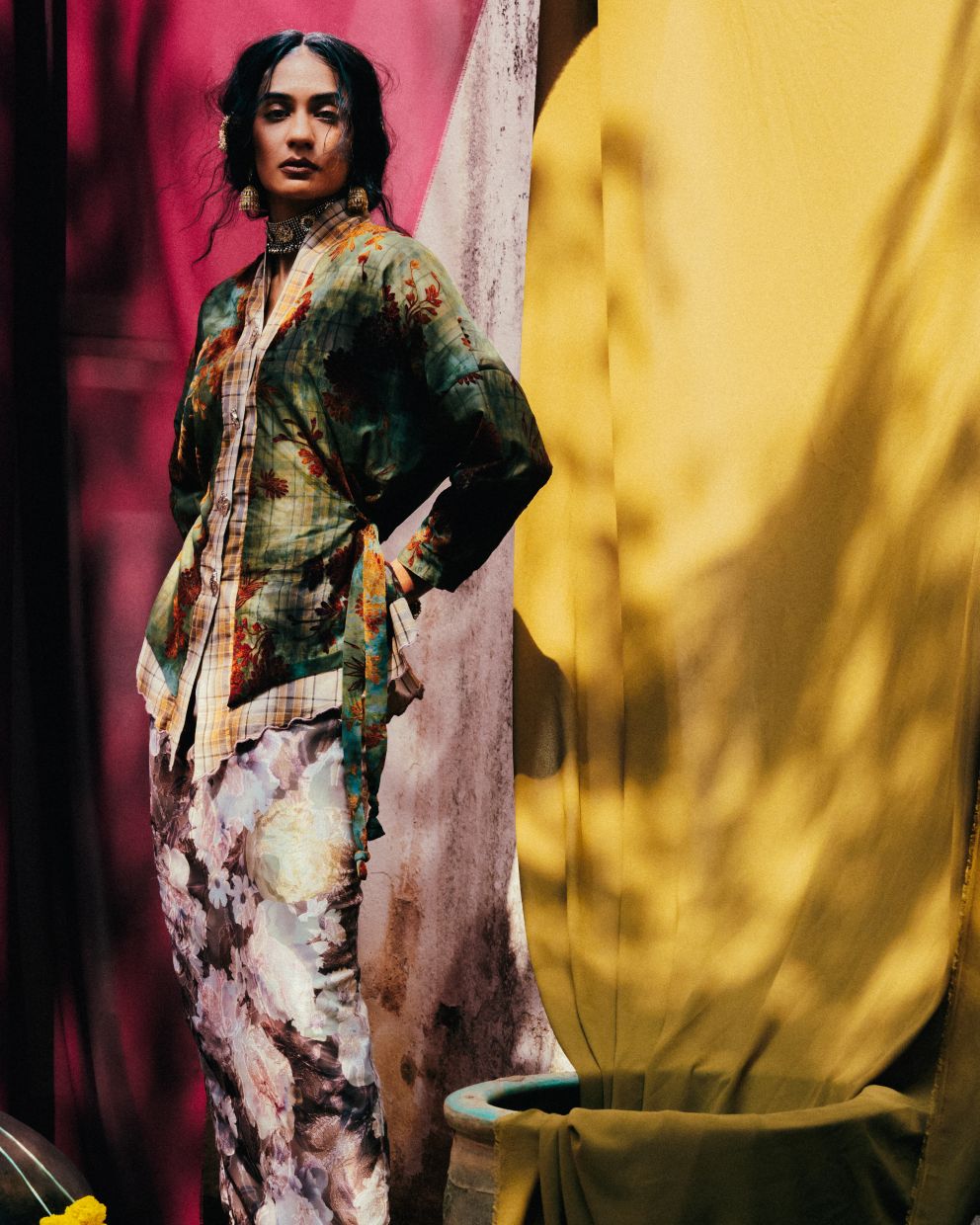
He believes a photograph must catch the eye instantly, as attention spans continue to shrink. Photo: Bibo Aswan
His approach to photography is more organic in terms of its process. Photo: Bibo Aswan Photo: Bibo Aswan
Bibo Aswan's signature style blends striking fashion imagery with clean, purposeful composition, where every frame tells a story. Photo: Bibo Aswan
Whether photographing models or celebrities, Bibo Aswan focuses on bringing out presence, personality and the essence of the garments. Photo: Bibo Aswan
For Bibo Aswan, fashion photography is about more than beautiful clothes – it is the art of shaping light, energy and emotion into a single image. Photo: Bibo Aswan
From high-fashion editorials to commercial campaigns, Bibo creates images that balance movement, silhouette and visual impact. Photo: Bibo Aswan
Working closely with stylists, makeup artists and creative teams, Bibo Aswan transforms concepts into polished fashion narratives. Photo: Bibo Aswan