
The long-held notion that global fashion is anchored by a handful of capitals – Paris, Milan, New York and London – is steadily eroding as markets open up and style becomes decentralised.
As brands recalibrate their international strategies in pursuit of more diverse consumer bases, Malaysia has emerged as an important focus.
The country is increasingly viewed as a strategic gateway into South-East Asia, particularly amid the rapid global expansion of Chinese fashion labels.
For Yang Ziming, founder of clothing label Cabbeen, Malaysia represents a compelling meeting point between Eastern and Western fashion sensibilities.
“As a multicultural hub recognised across South-East Asia and a mature fashion consumer market, Malaysia possesses an open and inclusive fashion atmosphere,” he says.
“The country offers a highly internationalised business environment, alongside a leading regional retail ecosystem and established fashion event platforms.”
Beyond apparel, Cabbeen’s portfolio extends into accessories through its 2AM footwear line, reinforcing its broader lifestyle positioning.
Yang adds that Malaysia has become an attractive destination for labels seeking to scale internationally while strengthening their regional presence.
“Consumers here have mature aesthetic awareness and are highly responsive to international trends,” he notes.
The momentum reflects a wider outward push from China’s fashion industry.

Labels including Urban Revivo, Lilanz and JNBY have expanded into major retail centres across the Klang Valley.
MO&Co, a label launched in Guangzhou in 2004, has also established a presence in Malaysia as part of its broader international growth trajectory.
Malaysia first, then the world
The flow of expansion is very much bidirectional – allowing brands to debut in emerging markets before re-entering traditional fashion capitals with a renewed global identity.
Delon, which made its debut in Malaysia earlier this year, is already preparing its next chapter in Paris.
“This is only the beginning,” says Anouchka Delon, daughter of the late Alain Delon, whose image defined a generation of European cinematic masculinity and style.
“We’re incredibly excited about growing Delon beyond Malaysia, especially towards future development in Europe and bringing it to more international markets.”
A niche Alain Delon-licenced label once circulated in Malaysia in the 1980s, adding an unexpected layer of continuity to the brand’s present-day reintroduction.
Yet for Anouchka, the French roots of both past and present iterations remain central to its identity.
“I want the brand to reflect that origin, while still feeling modern and accessible to a new generation,” she says.
Read more: Fashion weeks shine a light on Malaysia, with the scene more accessible
She describes Malaysia’s fashion scene as particularly compelling, shaped in part by its year-round tropical climate.
“Unlike countries with multiple seasons, Malaysians live in a constant rhythm of warmth and humidity,” she explains.
“There are fewer opportunities for layering, and yet I’ve always admired how people here express style so effortlessly. There’s a certain ease and confidence in the way Malaysians dress, even in such a demanding climate.”
For Anouchka, Malaysia’s multiculturalism remains one of its greatest fashion strengths.
She points to the way communities embrace one another’s traditional dress – from baju Melayu to cheongsam and sarees – as evidence of a fashion culture rooted in openness and exchange.
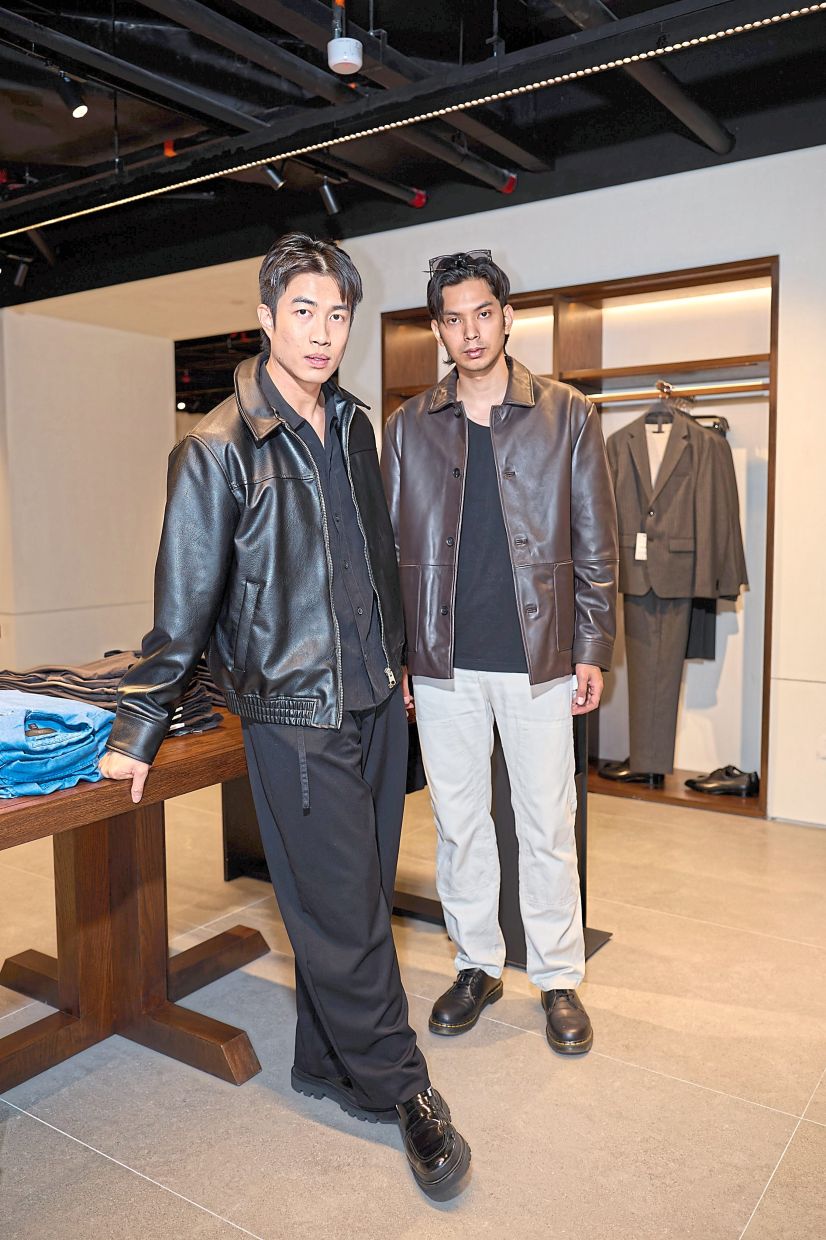
A regional fashion hotspot
The country’s growing significance within the regional retail landscape was further underscored last week, when H&M announced plans to relocate its South-East Asia headquarters from Singapore to Kuala Lumpur.
Yet for other major fashion groups, Malaysia has long been seen as a market of considerable potential.
Tapestry, the US parent company behind brands including Coach and Kate Spade, has steadily expanded its presence in the country over time.
Campbell O’Shea, senior vice president of Tapestry South-East Asia and Oceania and president of Kate Spade Asia-Pacific, says the country sits within an interconnected regional landscape.
“Malaysia plays a strategically important role – both as a consumer market in its own right and as part of a broader regional ecosystem that is becoming more integrated economically, culturally and digitally.”
O’Shea adds that Malaysian consumers are notably brand- literate and mature, often with strong exposure to international fashion and clearer expectations around quality, consistency and value.
“Compared with markets like Singapore, where retail behaviour can be more efficiency- driven, or Indonesia, where rapid demographic expansion shapes scale-led growth, Malaysia offers a balance of maturity and experimentation,” she explains.
“Consumers are comfortable with established brands, yet receptive to new expressions – provided they feel authentic and locally grounded.”
Read more: Talking the walk: Fashion model Ridzman Zidaine on repping Malaysia globally
O’Shea adds that Malaysia also serves as an important reference market within the region.
“Alongside other South-East Asian markets, it contributes to how the company tests, refines and scales brand ideas – especially around experiential retail and lifestyle integration – before applying those learnings across the region,” she stresses.
“Malaysia’s mature retail environment and culturally diverse audience make it a valuable reference point for understanding how global brands can localise meaningfully without losing consistency.”
A reflection of global headwinds
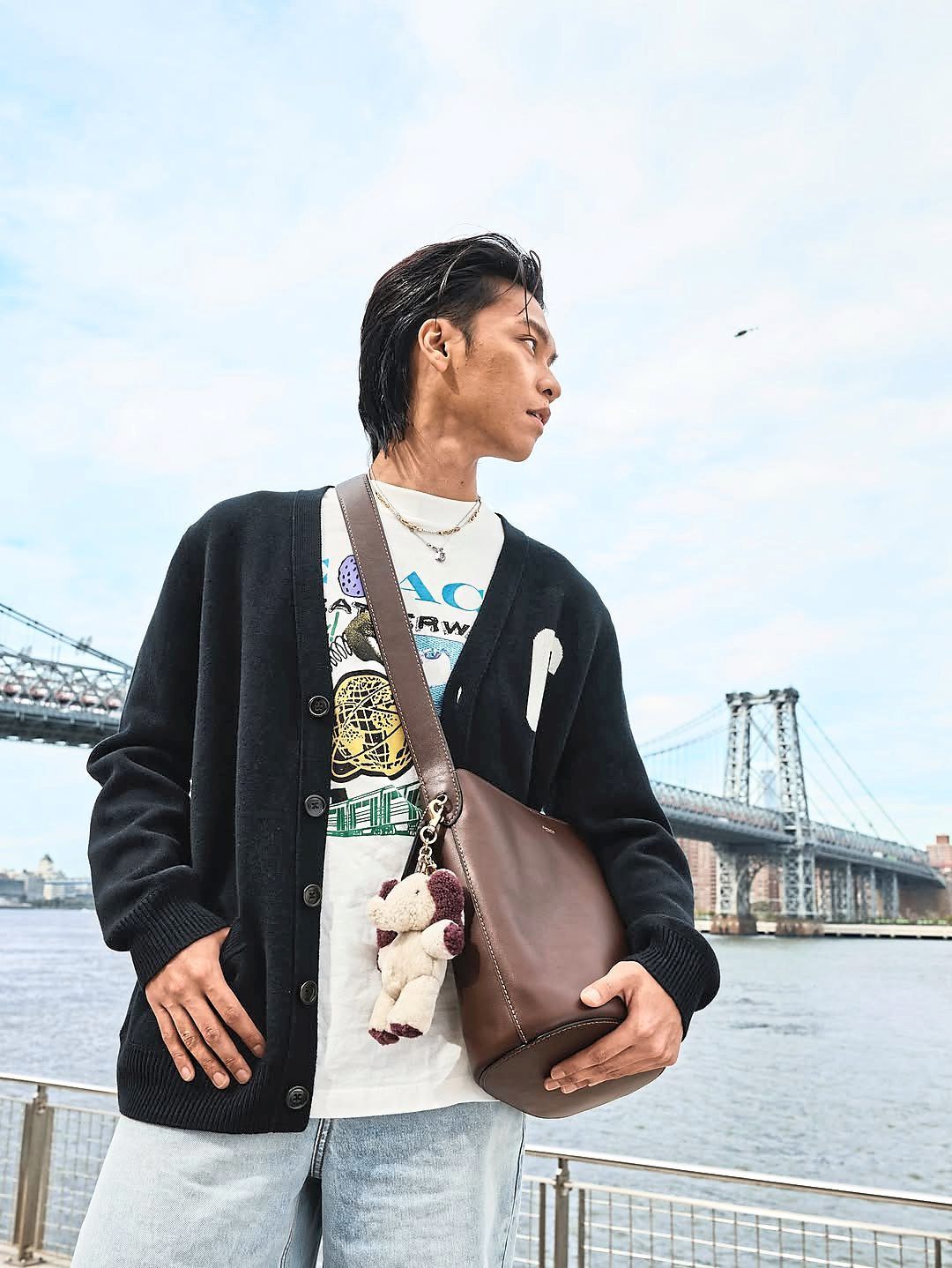
Take Inditex, the parent company of Spanish brands including Zara, Pull&Bear, Massimo Dutti and Bershka, which has largely outperformed a wider global slowdown in the sector.
In a recent analysis, The Business Of Fashion noted that Inditex recorded strong sales growth during the opening weeks of its fiscal year, covering the five weeks leading up to March 8.
That momentum is also visible in Kuala Lumpur, where a wave of activations and store reopenings reflects Inditex’s continued expansion strategy.
This, in turn, reinforces Malaysia’s place within the rhythms of the international fashion market.
“Malaysian consumers are highly engaged with global fashion and tend to adopt trends quickly, particularly through social media,” says Simon Naga, vice president of Al-Futtaim Group for Asia, which holds the franchise rights for Inditex brands in Singapore, Malaysia and Thailand.
He adds that Malaysia is well positioned within the region thanks to its central location, strong logistics infrastructure and developed retail ecosystem, supported by a digitally connected and fashion-aware consumer base.
“Over the past few years, we have seen steady growth driven by a young population, increasing purchasing power, and strong engagement with global fashion trends,” he says.
Like many global fashion groups, he reinforces the view that Malaysia’s diverse and versatile market positions it as a key regional player.
This is further supported by its strong mall culture, which continues to attract retail expansion.
“The country’s multicultural population drives demand for diverse styles, including modest fashion, casualwear and modern workwear,” he concludes.