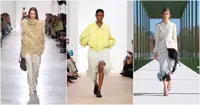
Fashion weeks shine a light on Malaysia, with the scene more accessible


Photo: Kuala Lumpur Fashion Week

First came social media, then it was the digitalisation of runway shows; and now fashion weeks have evolved with public expectations at an all-time high, all the time.

With attention spans reduced to mere seconds or minutes (consider the length of TikTok videos or Instagram stories), organisers are facing the pressure to really make their shows stand out.

Andrew Tan of Kuala Lumpur Fashion Week says the change is not a bad thing.

“Social media has been complementary to the impact of fashion weeks, reaching wider audiences and engaging those beyond the fashion industry by making conventionally exclusive experiences, more accessible,” he notes.

Runways shows were once only opened to the members of the media and fashion buyers. Today, the guest lists include scores of celebrities and socialites.

Tan adds that digital platforms are not the enemy.

“Fashion weeks still provide a unique, immersive experience that allows personal connections and live interactions,” he stresses.

Model Eleen Yong, who has walked for brands like John Galliano and Karl Lagerfeld, points out that brands are seeking to create memorable, standout events that generate buzz and leave a lasting impression.

“This often means larger, more elaborate setups and innovative presentations. There’s a growing emphasis on storytelling, creating an emotional connection with the audience and integrating multimedia elements,” she explains.

“In this context, runway shows are not just about the clothes anymore; they’re about creating an experience that aligns with the brand’s identity and resonates with the audience.”

Yong also runs her own modelling agency. She choreographs runway shows and coaches new models.

The change in the audience of fashion weeks has brought about new challenges for those in the industry, which she acknowledges.

“Models are now competing with a larger pool of talents, including influencers and celebrities, who might not necessarily be fashion models,” she says.

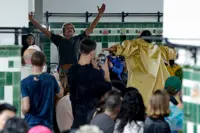
Runway shows are no longer closed-door events. Instead, most organisers are turning them into extravaganzas that the public can enjoy too. Photo: Aeon

Read more: Modern and colourful, fashion in Malaysia reflects the diversity of its people

Putting on a real show

Indeed, runway presentations are becoming more creative. At the recent Aeon Fashion Preview held in the Klang Valley, models were seen walking in a supermarket.

The latest style offerings from the department store were presented amid fresh produce, and to the delight of everyday shoppers.

“Runways for us are everywhere – in fact we believe that the world ought to be everyone’s runway, so we should dress to feel good all the time!” says Aeon Malaysia’s chief merchandise and marketing officer Low Ngai Yuen.

In the past, Aeon Malaysia has staged runway shows in a moving MRT, as well as in a food truck park and parking lot.

Low however believes that fashion show organisers should not forget that the clothes must still be the main star.

“Our unconventional setups are designed to enhance the connection between consumers and fashion, not to distract from it,” she explains.

“It’s possible to go too far if the spectacle overtakes the substance. Therefore, we aim to keep our shows grounded in the narrative of the brands and the essence of the various collections, ensuring that the presentation complements and elevates.”

At fashion weeks in major cities like Milan, Paris, London and New York, brands have always competed with one another to catch attention.

Chanel under Karl Lagerfeld (from the 1980s until his death in 2019) was always seen as pushing the envelope with its shows.

For the Autumn/Winter 2017 show, the fashion house created its own space station inside Paris’s Grand Palais.

The Autumn/Winter 2010 collection was presented with the backdrop of a nine-metre high, 265-tonne real iceberg imported from Scandinavia.

A fully-functioning supermarket was created on stage to showcase the Autumn/Winter 2014 designs.

Read more: Socially responsible fashion is the right way forward here in Malaysia

Here to stay

According to Malaysian model Eleen Yong, brands are looking to create memorable runway shows that can generate buzz. Photo: Eleen Yong
On the relevance of fashion weeks in Malaysia, Low says that Aeon will be continuing its triannual fashion presentations.

“In our own ways we have started to expand it into week-long engagements,” she adds.

“We are also looking at the Aeon Fashion Preview as a platform to showcase a wider range of designers, plus our collaborations with them, and other subject matters, including food innovations!”

Even if the audience for such grand runway extravaganzas has changed, runway shows still serve a business purpose.

Kuala Lumpur Fashion Week for example, has helped elevate the profiles of Malaysian designers, providing them with a platform to showcase and expand their brands.

The event is also instrumental in fostering industry growth – something that Tan is quick to remind.

“We also launched Fashion Connect back in 2022, which is a full day networking and educational event designed to elevate the supply chain of the fashion industry by creating a sustainable and progressive ecosystem,” he points out.

He also says that fashion weeks not only revolve around the designers. They are part of an ecosystem that includes stylists, models, the press and producers.

As such, their growth and continued existence can help these communities as well.

This year’s Kuala Lumpur Fashion Week will take place between July 29 and Aug 4, in a purpose-built structure overlooking the Petronas Twin Towers.

According to Yong, Malaysia’s fashion industry is gaining momentum. She says that it presents itself as a unique scene – a blend of traditional and contemporary styles.

“There’s a strong potential for growth and local designers and models are increasingly making their mark on the international stage,” she adds.

“However, a continuous investment in talent, innovation and global exposure is crucial for Malaysia to compete with established fashion capitals.”

Tan believes fashion weeks here need to highlight the country’s unique local elements.

“Enhancing infrastructure, promoting sustainable practices, and increasing international collaborations can help Kuala Lumpur become a leading fashion hub in South-East Asia,” he says.

Now that runway events have become “less exclusive”, making fashion something that all Malaysians can enjoy will definitely work in the industry’s favour.

Get 20% OFF The Star Digital Access

Monthly Plan

RM 13.90/month

RM 11.12/month

Billed as RM 11.12 for the 1st month, RM 13.90 thereafter.

Best Value

Annual Plan

RM 12.33/month

RM 9.87/month

Billed as RM 118.40 for the 1st year, RM 148 thereafter.

Follow us on our official WhatsApp channel for breaking news alerts and key updates!

Next In Style

Has Taylor Swift’s wedding just outshone the Met Gala in fashion stakes?
Fashion awaits Taylor Swift's bridal look, but here's what the guests wore
The American dream, dressed: A look into 250 years of fashion and aspiration
Why letting go of a wedding dress can be among fashion’s hardest choices
Fashion sees clearly as glasses emerge as the chic accessory of the moment
The bikini at 80: Fashion is still pushing the limits of this swimwear classic
Two shirts, one outfit: Is this fashion’s smartest layering trick yet?
A shirtmaker so extraordinary that a luxury fashion house is buying the brand
Holidaying somewhere hot and humid? Stylists share their fashion essentials
Armani fashion still finding its footing in the post-founder era

Others Also Read